 Aviator
 Cat-eye
 Square
 Oval
 Rectangular
 Round
Private Label vs White Label Acetate Glasses: Cost, MOQ and Brand Control in 2027
Eyewear Buying Guide and Wholesale Knowledge
Quote the same tortoise acetate round frame to two suppliers and you will get two very different prices - because one is selling you white-label stock with your logo on it, and the other is building a private-label programme where you own the colourway. The gap between those quotes is not margin; it is control.
The Short Answer
Private label acetate glasses mean your brand defines the colourway, frame shape, hinge specification and packaging, funded through MOQs of roughly 300-600 pairs per model and a development lead time. White label acetate glasses mean the factory's ready-made frame carries your logo, with low MOQ and immediate shipping - but the same frame is quietly available to every competitor who asks.
- The dividing line is ownership: who controls the tooling, the colourway and the packaging design.
- White label wins on cash and speed; private label wins on differentiation and margin durability.
- Most brands run white label first, then convert the best sellers to private label - a sequence that avoids dead stock.
What Is the Difference Between Private Label and White Label Acetate Glasses?
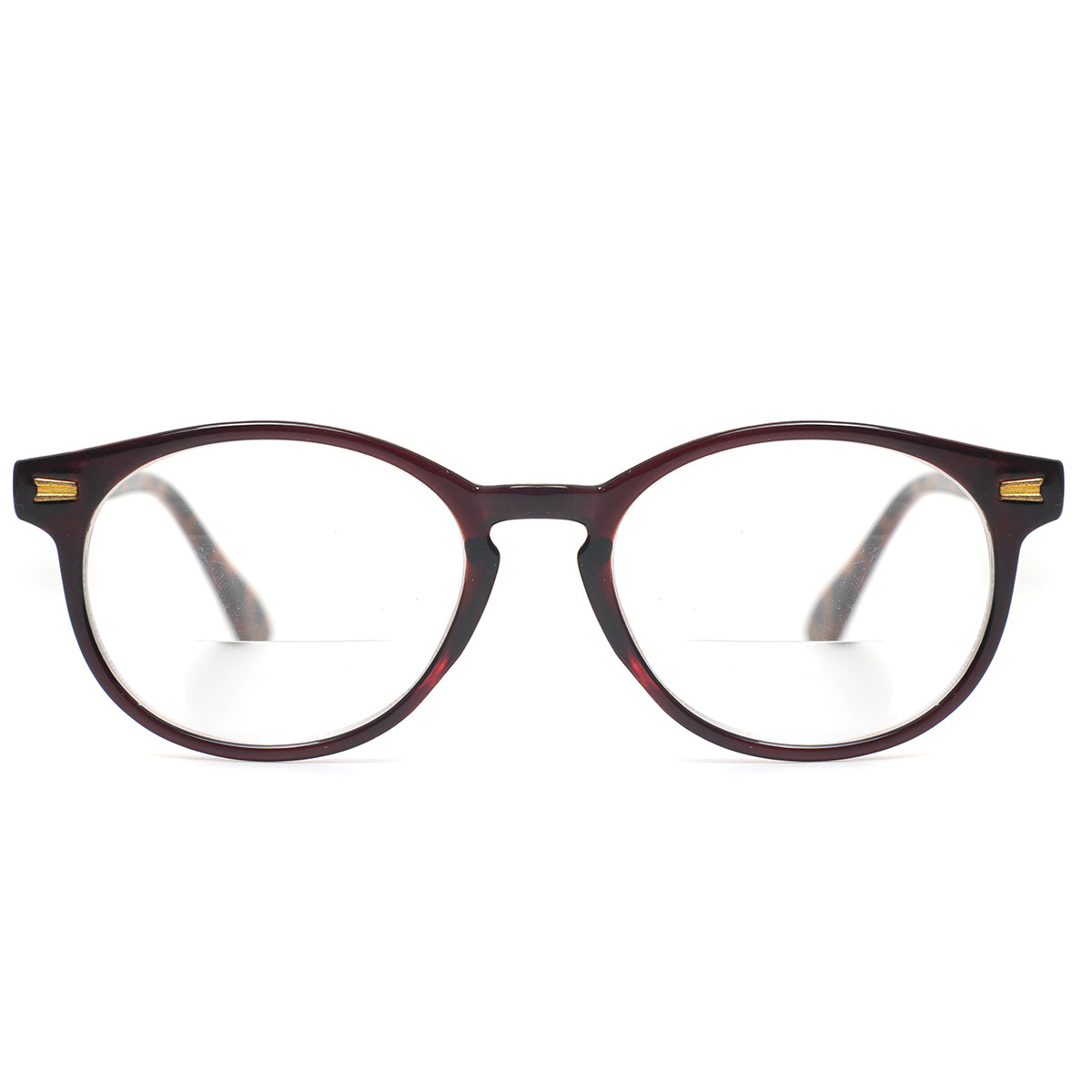
Both models put your brand on the temple. The difference lives in three ownership questions asked before production starts: who owns the frame design and its tooling, who owns the colourway, and who owns the packaging design. White label answers "the factory" to all three. Private label answers "you" to at least two - and a full private-label programme answers all three.
White Label Acetate Glasses: How the Ready-Made Model Works
The factory maintains a catalogue of finished acetate frames in set colourways. You pick a model, supply logo artwork, and receive frames with your branding applied - printed, laser-etched or on temple tips and case. MOQ can be as low as 50-100 pairs per model because nothing is made for you. The frame ships in days. What you cannot change: the acetate sheet, the front geometry, the hinge, or the fact that the same frame appears in other brands' catalogues.
Private Label Acetate Glasses: How Full Customisation Works
Private label starts from your specification: Pantone-matched or exclusive acetate sheets, front shapes drawn or adapted for you, hinge and hardware selection, branded packaging. It requires development investment and typically 300-600 pairs per model, with 60-120 days from drawing to delivery. In return, no competitor can order your combination, and every design element reinforces the brand rather than a factory's catalogue.
Private Label vs White Label Acetate Glasses: MOQ and Unit Cost Compared
| Factor | White label | Private label |
|---|---|---|
| MOQ per model | 50-100 pairs | 300-600 pairs |
| Upfront cost | None beyond the order | Sampling fee plus development, spread into unit cost |
| Unit cost at volume | Fixed catalogue price | Lower at scale - materials bought to your specification |
| Lead time | Stock, days to weeks | 60-120 days first run |
| Exclusivity | None - same frame sold to all comers | Colourway and design locked to you by contract |
| Margin ceiling | Capped - everyone sources the same base | Open - differentiation supports premium pricing |
The wholesale economics of acetate as a material - sheet grades, pricing ladders and quality checks behind these numbers - are detailed in the guide to bulk acetate optical frame pricing and MOQ.
Which Model Gives a Brand Real Control Over Acetate Colour, Shape and Hinge?
Control is the quiet reason private label outperforms once a brand has traction. On a white-label frame, the colour is whatever sheet the factory stocked - your "signature tortoise" is also three other brands' signature tortoise. On private label, you choose the sheet from the acetate house's range, specify the front geometry, and select hinge class: standard barrel, flexible, or premium wire-core with visible detailing. The same logic extends to printed temple logos versus metal inlays versus engraved cores - each tier of branding control is only available when the frame is built for you. See the custom optical frame programme for how far that specification can go.
How Private Label Acetate Glasses Are Priced: Sheet, Tooling, Labour and Packaging
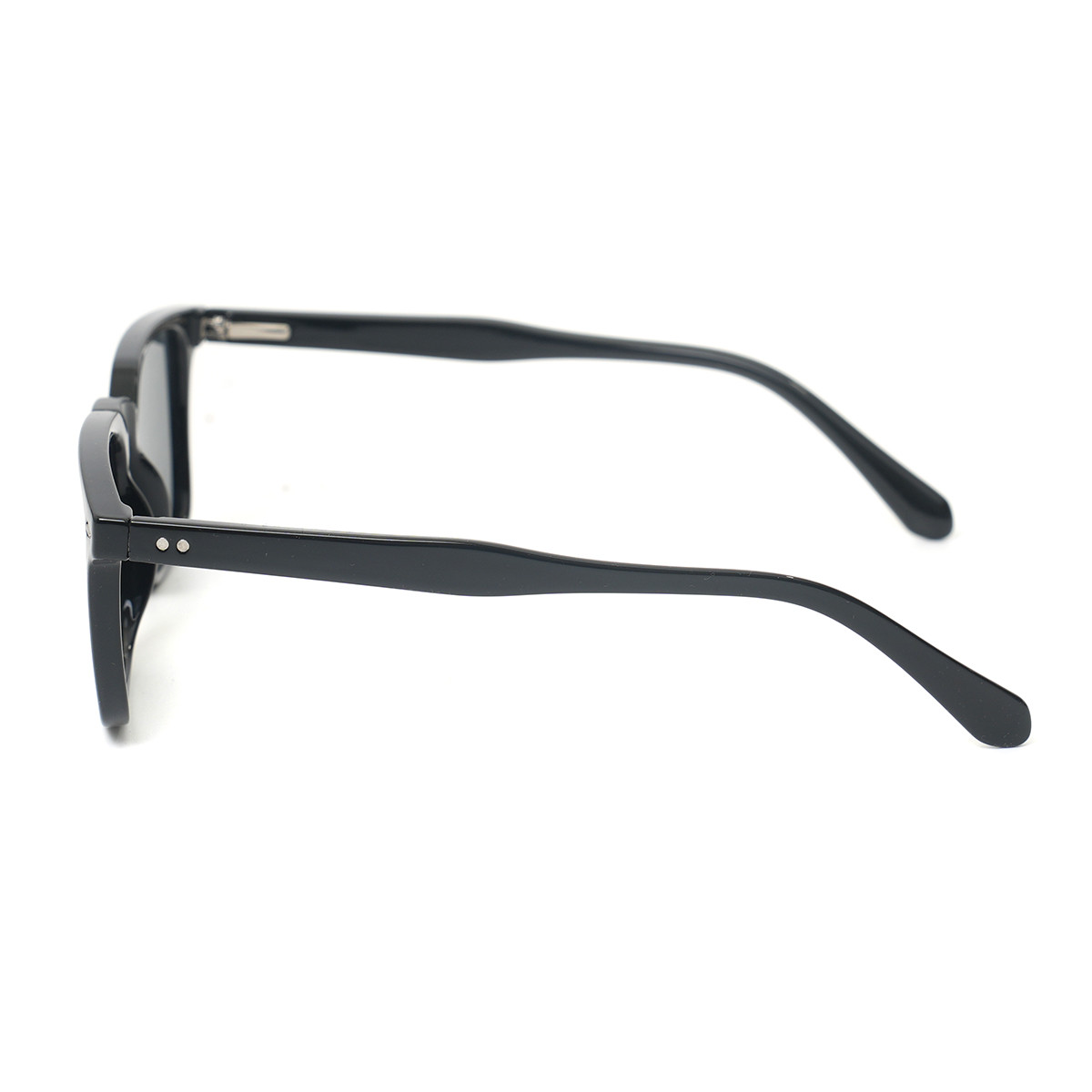
Four cost blocks build the quote. Acetate sheet typically carries 15-25% of unit cost, varying sharply between stock colours and exclusive sheets from named acetate houses. Cutting, milling, tumbling and polishing form the labour block, which scales with front complexity. Hardware - hinges, cores, rivets - is small per pair but swings with quality class. Packaging and the amortised sampling and fixture costs complete the picture. White-label pricing hides all four inside a catalogue number; private-label pricing shows them, which is exactly why it can be negotiated down at volume while white-label prices cannot.
How to Switch from White Label to Private Label Acetate Glasses Without Dead Stock
The low-risk conversion path runs in three moves. First, keep restocking white-label models that sell but do not define the brand. Second, commission private-label versions of your two best sellers - same front family, your exclusive colourway - and introduce them alongside rather than instead of. Third, once the private version proves itself, retire the white-label twin and let the owned colourway inherit the demand. Brands that try to convert their whole line at once end up discounting dead stock; brands that convert their top two SKUs rarely lose a customer in the transition.
Choosing a Private Label Acetate Glasses Manufacturer: 7 Checks Before You Sign
- Tooling ownership clause. Fixtures and cutting programs you fund must be your property, released on request.
- Colourway exclusivity in writing. "Exclusive tortoise" means nothing unless the sheet purchase is contractually locked to your programme.
- Colour tolerance standard. Agree a Delta-E limit and a signed master sample per colourway before mass production.
- Reorder lead time commitment. Private label fails commercially if restock takes longer than your sell-through.
- Declared defect rate and AQL. Acetate polishing and hinge fitting are where factories quietly differ.
- Packaging MOQ. Custom cases and boxes often carry their own minimums - know them before the design is approved.
- Sampling fee terms. Whether sample costs convert into the first order or stay sunk - both are common, but surprises are not.
Each check maps to a fuller vetting discipline in the private label eyewear manufacturer checklist - use both together before signing.
Common questions
Can I start private label by only changing the colour?
Yes - colourway exclusivity on an existing front is the most common entry point, and it already separates you from every brand using the stock palette. Shape and hinge customisation can follow once volume justifies the tooling.
Can private label orders be delivered in batches?
Most factories accept split delivery on private-label acetate programmes - for example 40% on order confirmation and the balance over two months - provided the full MOQ is contracted. Confirm batch terms at quotation, not after production.
Who owns the moulds and fixtures?
Whoever paid for them, if the contract says so. Insist on an ownership and release clause; without it, your exclusive design can be quietly reused the day you stop ordering. For the sunglasses side of the same question, see the breakdown of private label versus white label sunglasses.
White label buys speed with anonymity; private label buys permanence with patience - and for private label acetate glasses the sequencing matters more than the choice: prove demand on stock frames, convert winners to owned colourways, and never sign tooling away. When you are ready to fund development, the budget tiers and OEM/ODM paths are laid out in the acetate frame tooling and development cost guide, and the full acetate optical frames catalogue shows the base models most programmes start from. The private label frames programme page covers what a first specification looks like in practice.