 Aviator
 Cat-eye
 Square
 Oval
 Rectangular
 Round
Bulk Acetate Optical Frames: Pricing, MOQ and Quality Checks
Eyewear Buying Guide and Wholesale Knowledge
Bulk acetate frame quotes vary widely for the same-looking product, and the difference is rarely margin greed. It is sheet grade, tooling amortisation, finishing depth and where your order sits in the factory's production calendar.
The Short Answer
Buying bulk acetate optical frames well means quoting in volume tiers, separating ready-goods MOQs from custom-production MOQs, and locking a pre-shipment inspection list before the balance is released. Price per frame falls in steps as quantity rises; quality risk falls only when checks are agreed in writing.
- Sheet material and laminates drive base cost more than frame size or shape.
- Ready goods start at small quantities; custom tooling needs volume to amortise.
- A daylight colour check and a hinge function test catch most batch failures.
What Actually Drives Acetate Frame Pricing
Two quotations for the same silhouette can differ by a wide margin because the cost sits in layers: the sheet, the hardware, the finishing stages, and how the factory spreads its production planning across your volume. A serious supplier breaks the quote into these layers instead of quoting one number.
| Cost driver | What changes | Buyer's question |
|---|---|---|
| Acetate sheet grade | Italian and Japanese sheets cost more than standard sheet; depth and aging stability differ | Which sheet brand is quoted, and is it certified? |
| Laminate and colourway | Transparent and laminated tones need larger batches to keep patterns consistent | Does this colour carry a surcharge or longer lead time? |
| Hardware | Standard hinges versus riveted, spring or special-metal hinges | Is the hinge brand specified in the quote? |
| Finishing depth | Tumbling days, hand-polishing passes and coating layers | How many tumble and polish cycles are included? |
| Order tier | Mould amortisation and planning spread across units | What does the tiered quotation look like at three volumes? |
Ask every shortlisted factory for the same three-tier quotation sheet. Comparing tiers side by side exposes which suppliers plan production around your volumes and which are simply selling spare capacity.
MOQ: Ready Goods Versus Custom Production
The two acetate supply models carry different minimums, and mixing them up is the most common first-order mistake. Ready goods are frames produced ahead in fixed shapes and colours; custom production runs your colour card and branding through cutting, tumbling and polishing specifically for your order.
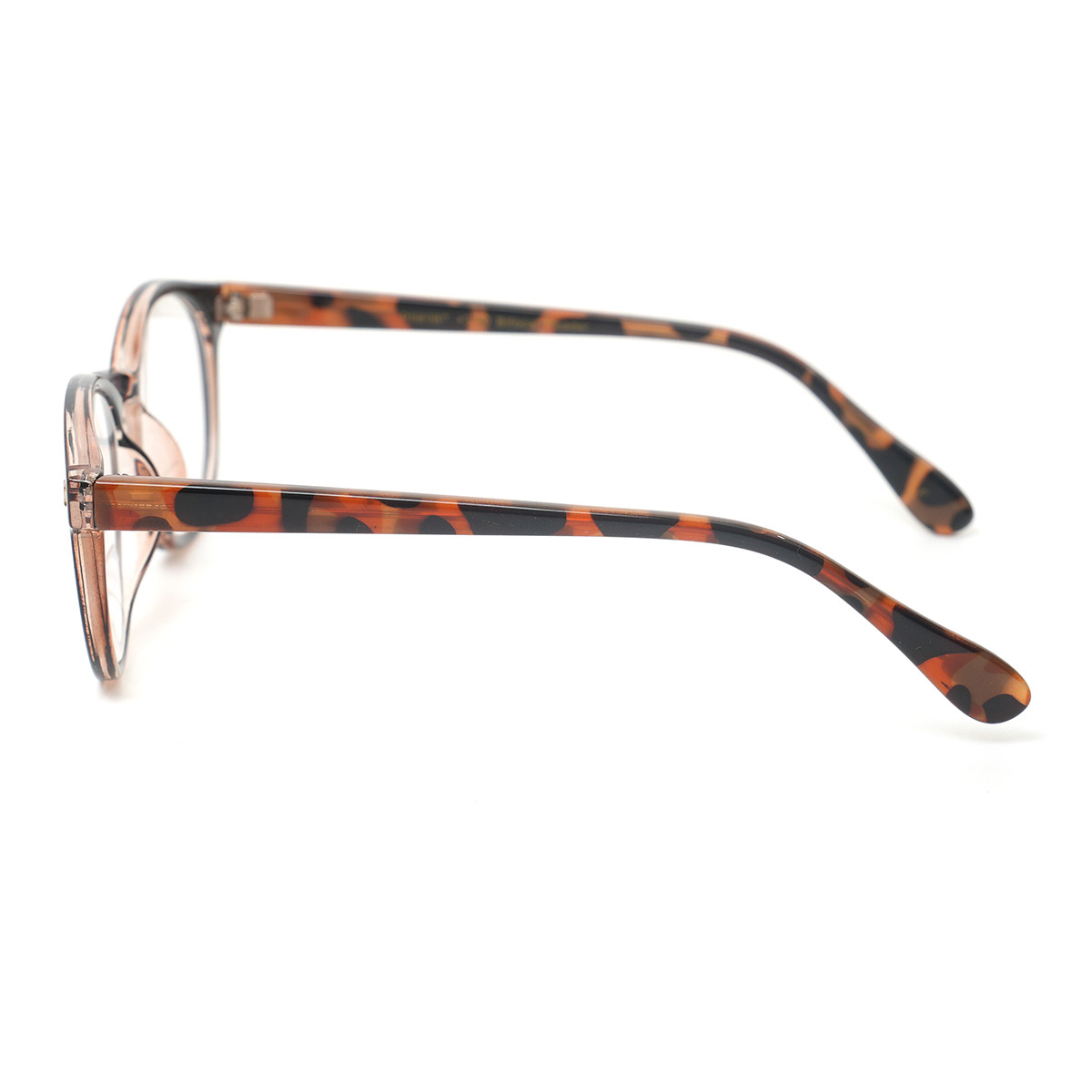
Ready goods
Lowest MOQ and shortest lead time. Shapes and colours are fixed by the factory's stock programme, so it suits first orders and market tests.
Semi-custom
Your logo and colour selection on a proven chassis. Mid-range MOQ; tooling is limited to branding jigs and lens cutting.
Full custom
New moulds and your own colour card. Highest MOQ because tooling and setup spread across the run - and you own the design afterwards.
A practical opening structure mixes the two: ready goods cover the volume basics while the custom programme is sampled and produced, then proven shapes migrate to custom on the reorder. Retailers planning a first order can follow the fuller wholesale acetate buying guide for the assortment side.
Quality Checks Before You Release the Balance
Agree the inspection list before the deposit, not after production. For bulk acetate the sensible set is compact and repeatable, and every item is checked against the approved golden sample rather than against a photo.
- Dimensions. Verify lens size, bridge and temple length against the golden sample on a measured subset of each carton.
- Colour under daylight. Compare frames across the batch under a daylight lamp; acetate patterns vary between sheets, so the sample range is the standard, not one piece.
- Finish surface. Run a fingertip along rims and temples: polishing waves and tumble marks show first on transparent and light tones.
- Hinge and fit. Open-close every hinged pair in the sample, check temple spread and alignment on a flat surface.
- Packing. Inspect case, cloth and carton loading for transit damage risk before the container is sealed.
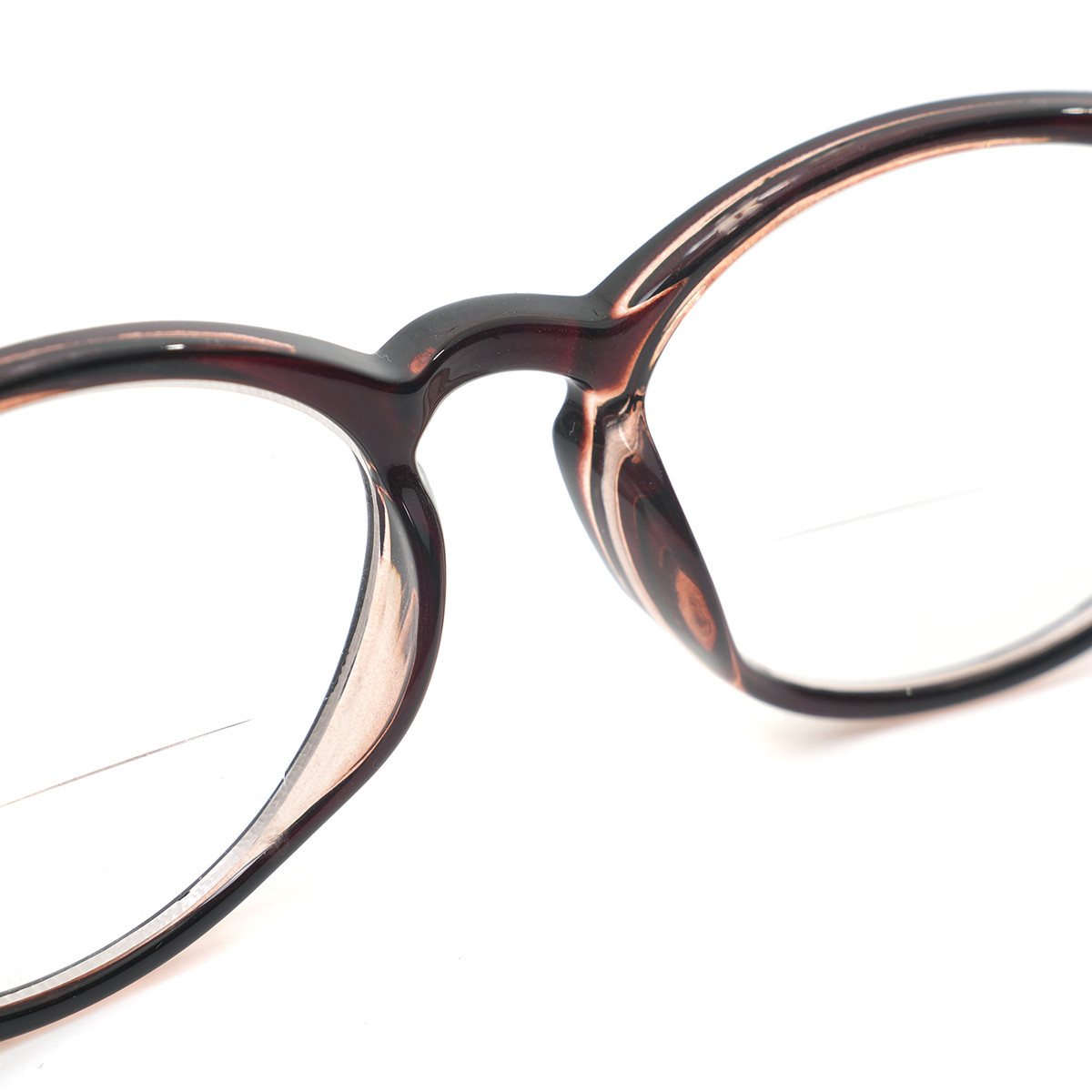
Factories that welcome these checks and show their own inspection records are the ones that keep batches consistent across reorders. When the shortlist is international, the checklist for vetting a China optical frame supplier adds the documentation side.
Inside the Production Run
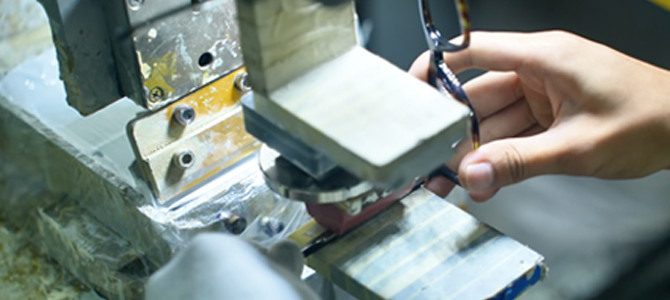
Understanding where handwork enters the line explains most of the price spread. Machine-cut frames leave the mould fast but show it in the finish; frames that pass longer tumbling and hand-polishing carry more labour but arrive with the depth of finish that acetate buyers expect. Neither is wrong - they are simply different products for different shelves, and the factory tour will show you which one you are paying for. The acetate material guide explains how sheet choice shapes that outcome.
Common questions
What quantity counts as a bulk order for acetate frames?
Ready-goods programmes can start at a few dozen pieces per style; custom production typically quotes meaningful tiers from several hundred pieces per colourway, because tumbling and polishing batches are planned around volume.
Why does a transparent colourway cost more than tortoise?
Clear and laminated sheets expose finishing flaws and need larger, more carefully planned batches to keep the pattern consistent across the run.
How do we keep colour consistent across reorders?
Keep an approved physical sample range on file and require every batch to match it under daylight. Sheet patterns vary between production lots, so a range - not a single frame - is the realistic standard. Working with established wholesale acetate frame suppliers makes this easier to enforce.
Bulk buying acetate optical frames is a discipline of layers: price the sheet, hardware and finishing separately, match the MOQ model to your sell-through, and inspect against a golden sample before the balance moves. Shortlist shapes and colour programmes from the acetate optical frames range, then request tiered quotes so the tiers - not the headline price - make the decision.