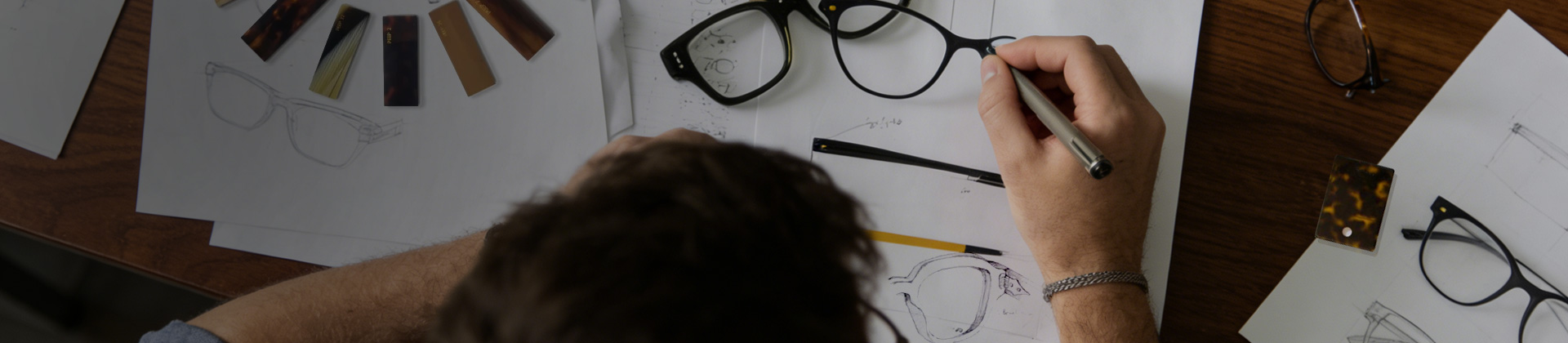
Designed to Reflect You
Global Eyewear Brands’ First Choice in Manufacturing

OEM / ODM Optical Frames

We transform your brand vision into market-ready optical frames with speed, precision, and confidentiality.
Home / OEM ODM Optical Frames

You May Encounter in Optical Frames Sourcing

Long development cycles & high R&D cost

Inconsistent quality & compliance risks

Lack of differentiation

IP & design security concerns

OEM

You Design,
We Manufacture

You provide the design, and we manufacture exactly to your specifications.

Suitable for:

  • Existing established brands and product designs
  • Requires a stable supply chain and high consistency in quality
  • Simply want to "find a reliable factory" to produce the product

Value provided by READSUN:

  • A database of 100+ material and structural compatibility data, ensuring designs can be "made and made consistently"
  • Full traceability of the production process (material batches, test records, factory data)
  • Faster production ramp-up capabilities, shortening time-to-market by 20–30%
  • Dedicated "brand consistency management" helps you achieve consistent quality across different batches

ODM

We Help You Build Products from 0–1

ODM (Original Design Manufacturer) is defined by READSUN as: We provide design, R&D, structure, materials, and complete solutions to help you create your own branded products.

Suitable for:

  • Those who want to create their own brand but lack experience or a design team
  • Those who want to quickly enter the market but are unsure of their product direction
  • Those who want to enter the high-end market with differentiated design and environmentally friendly materials

Value provided by READSUN:

  • A team with 16 years of design experience, specializing in style definition and creating blockbuster structures
  • In-house mold team → reducing development costs for clients by 20–40%
  • Providing product strategy advice (market trends, color predictions, material trends)
  • Support for private labels and serialization development
  • READSUN helps you with design + product development + building your brand foundation

What We Offer in Optical Frame Manufacturing

Professional Design Support

We offer flexible design services, emphasizing speed, differentiation, and market fit.

  • Client-Supplied Designs

    Manufactured strictly to your specifications.

  • Co-creation

    Joint design based on brand DNA and market trends.

  • READSUN Recommended Solutions

    Quickly select market-ready products.

Strict Confidentiality Guarantee

At ReadSun, confidentiality is maintained throughout the entire process from design to production, ensuring the security of your intellectual property and giving you peace of mind when collaborating.

  • End-to-End ConfidentialityDrawings, Molds, Prototyping, Production

  • Confidentiality AgreementEmployee Confidentiality Agreement + Controlled Areas + Unified Handling of Defective Products

  • CommitmentGuarantee that designs are not leaked or imitated

Manufacturing & Supply Chain

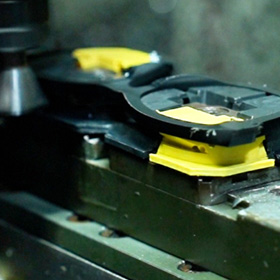
Automated internal processing of sheet metal/ metal / injection molding processes

  • CE/FDA/ISO9001 standards
  • Serving 100+ international brands
  • Fast prototyping (7 days)
  • Digital order tracking

READSUN Optical Frame OEM & ODM Workflow

Brand Input & Feasibility

Market Trends & Material Direction

OEM & ODM Concept Validation

Product Design & Engineering

Structural Optimization & Material Enhancement

Process & Cost Evaluation

Rapid Prototyping

In-House Acetate, Metal & Injection Facilities

Multiple Versions for Color, Material & Process

Structural & Wearing Comfort Evaluation

Mass Production & Quality Control

In-House Acetate, Metal & Injection Molding

CE, FDA & ISO9001 Compliance

Batch Consistency & Digital Production Planning

Delivery & Lifecycle Support

Global Logistics & Full Tracking

Product Lifecycle Management

After-Sales & Quality Support

OEM & ODM
Optical Frames FAQ

  • What does OEM mean in eyewear manufacturing?

    What Does OEM Mean in Eyewear Manufacturing?

    In eyewear manufacturing, OEM stands for Original Equipment Manufacturer. It means the factory produces eyeglass frames according to the buyer's design, specifications, or sample — not the factory's own design. The buyer owns the design, and the finished frames carry the buyer's brand. OEM is the standard model for brands that want full control over shape, material, size, and packaging. READSUN Optical supports OEM eyewear programs for wholesale, private label, and custom projects.

    OEM Eyewear: Definition and Key Features for B2B Buyers

    What does OEM mean in eyewear manufacturing? OEM means the buyer provides the design and the factory produces it. The buyer may supply a sketch, a 3D file, a technical drawing, or a physical reference sample. The factory handles tooling, production, assembly, and quality control.

    The table below outlines the key features of OEM eyewear production.

    Feature What it means
    Design ownership Buyer owns the design; factory produces to specification
    Customization Full — shape, material, size, hinge, logo, packaging
    Exclusivity High — design is unique to the buyer
    Tooling Required — molds, templates, or CNC programs
    MOQ Higher than ODM
    Lead time 45–75 days after sample approval
    Best for Established brands, exclusive collections, signature designs
    OEM custom optical frames from READSUN — produced to the buyer's design with full control over shape, material, and finish. View our custom optical frames.

    This table gives buyers a clear picture of OEM eyewear production. The key point is that the buyer controls the design, and the factory controls the production process.

    What Does OEM Mean in Eyewear Manufacturing: Key Facts for Importers and Brands

    For importers and brands, eyewear OEM is more than a production model. It affects brand identity, exclusivity, and long-term competitiveness. The table below summarizes the key factors buyers should confirm.

    Factor What to check Why it matters
    Design files Sketches, 3D files, tech pack, or reference sample Determines tooling complexity and cost
    Tooling ownership Who owns the mold after production Affects exclusivity and future reorders
    Material specification Acetate, TR90, titanium, stainless steel, or Monel Affects price, durability, and compliance
    Logo application Laser engraving, silk printing, or metal logo plate Affects brand presentation and cost
    Sample approval Pre-production sample stage Ensures design accuracy before mass production
    Compliance Nickel release, CE, FDA, or other market requirements Required for regulated markets
    Packaging Standard export or custom branded Affects brand experience and logistics

    One important point is that what is OEM manufacturer in eyewear is not the same as a trading company. An OEM factory owns the production process — tooling, molding, assembly, and QC. A trading company outsources these steps. For buyers who need consistent quality and design control, working directly with an OEM factory is the better choice.

    Another key point is that glasses OEM programs require clear design files and specifications. Buyers should prepare a tech pack with dimensions, material, color, hinge type, logo position, and packaging requirements. This reduces back-and-forth and speeds up sample approval.

    OEM Eyewear Manufacturing for Wholesale and Custom Programs

    For wholesale and custom programs, OEM eyewear should match the brand's positioning, price point, and target market. Buyers can develop new designs or modify existing ones through OEM.

    Common strategies for eyewear OEM in B2B programs include:

    • Signature collections: Fully custom designs with proprietary tooling.
    • Premium metal lines: Titanium or stainless steel frames with custom hinges.
    • Acetate fashion lines: Custom shapes and color patterns.
    • Kids and sport lines: TR90 or Ultem frames with flex hinges.
    • Asian fit programs: Metal frames with elevated nose pads and wider bridges.
    • Allergy-sensitive markets: Titanium or acetate frames with low nickel release.
    • Logo-focused programs: Custom logo application on temples or frame front.

    Buyers can review OEM & ODM eyewear services for full details, or learn more about our Manufacturing Excellence for production and quality information.

    Custom OEM metal optical frames with clip-on from READSUN — full OEM production with proprietary tooling and brand-exclusive design. View OEM & ODM eyewear services.

    OEM Eyewear: Specifications B2B Buyers Should Confirm

    Before approving a quotation or sample, confirm these specifications:

    • Design files: sketches, 3D files, tech pack, or reference sample.
    • Material: acetate, TR90, Ultem, Optyl, titanium, beta titanium, stainless steel, or Monel.
    • Structure: full rim, semi-rimless, or rimless.
    • Size: lens width, bridge width, temple length, frame width, and lens height.
    • Hinge type: standard, spring, barrel, hidden, integrated, or flex.
    • Logo: laser engraving, silk printing, or metal logo plate.
    • Packaging: standard export packing or custom branded packaging.
    • Compliance: nickel release testing, CE, FDA, or other market requirements.

    OEM Eyewear: MOQ, Lead Time, and Pricing

    MOQ, lead time, and pricing depend on the design complexity, material, and order model. OEM requires tooling investment, which raises MOQ and extends lead time. Stock frames have the lowest MOQ and fastest lead time. ODM programs avoid tooling costs and have lower MOQ.

    Typical OEM lead time is 45–75 days after sample approval. Tooling development adds 15–30 days. Sample development adds 7–14 days. Material also affects cost: acetate, TR90, titanium, and stainless steel have different production processes and price levels.

    For an accurate quotation, share your design files, material, quantity, logo, packaging, and destination market. READSUN will recommend the best production path.

    How READSUN Handles OEM Eyewear Manufacturing

    READSUN Optical is a B2B custom optical frames manufacturer with experience producing OEM eyewear across all major materials. Our process includes design review, tooling development, material selection, production, and AQL inspection.

    We work with acetate, TR90, Ultem, Optyl, titanium, beta titanium, stainless steel, and Monel. Our team supports design development, tooling management, color matching, logo branding, packaging, and compliance documentation. Buyers can review our Manufacturing Excellence for production and quality details.
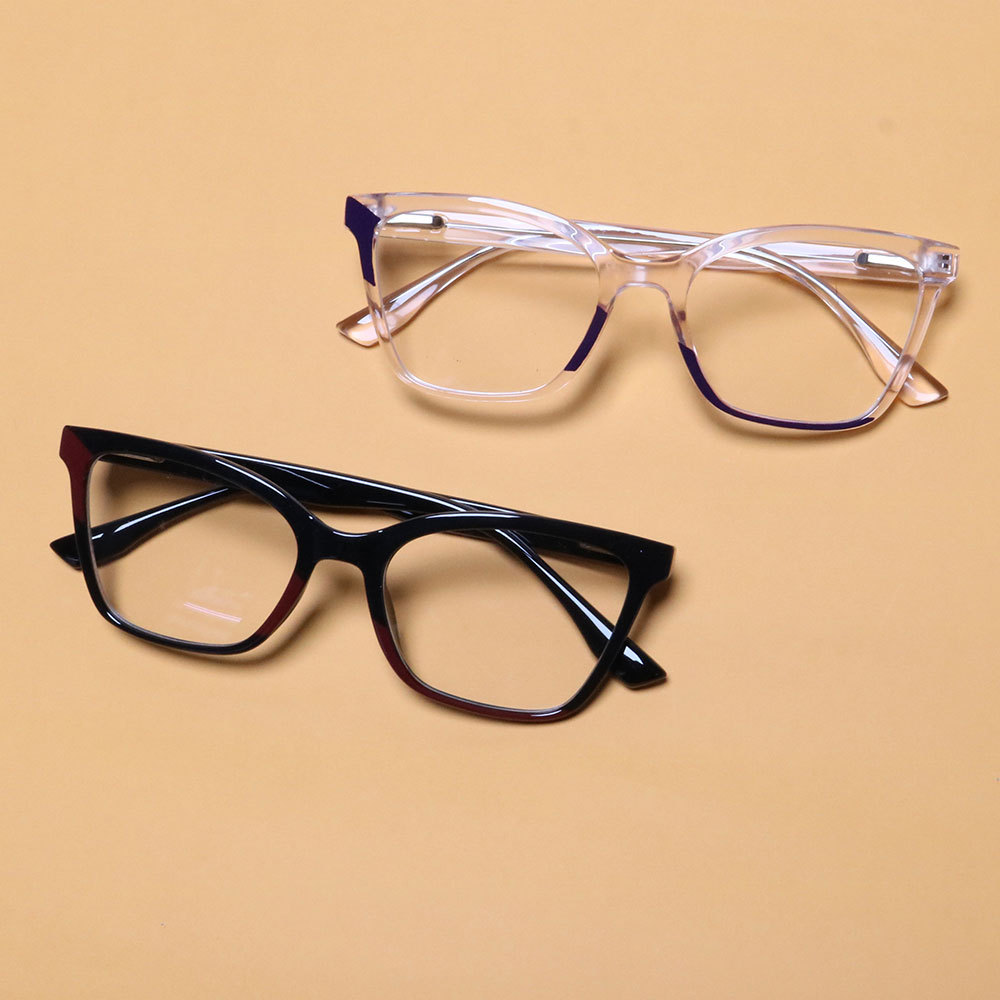
    OEM eyewear production at READSUN — in-house tooling, acetate processing, metal fabrication, and injection molding under one roof. View manufacturing excellence.

    Need OEM eyewear for your brand? Contact READSUN Optical with your design files, material, quantity, and market needs. Our team will recommend the best solution for your program.

    OEM Eyewear FAQ

    What does OEM mean in eyewear manufacturing?

    OEM means Original Equipment Manufacturer. In eyewear, it means the factory produces frames according to the buyer's design, specifications, or sample. The buyer owns the design and the finished frames carry the buyer's brand.

    What is the difference between OEM and ODM in eyewear?

    OEM means the buyer provides the design and the factory produces it. ODM means the factory provides an existing design and the buyer applies their own brand. OEM offers full customization and exclusivity. ODM offers faster launch and lower MOQ.

    What do I need to provide for an OEM eyewear quote?

    Provide sketches, 3D files, a tech pack, or a physical reference sample. Also share material, size, color, hinge type, logo requirements, packaging, quantity, and destination market.

    Who owns the tooling in OEM eyewear production?

    Tooling ownership depends on the agreement. In most OEM programs, the buyer pays for tooling and owns it. Buyers should confirm tooling ownership and reorder terms before production.

    What is the MOQ for OEM eyewear?

    MOQ depends on the design complexity, material, and tooling. OEM MOQ is higher than ODM because of tooling investment. Contact READSUN with your design and quantity for an exact MOQ.

    How long does OEM eyewear production take?

    Typical OEM lead time is 45–75 days after sample approval. Tooling development adds 15–30 days. Sample development adds 7–14 days. Material and design complexity also affect lead time.

    Can READSUN produce OEM eyewear in any material?

    Yes. READSUN produces OEM eyewear in acetate, TR90, Ultem, Optyl, titanium, beta titanium, stainless steel, and Monel. Contact us with your design and quantity for a quotation.

    Request an OEM eyewear quote from READSUN Optical today. Share your design files, material, quantity, and market needs, and our team will recommend the best solution for your program.

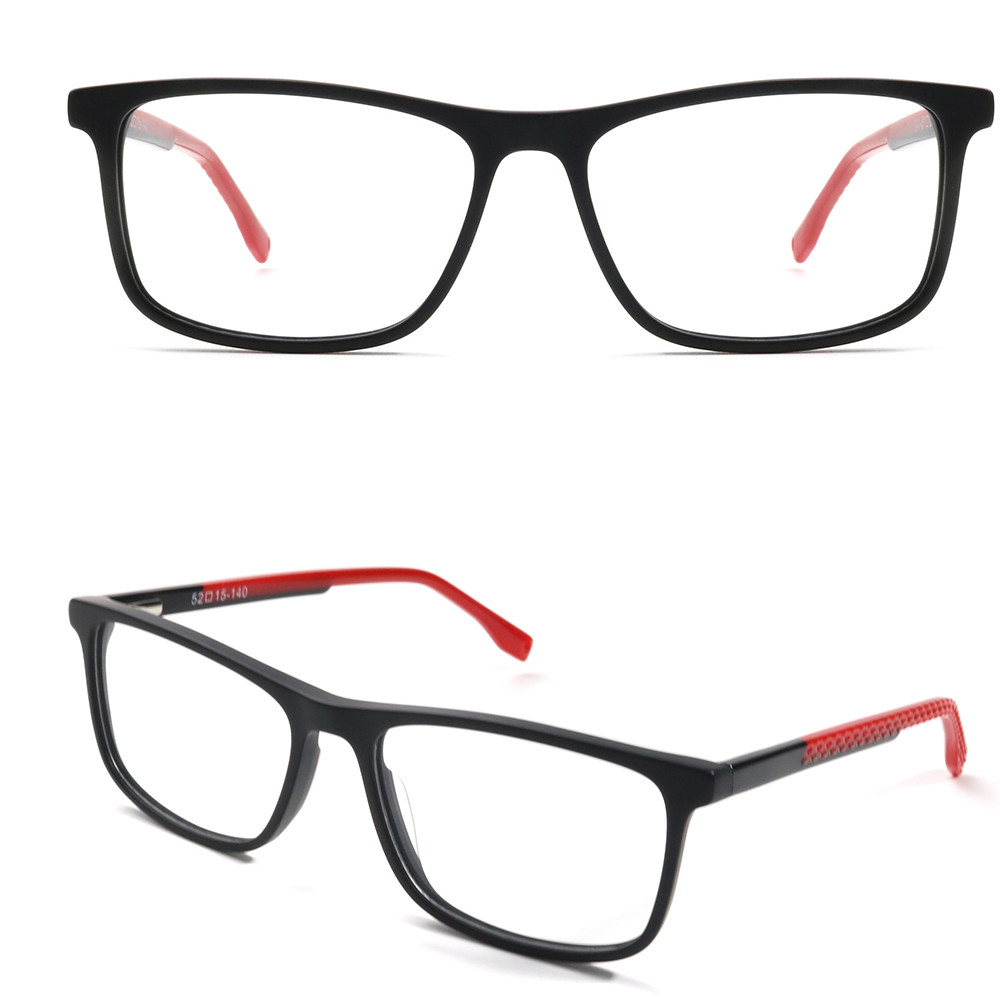
  • What is the difference between OEM and ODM in eyewear?

    What Is the Difference Between OEM and ODM in Eyewear?

    The main difference between OEM and ODM in eyewear is who owns the design. In OEM (Original Equipment Manufacturing), the buyer provides the design, specifications, or sample, and the factory produces it. In ODM (Original Design Manufacturing), the factory provides an existing design or model, and the buyer applies their own brand, logo, and packaging. OEM offers full customization and brand exclusivity. ODM offers faster launch, lower MOQ, and lower development cost. For B2B buyers, the choice affects cost, timeline, exclusivity, and brand identity. READSUN Optical supports both OEM and ODM programs for wholesale, private label, and custom eyewear projects.

    OEM vs ODM Eyewear: Side-by-Side Comparison for B2B Buyers

    What is OEM and ODM in eyewear? Both models are common in the eyewear industry, but they serve different business goals. OEM is for buyers who want full control over design and exclusivity. ODM is for buyers who want to launch quickly with proven designs.

    The table below compares OEM vs ODM eyewear across the factors that matter most to importers and brands.

    Factor OEM ODM
    Design ownership Buyer provides design or sample Factory provides existing design
    Customization Full — shape, material, size, logo, packaging Limited — logo, color, packaging, minor modifications
    Brand exclusivity High — design is unique to the buyer Low — same model may be sold to other buyers
    Development cost Higher — tooling, molds, samples Lower — no tooling required
    MOQ Higher Lower
    Lead time Longer — 45–75 days Shorter — 30–45 days
    Best for Established brands, exclusive collections New brands, quick launches, test markets
    OEM custom optical frames from READSUN — full design control, proprietary tooling, and brand exclusivity. View our custom optical frames.

    This comparison shows the main differences between OEM and ODM eyewear. Buyers should match the model to their brand stage, budget, and timeline.

    Key Differences Between OEM and ODM Eyewear

    Beyond the table, several practical differences affect sourcing decisions and long-term brand strategy.

    Design Ownership and Exclusivity

    In OEM, the buyer owns the design. This means the frame shape, dimensions, and specifications are unique to the brand. Competitors cannot buy the same model. In ODM, the factory owns the design. The same model may be sold to multiple buyers, which reduces exclusivity.

    For brands that rely on distinctive designs, custom optical frames through OEM are the better choice. For brands testing a new market, ODM offers a faster, lower-risk entry.

    Cost Structure and MOQ

    OEM requires tooling, molds, and sample development. These costs add up, especially for complex designs. MOQ is also higher because the factory needs to recover tooling investment. ODM avoids tooling costs and has lower MOQ, which makes it accessible for new brands and small batch orders.

    Buyers can review OEM & ODM eyewear services for detailed cost and MOQ information.

    Timeline and Speed to Market

    OEM takes longer because of design review, tooling, and sample approval. Typical OEM timeline is 45–75 days after sample approval. ODM is faster — 30–45 days — because the design already exists. For brands with tight launch schedules, ODM is often the better choice.

    Customization, Colors, and MOQ

    OEM allows full customization: shape, material, size, hinge type, logo, and packaging. ODM allows limited customization: logo, color, packaging, and minor structural changes. For brands that need a unique product, OEM is the only option. For brands that want a proven model with their logo, ODM is sufficient.

    Brand Positioning and Long-Term Strategy

    OEM is typically used by established brands with a clear identity and a need for exclusivity. ODM is often used by new brands, online sellers, and optical retailers who want to test private label without large investment. Many brands use both: ODM for quick launches and OEM for signature collections.

    ODM optical frames with custom logo from READSUN — proven designs, lower MOQ, and fast launch. View OEM & ODM eyewear services.

    Which Is Better for Your Eyewear Brand: OEM or ODM Eyewear?

    There is no single answer. The right choice depends on your brand stage, budget, timeline, and design needs.

    Common B2B strategies for OEM vs ODM eyewear include:

    • New brands: Start with ODM to test the market with lower investment.
    • Established brands: Use OEM for signature collections and exclusivity.
    • Online sellers: Use ODM for fast launch and low MOQ.
    • Optical retailers: Use ODM for private label programs and OEM for premium lines.
    • Premium brands: Use OEM with custom tooling and exclusive designs.
    • Mixed strategy: Combine both — ODM for volume, OEM for brand identity.

    Buyers can review custom optical frames for OEM options, or learn more about our Manufacturing Excellence for production and quality details.

    OEM vs ODM Eyewear: Specifications B2B Buyers Should Confirm

    Before approving a quotation or sample, confirm these specifications:

    • Model: OEM (buyer design) or ODM (factory design).
    • Design files: sketches, 3D files, or reference samples for OEM.
    • Material: acetate, TR90, Ultem, titanium, beta titanium, or stainless steel.
    • Logo: laser engraving, silk printing, metal logo plate.
    • Packaging: standard export packing or custom branded packaging.
    • MOQ: per model, material, and color.
    • Lead time: stock, ODM, or OEM timeline.
    • Compliance: nickel release testing, CE, FDA, or other market requirements.

    OEM vs ODM Eyewear: MOQ, Lead Time, and Pricing

    MOQ, lead time, and pricing depend on the model, material, and order type. ODM has lower MOQ and faster lead time because the design already exists. OEM has higher MOQ and longer lead time because of tooling and sample development.

    Typical ODM lead time is 30–45 days after sample approval. OEM lead time is 45–75 days. Stock frames with standard designs are 7–15 days. Custom tooling for OEM adds 15–30 days to the timeline.

    For an accurate quotation, share your target model, design files or reference samples, material, quantity, logo, packaging, and destination market. READSUN will recommend the best production path.

    How READSUN Produces Both OEM and ODM Eyewear at Scale

    READSUN Optical is a B2B custom optical frames manufacturer with experience producing both OEM and ODM programs. Our process includes design review, tooling development, material selection, production, and AQL inspection.

    We work with acetate, TR90, Ultem, Optyl, titanium, beta titanium, and stainless steel. Our team supports design development, color matching, logo branding, packaging, and compliance documentation. Buyers can review our Manufacturing Excellence for production and quality details.

    OEM and ODM eyewear production at READSUN — in-house tooling, acetate processing, metal fabrication, and injection molding under one roof. View manufacturing excellence.

    Need both OEM and ODM for your brand? Contact READSUN Optical with your target model, design files, quantity, and market needs. Our team will recommend the best solution for your program.

    OEM vs ODM Eyewear FAQ

    What is the difference between OEM and ODM in eyewear?

    OEM means the buyer provides the design and the factory produces it. ODM means the factory provides an existing design and the buyer applies their own brand. OEM offers full customization and exclusivity. ODM offers faster launch and lower MOQ.

    Which is better, OEM or ODM eyewear?

    It depends on your brand stage and goals. ODM is better for new brands and quick launches. OEM is better for established brands that need exclusive designs and full customization.

    What is the MOQ for OEM vs ODM eyewear?

    ODM has lower MOQ because no tooling is required. OEM has higher MOQ because of tooling and sample development costs. Exact MOQ depends on the material, design complexity, and order model.

    How long does OEM vs ODM take?

    ODM takes 30–45 days after sample approval. OEM takes 45–75 days because of tooling and design development. Custom tooling adds 15–30 days to the OEM timeline.

    Can I use my own logo with ODM frames?

    Yes. ODM supports logo customization through laser engraving, silk printing, or metal logo plates. Color and packaging can also be customized.

    Can I switch from ODM to OEM later?

    Yes. Many brands start with ODM to test the market and move to OEM for signature collections. READSUN supports both models and can help you plan the transition.

    Can READSUN produce both OEM and ODM eyewear?

    Yes. READSUN produces both OEM and ODM eyewear across acetate, TR90, Ultem, titanium, beta titanium, and stainless steel. Contact us with your target model and quantity for a quotation.

    Request an OEM or ODM eyewear quote from READSUN Optical today. Share your target model, design files, quantity, and market needs, and our team will recommend the best solution for your program.

  • Can eyeglass frame colors be customized for wholesale orders?

    Can Eyeglass Frame Colors Be Customized for Wholesale Orders?

    Yes, eyeglass frame colors can be customized for wholesale orders. Acetate frames support the widest range of color options — including solid, transparent, tortoiseshell, two-tone, and layered patterns. Metal frames can be customized through plating and coating colors. For B2B buyers, color customization is one of the fastest ways to differentiate a collection and build brand identity. READSUN Optical supports color development across acetate, TR90, metal, and titanium frames for wholesale, private label, and OEM/ODM programs.

    Custom Eyeglass Frame Colors: Definition and Key Features for B2B Buyers

    Can eyeglass frame colors be customized for wholesale orders? Color customization means producing frames in non-standard colors or patterns that match your brand palette. Unlike stock colors, custom colors require color matching, material sourcing, and often a higher MOQ.

    The table below compares the main custom eyeglass frame colors options by material.

    Material Color options Customization method Best for
    Acetate Solid, transparent, tortoiseshell, two-tone, layered, gradient Sheet or block sourcing; color matching to Pantone Fashion brands, premium collections, signature patterns
    TR90 / Ultem Solid, transparent, dual-color injection Color masterbatch; in-mold integration Sport, kids, lightweight collections
    Metal (stainless steel, Monel) Gold, silver, rose gold, gunmetal, black, custom plating Electroplating; PVD coating Professional, premium, minimalist lines
    Titanium Natural silver, gold, blue, purple, black Anodizing; vacuum coating High-end, hypoallergenic, lightweight frames
    Custom acetate frame color swatches for wholesale eyewear orders
    Custom acetate frame color swatches — READSUN supports color matching to your brand palette. View our custom optical frames for color options.

    This comparison shows the main eyeglass frame colors wholesale options. Buyers can combine colors with shapes and materials to build a collection that stands out in the market.

    Custom Eyeglass Frame Colors: Key Facts for Importers and Brands

    For importers and brands, acetate frame color customization affects brand identity, market positioning, and inventory planning. The table below summarizes the key factors buyers should confirm.

    Factor What to check Why it matters
    Color reference Pantone code, physical sample, or reference frame Ensures color accuracy across production batches
    Material compatibility Acetate, TR90, metal, or titanium Not all colors work in all materials
    MOQ per color Minimum quantity for each custom color Affects total order cost and flexibility
    Color fastness UV resistance, sweat resistance, fading test Prevents returns from color fading
    Finish Matte, glossy, soft-touch, or textured Affects perceived quality and brand feel
    Pattern options Tortoiseshell, two-tone, gradient, layered Creates signature visual identity
    Sample lead time Time to produce color samples Affects overall development timeline
    Compliance Nickel release testing for metal colors Required for EU and regulated markets

    One important point is that custom frame colors are not just about aesthetics. Color affects perceived quality, brand recognition, and customer loyalty. A signature color or pattern can become a brand asset that customers associate with your collection.

    Another key point is that tortoiseshell optical frames and layered acetate patterns are among the most popular custom color requests. These patterns are created at the acetate sheet level, not through surface printing. This means the color runs through the entire frame, so it will not fade or chip.

    Custom Eyeglass Frame Colors for Wholesale and Custom Programs

    For wholesale and custom programs, color customization should match the frame material, target market, and brand identity. Buyers can choose from stock color options or develop custom colors through OEM.

    Common strategies for eyeglass frame colors wholesale in B2B programs include:

    • Signature brand colors: Custom Pantone-matched acetate for brand recognition.
    • Seasonal collections: Trend-driven colors for spring/summer or autumn/winter launches.
    • Tortoiseshell variations: Classic brown, amber, or modern colored tortoiseshell patterns.
    • Transparent and crystal colors: Clear, smoke, champagne, or pastel transparent acetate.
    • Two-tone and layered designs: Front and temple in different colors for visual contrast.
    • Metal plating colors: Gold, rose gold, gunmetal, or matte black for metal frames.
    • Kids and sport colors: Bright, vibrant TR90 colors for younger customers.

    Buyers can review custom optical frames for color options, or learn more about our OEM & ODM eyewear services for custom color development.

    Tortoiseshell and layered acetate optical frames with custom colors
    Tortoiseshell and layered acetate optical frames — READSUN produces custom color patterns for wholesale and private label collections.

    Can Eyeglass Frame Colors Be Customized for Wholesale Orders: Specifications B2B Buyers Should Confirm

    Before approving a quotation or sample, confirm these specifications:

    • Color reference: Pantone code, physical sample, or reference frame.
    • Material: acetate, TR90, Ultem, metal, or titanium.
    • Finish: matte, glossy, soft-touch, or textured.
    • Pattern: solid, transparent, tortoiseshell, two-tone, gradient, or layered.
    • MOQ per color: minimum quantity for each custom color.
    • Color fastness: UV and sweat resistance test results.
    • Compliance: nickel release testing for metal colors.
    • Packaging: standard export packing or custom branded packaging.

    Can Eyeglass Frame Colors Be Customized for Wholesale Orders: MOQ, Lead Time, and Pricing

    MOQ, lead time, and pricing depend on the material, color complexity, and order model. Stock colors have the lowest MOQ and fastest lead time. Custom acetate colors require a higher MOQ because of sheet or block sourcing. Custom metal plating also carries higher MOQ.

    Typical lead time for stock colors is 7–15 days. ODM orders with custom colors take 30–45 days after sample approval. Full OEM color development may take 45–75 days. Color sample development adds 7–14 days to the production schedule.

    For an accurate quotation, share your target color reference, material, quantity, finish, and destination market. READSUN will recommend the best production path.

    How READSUN Handles Custom Eyeglass Frame Colors

    READSUN Optical is a B2B custom optical frames manufacturer with experience producing custom colors across all major materials. Our process includes color matching, material sourcing, production, and color fastness testing.

    We work with acetate, TR90, Ultem, Optyl, titanium, beta titanium, stainless steel, and Monel. Our team supports color development, pattern design, finish selection, and compliance documentation. Buyers can review our Manufacturing Excellence for production and quality details.

    Custom eyewear color development and color matching at READSUN
    Custom eyewear color development at READSUN — from Pantone matching to production-ready color samples.

    Need custom colors for your eyeglass frames? Contact READSUN Optical with your target color reference, material, quantity, and market needs. Our team will recommend the best solution for your program.

    Custom Eyeglass Frame Colors FAQ

    Can eyeglass frame colors be customized for wholesale orders?

    Yes. Acetate frames support the widest range of custom colors and patterns. Metal frames can be customized through plating colors. TR90 and titanium also support custom color options.

    What color options are available for acetate frames?

    Acetate supports solid, transparent, tortoiseshell, two-tone, gradient, and layered patterns. Custom colors can be matched to Pantone references or physical samples.

    Can I get custom frame colors in small quantities?

    MOQ depends on the material and color. Stock colors have lower MOQ. Custom acetate colors require a higher MOQ because of sheet sourcing. Contact READSUN for exact MOQ.

    How long does custom color development take?

    Color sample development typically takes 7–14 days. Full production with custom colors adds 30–45 days after sample approval. Metal plating and titanium anodizing may take longer.

    Do custom colors fade over time?

    Acetate colors run through the entire material, so they do not fade or chip like surface-painted colors. Metal plating can wear over time, so buyers should confirm plating thickness and salt spray test results.

    Can I mix custom colors in one order?

    Yes. READSUN supports mixed-color orders. MOQ is calculated per color and model. Contact us with your target color mix and quantity for an exact MOQ.

    Can READSUN match my brand Pantone color?

    Yes. READSUN supports Pantone color matching for acetate, TR90, and metal frames. Share your Pantone reference or physical sample for color development.

    Request a custom color eyeglass frame quote from READSUN Optical today. Share your target color reference, material, quantity, and market needs, and our team will recommend the best solution for your program.

  • How strong is your design capability?
    READSUN combines innovative materials, precision engineering, and fashion trend analysis to produce high-quality and market-relevant optical frames.
  • Can you support seasonal highlights and children’s lines in a collection?
    Yes. READSUN supports full-collection development including core styles, seasonal highlights, and children’s lines.
  • Can you adjust designs to fit different price tiers?
    Yes. READSUN adapts material thickness, hinge structure, finishing processes, and packaging to match different retail price segments.

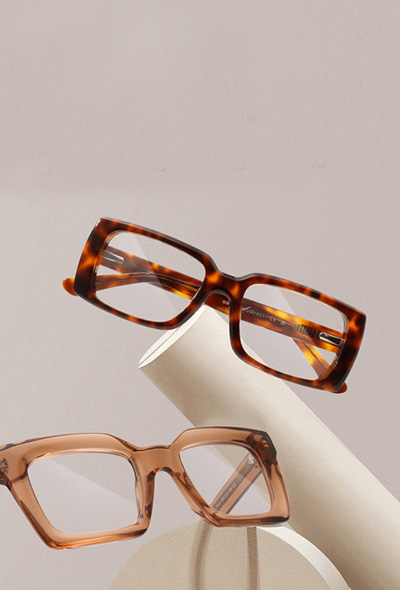
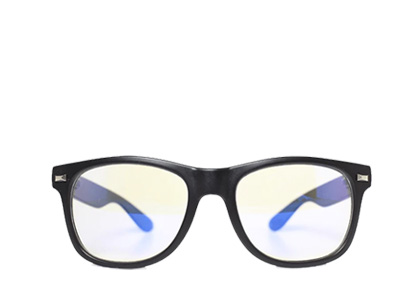
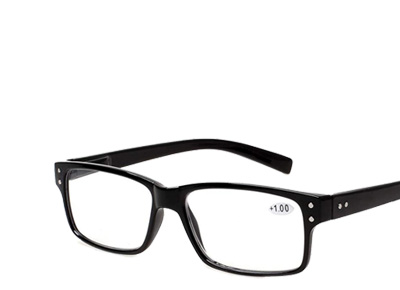
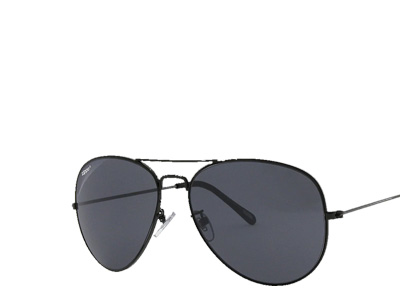
Recommended Optical Frames & Eyeglasses

Optical Frame

Rapid prototyping solves the problems of long R&D cycles and product homogenization.

Blue Light Blocking Glasses

Reading Glasses

Sunglasses

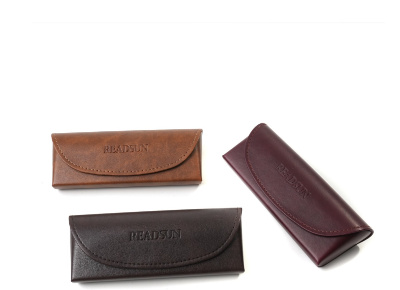
Eyeglasses Accessories & Packaging

Trusted by Global Brands

Get Your Exclusive Resources Now

To help brand clients quickly validate product quality and capture market trends, we offer exclusive benefits to our major clients:
Free catalog + sample frames
Free selection of samples for you to quickly experience ReadSun product quality
Support for multiple material and style options to aid product decision-making
Bestselling product list
Sharing the top 10 best-selling products in the market and providing the latest market intelligence
Free shipping on your first order, or receive free eyewear accessories

Get a Quick Quote

Please fill in the information below. We will contact you within 1–3 business days and provide you with a personalized product catalog, sample frames, or a list of best-selling items. We promise to keep your information strictly confidential and use it only for resource delivery and subsequent communication.
  • Contact Us
    • *Email
      *Full Name
      *Phone