 Aviator
 Cat-eye
 Square
 Oval
 Rectangular
 Round
Acetate Frame Tooling and Development Cost: OEM vs ODM Paths for a 2027 Launch
Eyewear Manufacturing and OEM/ODM Guide
Every 2027 launch budget meeting starts with the same confusion: which numbers are one-time investments and which repeat with every pair? Acetate tooling sits right on that line, and the OEM-versus-ODM choice decides which side of it your money lands on.
The Short Answer
For acetate frame tooling, OEM means you fund the moulds, fixtures and development work and own the result; ODM adapts the factory's existing tooling to your brand and cuts upfront development spend by roughly 60-80%. Most first collections blend both: ODM for speed-critical models, OEM for the one or two frames that define the brand.
- Acetate rarely needs a steel mould - CNC fixtures and forming tools do most of the work.
- ODM adaptation covers colour, logo, temples, hardware and packaging, not the front geometry.
- Budget in three tiers: trial, core and hero - each with a different tooling footprint.
What Does Acetate Frame Tooling Actually Involve?
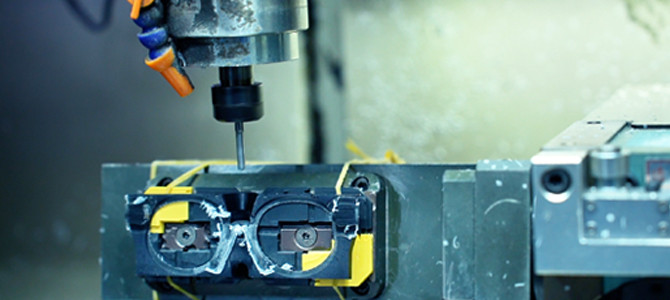
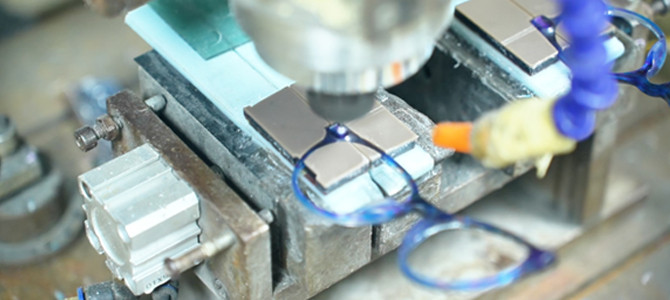
The word "tooling" makes buyers picture a steel mould and a five-figure invoice. Acetate mostly escapes that. Because the material arrives as sheets and blocks, the factory shapes it by cutting, milling and forming rather than injection - so the tooling bill is a bundle of fixtures, not a single mould.
CNC Moulds, Blocks and Fixtures for Acetate Frames
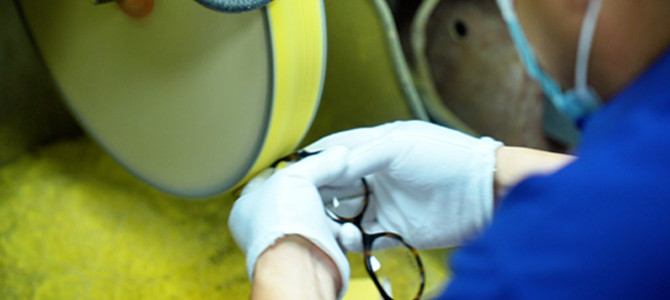
A typical acetate development set includes CNC profiling fixtures that hold each rim shape, hot-bending tools that curve temples and bridge forms, hinge-slot jigs that position the hardware recesses, and polishing fixtures that keep tumbling consistent across batches. Each item is cheaper than an injection mould, but each is specific to one front shape - which is why adding a new rim geometry costs far more than adding a new colour.
When Acetate Frames Need No Steel Mould at All
Below roughly 300 pairs per model, most factories machine acetate fronts directly from block material with CNC and hand finishing, skipping dedicated tooling entirely. You pay per-unit machining time instead of a tooling fee. The trade-off is repeatability: reorder matching depends on keeping the same fixtures and cutting programs archived, which is exactly what a disciplined factory does and a casual workshop does not.
OEM vs ODM Acetate Frames: Cost, Speed and IP Ownership Compared
| Dimension | OEM (your design) | ODM (factory base model) |
|---|---|---|
| Upfront development | Fixtures, samples and engineering hours funded by you | Minimal - existing tooling, adaptation only |
| Typical lead time to first batch | 90-120 days including sampling rounds | 30-45 days |
| MOQ | 300-600 pairs per model | Often from 100-300 pairs |
| Exclusivity | Full - front geometry, colourway and tooling are yours | None on the base model; your colour and logo combo can be contractually locked |
| Later modification | Free within your own tooling | Limited to what the base fixtures allow |
| IP ownership | You own the design and tooling output | Factory retains the base design |
The deeper mechanics behind each path - sampling, certification, contract terms - are covered in the general guide to OEM and ODM optical frames. If you are still deciding which path fits your brand stage, the decision criteria are laid out in how to choose between OEM and ODM.
ODM Acetate Sunglasses: How to Adapt an Existing Model for Your Brand
ODM is not "buying stock with your logo on it". A proper ODM adaptation re-engineers an existing base model around your brand's identity while keeping the proven front geometry. On laminated one-piece acetate frames, the front stays, everything visible around it changes.
What Can Be Changed on ODM Laminated One-Piece Acetate Glasses
Five levers move freely: the acetate colourway (any sheet the factory can source), lens grade and tint, temple tips and end-piece details, metal hardware such as cores and hinges, and the packaging system. What does not move is the front's outline and milling pattern - that is baked into the existing fixtures. This is precisely the division of control that separates white-label from private-label programmes, explained further in the comparison of private label and white label sunglasses.
A Realistic Development Budget for a 2027 Acetate Frame Launch
- Trial tier - around USD 10,000 all-in. Two to three ODM adaptations in stock acetate colours, sampling included, first batch 300-500 pairs total. Deliverables: sales-ready frames, your logo on temples and packaging, no owned tooling.
- Core tier - around USD 30,000. One or two OEM fronts with full fixture sets, plus ODM fill-ins. Deliverables: owned front designs, exclusive colourways, sample rounds and a 600-1,000 pair first production run.
- Hero tier - USD 80,000 and up. A seasonal collection of 4-6 OEM models with bespoke hinges, laminations and packaging. Deliverables: a defensible design language competitors cannot order from a catalogue.
Each tier also carries the recurring costs that repeat per pair - sheet material, hardware, polishing labour and packaging - which follow the same structure as the general optical frame manufacturing cost breakdown. Tooling is the one-off part; unit economics are decided separately.
How Many SKUs Should a First Acetate Frame Collection Include?
Three to six models in two to three colourways each is the disciplined answer. Fewer than three models and buyers cannot read a "brand" from the display; more than six and a first-time programme splits its tooling budget too thin and strands capital in slow colours. Weight the mix one hero OEM front against two to four ODM adaptations - the hero earns the brand story, the ODM row fills the price ladder while you learn what sells.
Reducing Acetate Frame Development Cost Without Cutting Quality
Four levers cut budget without touching the product: share temple designs and hardware across models so fixtures serve several fronts; concentrate colourways on sheets the factory already stocks; reuse your packaging system season over season; and where exclusivity matters less, run two models on one shared front with different colourways. What you should never cut is sampling rounds and the pre-shipment inspection - both are the cheap insurance on everything above. Choosing a partner who documents these steps is covered in the guide to choosing an acetate eyewear manufacturer.
Common questions
If I change one detail of my design, do I need new tooling?
Depends where the detail lives. Colour, logo and temple tips change freely. Anything touching the front outline, rim milling or hinge positions re-cuts fixtures - usually a partial fixture update, not a full rebuild, but always a new sampling round.
How long does acetate frame development actually take?
ODM adaptation runs 30-45 days to first batch. OEM typically takes 90-120 days: drawing, fixture cutting, two or three sample rounds, then production. Factories quoting under 60 days for full OEM are skipping sampling rounds you will regret.
Who owns the tooling, and can I take it to another factory?
Ownership is what you pay for and what the contract says. When you fund tooling, insist on a clause stating the fixtures and cutting programs are your property and are released on request. Without that clause, your "exclusive" frame is exclusive only while you keep ordering.
Acetate development is friendlier than its reputation: no steel mould for most programmes, ODM savings of 60-80% where speed matters, and a clear three-tier budget for 2027 launches. The next decision - who controls colour, shape and packaging - is laid out in the private label manufacturer checklist, and the full acetate optical frames range shows what both OEM and ODM paths can start from.