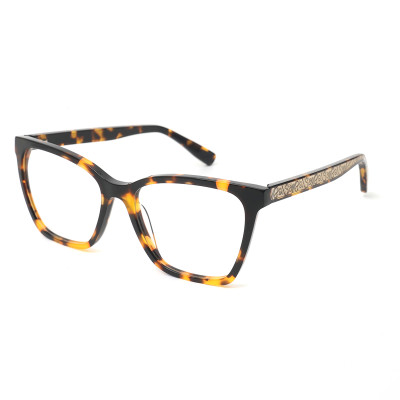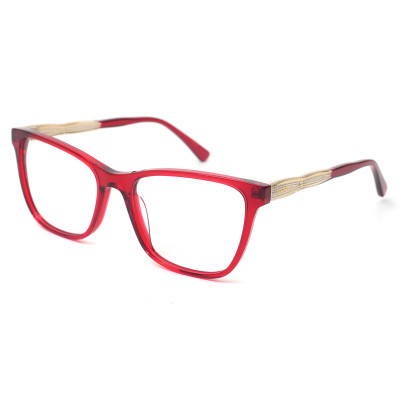
 Aviator
 Cat-eye
 Square
 Oval
Oval Rectangular
 Round
RoundPrivate Label Eyewear Manufacturer Checklist: 12 Things to Check Before You Sign
1. Verify They Are a Real Factory, Not a Trading Company
Some suppliers call themselves "manufacturers" but are just trading companies with no production control. Ask for factory location, production line photos, and video tours. If they dodge verification or refuse a video call, walk away.
2. Check ISO 9001 Certification
ISO 9001 means the factory has documented quality management systems — standard procedures for production, inspection, and continuous improvement. Without it, you have no guarantee of consistent output.
3. Confirm FDA Registration for US Market Entry
Sunglasses are Class I medical devices under FDA regulations. Your manufacturer must be FDA-registered if you plan to sell in the US. Ask for their FDA registration number and verify it.
4. Demand CE Certification for European Markets
For EU-bound products, sunglasses must carry CE marking backed by EN ISO 12312-1 test reports. A compliant private label eyewear manufacturer will provide these documents without hesitation.
5. Request BSCI or SEDEX Social Compliance Audits
BSCI and SEDEX audits confirm the factory meets ethical production standards. Major retailers and distributors require this. If your manufacturer cannot produce these reports, your wholesale channels will be limited.
6. Test Lens Quality with Third-Party Lab Reports
UV400 claims, polarization, and impact resistance must be backed by independent lab data. Never trust in-house certificates alone. Ask for third-party reports and verify the lab accreditation.
7. Order Samples Before You Commit to Bulk
Never skip sampling. Pre-production samples typically cost $50–$350 each. Test frame alignment, lens clarity, hinge function, logo accuracy, and packaging integrity. Quality cannot be assessed from a catalogue.
8. Understand MOQ — and Ask About Flexibility
MOQ varies by material and customization level: injection models may require 300–500 pairs, while stock-frame customization can start at 100–300. A manufacturer with flexible MOQ policies for trial orders is worth more than one with rigid minimums.
9. Compare Sample Lead Time and Production Lead Time Together
A supplier may quote low prices but take 60–90 days for samples and production. Ask for both timelines upfront. If they cannot give you realistic estimates, that is a red flag.
10. Review Their Quality Control Process
Ask what in-line inspections they perform. Frame alignment, lens UV transmission, hinge durability, and packaging checks should be standard. A zero rejection rate is a red flag — not a reassurance.
11. Protect Your Intellectual Property
IP leakage is a real risk with overseas manufacturers. Sign a non-disclosure agreement before sharing designs. Ask how they protect your molds and exclusive frame designs.
12. Test Communication Before You Commit
Can they give you accurate, timely information in clear English? Response times under 3 hours and clear, practical answers to technical questions are strong indicators of a reliable partner. Vague answers or overpromised timelines are warning signs.
Red Flags to Avoid
Refuses video calls or factory tours
Cannot produce ISO, FDA, CE, or BSCI documentation
Pressures you to pay immediately
Provides ambiguous "certificates" without lab headers
Overpromises on delivery timelines
Cannot explain their QC process in practical terms
Work with READSUN: A Private Label Eyewear Manufacturer Trusted by 100+ Global Brands
At READSUN, we are not a trading company — we are a fully integrated manufacturer with our own production facility, in-house R&D team, and dedicated design studio. We hold ISO 9001, FDA, CE, UKCA, BSCI, SEDEX, GRS, and INTERTEK certifications. Our flexible MOQs accommodate brands at every stage, and our quality control ensures every pair meets international standards.
Whether you are a retailer, distributor, or emerging brand, we have the capacity and expertise to deliver.
[Contact READSUN today] to start your private label eyewear project.