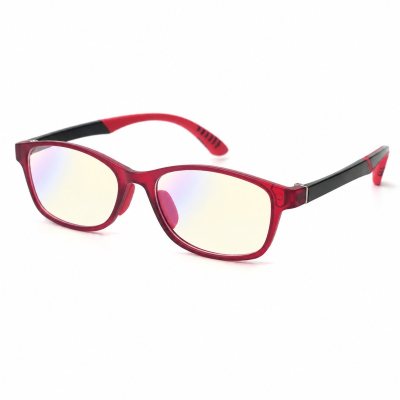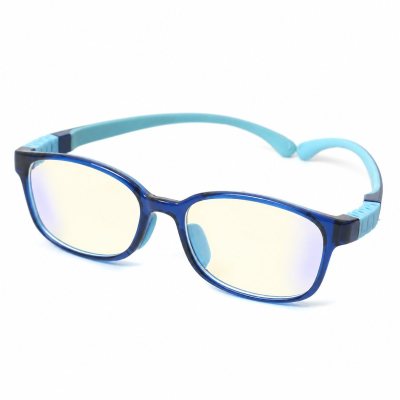
 Aviator
 Cat-eye
 Square
 Oval
 Rectangular
 Round
Inside the Booth: What Really Happens in a First Meeting With an Eyewear Supplier
Three days at the Hong Kong Optical Fair produce a lot of handshakes. Our new business team at Booth 1C-E18 met brand owners, importers and optical retailers from the first hour to the last, and by the end of the show the counter looked less like a display and more like a rotating meeting room.
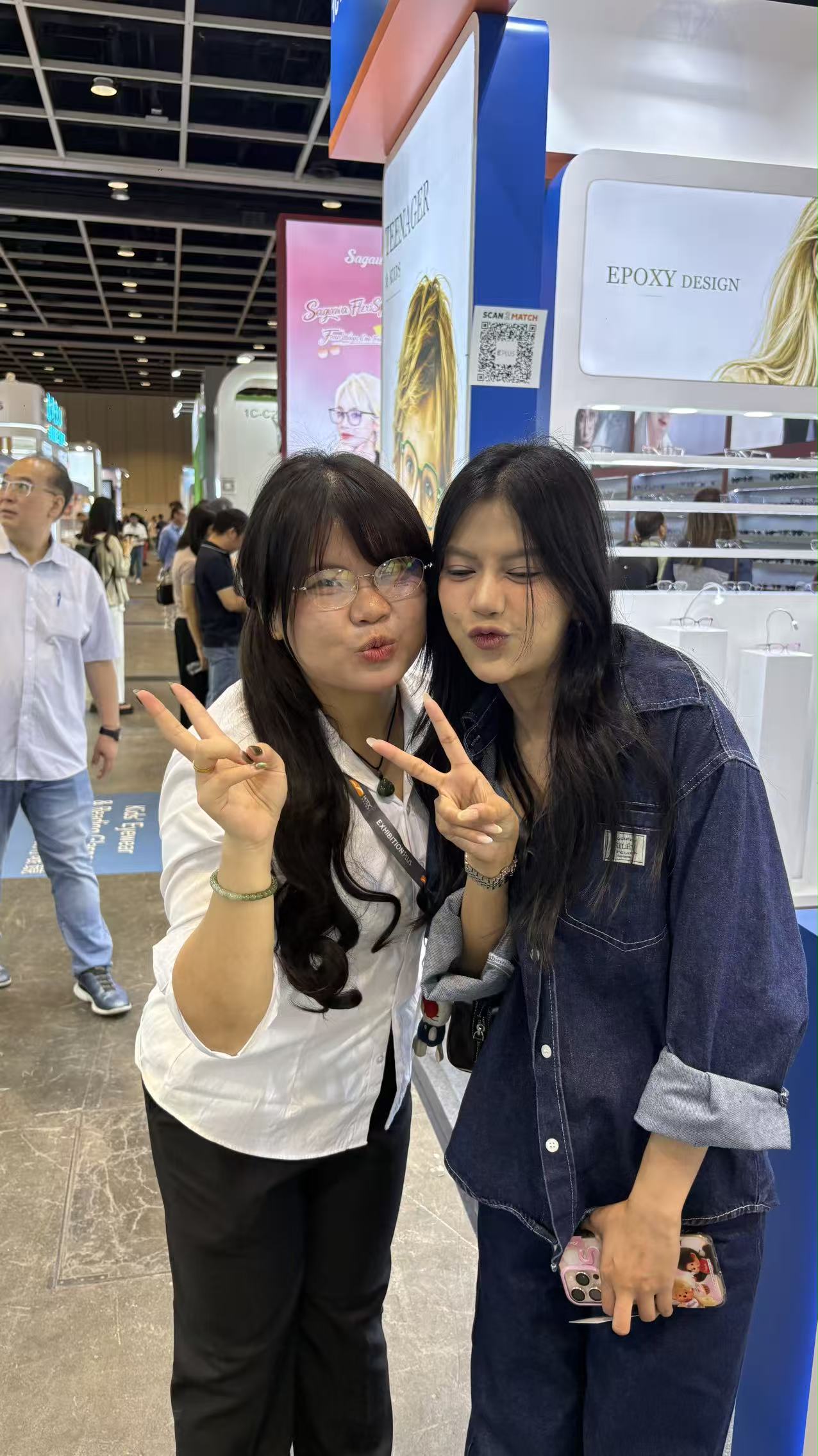
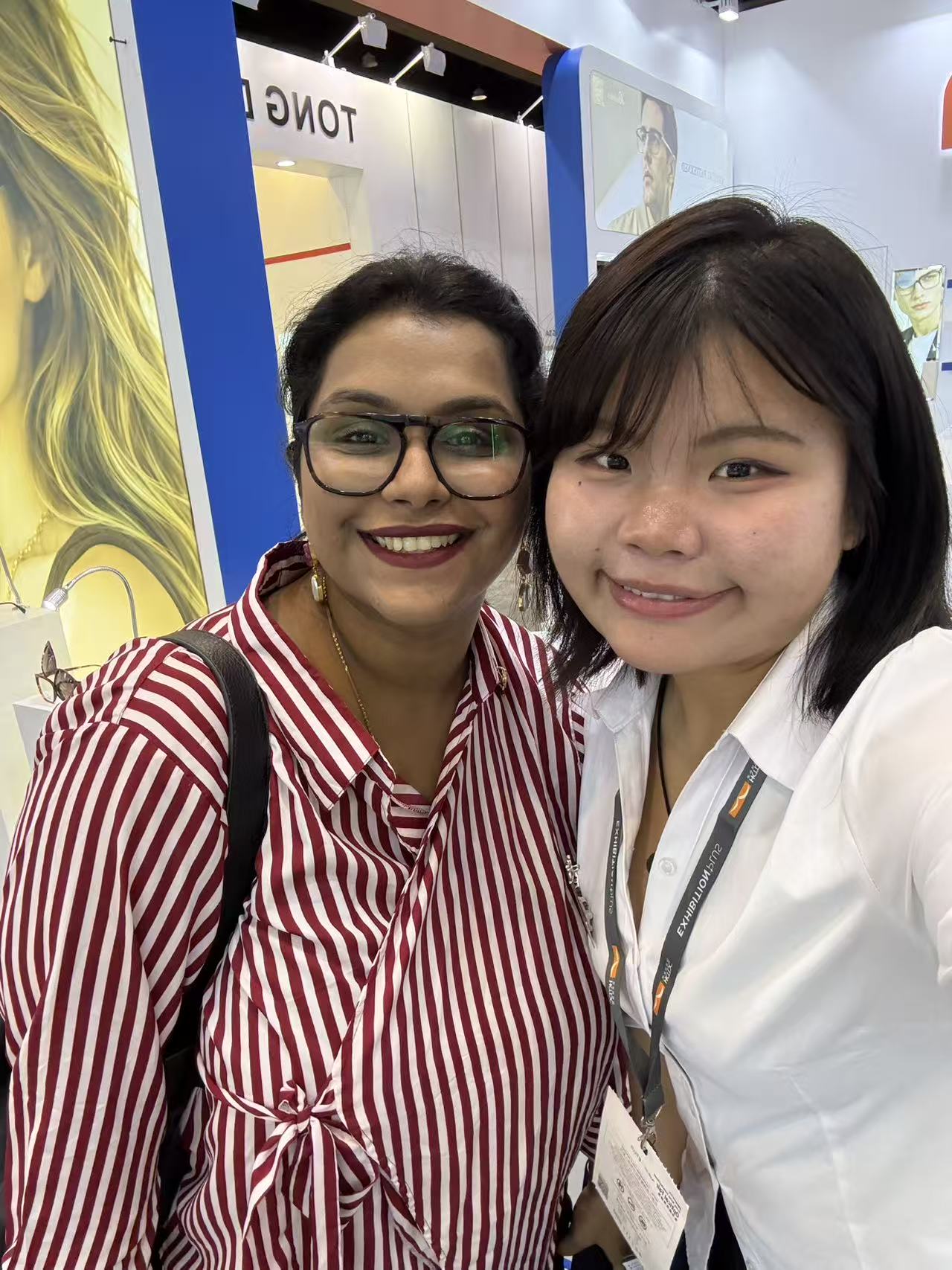
Fiona, a product manager on READSUN's new business team, spent most of those three days in exactly that seat. The photos below were taken with each buyer's permission. What follows is what those conversations actually covered — useful whether you are preparing for your next supplier meeting or wondering what to expect from ours.
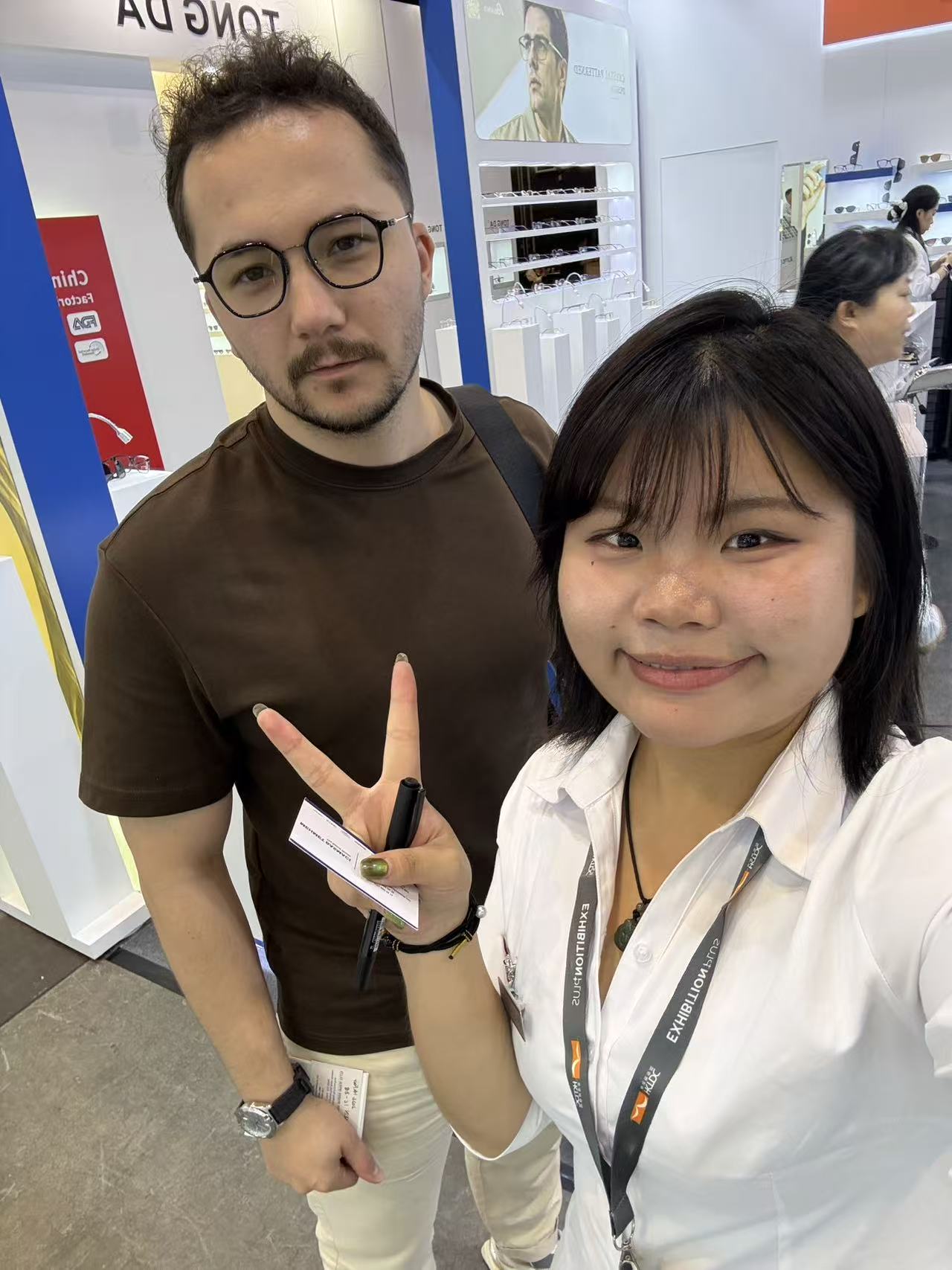
Why We Ask for a Photo — and Why Buyers Ask Us First
A trade fair is a memory problem in disguise. A buyer may sit through twenty meetings in three days, and by the flight home the business cards have blurred into one another. A photo fixes the conversation to a face, a booth and a product line — which is why buyers often ask for one before we do.
The same photo travels. Buyers forward it to a product team, a partner or a category manager who was not in Hong Kong, and it becomes the first proof that the supplier is a real team rather than an inbox. We treat it that way: we ask before we take it, we ask again before we publish it, and we never publish a buyer's name or company without a separate yes.
Our rule on photos: a photo with a buyer is only published when that buyer has agreed to it. If consent is withdrawn later, we take it down.
The First Ten Minutes: Four Questions Before Any Catalogue
Most first meetings do not start with specifications. Before any catalogue comes out, the conversation runs through four things: which category is the priority this season, which retail price band the frame has to land in, which channel and market it is for, and when it has to be on shelf. Those four answers decide everything downstream — material, hinge type, packaging, and whether an existing mould can be used or tooling is needed.
It is also why two buyers who both ask for "clip-on frames" can leave the booth with completely different recommendations. If you are preparing for a supplier meeting, the deeper version of this ground is covered in our twelve-point manufacturer checklist — the booth version is simply the same questions, asked in ten minutes instead of a document.
What Happens After the Handshake
The meeting is the easy part. What buyers judge a supplier on is the two or three weeks that follow, and that part runs on written follow-up rather than memory.
- Written recap with item codes. The frames discussed, the material and colour options, and the open questions — so both sides are quoting the same thing.
- Quotation with the cost structure visible. Unit price first; if tooling is involved, it is quoted separately rather than buried in the unit price.
- Colour cards and sample sets. Sent in the order requests were received, matched to the buyer's shortlist rather than the full range. Sample fees are set per style and can be deducted from the resulting bulk order.
- Spec confirmation before sampling. Hinge, temple length, lens treatment and packaging confirmed in writing, because a sample built on assumptions is a wasted round.
Tooling and confidentiality: when a programme does require new moulds, they belong to the buyer once the tooling fee is settled — and can be shipped to the buyer or a nominated partner on request. Design files are stored on an isolated server with access logging, and we sign NDAs on request. How tooling and development costs are structured between the OEM and ODM paths is covered separately in our tooling cost guide.
This is also where the photo earns its keep: when a buyer replies three weeks later with "the acetate clip-on we saw at your booth", a face and a frame in one image saves a week of clarifying which one.
The Capacity Behind Those Conversations
Buyers rarely ask about capacity at a first meeting — they ask about it in week three, when the quote arrives and the schedule has to be defended. So here is the short version of what sits behind the booth:
20,000㎡
Factory floor area
500
Employees and technicians
500,000
Frames of monthly capacity
1,000
New designs developed a year
The practical meaning for a buyer: stock-colour acetate programmes and mould-based injection programmes run on lines that produce at volume every month, while new developments feed through a design team that lands at least 50 new styles a month — roughly 1,000 a year. How an OEM and ODM frame programme moves between those two paths is usually the first thing we map together after the fair.
Questions Buyers Ask After the Fair
I visited after the team had already left the booth. Can I still get the catalogue?
Yes. Requests received through our contact page go to the same new business team, and the clip-on, kids', titanium and reading ranges are all available to review on the product list.
Do you publish photos of buyers without asking?
No. Every photo in this article was approved by the buyer before publication, and no name or company is published without separate consent.
Can the clip-on range carry our own brand?
Yes. Clip-on frames, the kids' collection and reading glasses all support logo branding, custom colour matching and packaging. Buyers with a defined brief can send specifications through the inquiry form.
What payment terms do you work with?
Terms are assessed order by order, based on order size and the buyer's requirements. Within that framework we are flexible: quotations can be based on EXW, FOB or DDP, and trade assurance arrangements can be supported when the conditions fit. Send your order size and requirements and we will come back with a specific proposal.
Which documents come with an order?
Commercial invoice, packing list, certificate of origin, Form A and the CE declaration of conformity can all be provided. For EU-bound programmes, ask about responsible-person arrangements when you send your brief.
Closing Notes
A good first meeting at a fair is short, specific and followed up in writing. If you are preparing for one, bring three things: a reference frame you already sell, the retail price you need to hit, and the date the collection has to be on shelf. Those three answers shorten the conversation more than any brochure.