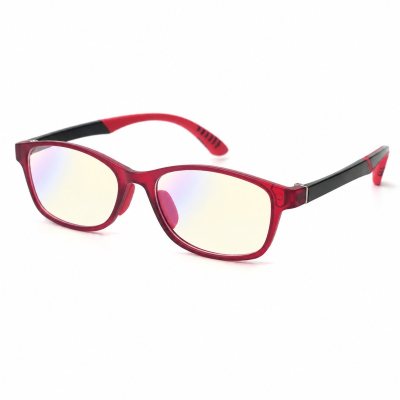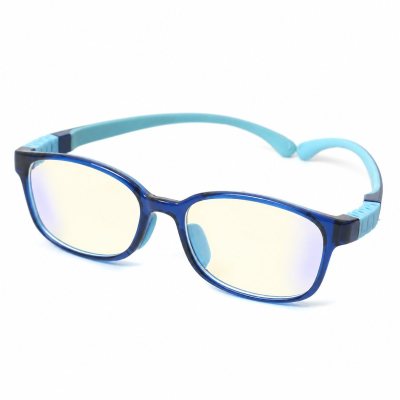
 Aviator
 Cat-eye
 Square
 Oval
 Rectangular
 Round
Spectacle Frames With Clip-On Sunglasses: A Complete Buying Guide for Retailers
Eyewear Buying Guide and Wholesale Knowledge
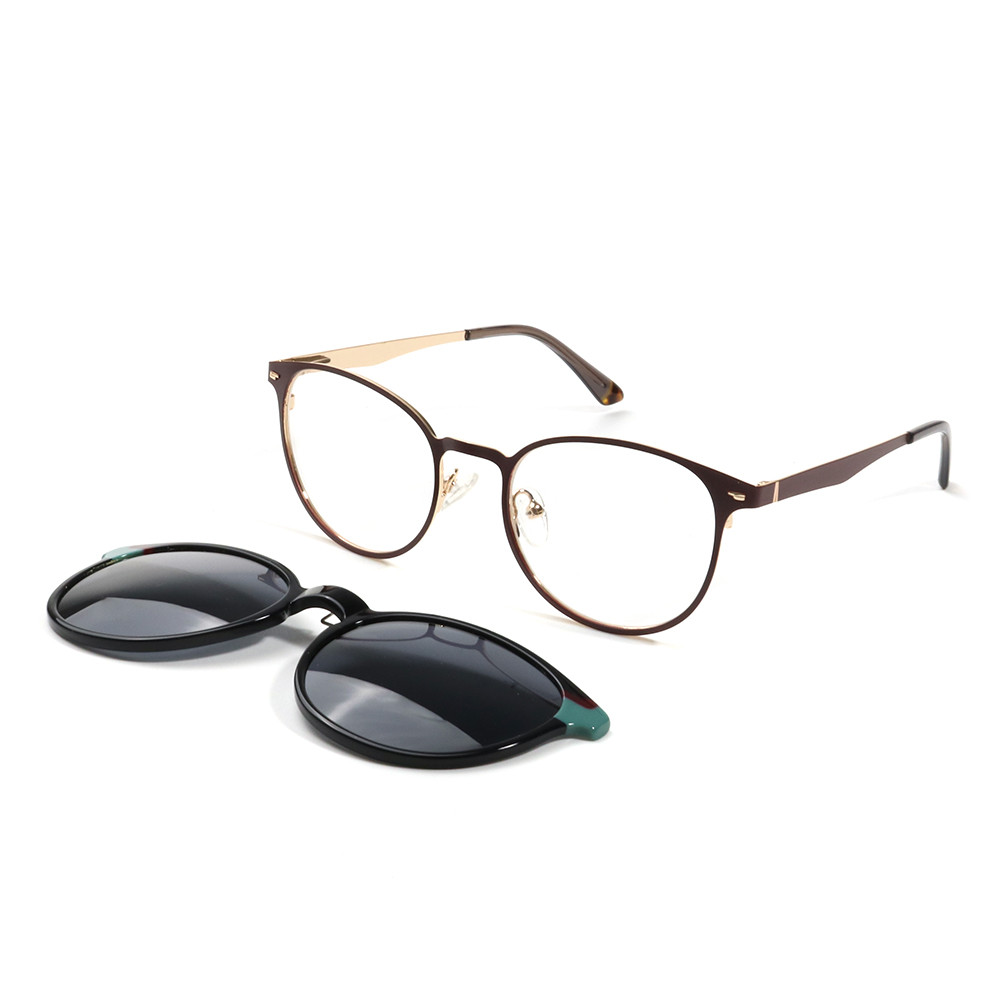
A frame with a matching clip-on sells twice: as an optical frame indoors and as sunglasses outdoors. For retailers, that is the appeal - and the risk. A badly matched set generates returns, and a badly planned assortment ties up shelf space.
The Short Answer
Buying spectacle frames with clip-on sunglasses works best when the set is engineered as one SKU: order frame and clip from the same production line, check fit tolerance and lens spec on a paired sample, structure the assortment in three price tiers, and demo the clip-on in the display. Stock sets, not separate accessories.
- Order frame and clip as one factory assembly so tolerances are solved before shipping.
- Three-tier assortment: entry slide-on, core magnetic, premium flip-up.
- An in-store demo - the snap moment - sells the set faster than any shelf talker.
Why Frame-Plus-Clip Sets Earn Their Shelf Space
The set solves a real customer problem: prescription wearers do not want to carry two frames or pay for prescription sun lenses they use a few weeks a year. A well-fitted clip-on turns one frame into two products at a fraction of a second pair's cost, and the retailer collects the margin of a frame-plus-accessory sale instead of a single frame sale.
The commercial upside is real, but so is the operational one: sets need paired QC, paired pricing and a display that shows the transformation. Retailers who treat the clip as an afterthought end up discounting slow stock; retailers who plan the set as a product line see it become a repeat-purchase anchor.
What to Check Before You List a Set
| Check | What good looks like | Red flag |
|---|---|---|
| Fit tolerance | Clip follows the frame line with even gaps; no visible daylight at the mount | Clip sits proud of the rim or shifts sideways when touched |
| Lens specification | Polarized UV400 stated in writing, edge polish consistent | "UV protection" with no polarization rate or coating detail |
| Mechanism | One-hand operation, repeatable alignment, cycle-test data supplied | Two hands needed, or magnet pull varies between samples |
| Weight | Set wears like the frame alone; nose pads unchanged | Front-heavy set that slides down the nose |
| Packaging | Set ships in one case with a demo card and cloth | Clip loose in a bag - scratched lenses before first sale |
Run every check on a paired sample from the actual production line, not on the showroom demo. The same discipline applies to the supplier side: the checklist for vetting a China optical frame supplier covers factory-level documentation.
Structuring the Assortment: Three Tiers
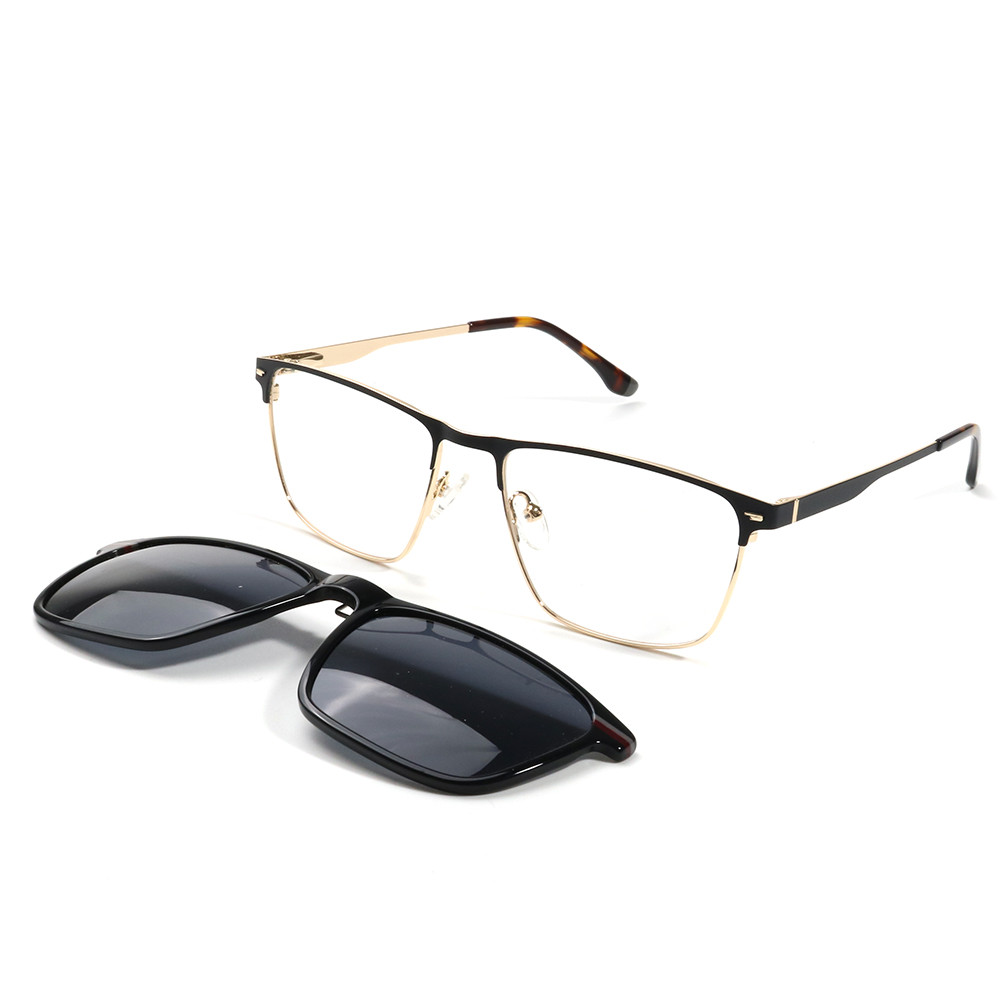
Entry: slide-on sets
Lowest unit cost, broad shape coverage. Perfect for promotions and first-time clip-on buyers; accept the simpler look.
Core: magnetic sets
The volume anchor. One-hand snap, seamless fit, mid-tier margin. Give these the most facings.
Premium: flip-up and custom-cut
Engineering-heavy sets for driving, sport and rimless wearers. Fewer units, higher margin, strong demo value.
Rebalance the mix by sell-through each season, and let the clip-on demand trend data guide which tier to expand.
Stocking and Merchandising Tips
- Price the set as one SKU. Separate clip pricing invites "I will skip the clip" - and kills the story.
- Demo at the counter. Keep one set unboxed for staff to snap on and off; the sound and click close sales.
- Group by use case, not brand. Driving, screen-to-outdoor, and holiday sets convert better than brand walls.
- Train one sentence per set. "Polarized, snaps off in one move" outsells a paragraph of spec.
- Track returns by mechanism. If slide-ons return at twice the rate of magnetic, shift the mix upward - and raise the issue with the supplier. The top clip-on suppliers for optical retailers comparison helps there.
Common questions
Should the clip-on be sold separately as a spare?
Only for frames where you hold the matching spare in stock. Selling clips apart from their frame invites fit mismatches and returns; the set is the product.
What margin should a set carry?
Price the set between a single frame and a second frame. The customer compares against buying two pairs - not against the clip's factory cost.
How many set styles should a first order carry?
Three tiers, one or two styles each. Prove sell-through and mechanism reliability before widening; the fuller wholesale buying guide covers first-order structure in depth.
Retailers who win with spectacle frames with clip-on sunglasses buy sets, not accessories: one factory, one SKU, one demo moment. Structure the wall in three tiers, train the counter pitch, and let return rates - not hunches - decide the next season's mix. For the manufacturing side of a custom set, see how choosing the right clip-on OEM partner works in practice.