
 Aviator
 Cat-eye
 Square
 Oval
Oval Rectangular
 Round
RoundOPTICAL FRAME MANUFACTURING COST GUIDE
Know what you’re paying for before production.
A practical sourcing guide for eyewear brands, retailers and distributors.
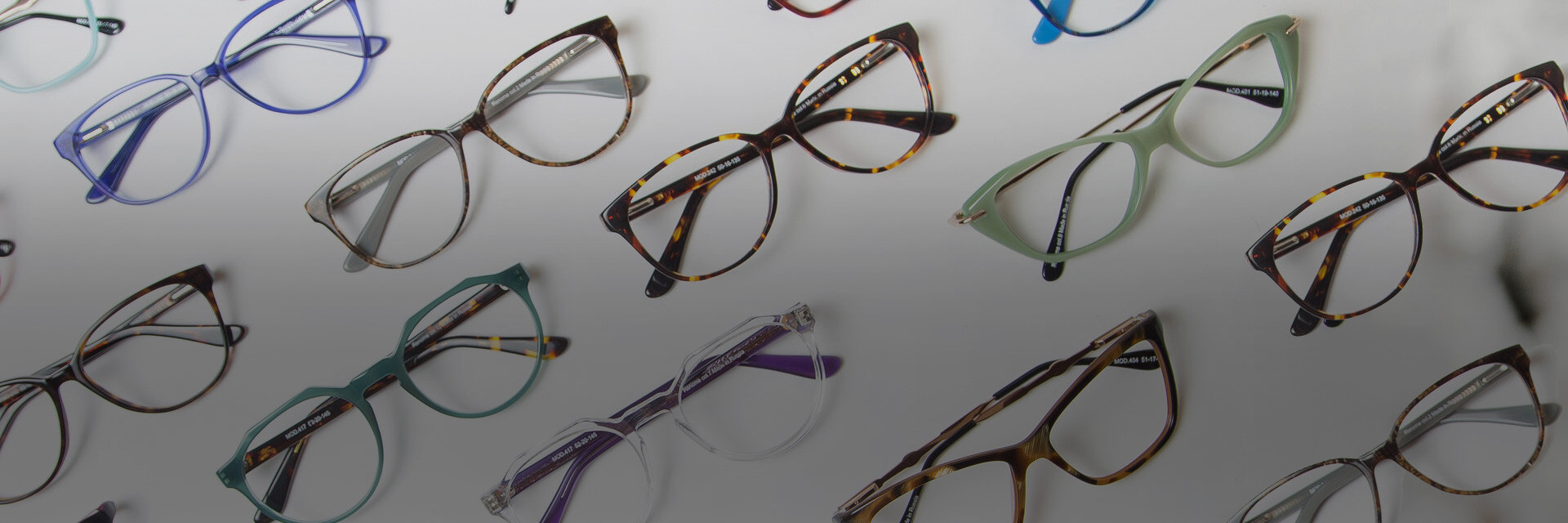
FACTORS
Why Optical Frame Prices Vary
Two frames can look almost identical while requiring very different materials, tooling and production controls.
Price makes sense only when the specification behind it is clear.
A professional quotation is more than a unit price. It is a definition of the value, risk and production control included in the product.
FOB CHINA REFERENCE
Typical Manufacturing Price Ranges
Indicative industry ranges only. Final pricing depends on material, order volume, process, compliance and customization.


How Material Choices Affect Cost


BASIC ACETATE
$5–$8 / frameStandard colors, regular thickness and conventional processing.PREMIUM ACETATE
$10–$20+ / frameDeeper texture, richer color and better machining performance.Sheet grade
Premium sheet stock provides better color depth, pattern definition and process stability.
Thickness
Moving from 3 mm to 5 mm increases material use, machining time and polishing difficulty.
Pattern
Marble, tortoise, gradient and multi-layer effects increase sourcing cost and production loss.
How Frame Architecture Affects Cost
A reference image shows the look. A manufacturing quote depends on the construction behind it.

Standard vs. spring hinge
+$0.20–$0.50 / pcMore components, more assembly and more testing—balanced by improved comfort and durability.

Wide temple design
+$0.20–$1 / pcAdditional material and more demanding machining requirements.

Magnetic clip-on
+$2–$5+Magnetic components, precision alignment and structural validation.
The Manufacturing Process Behind the Price
Every step influences
Surface quality — polish, color and finish
Frame accuracy — fit and dimensional consistency
Long-term durability — stability in real-world use
Decoration and Brand Customization


SPECIAL COLOR
+$0.20–$1Matte finishes, gradients and hand paintingMETAL DECORATION
+$0.30–$2+Metal inserts, rivets and decorative platesTooling and Development Costs
$500–$6,000+
Typical custom mold reference
Driven by product architecture, tool complexity and material.Good tooling determines dimensional stability, assembly accuracy and batch consistency.
How MOQ and Volume Change the Unit Cost
SAME ACETATE FRAME
Example: How an $8 Frame Is Built
Premium products carry a higher material share. Complex designs allocate more to development, setup and control.
Use the breakdown to compare scope—not to reverse-engineer a universal formula.

THE BUYER’S VIEW
Cost decisions eventually become product experience.
Comfort, consistency and durability are what customers notice.How Professional Brands Reduce Cost Without Reducing Value
AVOID
× Choosing the lowest material grade
× Removing critical quality steps
× Copying products already in the market
OPTIMIZE
✓ Simplify the architecture
✓ Choose fit-for-purpose materials
✓ Control the SKU and color count
✓ Plan production windows early
✓ Build repeatable long-term programs
Why a Cheap Quote Can Become Expensive
Material risk
Unstable material performance
Quality risk
Variation between production lots
Delivery risk
Unpredictable lead times
Brand risk
Complaints and damaged trust
The READSUN Cost Optimization Approach
We do not simply reduce price.
We help brands build the right product at the right cost.
 01
01Design review
Avoid unnecessary complexity
 02
02Material recommendation
Match performance to positioning
 03
03Engineering support
Reduce development trial and error
04Production planning
Improve supply efficiency
PROFESSIONAL FRAME COST ANALYSIS
Need a clearer path from concept to cost?
Send us your product reference, target market, estimated quantity and customization requirements.
Talk to READSUN ↗WE WILL HELP YOU EVALUATE
