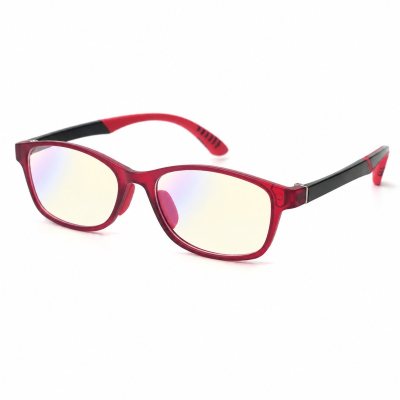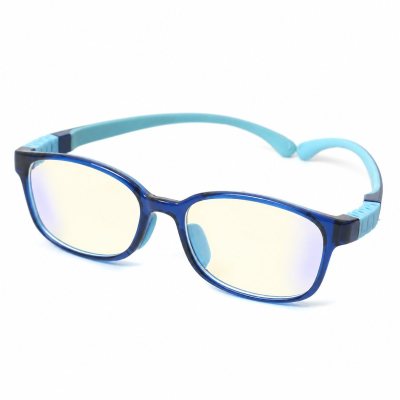
 Aviator
 Cat-eye
 Square
 Oval
 Rectangular
 Round
Bio-Acetate vs Cellulose Acetate: A 2027 Material Guide for EU-Bound Eyewear Brands
Eyewear Materials and Manufacturing Technology
European buyers have started asking one question that most supplier decks cannot answer: what is the actual bio-based content of this frame? The answers range from honest test reports to vague "eco" badges - and the gap between the two is where greenwashing claims now get punished.
The Short Answer
Bio-acetate is cellulose acetate in which part of the petroleum-based plasticiser is replaced with a bio-based one; the cellulose itself still comes from wood pulp in both materials. Verified bio-based content typically sits between 30-60%, measured by the ASTM D6866 or EN 16640 radiocarbon method. Performance is comparable to conventional acetate; the real differences are price, lead time and what you are allowed to claim.
- Cellulose acetate is already plant-derived in its polymer - the fossil part is the plasticiser.
- Insist on a test certificate, not a marketing label, before any bio claim reaches your packaging.
- Bio-acetate carries a 10-25% material premium and longer lead times in 2026-2027 supply.
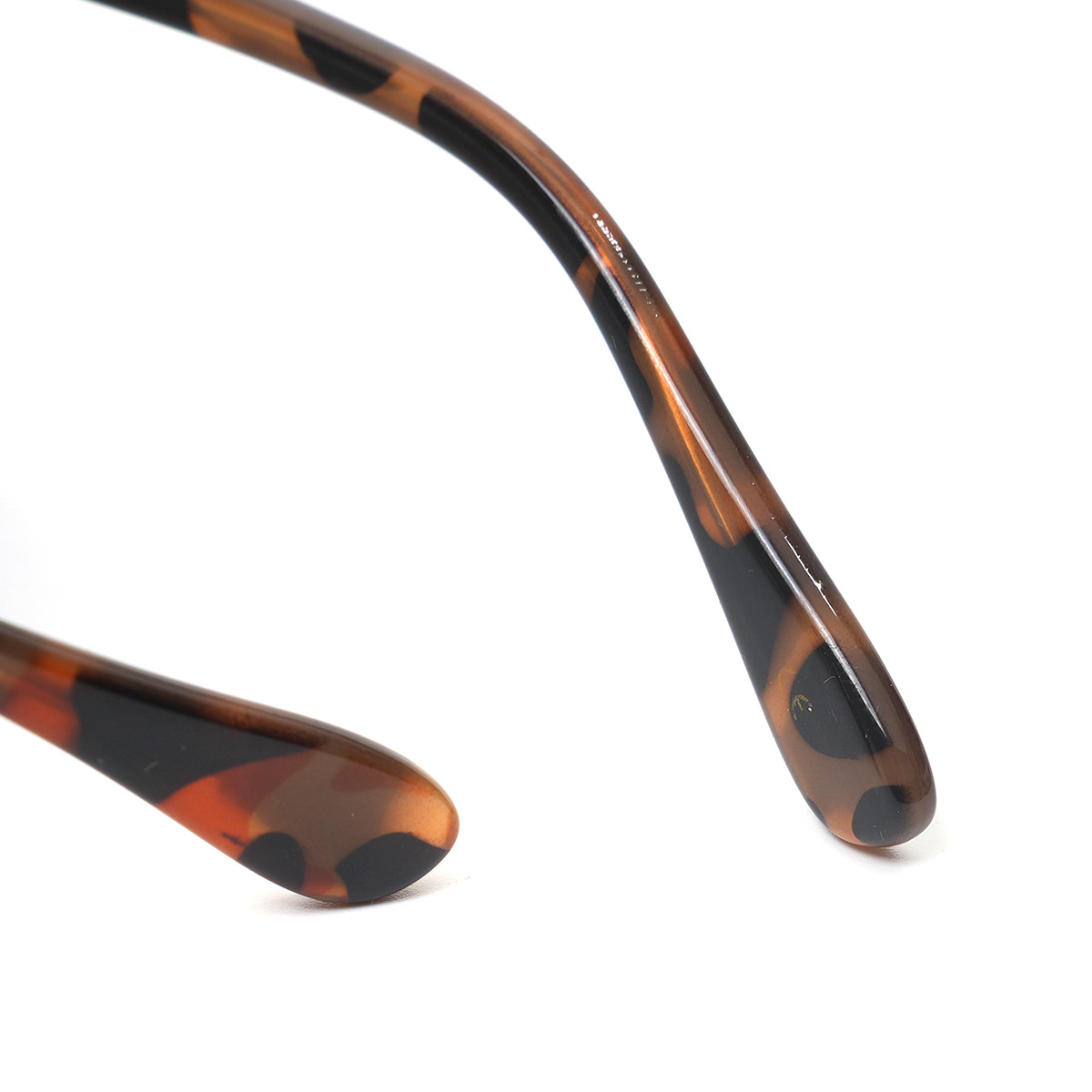
What Is Cellulose Acetate and Why Is It Still the Default Frame Material?
Cellulose acetate is made by acetylating cellulose - purified wood pulp or cotton linters - into a thermoplastic, then blending it with plasticisers, stabilisers and colourants and casting it into sheets. It remains the default premium frame material because nothing else matches its combination of colour depth, translucency, warm hand feel and machinability. The full property profile is covered in the acetate material guide, so this article focuses on the one axis buyers now interrogate: how biological the material really is.
Acetate de Cellulose vs Bio-Acetate: Composition Compared
In conventional acetate, roughly 60-80% of the formula is cellulose acetate polymer from plant fibre; the remaining plasticiser fraction is traditionally petroleum-derived phthalates or similar compounds. Bio-acetate swaps that plasticiser fraction for bio-based alternatives - derived from sources such as castor oil or other plant feedstocks - while the polymer and the casting process stay the same. French and European buyers searching "acetate de cellulose" are usually circling this exact distinction: the cellulose part was always biological; the bio-prefix refers to how much of the rest now is too.
How Much Bio-Based Content Does a "Bio-Acetate" Frame Really Have?
There is no single answer, which is why the measurement method matters more than the marketing number. The industry standard is radiocarbon dating: ASTM D6866 and EN 16640 measure the 14C isotope ratio to calculate the share of carbon that recently came from the atmosphere rather than fossil deposits. Reputable sheet houses publish the measured bio-based carbon content per product line - commonly in the 30-60% range for current bio-acetate sheets. Anything a supplier cannot back with a test report from that family of standards should be treated as a claim, not a fact.
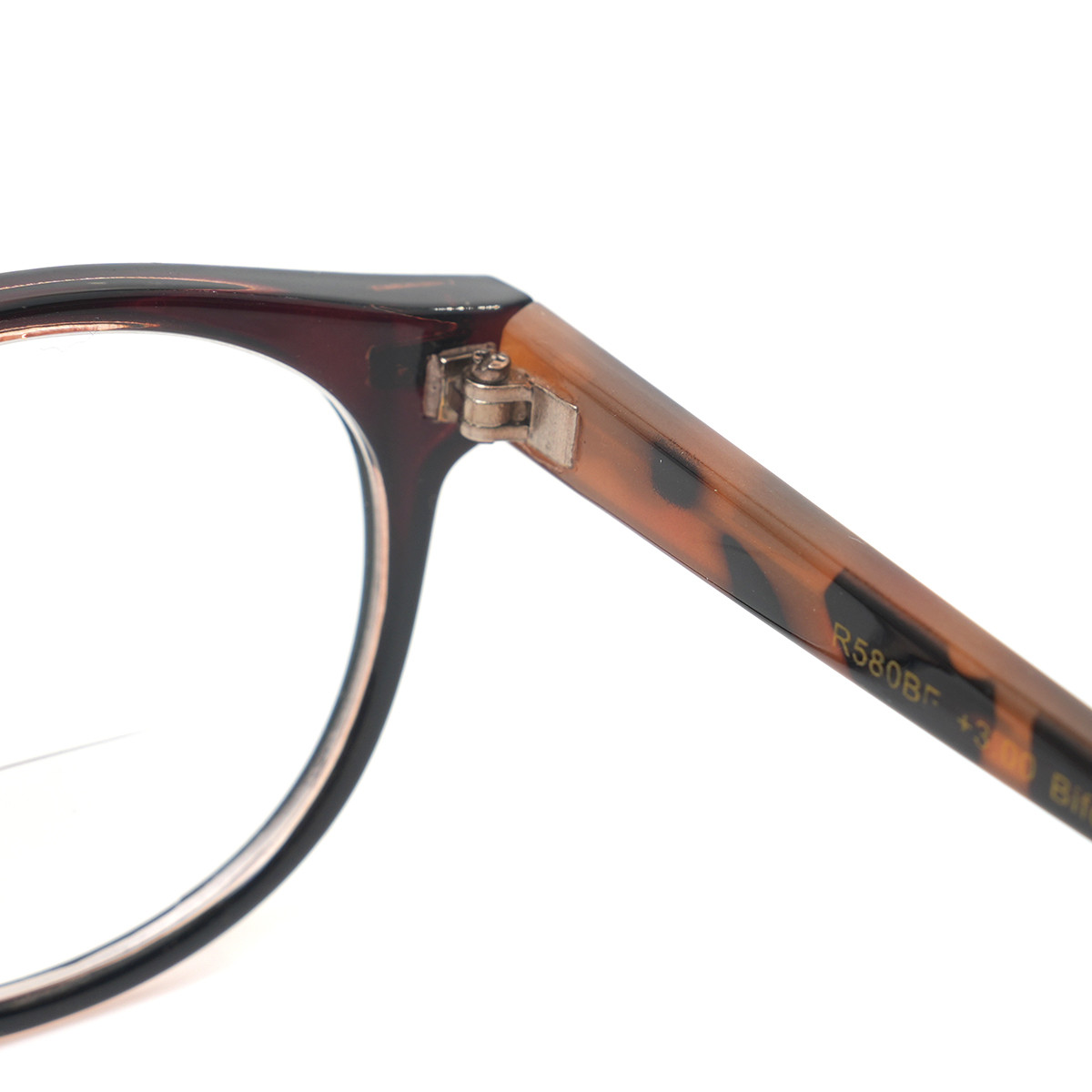
Properties Buyers Should Test: Flexibility, Colour Depth and Machinability
| Property | Conventional acetate | Bio-acetate | What to test |
|---|---|---|---|
| Transparency and colour depth | Reference standard | Comparable; some bio plasticisers tint slightly | Compare crystal and pastel shades against your master samples |
| Flexibility and toughness | Proven across decades | Equal or better with modern bio plasticisers | Flex-cycle and cold-bend samples, not datasheets |
| Heat resistance | Softens around 70-90°C | Similar range; verify per sheet grade | Temperature exposure during transport and display |
| Machinability | Excellent - cuts, tumbles, polishes | Equivalent; tool settings may need one calibration run | First-article approval on your front design |
| Allergen profile | Phthalate-based plasticisers in some grades | Often phthalate-free - a marketing plus for EU retail | Request the plasticiser declaration sheet |
The Cost and Supply Reality of Bio-Acetate in 2027
Bio-acetate sheets currently carry a 10-25% premium over conventional equivalents, and because production volumes are smaller, minimum sheet orders and lead times run longer - sometimes adding weeks to a programme's material planning. The premium is falling as major sheet houses expand bio lines, but a 2027 buyer should budget for it rather than assume it away. The practical compromise many brands use: bio-acetate on hero colourways where the sustainability story earns its premium, conventional acetate on high-volume basics - the same tiered logic used to build any collection's material cost.
Claiming Sustainability Without Greenwashing: What Brands Can Say
Safe to claim
"Contains X% bio-based carbon, verified per ASTM D6866" - measured, cited, certificate on file. "Plasticiser from plant-based sources." "Phthalate-free plasticiser system."
Risky to claim
"100% biodegradable" - acetate is not readily biodegradable in any useful timeframe. "Eco-friendly frames" as an unqualified banner. "Plastic-free" - chemically, acetate is a plastic.
Claim with care
"Renewable-based" only with the bio percentage stated. Recycled-content claims need separate documentation from bio-based ones - they are different measurements.
Evidence to Request from an Acetate Sheet Supplier
Five documents close the credibility gap: the ASTM D6866 or EN 16640 test report naming the sheet grade, the plasticiser declaration listing its source and phthalate status, REACH and relevant EU compliance statements, the sheet house's own origin documentation, and a signed material master sample per colourway. A factory that can assemble all five in a week is telling you something important about how it handles claims that will end up on your packaging.
Which Brands Should Choose Bio-Acetate and Which Should Not
Bio-acetate earns its premium where sustainability is part of the brand contract: EU-focused retailers, premium price points where material narrative supports margin, and collections built around transparency claims. It is the wrong default for brands competing purely on price, where the 10-25% premium buys no shelf advantage, and for buyers whose claim discipline cannot keep up with their marketing team - an unverifiable bio claim now costs more reputation than conventional acetate ever did. Broader alternatives, from bamboo to recycled materials, are compared in the guide to sustainable frame materials, and the wider materials landscape sits in the frame material overview.
Common questions
Can bio-acetate and conventional acetate be mixed in one collection?
Yes, and most programmes do. Both machine, polish and finish identically, so mixing costs nothing in production. Just keep the documentation per SKU straight - the claim travels with the sheet, not the collection.
Are colours limited on bio-acetate sheets?
The colour palette has widened considerably and now covers most stock acetate shades including crystals and tortoises. Very deep opaque colours and special laminations remain more available in conventional sheets - another reason the hybrid approach works.
What certification do I need to print the bio-based percentage?
The sheet supplier's ASTM D6866 or EN 16640 certificate for the specific sheet grade, passed through to your packaging claims. Your own factory's contribution - the frame, hardware and packaging - is measured separately if you want a frame-level claim, which requires summing all components' documentation.
Bio-acetate is not a different material so much as a different level of evidence: same cellulose backbone, partially biological plasticiser, and a paper trail that makes European claims defensible. Ask for the radiocarbon number, price the premium honestly, and claim only what a certificate supports. Documented bio-content options and the full conventional range both live in the acetate optical frames catalogue, and the wider sustainability programme is described on the sustainable frames page.