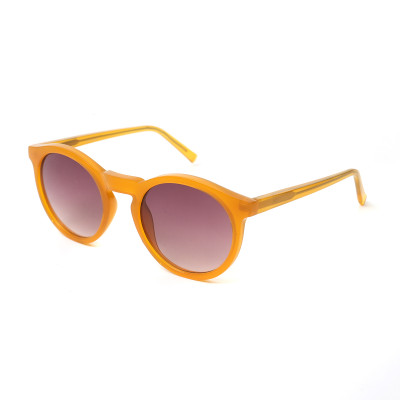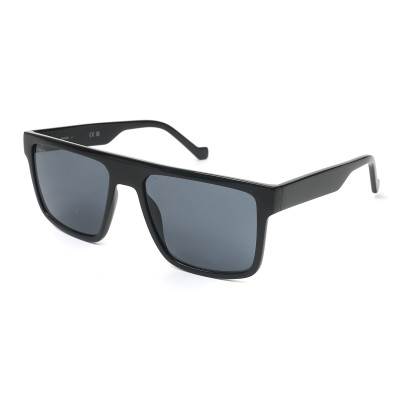
 Aviator
 Cat-eye
 Square
 Oval
Oval Rectangular
 Round
RoundBamboo, Wood & Recycled Eyewear: Sustainable Frame Materials Explained
Bamboo, Wood and Recycled Eyewear: Sustainable Frame Materials Explained
Sustainability is no longer a niche request in eyewear. It has become a core buying criterion for retailers, distributors, and private label brands across Europe, North America, and Asia-Pacific. The global eco-friendly sunglasses and accessories market generated approximately US$46 million in online revenue in 2025 and is expected to grow 10–20% in 2026, signalling a clear turnaround[reference:0]. Industry analysts confirm that manufacturers are moving toward bio-based plastics, recycled acetate, bamboo, wood, and other renewable materials to reduce environmental impact while maintaining product quality and aesthetics[reference:1].
For brand owners and sourcing managers, the challenge is not whether to offer sustainable eyewear — it is how to source it reliably. What certifications actually matter? How are bamboo and wood frames manufactured? What does “recycled” really mean in an eyewear context? This guide answers these questions and gives you a practical framework for sourcing OEM eco optical frame programs from China.
Direct answer: Sustainable eyewear frames fall into two broad categories: natural materials (bamboo, wood, cork) and recycled or bio-based materials (recycled acetate, recycled plastics, bio-acetate). Bamboo and wood offer a warm, organic aesthetic with no microplastic shedding. Recycled materials offer measurable environmental claims backed by certifications such as GRS and RCS. Both are viable for brands targeting eco-conscious consumers — but they require different sourcing strategies and quality checkpoints.
Why Sustainable Eyewear Is Now a Mainstream Sourcing Category
Three forces are driving the shift toward sustainable eyewear materials.
Consumer demand. Consumers are increasingly conscious of the environmental impact of their purchases, and this awareness is directly influencing eyewear buying decisions[reference:2]. At MIDO 2026, the world's leading eyewear trade show, sustainability was the single most prominent trend — with regenerated acetates, bioplastics derived from organic waste, and advanced bio-based resins taking centre stage[reference:3]. European buyers in particular now demand sustainable materials, with frames made from recycled ocean plastics and organic materials drawing strong interest from France, Germany, and Nordic countries[reference:4].
Retailer requirements. Major optical retailers and fashion groups are adding sustainability criteria to their supplier standards. Kering, for example, requires suppliers to hold valid certifications for recycled materials, prioritising GRS or FSC Recycled certifications[reference:5]. This trickles down to independent retailers who want to stock products that align with their own environmental positioning.
Brand differentiation. In a crowded eyewear market, sustainability gives brands a credible story. A bamboo frame with FSC certification, or an acetate frame made from recycled material with GRS certification, is not just a product — it is a marketing asset that can be communicated on packaging, in-store, and online.
Bamboo Frame Sunglasses Factory: Material Sourcing and Finishing
Bamboo is one of the most versatile natural materials for eyewear. It grows rapidly, requires minimal water and pesticides, and produces a distinctive grain pattern that gives each frame a unique appearance. For brands sourcing bamboo frame sunglasses factory programs, understanding the material's properties and limitations is essential.
Material sourcing. The best bamboo for eyewear is Moso bamboo, which is native to southern China and widely available in FSC-certified supply chains[reference:6]. FSC (Forest Stewardship Council) certification confirms that the bamboo is harvested from responsibly managed forests, preserving biodiversity and supporting local communities[reference:7]. When vetting a bamboo frame sunglasses factory, ask for FSC documentation for the raw material.
Processing and treatment. Raw bamboo must be dried, treated against moisture and insects, and cut into strips or blocks before it can be shaped into frames. The treatment process is critical — poorly treated bamboo can crack, warp, or develop mould in humid conditions. A capable factory uses heat treatment, anti-cracking treatment, and waterproof coating to ensure durability[reference:8]. Bamboo fibre naturally absorbs sweat and breathes, making it comfortable for extended wear, and charred bamboo materials are especially durable, mould-resistant, and waterproof[reference:9].
Bamboo Wood Frame Sunglasses Factory Production Lines
A bamboo wood frame sunglasses factory that produces laminated bamboo-wood composite frames uses cross-lamination under heat and pressure to create a material that combines bamboo's sustainability with wood's structural stability. This process produces frames with consistent thickness and grain direction, which is important for both aesthetics and durability.
The production workflow for bamboo and wood frames follows a distinct path compared to acetate or injection frames:
| Stage | Process | Time |
|---|---|---|
| 1. Blank preparation | FSC-certified bamboo or hardwood blanks are inspected for grain direction and moisture content, then cut to rough dimensions. | — |
| 2. CNC machining | Computer-controlled routers shape the frame outline, lens groove, and hinge mounts. | 30–60 min per frame |
| 3. Hand sanding | Multiple grit stages (220 → 320 → 600 → 1500–2000 → 2500+) for smoothness and grain definition. | 2–4 hours per frame |
| 4. Finish application | Multi-layer marine-grade coating for moisture, UV, and abrasion protection. | 6–12 hours including drying |
| 5. Hinge and lens fitting | Stainless steel spring hinges installed; polarized UV400 lenses seated and tested. | — |
The total build time runs 6 to 12 hours of combined machine and hand work per pair, which is why genuine wood and bamboo frames command a higher price point than injection-moulded lookalikes[reference:10]. The hand-sanded surface has a smoothness and grain definition that printed or moulded plastic cannot replicate[reference:11].
Polarized Wood Frame Sunglasses Factory: Lens and Frame Pairing
Wood and bamboo frames are most commonly paired with polarized lenses for the sunglasses category. A polarized wood frame sunglasses factory must ensure that the lens fits the wooden frame groove securely — wood has less flexibility than acetate or metal, so the lens fitting tolerance is tighter.
Standard specifications for polarized wood frame sunglasses include:
- Lens material: TAC (Triacetate Cellulose) polarized lenses, typically 1.1 mm thickness.
- UV protection: UV400, blocking 100% of UVA and UVB rays.
- Hinge type: Stainless steel spring hinges, anti-rust and waterproof.
- Lens fit testing: A properly seated lens should not fall out when the frame is held upside down.
Wooden frames perform stably at high and low temperatures and will never rust, even in damp conditions — making them suitable for coastal and outdoor markets[reference:12]. The combination of natural wood aesthetics and high-performance polarized lenses creates a product that appeals to both fashion and outdoor consumer segments.
Wooden Half Frame Sunglasses Factory: Craft and Weight
Half-frame wooden sunglasses use a metal or acetate top bar with a wooden lower rim or wooden temples. A wooden half frame sunglasses factory combines the warmth of natural wood with the structural precision of metal components. The key challenge is ensuring that the wood and metal components fit together seamlessly — any gap or misalignment is immediately visible.
Weight is another consideration. Wooden half-frame sunglasses typically weigh 22–30 grams, depending on the wood species and lens type. Lighter woods such as bamboo and maple produce lighter frames, while denser woods such as walnut and ebony produce heavier, more substantial frames. For buyers, understanding the weight range helps set realistic expectations for the target market.
China Bamboo Frame Sunglasses Factory Supply
China is the world's leading source for bamboo and wood eyewear manufacturing. A china bamboo frame sunglasses factory benefits from proximity to FSC-certified bamboo forests in southern China, established export infrastructure, and a skilled workforce experienced in natural material processing.
When evaluating a china bamboo frame sunglasses factory, confirm the following:
- FSC certification for raw bamboo — ensures responsible sourcing and supports your brand's sustainability claims.
- Moisture treatment process — ask how bamboo is dried and treated against cracking and mould.
- Finish quality — request samples and inspect the smoothness of edges, grain definition, and coating uniformity.
- Hinge installation — wooden frames require precise hinge pockets; poor installation causes loose or misaligned temples.
- Export documentation — bamboo and wood products may require phytosanitary certificates for certain markets.
Recycled Eyeglasses Frames Factory: Circular Design in Practice
Recycled materials offer a different sustainability story from natural materials. Instead of using newly harvested bamboo or wood, a recycled eyeglasses frames factory works with post-consumer or post-industrial waste — recycled plastics, recycled acetate, and reclaimed metals.
The most common recycled materials in eyewear manufacturing are:
- GRS-certified recycled plastics: Sourced from recycled PET bottles, ocean-bound plastics, and post-industrial waste. GRS (Global Recycled Standard) certification verifies the recycled content and tracks it through the supply chain[reference:13].
- Recycled acetate: Acetate Renew and similar materials combine 60% bio-based content with 40% certified recycled material[reference:14]. This material maintains the look and feel of virgin acetate while reducing environmental impact.
- Reclaimed metals: Upcycled stainless steel and titanium components from industrial scrap.
A recycled eyeglasses frames factory with GRS certification can provide traceability documentation showing the percentage of recycled content in each frame. This is increasingly important for brands that make sustainability claims on their packaging or marketing materials — unsupported claims can lead to regulatory issues in the EU and other markets.
At MIDO 2026, recycled materials were a dominant theme. Regenesis unveiled Oceantate, a material made from 100% recycled ocean-bound plastic waste and captured carbon, designed to replace acetate sheets in fashion eyewear[reference:15]. Evonik launched TROGAMID R, a transparent polyamide made from post-industrial plastic waste generated during sunglass lens manufacturing[reference:16]. These innovations show that recycled eyewear is moving from niche to mainstream.
OEM Eco Optical Frame Programs: What Brands Can Customize
An OEM eco optical frame program allows brands to apply the same customization depth as conventional frames — but with sustainable materials. The customization dimensions include:
- Material selection: Bamboo, wood, recycled acetate, bio-acetate, recycled plastics, or combinations.
- Shape and size: Round, square, cat eye, aviator, and custom tooling.
- Colour and finish: Natural wood stains, recycled material colours, custom Pantone matching.
- Branding: Logo engraving, laser marking, printed logos, and eco-friendly packaging.
- Lens options: Polarized, UV400, blue light blocking, gradient tints.
- Packaging: Recycled cardboard, kraft paper pouches, bamboo cases, and FSC-certified boxes.
Eco-friendly packaging is an often-overlooked but important part of the sustainability story. A bamboo frame shipped in a virgin plastic case undermines the brand's environmental positioning. A capable OEM eco optical frame partner can source recycled and FSC-certified packaging materials to match the frame's sustainability credentials.
Sustainable Material Comparison: Bamboo vs Wood vs Recycled Materials
Choosing the right material for your sustainable eyewear line depends on your target market, price point, and brand story. The table below gives a practical comparison for B2B buyers.
| Property | Bamboo | Wood | Recycled Materials |
|---|---|---|---|
| Weight (typical) | 18–25 g | 20–35 g | 15–30 g |
| Durability | Good — with proper treatment | Good — depends on wood species | Very good — engineered materials |
| Moisture resistance | Requires coating | Requires marine-grade finish | Excellent — plastic-based |
| Key certification | FSC | FSC | GRS, RCS |
| Environmental story | Rapidly renewable, low water | Renewable, carbon storage | Waste reduction, circular economy |
| Best for | Casual, outdoor, fashion sunglasses | Premium, boutique, statement frames | Everyday optical and sunglasses |
| Typical MOQ | 300–600 pcs/colour | 300–600 pcs/colour | 300–600 pcs/colour |
For brands new to sustainable eyewear, recycled materials often offer the easiest entry point — they perform like conventional plastics, accept complex shapes, and have well-established certification frameworks. Bamboo and wood offer a stronger visual and tactile differentiation, but require more careful quality control and a higher price point.
Frequently Asked Questions About Sustainable Eyewear Materials
Are bamboo and wood frames waterproof?
With proper treatment — including heat treatment, anti-cracking treatment, and marine-grade coating — bamboo and wood frames are water-resistant and suitable for daily wear. However, they should not be submerged in water for extended periods. For coastal and humid markets, ask your factory about salt spray testing and waterproof coating specifications.
Can bamboo and wood eyewear be exported to the EU?
Yes. Bamboo and wood products require phytosanitary certificates for certain markets, and frames must comply with EU regulations including REACH for chemical safety and EN ISO 12312 for sunglasses. FSC certification for the raw material and GRS certification for recycled components strengthen your compliance position. EU buyers increasingly expect these certifications as standard[reference:17].
What certifications do I need for recycled eyewear?
GRS (Global Recycled Standard) is the most widely recognised certification for recycled content. It verifies the percentage of recycled material and tracks it through the supply chain. RCS (Recycled Claim Standard) is a lighter-weight alternative. For bio-based materials, look for ISO 14855 (biodegradability) or ISCC certification. Always ask for the certificate number, issuing body, and validity date.
What is the minimum order quantity for eco-friendly eyewear?
Most factories set MOQ at 300–600 pieces per colour for bamboo, wood, and recycled material frames. Trial orders may be available at lower quantities for stock models. Custom colour development and new shape tooling typically require higher MOQs. Confirm with your manufacturing partner before finalising your launch plan.
How do I verify that a factory's sustainability claims are genuine?
Request certification documents for the specific materials you are sourcing. Check that the certificate holder name matches the factory you are working with. For GRS, verify the certification scope includes the material type you are ordering. Third-party audit reports provide additional verification. Avoid suppliers who make vague environmental claims without documentation.
Source Sustainable Eyewear from READSUN
READSUN Optical is a full-category OEM & ODM eyewear manufacturer based in China, supporting sustainable eyewear programs across bamboo, wood, recycled acetate, and GRS-certified recycled plastics. Our production capabilities include:
- Bamboo and wood frame production with FSC-certified raw material sourcing and multi-layer marine-grade finishing.
- Recycled material frames with GRS certification for recycled content traceability.
- Polarized lens integration with UV400 protection for sunglasses.
- Eco-friendly packaging including recycled cardboard, kraft paper pouches, and FSC-certified boxes.
- Full OEM/ODM support from material selection and design to mass production and export documentation.
Explore our manufacturing excellence, review our custom optical frame capabilities, or see our custom sunglasses range. You can also learn more about READSUN and our factory profile.
Ready to launch your sustainable eyewear line? Request our eco material sample kit — including bamboo, wood, recycled acetate, and GRS-certified recycled plastic options — from READSUN today.