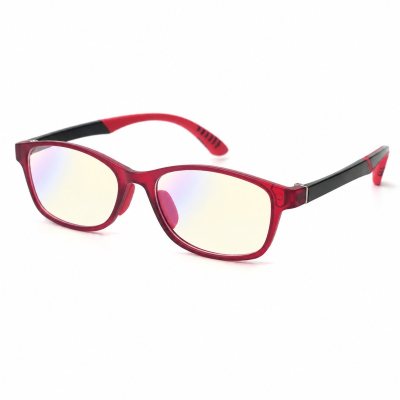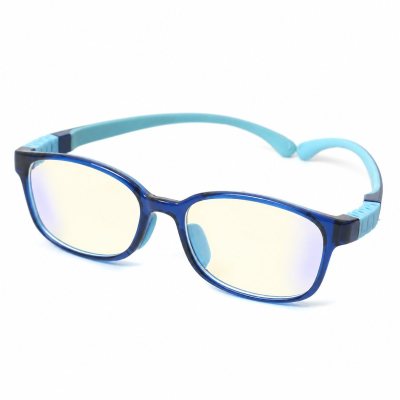
 Aviator
 Cat-eye
 Square
 Oval
 Rectangular
 Round
Acetate vs TR90 vs Ultem vs Titanium: A 2027 Cost and Performance Matrix for Frame Buyers
Eyewear Materials and Manufacturing Technology
Every 2027 product-line plan eventually hits the same meeting: which materials carry which models. TR90 vs acetate is the argument at the core, with Ultem and titanium circling the edges - and the answer is not a ranking, it is a matrix. Each material wins a different price tier, and collections that mix them deliberately outperform collections that pick a side.
Which Frame Material Fits Which Price Tier?
As a working rule: image and hero models go acetate, volume and performance models go TR90 or Ultem, and premium lightweight lines go titanium. The four materials differ across six practical indicators - unit cost, weight, heat resistance, surface finish quality, tooling investment and MOQ - and once those are laid side by side, the assortment logic becomes almost mechanical.
- Acetate: highest perceived value and finish depth; heaviest tooling and colour-management load.
- TR90: lowest cost per unit with light weight; plainer finish, weaker premium signal.
- Ultem: heat resistance and flexibility for performance and kids' lines.
- Titanium: light, corrosion-proof, high-ticket; a different cost universe.
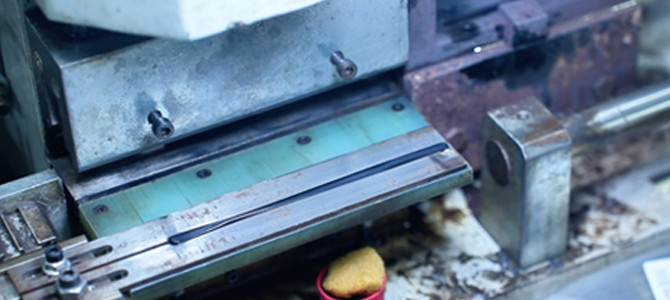
TR90 vs Acetate: Weight, Finish and Perceived Value
Put a TR90 frame and an acetate frame in the same hand and the trade-off is immediate. TR90 is dramatically lighter and bends instead of breaking, which makes it the default for everyday and active wear. Acetate is heavier but presents a depth of colour and a polished finish that injection materials cannot reach - laminations, translucency, layered tortoises are all acetate-native effects. Retail buyers read that finish as value, which is why acetate frames still win the display case even when a TR90 alternative exists at a lower cost.
When TR90 Material Beats Acetate on Cost per Unit
TR90 wins on cost where volumes are large and the design is simple: injection cycles are fast, tooling amortises quickly, and there is no sheet lot management or multi-stage hand polishing. For a basic everyday silhouette at volume, TR90's unit cost undercuts acetate decisively - and the more the design adds colour complexity, the wider that gap grows, because acetate's cost rises with finish while TR90's does not.
Where Acetate Frames Still Win at Retail
Acetate wins wherever the frame itself has to justify the ticket: fashion fronts, premium optical lines, any collection where colour is the product. A TR90 frame in a boutique reads as value engineering; the same silhouette in layered acetate reads as design. That perception gap is durable, and it is why most 2027 assortments run acetate at the top of the wall and TR90 underneath it. The material fundamentals behind this split are detailed in the acetate vs plastic eyeglass frames comparison.
Ultem vs Acetate: Heat Resistance, Flexibility and Fit
Ultem occupies the performance corner of the matrix. It withstands heat that would distress acetate, flexes persistently without taking a set, and weighs close to TR90 while feeling more premium than injection - which is why sports frames, children's lines and hot-climate markets pull it first. What Ultem does not offer is acetate's colour depth: Ultem colourways are thinner and more technical in character. Choose it when the selling story is durability and comfort; leave it when the selling story is colour.
Titanium vs Acetate Frames: Cost Gap and Use Cases
Titanium sits at the top of the cost axis with its own justification: weight near the floor of the entire matrix, corrosion immunity, and a hypoallergenic story that sells itself to sensitive-wearers. The cost gap against acetate is structural - different material economics, different manufacturing route, as the metal and titanium frame manufacturing comparison explains. Titanium earns its ticket in premium lightweight optical lines; it does not compete with acetate on colour, and the two coexist in most premium assortments rather than compete.
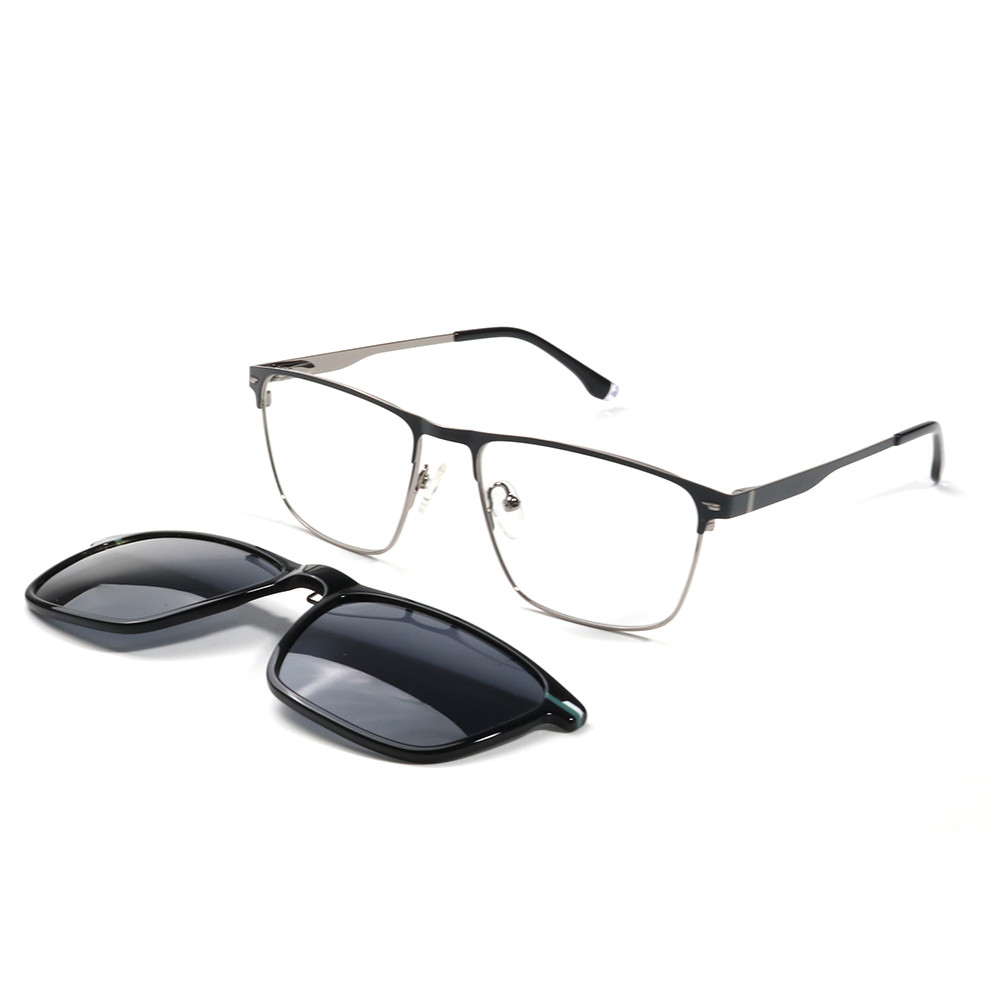
A Six-Point Material Comparison Matrix for Buyers
| Indicator | Acetate | TR90 | Ultem | Titanium |
|---|---|---|---|---|
| Unit cost per frame | Mid to high, rises with finish | Lowest at volume | Mid to high | Highest |
| Weight | Heaviest | Very light | Very light | Lightest feel |
| Heat resistance | Moderate | Moderate | Excellent | Excellent |
| Surface and colour depth | Deepest - polish, lamination, translucency | Plain technical finish | Thin technical colourways | Metallic finish only |
| Tooling investment | Moulds for blocks plus machining fixtures | Injection moulds, amortise fast | Injection moulds, precision grade | Stamping, welding and finishing tooling |
| MOQ pattern | Sheet-lot driven, colourway MOQs | Volume friendly, colour cheap | Volume friendly | Higher unit MOQ economics |
Reading the Matrix: MOQ, Tooling and Lead Time Columns
The bottom two rows decide feasibility, not just preference. A young brand with limited volume usually cannot carry acetate colourway MOQs across a wide range - so the pragmatic entry is TR90 or Ultem volume with one or two acetate hero models. An established brand running seasonal colour stories already absorbs acetate's MOQ structure and uses TR90 for the basics underneath. Lead time follows the same logic: acetate development runs on sampling rounds, TR90 on mould commissioning, titanium on metal process chains.
Mixing Materials in One Collection: Assortment Logic
The strongest 2027 assortments mix on purpose. A common structure: acetate hero fronts and one acetate-plus-metal temple combination as the image tier; TR90 core volume in the shapes proven to sell; Ultem where the market demands performance or children's durability; titanium as the premium halo for the optical wall. The hybrid acetate-front-and-metal-temple build deserves special mention - it buys acetate's colour story at a lower weight and mid-tier cost, and it is one of the fastest-growing configurations in buyer enquiries. Sustainability-led buyers should also weigh verified bio-based acetate against the injection options; the comparison is laid out in the bio-acetate vs cellulose acetate guide.
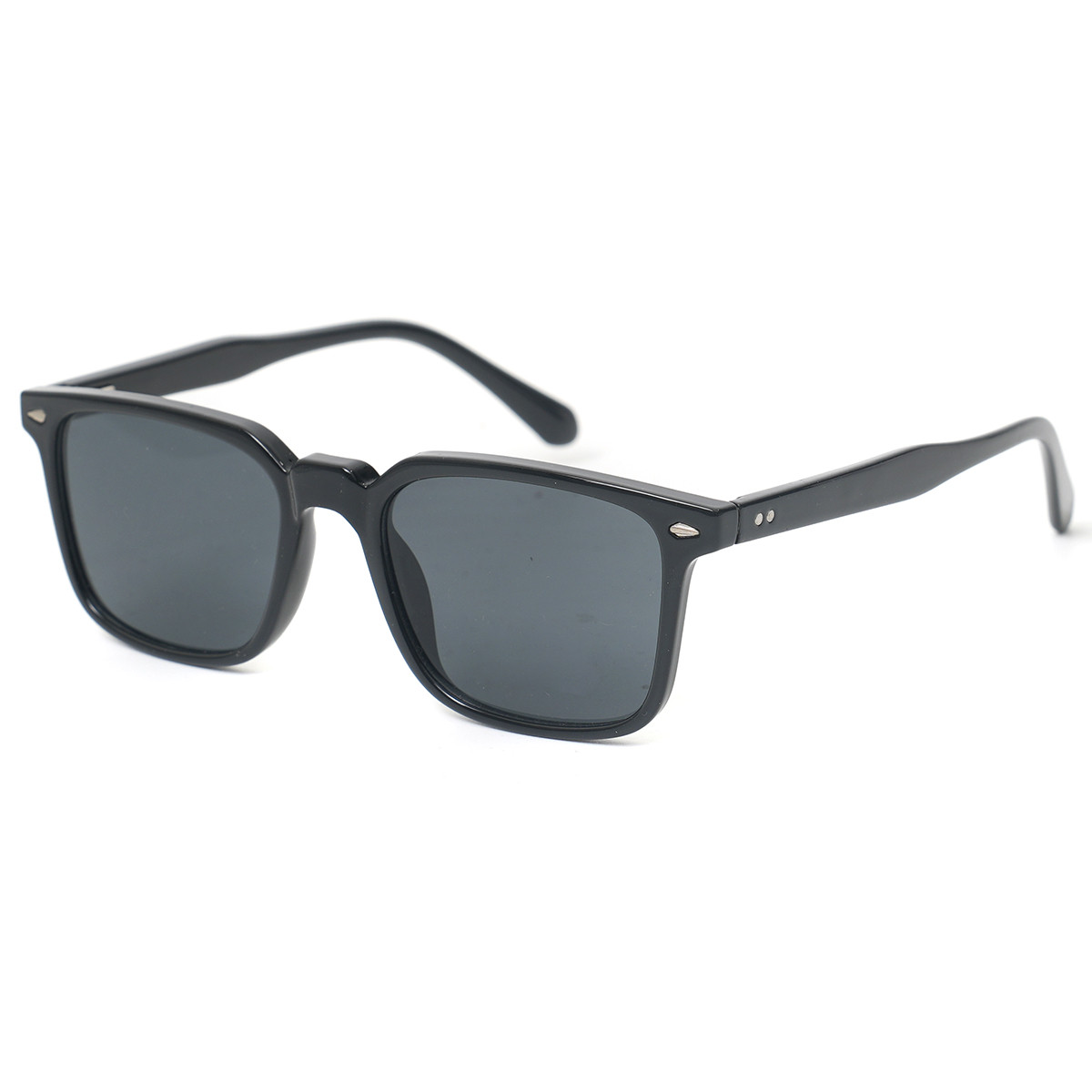
Request Material Samples from READSUN
Reading a matrix is one thing; feeling the difference is another. READSUN produces all four material families in-house and supplies side-by-side material sample sets - acetate finishes, TR90 and Ultem variants, titanium temple builds - so buyers can judge weight and finish before committing a tier structure. Shortlist from the eyewear frame materials overview, browse the acetate optical frames range for the hero tier, and request samples against your 2027 tier plan.
Common questions
Can one collection mix all four materials?
Yes, and most mature assortments do. The discipline is tier clarity: each material maps to a defined price tier and role, so the mix reads as a structured line rather than a random shelf.
Can tooling be shared between materials?
No - injection tooling for TR90/Ultem and acetate machining fixtures are separate investments with no overlap. Budget them as independent lines; the shared element is the design language, not the tooling.
Which material has the longest development lead time?
Acetate typically runs the longest sampling chain because colour and finish require physical rounds; TR90 lead time concentrates in mould commissioning; titanium in process setup. Plan the acetate hero models first in any seasonal calendar.