 Aviator
 Cat-eye
 Square
 Oval
Oval Rectangular
 Round
RoundEyeglass Material Showdown – Titanium, Acetate, TR‑90: Pros, Cons & Picks
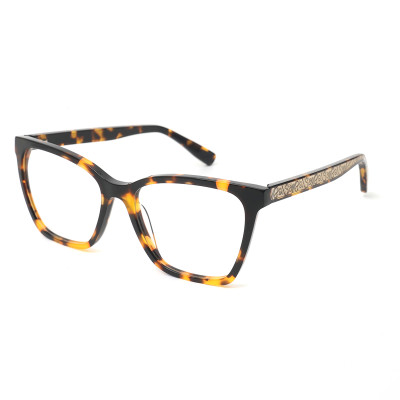
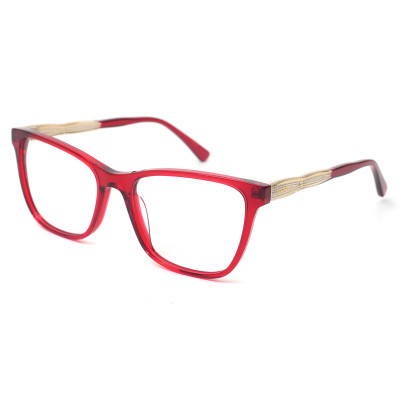
Frame material is the single largest driver of how a pair of glasses fits, lasts, and feels on the face[reference:0]. Titanium, acetate, and TR-90 are the three dominant materials in modern eyewear—each with a distinct set of strengths and trade-offs. At READSUN Optical, we manufacture frames in all three materials for B2B partners worldwide. This guide breaks down the real differences so you can match the right material to your product line. Titanium is widely regarded as the premium metal frame material. It offers an exceptional strength-to-weight ratio—in its unalloyed form, it can be as strong as steel while weighing significantly less[reference:1]. Best for: Premium collections, all-day wear, sensitive skin, humid or coastal climates[reference:7]. Acetate (cellulose acetate) is a plant-derived plastic made from cotton or wood pulp combined with plasticizers and pigments[reference:8]. It dominates fashion eyewear because color and pattern can be embedded into the material itself rather than applied as a surface coating, producing depth and richness no painted plastic can match[reference:9]. Best for: Fashion-forward eyewear, bold statement frames, colorful collections, and premium designer lines[reference:17]. TR-90 is a flexible nylon-based polymer (thermoplastic polyamide) developed for sports eyewear and youth frames[reference:18]. It bends without breaking, weighs almost nothing, and resists impact. The trade-off is that the same flexibility that makes it durable also makes it harder to hold a precise adjustment[reference:19]. Best for: Kids' eyewear, sports and performance frames, budget-friendly lightweight collections, and active wearers[reference:27]. For B2B buyers and eyewear brand owners, the choice of material should align with your target market, price positioning, and brand identity. At READSUN Optical, we manufacture optical frames in titanium, acetate, and TR-90 for B2B partners worldwide. Our team can help you: Whether your customers prioritize fashion, comfort, or performance, we have the manufacturing capability to deliver. There is no single "best" frame material—the right choice depends on your target customer and product positioning. Titanium wins on premium comfort and skin safety. Acetate wins on color, style, and fashion appeal. TR-90 wins on durability, light weight, and value. Many successful eyewear brands carry all three to serve different customer segments and price tiers. 👉 Ready to source frames in titanium, acetate, or TR-90? Contact READSUN Optical to discuss your OEM/ODM requirements.Eyeglass Material Showdown – Titanium, Acetate, TR-90: Pros, Cons & Picks

Titanium: The Premium Metal Option
Advantages
Disadvantages
Acetate: The Fashion Leader
Advantages
Disadvantages
TR-90: The Performance Champion
Advantages
Disadvantages
Material Comparison at a Glance
Feature
Titanium
Acetate
TR-90
Weight
Very light (8–14g)
Moderate (25–40g)
Ultra-light (8–15g)
Durability
Excellent
Good
Outstanding
Hypoallergenic
Excellent (nickel-free)
Good
Excellent
Color Variety
Limited
Exceptional
Moderate
Adjustability
Limited
Excellent (heat)
Moderate
Cost
High
Wide range
Low to moderate
Best For
Premium, sensitive skin
Fashion, style variety
Kids, sports, active use
How to Choose the Right Material for Your Product Line
Choose Titanium If:
Choose Acetate If:
Choose TR-90 If:
How READSUN Optical Can Help
Conclusion