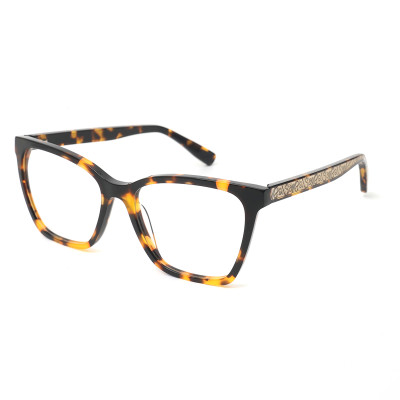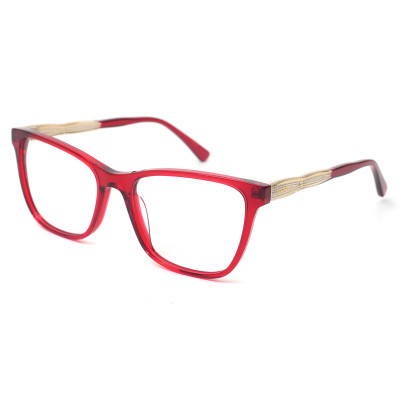
 Aviator
 Cat-eye
 Square
 Oval
Oval Rectangular
 Round
RoundThe Top Benefits of Blue Light Reading Glasses: Protect Your Eyes with Readsun Optical
If you spend hours each day reading on a smartphone, tablet, or computer screen, you've likely experienced the telltale signs: tired eyes, blurred vision, and a dull headache by mid-afternoon. Blue light reading glasses are designed to address exactly this problem—combining the magnification you need for close-up reading with a lens filter that reduces the most energetic part of the visible light spectrum. At READSUN Optical, we manufacture blue light filtering reading glasses for B2B partners worldwide. This guide covers what blue light actually does, what the research says, and how to choose the right pair for your needs. Blue light is the portion of the visible light spectrum with the shortest wavelengths—roughly 380 to 500 nanometers. It has the highest energy of any visible light. Natural sources include the sun; artificial sources include LED lighting, smartphones, computer monitors, and tablets. The blue-violet range (roughly 415–455 nm) is the segment most often targeted by blue light filtering lenses, because it corresponds to the peak absorption spectrum associated with photochemical stress in retinal cells[reference:0]. Blue-turquoise light (around 480–500 nm) plays a legitimate role in regulating circadian rhythm, mood, and alertness. Many modern blue light filters are designed to block the potentially problematic blue-violet range while allowing beneficial blue-turquoise light to pass through[reference:1]. This selective filtering is why quality blue light lenses don't have a heavy yellow tint. Blue light reading glasses combine two functions in a single frame: Filter strength varies significantly by manufacturer. Common specifications range from 30% to 65% blocking of blue-violet light, with some specialized lenses claiming over 90%[reference:2][reference:3]. Higher blocking percentages typically produce a more noticeable yellow or amber tint. Digital eye strain—characterized by sore, tired, or itchy eyes after screen use—is a common complaint among people who read on digital devices. Blue light filtering lenses are marketed specifically for this use case, with manufacturers reporting reduced symptoms of eye strain and visual discomfort[reference:4]. It's worth noting that the clinical evidence is mixed. A 2023 Cochrane systematic review of 17 randomized controlled trials concluded that blue-light filtering lenses may not reduce short-term eye strain associated with computer work compared to non-filtering lenses[reference:5]. However, individual user experiences vary widely, and many people report meaningful subjective relief. Experimental evidence supports the potential for blue-light-filtering lenses to reduce oxidative stress and phototoxicity in retinal cells. Some research suggests a possible role in protecting against retinal damage associated with age-related macular degeneration (ARMD)[reference:6]. This is a longer-term benefit that is still being studied. Evening exposure to blue light suppresses melatonin production, which can disrupt sleep timing. Blue light blocking glasses worn in the evening have been shown to attenuate light-induced melatonin suppression and help prevent phase-delay shifts of circadian rhythms[reference:7]. For anyone who reads on a screen before bed, a pair of blue light reading glasses can be a practical tool for protecting sleep quality without giving up evening reading habits. Most blue light reading glasses also include anti-reflective (AR) coatings, which reduce glare from overhead lights and screen reflections. This is particularly helpful for indoor reading environments where overhead fluorescent or LED lighting creates distracting reflections on screens and paper. If your reading is primarily from paper and you don't experience sleep disruption or screen-related eye discomfort, standard reading glasses may be sufficient. Blue light filtering adds the most value when screen use is a significant part of your daily routine. Use the same magnification you would for standard reading glasses. If you're between two strengths, choose the lower option to avoid over-correction. Look for the blocking percentage and the wavelength range. A filter that blocks 30–40% of blue-violet light (415–455 nm) offers a good balance between protection and natural color perception. Higher blocking percentages increase the yellow tint. AR coating is essential for screen reading. Without it, reflections from overhead lights will offset much of the comfort benefit from the blue light filter itself. If you'll be wearing these glasses for hours at a time, prioritize lightweight materials like TR-90 or titanium. Look for adjustable nose pads and spring hinges for a secure fit. At READSUN Optical, we manufacture blue light filtering reading glasses for B2B partners, optical retailers, and brand owners worldwide. Our capabilities include: The global blue light blocking glasses market is projected to grow from USD 22.09 million in 2025 to USD 37.84 million by 2033, representing a CAGR of 6.96%[reference:8]. Now is an excellent time to enter or expand in this category. Blue light reading glasses aren't a cure-all, and the clinical evidence on short-term eye strain is mixed. But for anyone who reads on screens regularly—especially in the evening—they offer a practical combination of magnification, glare reduction, and blue-violet light filtering that can improve comfort and protect sleep quality. 👉 Ready to source blue light reading glasses for your brand? Contact READSUN Optical to discuss your OEM/ODM requirements, filter specifications, and production timelines.The Top Benefits of Blue Light Reading Glasses: Protect Your Eyes with READSUN Optical

What Is Blue Light and Where Does It Come From?
Not All Blue Light Is Bad
How Blue Light Reading Glasses Work
Key Benefits of Blue Light Reading Glasses
1. Reduced Digital Eye Strain Symptoms
2. Protection Against Photochemical Stress
3. Better Sleep Quality
4. Reduced Glare and Improved Visual Comfort
Blue Light Reading Glasses vs. Standard Reading Glasses
Feature
Standard Reading Glasses
Blue Light Reading Glasses
Magnification
Yes (+1.00 to +3.00+)
Yes (+1.00 to +3.00+)
Blue Light Filter
No
Yes (30–65% blue-violet blocking)
Anti-Reflective Coating
Optional
Usually included
Lens Tint
Clear
Slight yellow/amber (varies by filter strength)
Best For
Paper reading, general close-up tasks
Screen reading, evening reading, hybrid paper + digital use
Typical Price Range
Budget to mid-range
Mid-range to premium
Who Should Consider Blue Light Reading Glasses?
How to Choose the Right Blue Light Reading Glasses
Step 1: Confirm Your Diopter Strength
Step 2: Check the Blue Light Filter Specification
Step 3: Confirm Anti-Reflective Coating
Step 4: Consider Frame Comfort for Extended Wear

How READSUN Optical Can Help
Conclusion: A Smart Addition to Your Eyewear Routine