
Designed to Reflect You
Global Eyewear Brands’ First Choice in Manufacturing
 Aviator
 Cat-eye
 Square
 Oval
 Rectangular
 Round
Why do acetate frames cost more than injection frames?
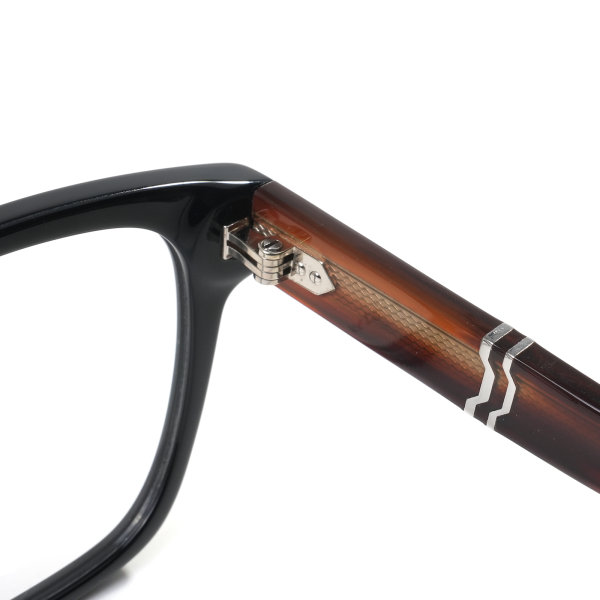
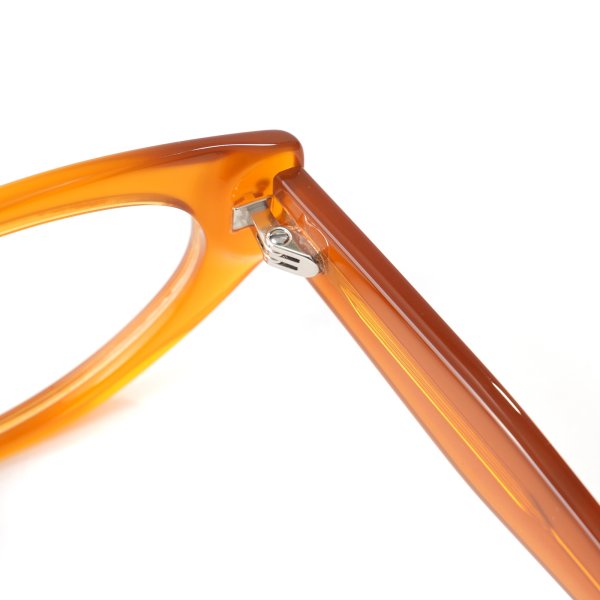
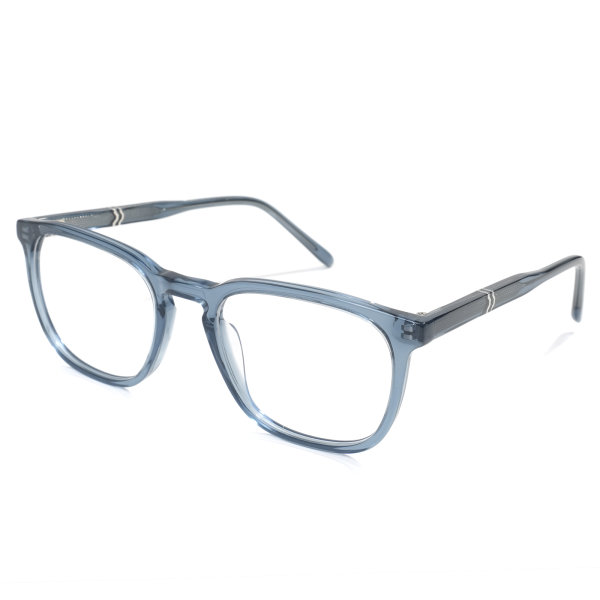
Acetate frames cost more because sheet material is cut from blocks and polished by hand over several days, while injection frames are machine-molded from pellets in seconds. The premium buys richer layered color, a better adjusted fit and longer service life — not just a brand markup.
Where the Cost Difference Comes From
| Cost driver | Injection frames | Acetate sheet frames |
|---|---|---|
| Material form | Pellets molded in seconds | Sheet blocks cut by CNC, wasting part of the block |
| Shaping | Fully automated once the mold exists | Machined, then filed and adjusted by hand |
| Polishing | Tumble only | Multi-stage tumbling plus hand polishing |
| Color depth | Single-tone pigment in the mold | Layered grain and gradients inside the sheet |
| Fit adjustment | Fixed by the mold | Heated and shaped per face at finishing |
How Buyers Should Decide
- High-volume promo lines: injection keeps unit cost low where color depth matters less — see when injection molding makes sense.
- Fashion and brand lines: acetate's layered color and adjustability justify the premium at retail.
- Hybrid strategy: many brands run injection on entry SKUs and acetate on hero styles to balance margin.
Not a quality gap: injection frames from a good toolmaker are perfectly serviceable. The acetate premium is about material character and finishing labor, and you should pay it only where your retail position can recover it.
Unsure which construction fits your margin? Ask READSUN for injection and acetate cost comparisons on your sketch.
Are you looking for a reliable manufacturer of Optical Frames products?
We can quickly provide customers with market analysis, technical support and customized services.Products
Ability
