
 Aviator
 Cat-eye
 Square
 Oval
 Rectangular
 Round
How are acetate frames made?
Acetate frames are made from plant-based sheet acetate that is cut, milled by CNC, hand-polished, fitted with hinges, and finally adjusted and inspected. The color runs through the whole sheet, so edges show rich patterns instead of surface paint. READSUN produces acetate frames on dedicated lines using this full process, which keeps both finish and consistency under control.
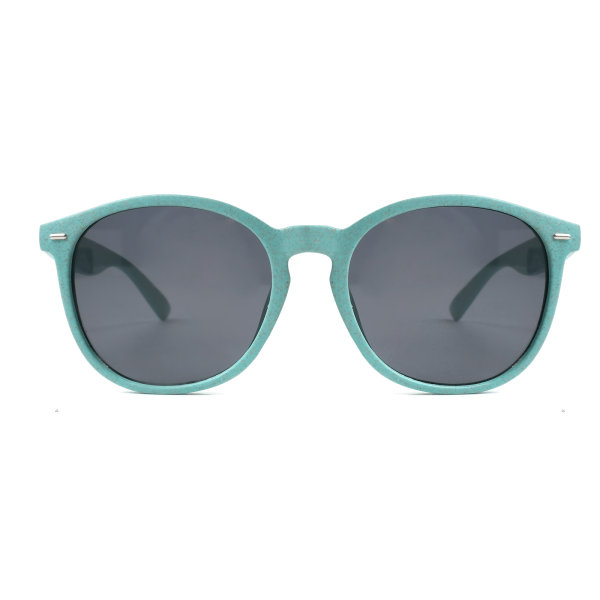

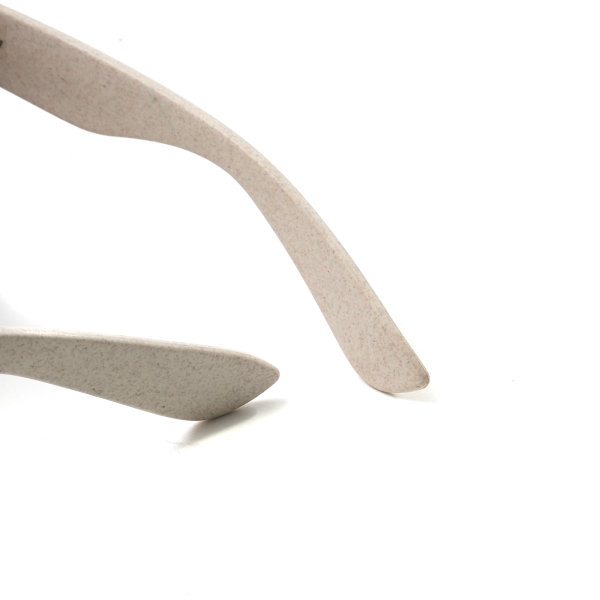
The Acetate Frame Production Process
- Sheet selection: pick the acetate color and thickness for the design.
- Cutting: the sheet is cut into rough frame blanks.
- CNC milling: machines shape the fronts and temples to spec.
- Hand polishing: edges are polished to a deep, glossy finish.
- Hinge fitting: metal hinges are set and secured.
- Assembly and adjustment: parts are joined and aligned for fit.
- Inspection: each frame is checked before packaging.
Why Acetate Beats Painted Plastic
Because the color is part of the material, acetate frames resist chipping and show unique depth at every angle. The same plant that mills them also runs injection and metal lines, so buyers can mix materials in one order. See the setup on our manufacturing capabilities page.
How READSUN Makes Acetate Frames
Start from custom optical frames to see acetate models you can adapt, or contact the team through manufacturing capabilities for a material-specific quote.
Want acetate frames made to spec? Explore custom acetate frames with READSUN.
Are you looking for a reliable manufacturer of Optical Frames products?
We can quickly provide customers with market analysis, technical support and customized services.Products
Ability
