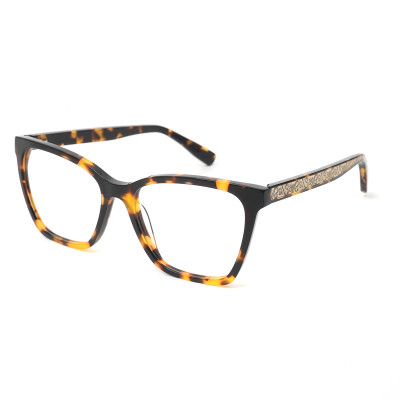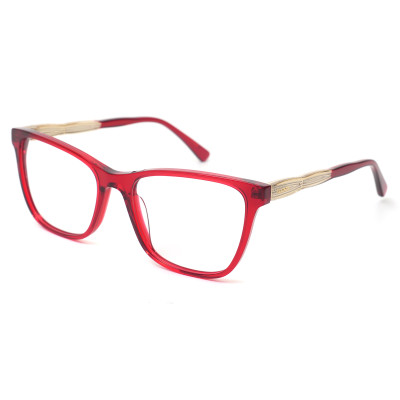
 Aviator
 Cat-eye
 Square
 Oval
Oval Rectangular
 Round
RoundDo optical frames require FDA 510(k) clearance?
Short answer: In most cases, no. Standard optical frames are generally not classified as medical devices by the FDA, so they usually do not require 510(k) clearance. However, prescription lenses, certain sunglasses, and products with medical claims may fall under FDA rules. Always check the FDA product classification database for your exact product.
FDA 510k Optical Frames: What It Means for Eyewear Importers
FDA 510(k) is a premarket notification process for medical devices. Optical frames are often treated as general consumer products, not medical devices. That is why many importers do not need 510(k) clearance for frames alone.
But the answer can change when you sell a complete pair of glasses or make health-related claims. Prescription lenses, some sunglasses, and safety eyewear may follow different FDA rules. If you are unsure, review the product classification first.
- Optical frames only: Usually not a medical device and usually no 510(k).
- Prescription lenses: May be regulated as medical devices.
- Sunglasses: May need impact resistance and labeling compliance.
- Medical claims: Can trigger FDA device rules even for frame products.
For production and quality context, see Manufacturing Excellence.
Required Standards and Test Methods: FDA 510(k)
Even when 510(k) is not required, other FDA-related checks may still apply. The table below helps B2B buyers separate common product types.
| Product Type | FDA 510(k) Usually Needed? | Other FDA Points to Check |
|---|---|---|
| Optical frames only | No | General product safety and labeling |
| Prescription eyeglasses | May apply | Lens classification and prescription rules |
| Sunglasses | Usually exempt but regulated | Impact resistance, UV claims, labeling |
| Safety glasses | Different rules | ANSI Z87.1 or EN 166 may apply |
FDA 510k Optical Frames: Documents and Certificates to Request
When you import eyewear into the U.S., ask your supplier for the documents that match your product. This helps you answer customs, retail, and platform questions faster.
- Material declaration for frame and lens
- Lens impact resistance test report, if applicable
- UV protection test report for sunglasses
- Labeling and instruction documents
- Nickel release report for metal frames
- Supplier quality records and inspection reports
Buyers can also review about READSUN Optical for quality system and certification support.
FDA 510(k) Explained Step by Step
- Confirm what you are selling: frames only, complete glasses, or sunglasses.
- Check the FDA product classification database for your product code.
- See whether the product is exempt from 510(k) or requires premarket notification.
- Prepare test reports and labeling documents for the U.S. market.
- Consult a FDA regulatory specialist if your product makes medical claims.
FDA 510k Optical Frames: Test Reports and Declaration of Conformity
For U.S. importers, test reports often matter more than a generic certificate. Request reports that clearly show the product name, model number, test standard, test date, and lab information. If you sell custom sunglasses, check impact resistance and UV claims carefully.
How READSUN Supports FDA 510k Optical Frames for Global Clients
READSUN supports eyewear brands and importers with material selection, sample development, quality inspection, and export documentation. We can help you prepare the right questions for your FDA compliance review.
- Frame and lens material records
- Surface finish and nickel release review
- AQL-based inspection before shipment
- Custom logo, color, and packaging support
- OEM and ODM project coordination
To discuss your U.S. market project, review custom optical frames or explore OEM & ODM eyewear services.
Next step: Confirm your product type, check FDA classification, and request the matching test reports before bulk production.