 Aviator
 Cat-eye
 Square
 Oval
Oval Rectangular
 Round
RoundWhat does frame durability testing involve?
Short answer: Frame durability testing involves mechanical, chemical, and visual checks that simulate real-world use. It usually covers hinge fatigue, frame strength, lens rim stability, corrosion resistance, sweat exposure, coating adhesion, and finish wear. The aim is to confirm that eyeglass frames can survive daily handling, shipping, and long-term wear before bulk production.
Frame Durability Test: What It Covers for B2B Buyers
A frame durability test is not one single test. It is a group of checks designed to show how a frame performs after repeated opening, bending, cleaning, sweating, and transport. For importers and eyewear brands, the results help reduce return risk and support supplier comparison.
- Hinge fatigue test: Opens and closes the temples thousands of times to check screw, barrel, and spring hinge performance.
- Eyeglass frame strength test: Applies controlled pressure to temples, bridge, rims, and solder joints.
- Corrosion and sweat resistance: Tests metal parts for tarnish, peeling, and nickel release risk.
- Coating and finish adhesion: Checks plating, paint, and polish for flaking or fading.
- Dimensional stability: Confirms the frame keeps its shape and fit after heat, stress, and handling.
These checks are often reviewed alongside factory quality records. Buyers can also review Manufacturing Excellence to understand how production controls affect final frame reliability.
Frame Durability Testing: Key Tests and Standards
Durability testing should match the frame material, target market, and use case. A metal optical frame, an acetate frame, and a sporty TR90 frame may need different test priorities. Common reference points include ISO 12870, EN ISO 12870, nickel release requirements, and AQL inspection plans.
| Test Area | What It Checks | Why B2B Buyers Care |
|---|---|---|
| Hinge fatigue test | Temple open/close cycles | Fewer loose or broken hinges |
| Frame strength test | Temple, bridge, rim pressure | Lower shipping and use damage |
| Corrosion test | Sweat, salt, humidity exposure | Better metal frame lifespan |
| Finish adhesion test | Plating, paint, polish durability | Fewer visual defects and claims |
Eyeglass Frame Strength Test and Hinge Fatigue Test Explained
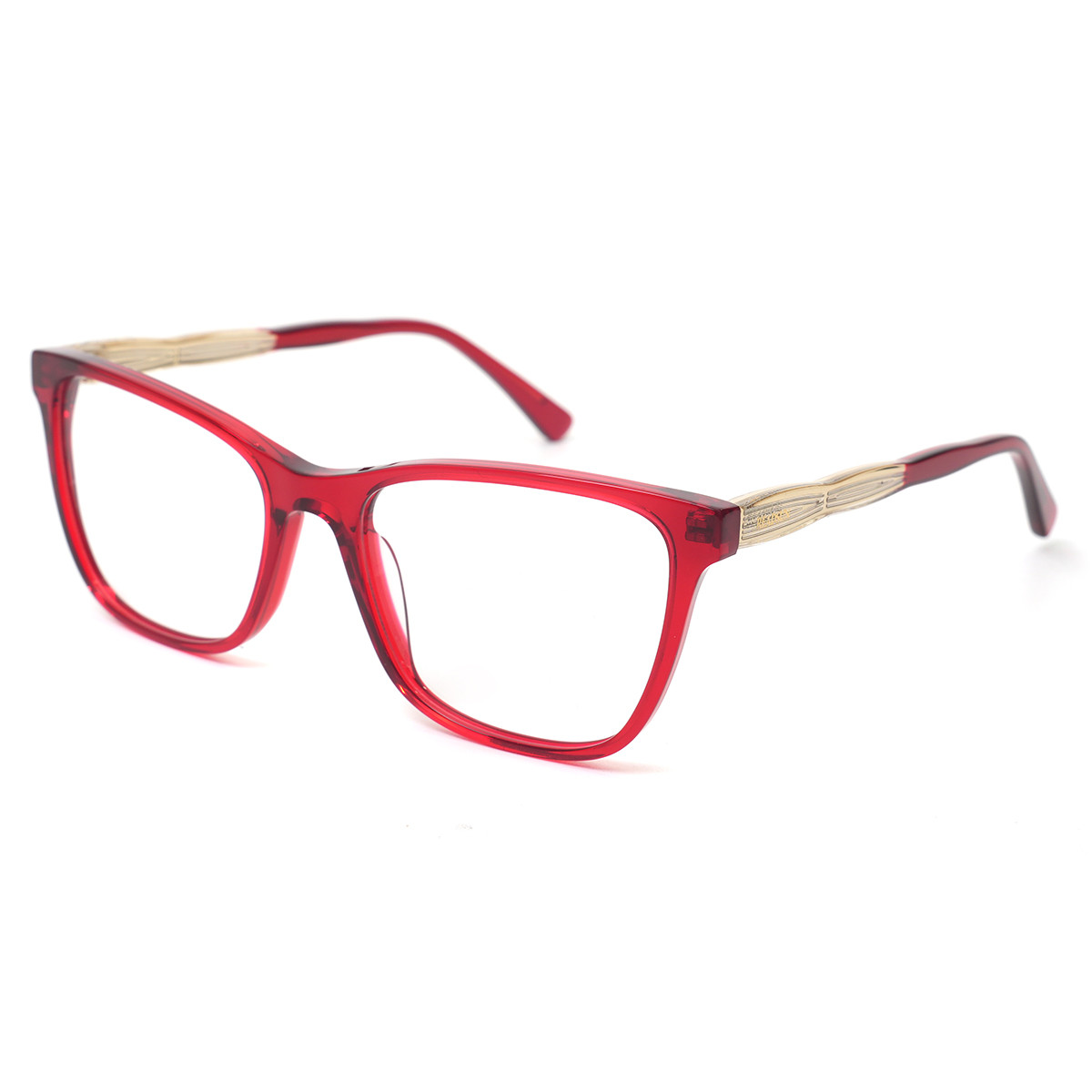
The eyeglass frame strength test focuses on the frame structure. It checks whether the front, bridge, endpieces, and temples can resist pressure without bending, cracking, or breaking. The hinge fatigue test focuses on movement. It simulates repeated wearing and storage, especially for barrel hinges and spring hinges.
For custom projects, buyers should confirm the hinge type before testing. A standard barrel hinge, spring hinge, and hidden hinge may need different pass criteria. If you are developing custom optical frames, ask the factory to document the hinge specification and test method in the sample approval sheet.
Frame Durability Test: Specifications B2B Buyers Should Confirm
Before ordering, confirm these details in writing:
- Frame material and surface finish
- Hinge type and expected open/close cycles
- Coating or plating thickness, if applicable
- Nickel release requirement for the target market
- Accepted AQL level and defect definitions
- Test report format and sample size
Frame Durability Testing for Wholesale and Custom Programs
For wholesale orders, durability testing helps protect inventory quality and brand reputation. For custom programs, it helps align design intent with factory execution. A frame may look correct in a photo but still fail after repeated hinge movement or sweat exposure.
READSUN supports both stock-style and custom development paths. Buyers can combine durability requirements with logo, color, packaging, and material choices through OEM & ODM eyewear services.
How READSUN Handles Frame Durability Testing
At about READSUN Optical, durability is reviewed through material selection, in-line checks, final inspection, and pre-shipment review. Testing can be adjusted for acetate, TR90, titanium, stainless steel, monel, and mixed-material frames.
- Material and component verification before production
- Hinge and temple function checks during assembly
- Surface finish and plating review
- AQL-based final inspection before packing
- Test report and quality document support on request
More production control details are available on Manufacturing Excellence.
Documentation, Test Reports, and Warranty Support
B2B buyers should request the documents that match their market. These may include test reports, material declarations, coating information, nickel release reports, inspection records, and warranty terms. Clear documents help reduce disputes after shipment and make it easier to explain quality to retail partners.
Frame Durability Test: MOQ, Lead Time, and Pricing
MOQ, lead time, and pricing for durability testing depend on the frame material, test scope, order volume, and whether the frame is stock or custom. Simple hinge and strength checks can often be added to normal inspection. Full third-party testing may require extra samples and time.
To get an accurate plan, share your frame type, target market, expected order quantity, and required test standard.
Next step: Review custom optical frames or contact READSUN to discuss your durability testing requirements before bulk production.