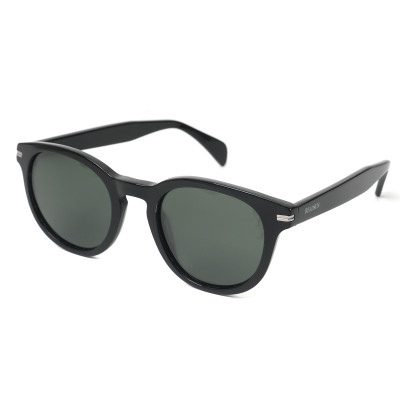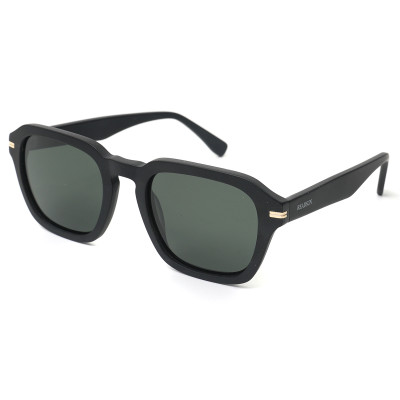
 Aviator
 Cat-eye
 Square
 Oval
Oval Rectangular
 Round
RoundWhat quality tests are done on eyeglass frames?
The main quality tests on eyeglass frames are hinge fatigue testing, salt spray corrosion testing, nickel release testing, tensile and drop testing, sweat resistance, color fastness, and dimensional stability. These tests confirm that a frame can survive daily wear, meet market regulations, and protect brand reputation. For B2B buyers, test reports are essential before bulk production. READSUN Optical runs these eyeglass frame testing procedures for every order.

Eyeglass Frame Testing: What It Means for Eyewear Importers
Eyeglass frame testing is the process of checking a frame against physical, chemical, and durability standards. It goes beyond visual inspection. Visual checks catch surface defects. Standard tests confirm how the frame performs over time and whether it meets the regulations of the destination market.
For importers and brands, testing has three commercial effects:
- Lower return rate: frames that pass durability tests are less likely to fail in daily use.
- Regulatory compliance: nickel release and material safety tests are required in the EU and other markets.
- Stronger brand reputation: consistent quality builds trust with retailers and end customers.
A frame that skips testing may look fine in photos but break within weeks. Testing is the only way to confirm that a batch is safe, durable, and market-ready.
Required Standards and Test Methods: Eyeglass Frame Testing
Professional testing combines physical tests, chemical tests, and compliance checks. The table below shows the most common frame quality tests used in eyewear production.
| Test | What it checks | Common standard |
|---|---|---|
| Hinge fatigue test | Hinge survives repeated open-close cycles | 10,000+ cycles, in-house standard |
| Salt spray test | Metal plating resists corrosion from sweat and humidity | ISO 9227, ASTM B117 |
| Nickel release test | Nickel release stays below regulatory limit | EN 16128, EU REACH |
| Tensile / pull test | Welds and joints hold under pulling force | In-house standard |
| Drop test | Frame survives normal handling without breakage | In-house standard |
| Sweat resistance test | Plating and finish resist sweat corrosion | ISO 12870 related |
| Color fastness test | Color does not fade or transfer | In-house standard |
| Dimensional stability test | Frame keeps shape under heat or stress | ISO 12870 |
For metal frames, salt spray and nickel release are the highest priority. For acetate frames, dimensional stability and color fastness matter most. For TR90 frames, hinge fatigue and drop test are the key checks.
Eyeglass Frame Testing: Documents and Certificates to Request
Buyers should request test reports before shipment. These documents support customs clearance, market entry, and after-sales claims.
- Hinge fatigue test report: confirms hinge durability after thousands of cycles.
- Salt spray test report: confirms corrosion resistance for metal frames.
- Nickel release test report: required for EU and other regulated markets.
- Tensile / pull test report: confirms weld and joint strength.
- Drop test report: confirms frame survives normal handling.
- Sweat resistance test report: confirms plating and finish performance.
- Material composition report: confirms the base material and grade.
- ISO 12870 test report: common spectacle frame standard for EU markets.
- Declaration of conformity: confirms the product meets destination market rules.
Buyers should verify that the report date and batch number match the actual shipment. Old reports from a different batch are not valid evidence of current quality.
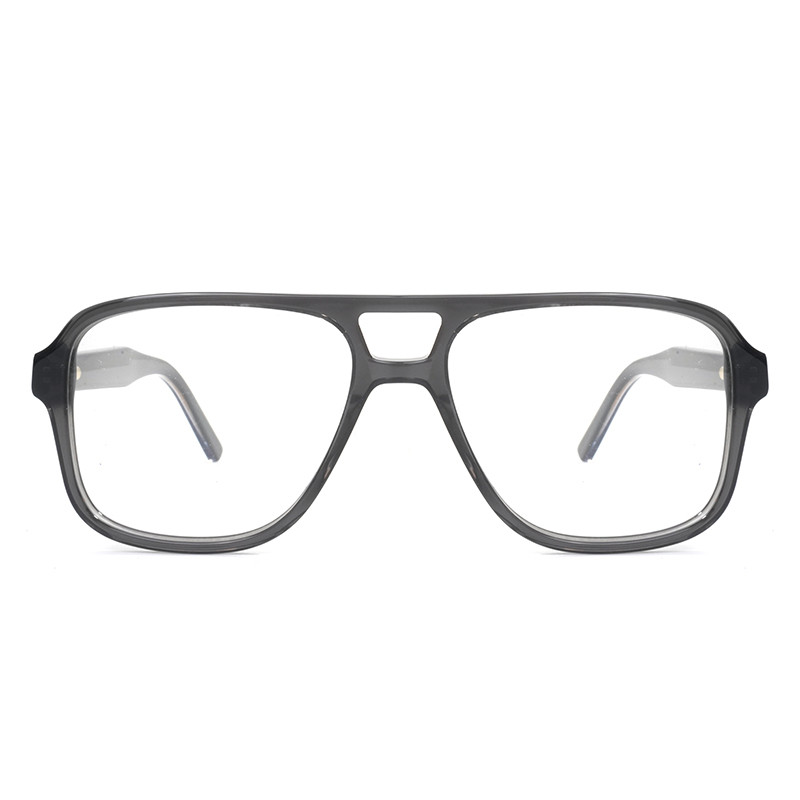
Eyeglass Frame Testing Explained Step by Step
Buyers can run a simple five-step test on any sample before approving a bulk order. The check takes a few minutes per frame and catches most common issues.
- Open and close the hinge 20 times. The action should stay smooth. Listen for squeaks or grinding. Check for loose play.
- Inspect the weld joints. Look for cracks, dark spots, or gaps. A good weld is smooth and clean.
- Check the surface finish. Hold the frame under bright light. Look for scratches, bubbles, or uneven color.
- Place the frame on a flat table. All four temple tips should touch the surface evenly. If not, the frame is warped.
- Apply light pressure to the temple. The frame should flex slightly and return to shape without cracking or bending out of alignment.
For bulk shipments, buyers should sample multiple cartons, not just the top layer. Defects often appear in lower layers or specific production batches.
Eyeglass Frame Testing: Test Reports and Declaration of Conformity
Test reports confirm that the frame meets the specification. Buyers should request reports for the exact batch being shipped. Common test reports include:
- Hinge fatigue test: confirms the hinge can survive thousands of open-close cycles.
- Salt spray test: confirms the plating resists corrosion from sweat and humidity.
- Nickel release test: confirms the frame meets EU REACH limits.
- Drop test: confirms the frame survives normal handling without breaking.
- Temple strength test: confirms the temple does not snap under pressure.
Buyers should match the report date and batch number with the actual shipment. This prevents suppliers from using old test reports for new production.
How READSUN Supports Eyeglass Frame Testing for Global Clients
READSUN Optical is a B2B eyeglass frame manufacturer with a documented testing system. Every order passes through physical and chemical testing before shipment.
Our testing process includes:
- Hinge fatigue testing: opens and closes the hinge for thousands of cycles to confirm durability.
- Salt spray testing: confirms plating and coating performance for metal frames.
- Nickel release testing: confirms compliance with EU and other market rules.
- Tensile and drop testing: confirms weld and joint strength.
- Sweat resistance testing: confirms the finish resists daily wear.
- Dimensional stability testing: confirms the frame keeps its shape.
- Documentation: material declaration, test reports, and certificates for every shipment.
Buyers can review custom optical frames for product options, or learn more about READSUN Optical.

Need reliable eyeglass frame testing for your next order?
Share your target material, structure, quantity, and market requirements. Our team will respond with a full testing plan and documentation package.
Contact READSUN Optical to start.
Eyeglass Frame Testing FAQ
What quality tests are done on eyeglass frames?
The main tests are hinge fatigue, salt spray corrosion, nickel release, tensile and drop testing, sweat resistance, color fastness, and dimensional stability. These tests confirm durability and market compliance.
What is hinge fatigue testing?
Hinge fatigue testing opens and closes the hinge repeatedly, usually 10,000 cycles or more, to confirm the hinge stays smooth and does not break. It is the most important durability test for any frame.
What is the salt spray test for eyewear?
The salt spray test exposes metal frames to a salt mist environment to check corrosion resistance. It confirms the plating or coating can withstand sweat and humidity. Common standards are ISO 9227 and ASTM B117.
What is nickel release testing?
Nickel release testing measures how much nickel escapes from metal parts that touch the skin. The EU REACH limit is 0.5 µg/cm²/week. EN 16128 is the standard test method for spectacle frames.
How often should eyeglass frames be tested?
Testing should be done for every new design and every production batch shipped to regulated markets. Buyers should also request random batch testing for ongoing orders to confirm consistency.
Can READSUN provide test reports with my order?
Yes. READSUN provides hinge fatigue test reports, salt spray test reports, nickel release test reports, and material declarations for every shipment. Contact us for a sample document package.
Request an eyeglass frame testing quote from READSUN Optical today. Share your target material, structure, quantity, and market needs, and our team will recommend the best testing plan for your program.