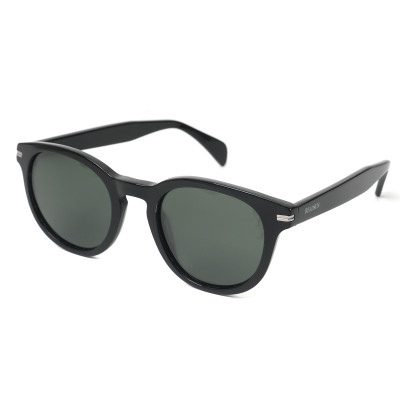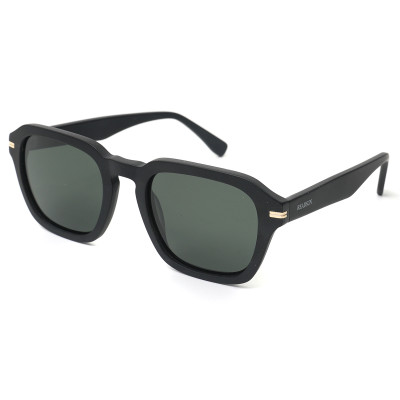
 Aviator
 Cat-eye
 Square
 Oval
Oval Rectangular
 Round
RoundWhat is the process of custom frame development?
Custom frame development follows seven main steps: requirement discussion, design drawing, engineering review, prototype or 3D printing, mold making, sample approval, and bulk production. Each step has its own timeline and decision point. Buyers who understand this process can plan launches more accurately, avoid delays, and control cost. READSUN Optical follows this workflow for all OEM & ODM eyewear services.
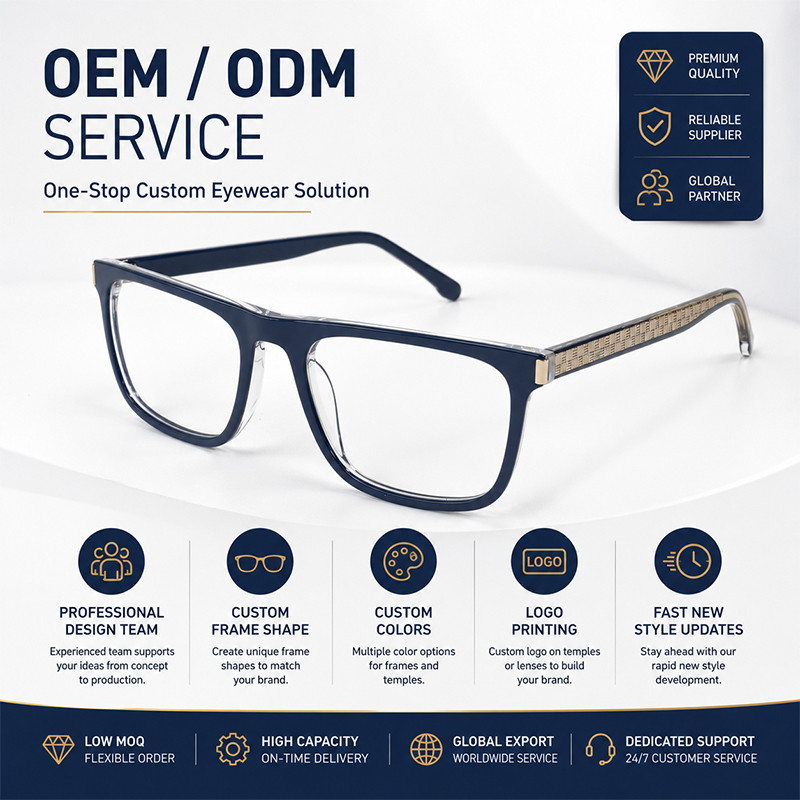
Eyewear Development Process: A Plain-English Explanation for B2B Buyers
The eyewear development process is the path from an idea to a finished frame ready for bulk production. It applies to acetate, TR90, titanium, and stainless steel frames. The steps are similar across materials, but the equipment, timeline, and cost differ.
The table below gives a quick overview of the seven stages.
| Stage | What happens | Typical duration |
|---|---|---|
| 1. Requirement discussion | Material, structure, size, color, logo, packaging, target market | 1–3 days |
| 2. Design drawing | 2D sketch or 3D model created from your brief | 3–7 days |
| 3. Engineering review | Feasibility, structure, tooling, cost check | 2–5 days |
| 4. Prototype or 3D printing | Physical hand sample or 3D printed model | 5–10 days |
| 5. Mold making | Steel mold, CNC template, or metal tooling | 15–30 days |
| 6. Sample approval | Engineering sample, confirmation sample, pre-production sample | 10–20 days |
| 7. Bulk production | Full run with AQL inspection and packaging | 30–45 days |
Timelines overlap in practice. For example, engineering review runs in parallel with design refinement. Buyers should confirm each stage clearly with the factory to avoid miscommunication.
Eyewear Development Process: Key Facts B2B Buyers Should Check
Each stage of the custom frame development process has a decision point. Missing a decision at one stage creates rework later. The points below summarize what buyers should confirm at each step.
Stage 1–2: Requirement and design
- Material choice: acetate, TR90, Ultem, titanium, stainless steel, or monel.
- Frame structure: full rim, semi-rimless, or rimless.
- Size range: A, B, ED, bridge, temple length, and frame width.
- Color: stock color, custom sheet color, or electroplated finish.
- Logo: laser engraving, stamping, silk printing, or metal plate.
- Packaging: standard export packing or branded packaging.
The design stage should produce a clear drawing or 3D file. Buyers should approve this before moving to engineering review. Changing the design later increases cost and delays the project.
Stage 3–4: Engineering review and prototype
- Structural feasibility: confirms the design can be produced and worn comfortably.
- Tooling plan: confirms which mold or template is required.
- Cost review: confirms the tooling and unit cost before committing.
- Prototype: hand sample or 3D printed model for hands-on review.
The prototype is the fastest and cheapest way to test the design. Buyers should check fit, weight, and proportions before approving the mold stage.
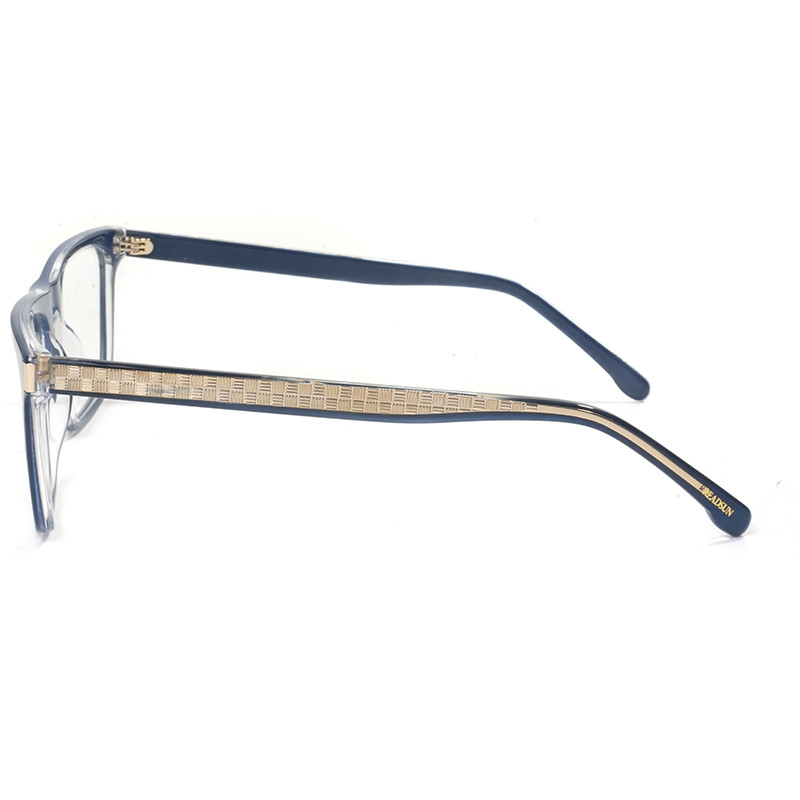
Stage 5–7: Mold, sample, and production
- Mold making: steel mold for injection frames, CNC template for acetate, metal tooling for metal frames.
- Engineering sample: first frame from the actual mold or tooling.
- Confirmation sample: final sample matching the approved specification.
- Pre-production sample: sample from the production line to confirm consistency.
- Bulk production: full run with AQL inspection, durability testing, and packaging.
Buyers should not skip the confirmation sample. It is the last chance to catch issues before mass production. Once bulk production starts, changes become expensive.
Buying Eyewear Development Process Wholesale: What B2B Importers Should Know
For wholesale buyers, the frame development steps are not only about production. They also affect budget, launch timing, and marketing plans. Buyers should plan the development timeline backward from their target launch date.
Three factors usually determine the schedule:
- Material: acetate, TR90, titanium, and stainless steel have different production speeds.
- Complexity: simple shapes move faster than complex structures or mixed materials.
- Volume: larger orders take longer but reduce unit cost.
Buyers should also confirm whether the factory can handle design, tooling, and assembly in one place. Factories that outsource mold making or plating often have longer lead times and less control over quality.
Eyewear Development Process: Specifications B2B Buyers Should Confirm
Before starting a custom frame project, confirm the following specifications in writing:
- Material: exact grade and source.
- Structure: full rim, semi-rimless, or rimless.
- Size: A, B, ED, bridge, temple length, and frame width.
- Color and finish: stock, custom, matte, glossy, or electroplated.
- Hardware: hinge type, nose pads, temple tips, screws.
- Logo: method, position, and file format.
- Packaging: material, dimensions, and print file.
- Compliance: nickel release, durability, and market-specific requirements.
- Sample approval stages: which samples require buyer sign-off.
- Warranty: coverage period and claim process.
A clear specification sheet prevents miscommunication. It also becomes the reference document for quality inspection and after-sales claims.
Eyewear Development Process: MOQ, Lead Time, and Pricing
MOQ, lead time, and pricing depend on the development route. Stock customization is fastest and cheapest. ODM modification sits in the middle. Full OEM development requires the most time and investment.
| Route | MOQ | Lead time | Cost level |
|---|---|---|---|
| Stock customization | 50–300 pcs | 7–15 days | Lowest |
| ODM modification | 300–1,000 pcs | 30–45 days | Medium |
| Full OEM development | 1,000+ pcs | 45–75 days | Highest |
For an accurate quotation, share your target specification, quantity, and market. READSUN will recommend the most suitable route and provide a full cost breakdown.
How READSUN Supports Eyewear Development Process
READSUN Optical is a B2B custom optical frame manufacturer supporting importers, eyewear brands, and distributors worldwide. We handle the entire development process in house, from design consultation to final shipment.
Our development workflow includes:
- Design consultation: material advice, structure review, and feasibility check.
- 3D modeling and prototyping: hand sample, 3D printed sample, and engineering sample.
- Tooling and mold making: steel mold, CNC template, or metal tooling depending on material.
- Sampling stages: engineering sample, confirmation sample, and pre-production sample.
- Quality control: AQL inspection, hinge fatigue test, salt spray test, and nickel release test.
- Documentation: material declaration, test reports, certificate of origin, and compliance files.
Buyers can review Manufacturing Excellence for production and quality details, or learn more about READSUN Optical.
Ready to start your custom frame development project?
Share your design, target material, structure, quantity, and market requirements. Our team will respond with a full development plan and quotation.
Contact READSUN Optical to begin.
Eyewear Development Process FAQ
What is the process of custom frame development?
Custom frame development follows seven steps: requirement discussion, design drawing, engineering review, prototype or 3D printing, mold making, sample approval, and bulk production. Each step has its own timeline and decision point.
How long does custom frame development take?
Full development typically takes 45–75 days after design approval, depending on material and complexity. ODM modification takes 30–45 days. Stock customization takes 7–15 days.
Do I need to approve samples before production?
Yes. Buyers should approve at least the confirmation sample before bulk production. Skipping sample approval increases the risk of defects and rework.
What design files do I need to send?
Send a hand sketch, 2D drawing, or 3D file such as STP, STEP, IGES, STL, or SolidWorks. A reference sample or photo also helps the factory understand the design intent.
Can READSUN handle the full development process?
Yes. READSUN handles design consultation, 3D modeling, prototyping, tooling, sampling, production, and quality control in house. Contact us with your project details for a full development plan.
Request a custom frame development quote from READSUN Optical today. Share your design, target material, quantity, and market needs, and our team will guide you through every stage of the process.