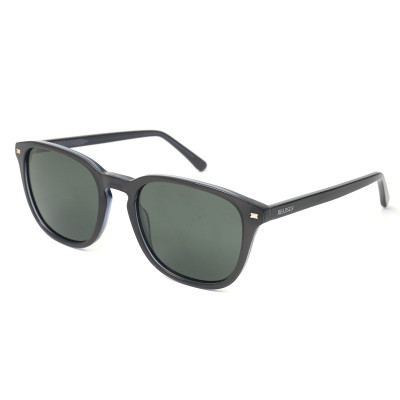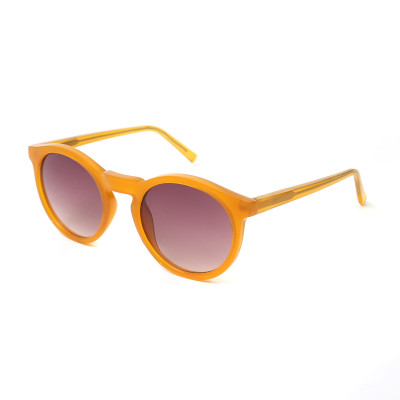
 Aviator
 Cat-eye
 Square
 Oval
Oval Rectangular
 Round
RoundWhat Does OEM Mean in Eyewear Manufacturing?
In eyewear manufacturing, OEM stands for Original Equipment Manufacturer. It means the factory produces eyeglass frames according to the buyer's design, specifications, or sample — not the factory's own design. The buyer owns the design, and the finished frames carry the buyer's brand. OEM is the standard model for brands that want full control over shape, material, size, and packaging. READSUN Optical supports OEM eyewear programs for wholesale, private label, and custom projects.
OEM Eyewear: Definition and Key Features for B2B Buyers
What does OEM mean in eyewear manufacturing? OEM means the buyer provides the design and the factory produces it. The buyer may supply a sketch, a 3D file, a technical drawing, or a physical reference sample. The factory handles tooling, production, assembly, and quality control.
The table below outlines the key features of OEM eyewear production.
| Feature | What it means |
|---|---|
| Design ownership | Buyer owns the design; factory produces to specification |
| Customization | Full — shape, material, size, hinge, logo, packaging |
| Exclusivity | High — design is unique to the buyer |
| Tooling | Required — molds, templates, or CNC programs |
| MOQ | Higher than ODM |
| Lead time | 45–75 days after sample approval |
| Best for | Established brands, exclusive collections, signature designs |

This table gives buyers a clear picture of OEM eyewear production. The key point is that the buyer controls the design, and the factory controls the production process.
What Does OEM Mean in Eyewear Manufacturing: Key Facts for Importers and Brands
For importers and brands, eyewear OEM is more than a production model. It affects brand identity, exclusivity, and long-term competitiveness. The table below summarizes the key factors buyers should confirm.
| Factor | What to check | Why it matters |
|---|---|---|
| Design files | Sketches, 3D files, tech pack, or reference sample | Determines tooling complexity and cost |
| Tooling ownership | Who owns the mold after production | Affects exclusivity and future reorders |
| Material specification | Acetate, TR90, titanium, stainless steel, or Monel | Affects price, durability, and compliance |
| Logo application | Laser engraving, silk printing, or metal logo plate | Affects brand presentation and cost |
| Sample approval | Pre-production sample stage | Ensures design accuracy before mass production |
| Compliance | Nickel release, CE, FDA, or other market requirements | Required for regulated markets |
| Packaging | Standard export or custom branded | Affects brand experience and logistics |
One important point is that what is OEM manufacturer in eyewear is not the same as a trading company. An OEM factory owns the production process — tooling, molding, assembly, and QC. A trading company outsources these steps. For buyers who need consistent quality and design control, working directly with an OEM factory is the better choice.
Another key point is that glasses OEM programs require clear design files and specifications. Buyers should prepare a tech pack with dimensions, material, color, hinge type, logo position, and packaging requirements. This reduces back-and-forth and speeds up sample approval.
OEM Eyewear Manufacturing for Wholesale and Custom Programs
For wholesale and custom programs, OEM eyewear should match the brand's positioning, price point, and target market. Buyers can develop new designs or modify existing ones through OEM.
Common strategies for eyewear OEM in B2B programs include:
- Signature collections: Fully custom designs with proprietary tooling.
- Premium metal lines: Titanium or stainless steel frames with custom hinges.
- Acetate fashion lines: Custom shapes and color patterns.
- Kids and sport lines: TR90 or Ultem frames with flex hinges.
- Asian fit programs: Metal frames with elevated nose pads and wider bridges.
- Allergy-sensitive markets: Titanium or acetate frames with low nickel release.
- Logo-focused programs: Custom logo application on temples or frame front.
Buyers can review OEM & ODM eyewear services for full details, or learn more about our Manufacturing Excellence for production and quality information.

OEM Eyewear: Specifications B2B Buyers Should Confirm
Before approving a quotation or sample, confirm these specifications:
- Design files: sketches, 3D files, tech pack, or reference sample.
- Material: acetate, TR90, Ultem, Optyl, titanium, beta titanium, stainless steel, or Monel.
- Structure: full rim, semi-rimless, or rimless.
- Size: lens width, bridge width, temple length, frame width, and lens height.
- Hinge type: standard, spring, barrel, hidden, integrated, or flex.
- Logo: laser engraving, silk printing, or metal logo plate.
- Packaging: standard export packing or custom branded packaging.
- Compliance: nickel release testing, CE, FDA, or other market requirements.
OEM Eyewear: MOQ, Lead Time, and Pricing
MOQ, lead time, and pricing depend on the design complexity, material, and order model. OEM requires tooling investment, which raises MOQ and extends lead time. Stock frames have the lowest MOQ and fastest lead time. ODM programs avoid tooling costs and have lower MOQ.
Typical OEM lead time is 45–75 days after sample approval. Tooling development adds 15–30 days. Sample development adds 7–14 days. Material also affects cost: acetate, TR90, titanium, and stainless steel have different production processes and price levels.
For an accurate quotation, share your design files, material, quantity, logo, packaging, and destination market. READSUN will recommend the best production path.
How READSUN Handles OEM Eyewear Manufacturing
READSUN Optical is a B2B custom optical frames manufacturer with experience producing OEM eyewear across all major materials. Our process includes design review, tooling development, material selection, production, and AQL inspection.
We work with acetate, TR90, Ultem, Optyl, titanium, beta titanium, stainless steel, and Monel. Our team supports design development, tooling management, color matching, logo branding, packaging, and compliance documentation. Buyers can review our Manufacturing Excellence for production and quality details.
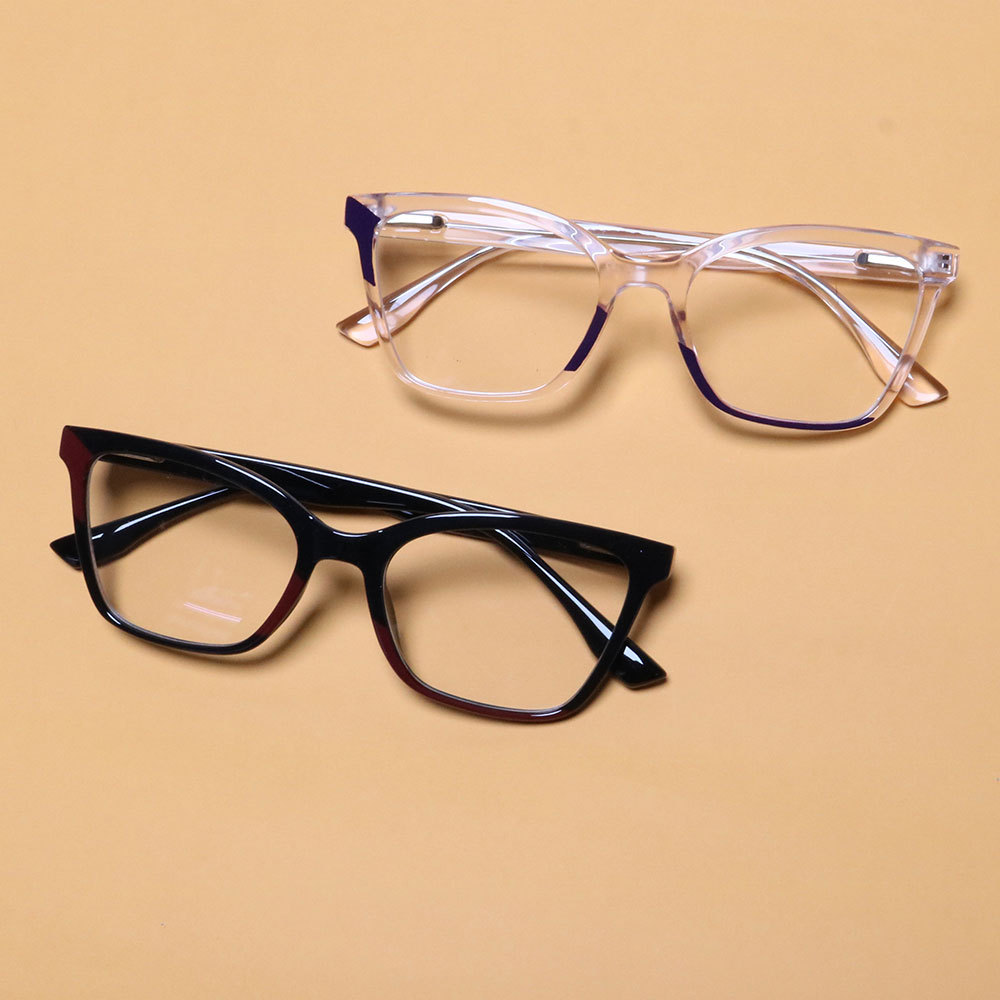
Need OEM eyewear for your brand? Contact READSUN Optical with your design files, material, quantity, and market needs. Our team will recommend the best solution for your program.
OEM Eyewear FAQ
What does OEM mean in eyewear manufacturing?
OEM means Original Equipment Manufacturer. In eyewear, it means the factory produces frames according to the buyer's design, specifications, or sample. The buyer owns the design and the finished frames carry the buyer's brand.
What is the difference between OEM and ODM in eyewear?
OEM means the buyer provides the design and the factory produces it. ODM means the factory provides an existing design and the buyer applies their own brand. OEM offers full customization and exclusivity. ODM offers faster launch and lower MOQ.
What do I need to provide for an OEM eyewear quote?
Provide sketches, 3D files, a tech pack, or a physical reference sample. Also share material, size, color, hinge type, logo requirements, packaging, quantity, and destination market.
Who owns the tooling in OEM eyewear production?
Tooling ownership depends on the agreement. In most OEM programs, the buyer pays for tooling and owns it. Buyers should confirm tooling ownership and reorder terms before production.
What is the MOQ for OEM eyewear?
MOQ depends on the design complexity, material, and tooling. OEM MOQ is higher than ODM because of tooling investment. Contact READSUN with your design and quantity for an exact MOQ.
How long does OEM eyewear production take?
Typical OEM lead time is 45–75 days after sample approval. Tooling development adds 15–30 days. Sample development adds 7–14 days. Material and design complexity also affect lead time.
Can READSUN produce OEM eyewear in any material?
Yes. READSUN produces OEM eyewear in acetate, TR90, Ultem, Optyl, titanium, beta titanium, stainless steel, and Monel. Contact us with your design and quantity for a quotation.
Request an OEM eyewear quote from READSUN Optical today. Share your design files, material, quantity, and market needs, and our team will recommend the best solution for your program.