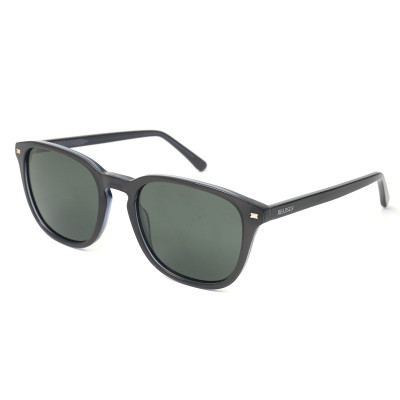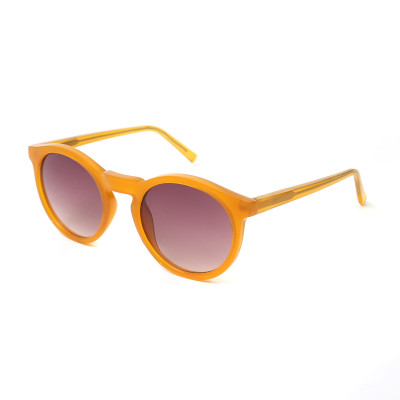
 Aviator
 Cat-eye
 Square
 Oval
Oval Rectangular
 Round
RoundWhat Is the Difference Between OEM and ODM in Eyewear?
The main difference between OEM and ODM in eyewear is who owns the design. In OEM (Original Equipment Manufacturing), the buyer provides the design, specifications, or sample, and the factory produces it. In ODM (Original Design Manufacturing), the factory provides an existing design or model, and the buyer applies their own brand, logo, and packaging. OEM offers full customization and brand exclusivity. ODM offers faster launch, lower MOQ, and lower development cost. For B2B buyers, the choice affects cost, timeline, exclusivity, and brand identity. READSUN Optical supports both OEM and ODM programs for wholesale, private label, and custom eyewear projects.
OEM vs ODM Eyewear: Side-by-Side Comparison for B2B Buyers
What is OEM and ODM in eyewear? Both models are common in the eyewear industry, but they serve different business goals. OEM is for buyers who want full control over design and exclusivity. ODM is for buyers who want to launch quickly with proven designs.
The table below compares OEM vs ODM eyewear across the factors that matter most to importers and brands.
| Factor | OEM | ODM |
|---|---|---|
| Design ownership | Buyer provides design or sample | Factory provides existing design |
| Customization | Full — shape, material, size, logo, packaging | Limited — logo, color, packaging, minor modifications |
| Brand exclusivity | High — design is unique to the buyer | Low — same model may be sold to other buyers |
| Development cost | Higher — tooling, molds, samples | Lower — no tooling required |
| MOQ | Higher | Lower |
| Lead time | Longer — 45–75 days | Shorter — 30–45 days |
| Best for | Established brands, exclusive collections | New brands, quick launches, test markets |

This comparison shows the main differences between OEM and ODM eyewear. Buyers should match the model to their brand stage, budget, and timeline.
Key Differences Between OEM and ODM Eyewear
Beyond the table, several practical differences affect sourcing decisions and long-term brand strategy.
Design Ownership and Exclusivity
In OEM, the buyer owns the design. This means the frame shape, dimensions, and specifications are unique to the brand. Competitors cannot buy the same model. In ODM, the factory owns the design. The same model may be sold to multiple buyers, which reduces exclusivity.
For brands that rely on distinctive designs, custom optical frames through OEM are the better choice. For brands testing a new market, ODM offers a faster, lower-risk entry.
Cost Structure and MOQ
OEM requires tooling, molds, and sample development. These costs add up, especially for complex designs. MOQ is also higher because the factory needs to recover tooling investment. ODM avoids tooling costs and has lower MOQ, which makes it accessible for new brands and small batch orders.
Buyers can review OEM & ODM eyewear services for detailed cost and MOQ information.
Timeline and Speed to Market
OEM takes longer because of design review, tooling, and sample approval. Typical OEM timeline is 45–75 days after sample approval. ODM is faster — 30–45 days — because the design already exists. For brands with tight launch schedules, ODM is often the better choice.
Customization, Colors, and MOQ
OEM allows full customization: shape, material, size, hinge type, logo, and packaging. ODM allows limited customization: logo, color, packaging, and minor structural changes. For brands that need a unique product, OEM is the only option. For brands that want a proven model with their logo, ODM is sufficient.
Brand Positioning and Long-Term Strategy
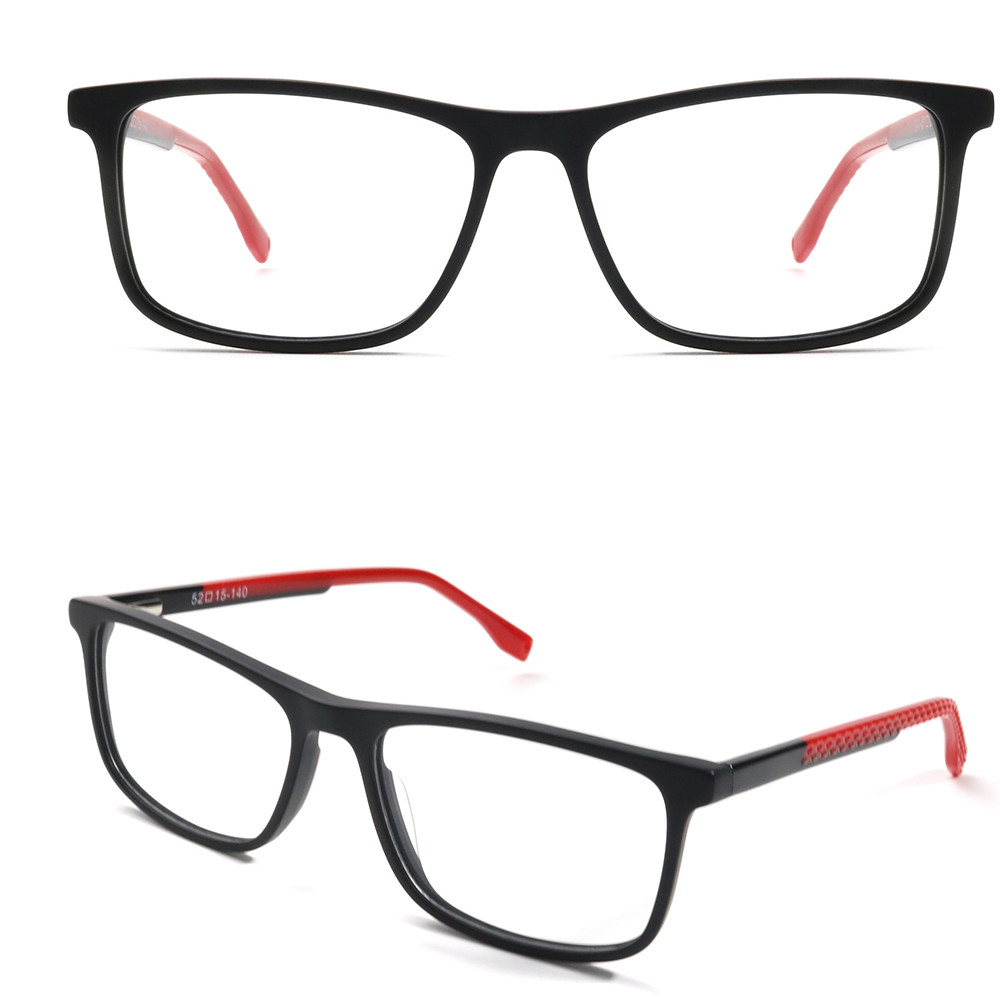
OEM is typically used by established brands with a clear identity and a need for exclusivity. ODM is often used by new brands, online sellers, and optical retailers who want to test private label without large investment. Many brands use both: ODM for quick launches and OEM for signature collections.
Which Is Better for Your Eyewear Brand: OEM or ODM Eyewear?
There is no single answer. The right choice depends on your brand stage, budget, timeline, and design needs.
Common B2B strategies for OEM vs ODM eyewear include:
- New brands: Start with ODM to test the market with lower investment.
- Established brands: Use OEM for signature collections and exclusivity.
- Online sellers: Use ODM for fast launch and low MOQ.
- Optical retailers: Use ODM for private label programs and OEM for premium lines.
- Premium brands: Use OEM with custom tooling and exclusive designs.
- Mixed strategy: Combine both — ODM for volume, OEM for brand identity.
Buyers can review custom optical frames for OEM options, or learn more about our Manufacturing Excellence for production and quality details.
OEM vs ODM Eyewear: Specifications B2B Buyers Should Confirm
Before approving a quotation or sample, confirm these specifications:
- Model: OEM (buyer design) or ODM (factory design).
- Design files: sketches, 3D files, or reference samples for OEM.
- Material: acetate, TR90, Ultem, titanium, beta titanium, or stainless steel.
- Logo: laser engraving, silk printing, metal logo plate.
- Packaging: standard export packing or custom branded packaging.
- MOQ: per model, material, and color.
- Lead time: stock, ODM, or OEM timeline.
- Compliance: nickel release testing, CE, FDA, or other market requirements.
OEM vs ODM Eyewear: MOQ, Lead Time, and Pricing
MOQ, lead time, and pricing depend on the model, material, and order type. ODM has lower MOQ and faster lead time because the design already exists. OEM has higher MOQ and longer lead time because of tooling and sample development.
Typical ODM lead time is 30–45 days after sample approval. OEM lead time is 45–75 days. Stock frames with standard designs are 7–15 days. Custom tooling for OEM adds 15–30 days to the timeline.
For an accurate quotation, share your target model, design files or reference samples, material, quantity, logo, packaging, and destination market. READSUN will recommend the best production path.
How READSUN Produces Both OEM and ODM Eyewear at Scale
READSUN Optical is a B2B custom optical frames manufacturer with experience producing both OEM and ODM programs. Our process includes design review, tooling development, material selection, production, and AQL inspection.
We work with acetate, TR90, Ultem, Optyl, titanium, beta titanium, and stainless steel. Our team supports design development, color matching, logo branding, packaging, and compliance documentation. Buyers can review our Manufacturing Excellence for production and quality details.

Need both OEM and ODM for your brand? Contact READSUN Optical with your target model, design files, quantity, and market needs. Our team will recommend the best solution for your program.
OEM vs ODM Eyewear FAQ
What is the difference between OEM and ODM in eyewear?
OEM means the buyer provides the design and the factory produces it. ODM means the factory provides an existing design and the buyer applies their own brand. OEM offers full customization and exclusivity. ODM offers faster launch and lower MOQ.
Which is better, OEM or ODM eyewear?
It depends on your brand stage and goals. ODM is better for new brands and quick launches. OEM is better for established brands that need exclusive designs and full customization.
What is the MOQ for OEM vs ODM eyewear?
ODM has lower MOQ because no tooling is required. OEM has higher MOQ because of tooling and sample development costs. Exact MOQ depends on the material, design complexity, and order model.
How long does OEM vs ODM take?
ODM takes 30–45 days after sample approval. OEM takes 45–75 days because of tooling and design development. Custom tooling adds 15–30 days to the OEM timeline.
Can I use my own logo with ODM frames?
Yes. ODM supports logo customization through laser engraving, silk printing, or metal logo plates. Color and packaging can also be customized.
Can I switch from ODM to OEM later?
Yes. Many brands start with ODM to test the market and move to OEM for signature collections. READSUN supports both models and can help you plan the transition.
Can READSUN produce both OEM and ODM eyewear?
Yes. READSUN produces both OEM and ODM eyewear across acetate, TR90, Ultem, titanium, beta titanium, and stainless steel. Contact us with your target model and quantity for a quotation.
Request an OEM or ODM eyewear quote from READSUN Optical today. Share your target model, design files, quantity, and market needs, and our team will recommend the best solution for your program.