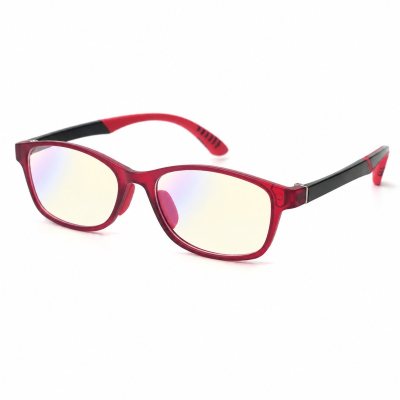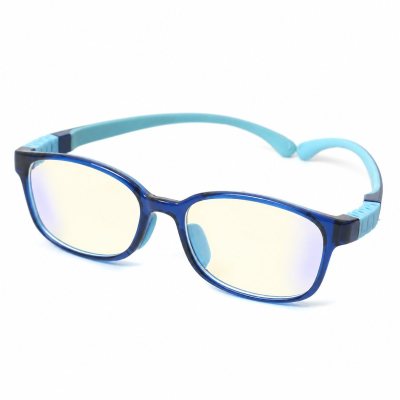
 Aviator
 Cat-eye
 Square
 Oval
 Rectangular
 Round
Top 7 Clip-On Sunglasses Manufacturers for Private Label Brands in 2026
Eyewear Manufacturing and OEM/ODM Guide
Private label clip-on programmes rarely fail on lens tint. They fail on mechanism engineering and on supplier fit: a magnet assembly that survives the showroom sample loosens after a season of daily use, and a deposit is paid before anyone wrote down who owns the tooling.
The Short Answer
The strongest clip-on sunglasses manufacturers for private label brands in 2026 fall into seven types: specialist clip-on assemblers, acetate factories with in-house sun-lens lines, metal frame OEM plants, full-service ODM groups, low-MOQ boutique workshops, sourcing partners with their own QC team, and injection-frame houses expanding into clip-on SKUs. Shortlist by mechanism capability and inspection records, not by catalogue size.
- Magnet strength and hinge load decide return rates more than lens colour does.
- Ask for cycle-test data on the clip attachment before you ask for a price.
- Tooling ownership and duplicate-sample terms must be written into the contract before production starts.
The Seven Manufacturer Types Brands Actually Shortlist
When buyers search for a clip-on partner, they are really choosing between seven supplier profiles. Each solves a different part of the problem, and the right choice depends on whether your programme leads with optical frames, with sunwear, or with a hybrid clip-on system sold as one SKU.
| Manufacturer type | Core strength | Best fit |
|---|---|---|
| Specialist clip-on assemblers | Deep experience in lens cutting, edging and attachment fitting | Brands that already have frames and need a matching clip system |
| Acetate frame factories with sun-lens lines | One roof for frame and polarized clip production | Colour-led collections where the clip must match the acetate tone |
| Metal frame OEM plants | Precise bridge and rim tolerances for magnetic mounts | Thin-profile designs where the clip must sit flush |
| Full-service ODM groups | Design, tooling and mechanism engineering in one team | Brands launching a clip-on line from a blank page |
| Low-MOQ boutique workshops | Small batches, fast sampling, premium finishing | New brands testing a first capsule collection |
| Sourcing partners with in-house QC | Multi-factory coverage plus independent inspection | Buyers spreading volume across two or three suppliers |
| Injection-frame houses adding clip-ons | Low unit cost at high volume | Promotional and volume-driven retail programmes |
Most mature private label programmes end up working with two of these profiles at once: an ODM or frame factory for the main line, and an assembler for extension SKUs that retrofit existing frames.
Why Mechanism Capability Separates the Shortlist
Every clip-on system lives or dies at three points: the bridge mount that holds the clip to the frame, the hinge or magnet that lets it move, and the lens edge finish that touches the customer's fingers every day. A factory that grinds its own lenses and fits its own magnets can tune all three; a factory that outsources assembly usually cannot.
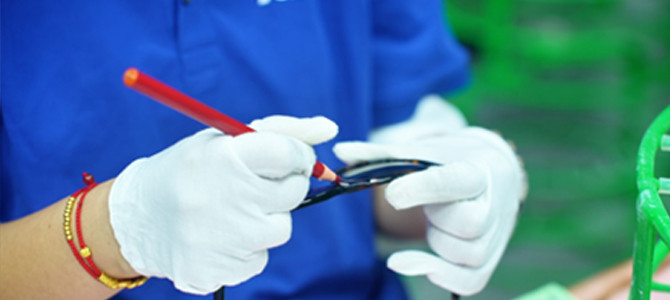
During supplier meetings, ask to see the attachment being fitted rather than the finished sample only. Watch whether the operator checks magnet pull strength per batch, and whether lens edging happens in-house. These two details predict after-sales complaint rates better than any certificate on the wall.
How to Evaluate a Clip-On Manufacturer: Five Checkpoints
- Mechanism cycle test. Request pull-force numbers for magnetic mounts and open-close cycle counts for spring attachments, measured on your frame, not on theirs.
- Lens specification. Confirm polarized rate, UV400 blocking and coating type in writing, and ask which lens supplier the factory buys from.
- Sample-to-bulk consistency. Approve a golden sample and require every production batch to match it under daylight before packing.
- Tooling and IP terms. Put mould ownership, duplicate-sample protection and exclusivity windows into the contract before the deposit.
- After-sales data. Ask what complaint rate the factory tracked on similar programmes last season, and what warranty replacement policy they support.
Suppliers who answer the first checkpoint with measured data, rather than with a brochure page, are usually the ones worth a factory visit.
MOQ and Tooling: What to Expect in 2026
Stock frame + custom clip
Lowest entry cost. The factory fits a clip system to existing frames, so MOQs stay small and lead time is short, but shapes and colours are limited to the catalogue.
Semi-custom programme
Your colour card and logo on a proven chassis. Mid-range MOQ, tooling limited to lens cutting jigs and branding, typically ready within one production cycle.
Full custom development
New frame and new mechanism engineered together. Highest MOQ and tooling investment, but you own the design and the reorder relationship.
Whichever route you take, keep the first order small enough to test sell-through, and read the clip-on demand trend data before committing a full production run.

Common questions
What MOQ should a first private label clip-on order carry?
Small enough to learn: one or two shapes in two colourways through a stock-frame or semi-custom route is enough to test the market before committing to full tooling.
Can one manufacturer supply both the optical frame and the clip-on?
Factories with in-house sun-lens lines can, and the fit tolerance is better because frame and clip are made to the same jig. If your frame supplier cannot, choose an assembler who measures your frame sample before quoting.
How do I protect my design when working with a new factory?
Sign tooling ownership and duplicate-sample terms before the deposit, keep the golden sample on your side, and split the first order across two suppliers if the volume justifies it. The OEM partner selection guide covers the contract clauses in detail.
Choosing among clip-on sunglasses manufacturers is a mechanism decision first and a price decision second. Shortlist by cycle-test data and inspection discipline, keep the first order small, and scale the partner who matches your golden sample batch after batch. To see how a finished programme is engineered, review the lens and frame options for brand buyers, and use the checklist for vetting a China optical frame supplier before your next factory visit.