 Aviator
 Cat-eye
 Square
 Oval
 Rectangular
 Round
Hidden Spring vs Standard Hinge in Acetate Frames: What OEM Buyers Must Specify
Eyewear Manufacturing and OEM/ODM Guide
Ask any warranty department which acetate failure leads the returns log and the answer is rarely the front - it is the temple. Loose action, hinges that refuse to close, springs that fatigue: the hinge is where acetate frames earn or lose their reputation, and it is the one component OEM buyers most often leave undefined in the specification.
The Short Answer
Hidden spring hinges suit thin temples and higher-ticket models, where open-and-close feel is part of the product story; standard barrel hinges suit thick temples and cost-sensitive lines, where robustness matters more than feel. Whichever you choose, write the hinge into the spec sheet - model, cycle count, screw torque and salt-spray resistance - or the factory will decide for you.
- Hidden spring: internal spring-and-cam mechanism, smoother feel, premium positioning, needs precise slotting.
- Standard barrel: three-tooth or five-tooth construction, simplest and strongest per dollar, fits heavy temples.
- Specify cycle testing - 8,000 to 15,000 cycles with torque decay held within 20% - on both types.
What Is a Hidden Spring Hinge in Acetate Glasses?
A hidden spring hinge places the spring mechanism inside the temple, behind the visible barrel, so the hinge flexes past its rest angle and springs back without the spring ever being seen. The visible result is a clean temple line with no exposed spring - and the functional result is forgiving flex that protects the temple from the sideways stress of daily handling. The cost of that cleanliness is precision: the slot milled into the temple must seat the spring block at exact depth, or the mechanism binds.
Hinge Cycle Testing: How Many Cycles Should an Acetate Frame Pass?
Cycle testing is the only number that separates a good hinge spec from a brochure claim. A production acetate frame should pass 8,000 to 15,000 open-close cycles with opening torque decaying no more than 20% from first cycle to last. Anything less than that range should trigger a sample test on your own bench, because the difference between passing 15,000 cycles and failing at 4,000 is invisible on the day of shipment and very visible at the six-month warranty review.
Why Mono-Spring Acetate Frames Suit Thin Temples
Mono-spring designs pack the spring into a single slim block, which is why premium thin-temple acetate almost exclusively runs mono-spring hardware: a traditional wire spring needs physical depth that a slim temple cannot hide. If your collection leans slim, the hinge choice is effectively made - the specification work shifts to which grade of mono-spring and what cycle rating you hold the supplier to.
Hidden Spring vs Standard Hinge: Comfort, Durability and Cost
| Criterion | Hidden spring hinge | Standard barrel hinge |
|---|---|---|
| Wearing feel | Flexes and returns; forgiving through the day | Fixed action; comfort depends on fit quality |
| Temple compatibility | Thin and slim temples (mono-spring) | Thick temples, full-rim workhorses |
| Durability profile | Good if cycle-rated; spring fatigue is the failure mode | Very robust; screw loosening is the failure mode |
| Positioning signal | Reads as premium; standard on high-ticket lines | Neutral; correct for value tiers |
| Cost and process | Higher hardware cost plus precise slotting and torque control | Lowest cost, simplest assembly |
The decision is not which hinge is better - it is which hinge the model deserves. A thick, heavy temple gains little from a hidden spring and pays for it twice: in hardware and in slotting risk. A slim premium temple gains feel, protection and a sales-point, and mono-spring is the only mechanism that fits it anyway.
How Hidden Spring Hinges Are Set into Acetate Temples
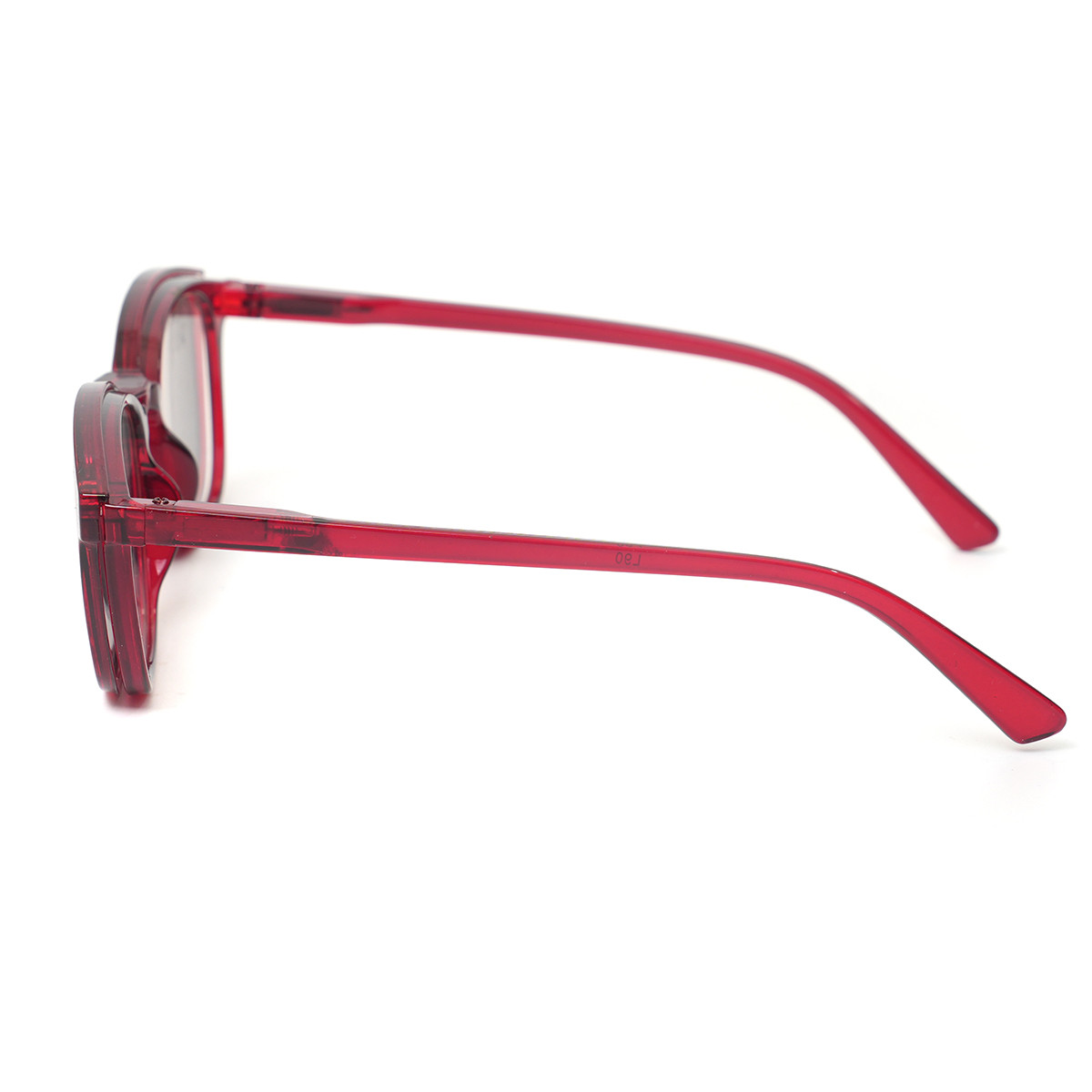
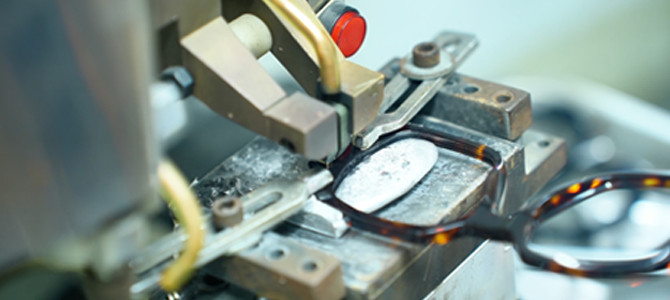
Installation is a machining problem before it is an assembly problem. The temple is milled to receive the hinge block, and three tolerances decide the outcome: slot depth, hinge seat alignment, and screw torque. Slot too shallow and the block sits proud, stressing the acetate around it; seat misaligned and the action goes gritty within weeks; screw torque uncontrolled and you ship a lottery - some hinges tight, some loose.
Temple Core, Slot Depth and Screw Torque Tolerances
The steel core running through the temple anchors the hinge, so core and slot must be specified together. Assembly torque on hinge screws is typically held in the 0.8-1.2 N·m band - tight enough to hold alignment through tumbling and polishing, loose enough not to strip the thread. After setting, the assembled temples go through the same tumbling and polishing stages as the rest of the frame, which is why the hinge must be confirmed before finishing: polish cannot repair a gritty mechanism, it only hides the evidence.
A Specification Checklist for Wholesale Hidden Spring Acetate Glasses
- Hinge model and type. Name the exact mono-spring or spring model, not just "spring hinge".
- Material grade. Hinge block and core material, with corrosion class if the market is coastal or humid.
- Cycle rating. 8,000-15,000 cycles, torque decay within 20%, tested per batch.
- Screw torque. Assembly torque band stated (0.8-1.2 N·m typical), checked post-tumbling.
- Salt-spray resistance. Required for export markets with humidity and sweat exposure.
- Branding position. Whether logo engraving or print sits on the temple and how it survives finishing.
- Packaging protection. Closed-hinge state in packaging so springs are not stored under tension.
China Hidden Spring Acetate Glasses: What to Verify in a Factory Sample
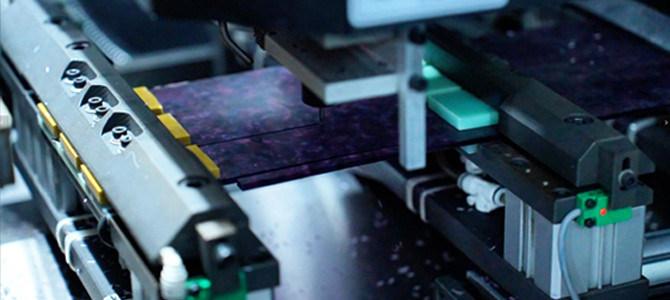
When evaluating a China hidden spring acetate glasses supplier, the sample bench tells you more than the catalogue. Verify three things on the physical sample: action consistency across several temples from the same batch - not just the showcase pair; disassembly evidence that the spring block is properly seated rather than glued in place; and cycle history, meaning the factory can show test records at the cycle count they quote. A factory that in-houses its milling and finishing, like the process shown on the manufacturing excellence page, controls all three; a factory buying temples in controls none.
Common Hinge Failures in Acetate Frames and How to Prevent Them
Three failures account for most hinge returns. Spring fatigue - the action goes soft after months of wear - is prevented by cycle-rated springs and refusing unbranded hardware. Screw loosening - the temple wobbles before it fails - is prevented by controlled assembly torque and a thread-retention check after polishing. Slot cracking - acetate fractures around the hinge seat - is a machining defect, prevented by correct slot depth and by rejecting frames where the seat shows stress whitening before finishing. The component-level anatomy behind these modes is covered in the eyeglass hinge components and types guide, and the batch-level checks that catch them early sit on the quality control page.
Specify Hidden Spring Acetate Glasses with READSUN OEM
READSUN builds acetate OEM programmes with hinge selection as a specification step, not an afterthought - mono-spring and barrel options costed per model, cycle testing on request, and torque-controlled assembly on the line. Bring your temple thickness and target tier to the acetate frames manufacturing catalogue, or scope the full development route - tooling, sampling and budget tiers - through the acetate tooling and development cost guide, then configure the frame side in the custom men's optical frame programme.
Common questions
Can a hidden spring hinge be replaced with a standard hinge later?
Not as a simple swap - the hidden spring seat is machined into the temple and cannot accept a barrel hinge without redesigning the temple. Decide at specification stage; retrofitting is a new tooling conversation, not a service job.
Can one frame use different hinges left and right?
No - hinges are always specified as a matched pair. What can differ per market is the spec: a humid-climate market gets the salt-spray grade raised, not the mechanism changed.
Do hidden spring hinges affect CE certification?
The hinge itself does not change the CE route, but cycle and durability evidence supports the general product safety file. Keep the cycle test reports from your supplier as part of the technical documentation.