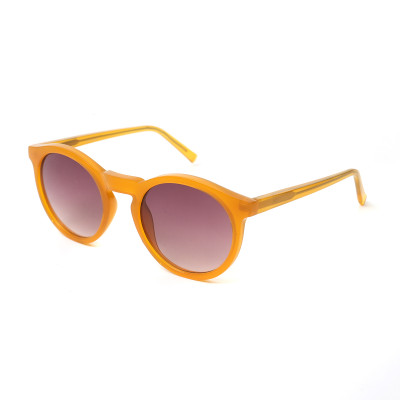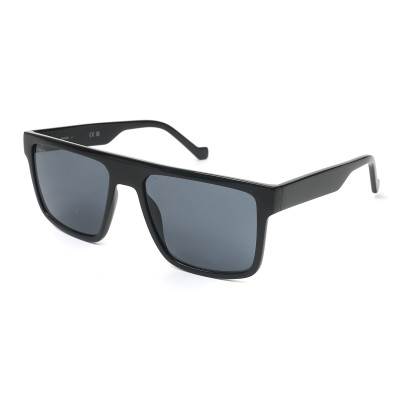
 Aviator
 Cat-eye
 Square
 Oval
Oval Rectangular
 Round
RoundWhat Are the Key Components and Types of Eyeglass Hinges?
Have you ever thought about the small, yet mighty, components that make your eyeglasses work? As someone who relies on glasses daily, I know how frustrating it can be when they don't sit right or feel uncomfortable. Beyond the lenses and frames, the hinges play a surprisingly crucial role in how your glasses fit, feel, and last. These tiny mechanisms are the mechanical heart of your glasses, dictating their functionality and lifespan.
Let's explore the key components and types of eyeglass hinges, understanding their design, benefits, and how they contribute to keeping your eyewear functional and comfortable. By the end of this guide, you'll be able to appreciate the intricate engineering behind your daily vision aids and make more informed choices for your next pair.
Key Takeaways
- Hinges are Critical for Performance: Eyeglass hinges are not just for folding the arms; they are essential for durability, comfort, and maintaining proper optical alignment. A quality hinge distributes stress, prevents warping, and ensures the frame sits correctly on your face for clear vision.
- Main Hinge Types: The three primary hinge types are standard (barrel) hinges, spring (flex) hinges, and hingeless designs. Standard hinges are durable and easy to repair, while spring hinges offer superior flexibility and a snug fit, making them ideal for active users. Hingeless frames provide the ultimate durability by eliminating the most common point of failure.
- Match Hinges to Your Lifestyle: Your daily activities should influence your hinge choice. Active individuals and children benefit greatly from the forgiveness and secure grip of spring hinges. Those seeking a classic look or easier maintenance may prefer standard barrel hinges.
- Quality is a Long-Term Investment: Investing in high-quality hinges pays off in the long run through increased frame lifespan, reduced need for repairs, and consistent comfort. Though they may have a higher initial cost, durable hinges can save you money by preventing frequent replacements.
The Unsung Heroes: Why Eyeglass Hinges Matter So Much
When we shop for new eyeglasses, our attention is naturally drawn to the style, color, and shape of the frames. We consider how they complement our face and express our personality. However, one of the most mechanically important parts of any frame is often overlooked: the hinge. This small component is the only moving part on your glasses, making it the primary point of failure and a crucial factor in your long-term comfort and satisfaction.
The Fundamental Role of Hinges in Eyewear
The hinge is the mechanical connection between the frame front and the temples (arms). Its core function is to allow the temples to fold inward for easy storage and to open smoothly for wearing. But its role extends far beyond this simple movement. A well-designed hinge is fundamental to the overall performance of your eyewear, ensuring stability, a comfortable fit, and lasting durability.
How Hinges Affect Durability and Functionality
The durability of your eyeglasses is heavily dependent on the quality of their hinges. As the most stressed part of the frame, the hinge endures repeated opening, closing, and pressure from daily use. A properly engineered hinge effectively distributes the mechanical stress that occurs every time you put on or take off your glasses. This prevents the frame material from warping or developing stress cracks over time, protecting both the structural integrity and aesthetic of your eyewear.
The material of the hinge itself also plays a significant role. Premium hinges are often crafted from high-grade materials like stainless steel or Monel, which are resistant to corrosion from skin oils and sweat. This prevents the hinge from "seizing" or breaking. In contrast, lower-quality frames may use hinges that are simply glued or lightly soldered, making them far more susceptible to failure compared to high-quality riveted hinges, which are physically pinned into the frame for a permanent bond.
The Impact on Fit, Comfort, and Stability Throughout Your Day
A hinge's quality has a direct impact on how your glasses feel and perform. The hinge dictates the frame's alignment, which is essential for maintaining correct visual clarity. If a hinge becomes loose, the frame can feel unstable and constantly slide down your nose, forcing you to frequently readjust them and disrupting your focal point. If it's too stiff, it can create excessive pressure on your temples, leading to discomfort and even headaches.
Furthermore, poor hinge quality can cause the frame to sit crookedly on your face. When the temples open unevenly, the lenses no longer align properly with your eyes, which can compromise the effectiveness of your prescription and lead to visual inconsistency. A quality hinge ensures the motion of the temples is firm and consistent, keeping your glasses stable and balanced for comfortable, all-day wear.
Why Investing in Quality Eyeglass Hinges Pays Off in the Long Run
While frames with high-quality hinges may come with a higher initial price tag, they represent a worthwhile investment in the long-term performance of your eyewear. The enhanced durability means a longer lifespan for your frames, with fewer trips to the optician for adjustments and repairs. Laboratory tests have shown that quality spring hinges can withstand over 50,000 open-and-close cycles, translating to several more years of use, especially for active wearers.
This extended lifespan and reduced need for maintenance mean that a higher-quality hinge can be more economical over time. For example, spring hinges, while often costing 20-40% more upfront, can provide a 40-60% longer useful life with significantly lower repair costs. By absorbing everyday stress and protecting the frame from damage, a superior hinge ensures your investment remains comfortable, functional, and reliable for years to come.
A Closer Look at the Main Types of Eyeglass Hinges
Eyeglass hinges are not a one-size-fits-all component. They come in several distinct designs, each offering a unique balance of durability, flexibility, and ease of repair. Understanding the three main categories—standard barrel hinges, spring hinges, and hingeless frames—will empower you to choose eyewear that truly fits your life.
Standard Barrel Hinges: The Traditional and Common Choice
The standard hinge, also known as a barrel hinge, is the most common type found in eyewear. It's a classic, reliable design that has been trusted for decades due to its simplicity and strength.
Understanding Their Simple Interlocking Mechanism
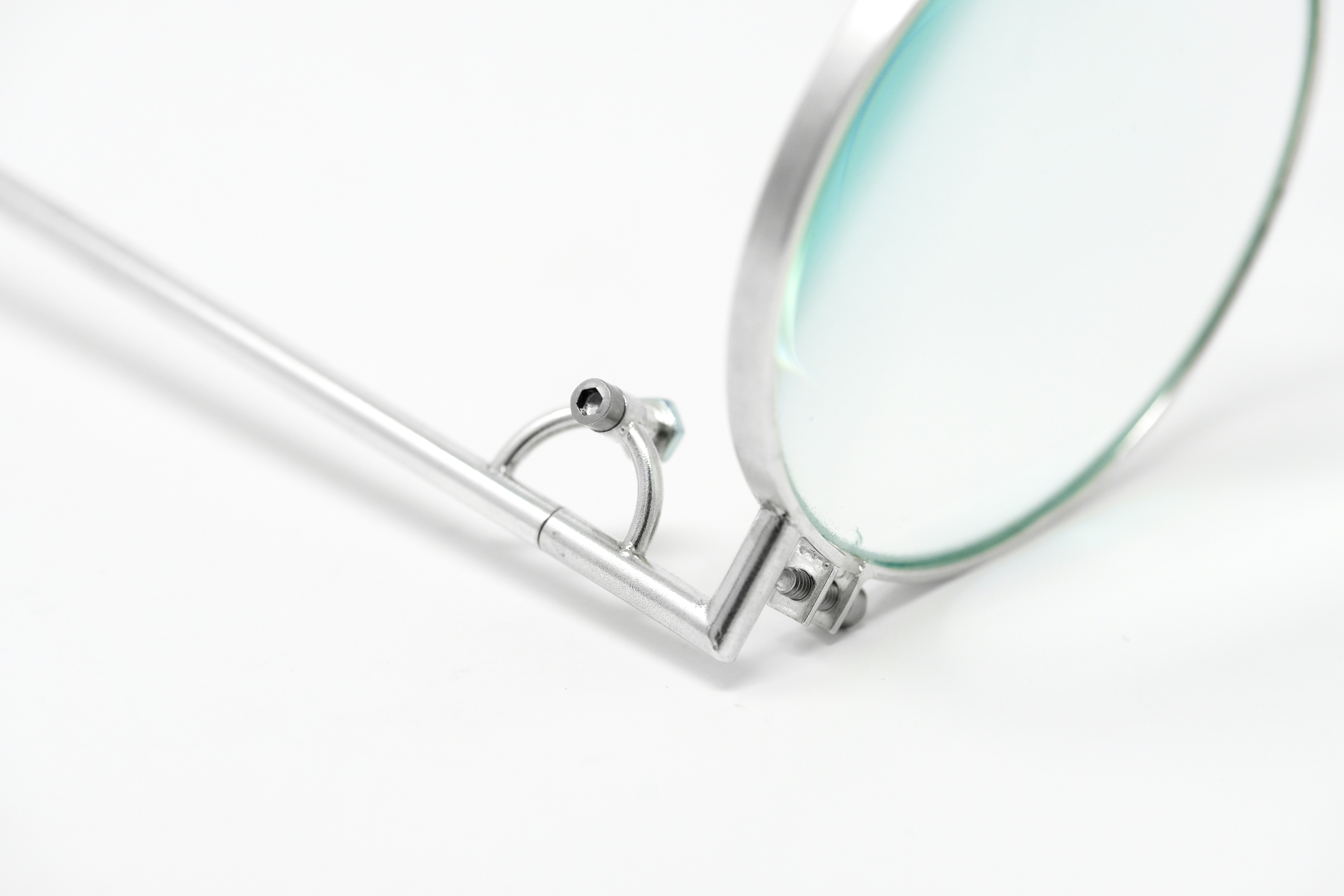
A barrel hinge operates much like a hinge on a door. It is comprised of small, interlocking metal loops (the "barrels") that are connected with a tiny screw. One set of barrels is attached to the frame front, and the other is attached to the temple arm. The screw acts as a pivot, allowing the arms to open and close smoothly. The number of barrels can vary, with more barrels generally indicating a stronger, more durable connection. Hinges with 5 or 7 barrels are often seen as a mark of high quality, providing more stability than a basic 3-barrel hinge.
The Benefits of Affordability and Easy Repair
One of the greatest advantages of the standard barrel hinge is its straightforward design, which makes it both durable and easy to fix. Because it's a widely used, universal design, replacement parts are readily available. If a screw becomes loose, it can often be tightened at home with a simple eyeglass repair kit. This ease of maintenance makes them a practical and cost-effective choice for many wearers. Their simple construction also means they are less prone to complex mechanical failures.
The Downsides: Limited Flexibility and Why They Can Loosen Over Time
The primary drawback of a standard hinge is its limited flexibility. It has a fixed range of motion and typically opens to a firm 90-degree angle before stopping. If the temple arm is pushed beyond this point, the force is transferred directly to the hinge and frame, which can cause bending or even breakage. This rigidity means they may not be ideal for active individuals.
Additionally, the tension in a standard hinge is maintained by the friction between the screw and the barrel walls. Everyday opening and closing creates micro-abrasions that can cause the screw to loosen over time, leading to wobbly arms and frames that slide down your face. They may require periodic adjustments from an optician to maintain a snug fit.
Spring Hinges (Flex Hinges): Advanced Flexibility and Enhanced Comfort
Spring hinges, also called flex hinges, represent a significant upgrade in both comfort and durability. They feature a small, hidden spring mechanism that allows the temples to flex outward beyond the traditional 90-degree angle, providing a more forgiving and adaptable fit.

How Internal Spring Mechanisms Offer a Greater Range of Motion
A spring hinge contains a tiny spring-and-piston system housed within a small box or cylinder at the connection point. This internal mechanism allows the temple arm to be "hyper-extended" outward when gentle pressure is applied. This extra range of motion, often adding 15 to 30 degrees of outward flex, acts like a shock absorber for the frame. When the pressure is released, the spring automatically pulls the temple back to its original position, ensuring a consistently secure fit.
The Key Benefits for Active Lifestyles and a Consistent, Secure Fit
The flexibility of spring hinges makes them an excellent choice for active users and children. The ability to absorb shocks from bumps or being pulled off one-handed significantly reduces the risk of the frame breaking or becoming misshapen.
This flexibility also translates to superior comfort. The spring mechanism provides a constant, gentle pressure that allows the frames to hug the head securely without pinching, which is ideal for those with wider faces or who wear glasses for long hours. This "snug" fit helps keep glasses securely in place during physical activities, from jogging to simply chasing after kids.
Addressing the Complexity and Potential Repair Challenges of Spring Hinges
The primary disadvantages of spring hinges are their higher initial cost and the complexity of repairs. The intricate internal mechanism is more difficult and expensive to fix if it breaks. Unlike a simple barrel hinge screw, a damaged spring hinge often requires specialized tools and expertise from an optician or the manufacturer for replacement. While the failure rate for high-quality spring hinges is low, this potential repair challenge is an important consideration. Some designs may also add a small amount of weight to the frames compared to standard hinges.
Hingeless Frames: Modern Innovation for Ultimate Durability
For those who prioritize a minimalist aesthetic and maximum resilience, hingeless frames offer a revolutionary alternative. As the name suggests, these frames do away with traditional hinge components entirely, eliminating the most common point of failure on a pair of glasses.
Exploring Designs Without Traditional Hinge Components
Instead of a mechanical pivot, hingeless frames rely on the inherent flexibility and memory of their construction materials. The frame and temples are often crafted from a single piece of highly resilient material or feature a unique connection that allows the temples to flex and curve around the wearer's head. This design provides a secure fit through gentle, continuous tension rather than mechanical clamping. The absence of visible hinges results in a sleek, modern, and streamlined appearance.
Materials and Construction for High Resilience and Flexibility
Hingeless frames demand advanced materials that can withstand repeated flexing without losing their shape. Beta-titanium is a very popular choice due to its incredible strength, light weight, corrosion resistance, and high flexibility. Other materials include advanced memory plastics and composite alloys like nickel-titanium (Ni-Ti), which can bend significantly and return to their original form. This construction makes the frames exceptionally durable and resistant to breakage from daily wear and tear. The light weight of these materials also enhances comfort, reducing pressure on the nose and ears.
| Feature | Standard (Barrel) Hinge | Spring (Flex) Hinge | Hingeless Design |
|---|---|---|---|
| Mechanism | Interlocking loops with a screw. | Internal spring for outward flex. | Flexible frame material, no pivot. |
| Flexibility | Rigid, limited to ~90 degrees. | High, extends beyond 90 degrees. | Very High, relies on material elasticity. |
| Durability | Good, but can bend/break if overextended. | Excellent, absorbs shock and stress. | Superior, eliminates common failure point. |
| Comfort | Can be rigid if fit isn't perfect. | Excellent, adaptive and reduces pressure. | Excellent, lightweight and gentle grip. |
| Repair | Easy and inexpensive to repair. | Difficult and can be costly. | Often requires manufacturer replacement. |
| Best For | Budget-conscious users, classic styles, careful wearers. | Active users, children, all-day comfort. | Minimalists, very active users, ultimate durability. |
Choosing the Best Eyeglass Hinges for Your Lifestyle
The ideal eyeglass hinge isn't just about advanced technology; it's about finding the perfect match for your daily routine, personal preferences, and budget. By aligning the hinge's features with your specific needs, you can significantly enhance your comfort, the longevity of your frames, and your overall satisfaction.
Matching Your Eyeglass Hinges to Your Daily Activities
The selection of an eyeglass hinge should be guided by your lifestyle. A person with a highly active life has different needs than someone who primarily wears glasses for reading at a desk. Assessing your activity level is the first step toward making an informed choice.
Recommendations for Individuals with an Active Lifestyle
For individuals who are constantly on the move—whether through sports, physical labor, or simply an energetic daily routine—spring hinges and hingeless frames are the clear front-runners.
- Spring (Flex) Hinges: These are a game-changer for active lifestyles. The internal spring mechanism allows the temples to flex outward, providing a secure, snug fit that keeps glasses from slipping during vigorous activity like running or workouts. This flexibility also acts as a shock absorber, protecting the frame from damage if it's bumped or dropped, which is a common occurrence in sports. The constant, gentle inward pressure ensures the frames stay put without causing discomfort, making them ideal for athletes, gym-goers, and anyone who needs their eyewear to remain stable.
- Hingeless Frames: Offering even greater durability, hingeless designs are tailored for the most demanding activities. By eliminating the hinge mechanism—the most common point of breakage—these frames are exceptionally resilient. Often made from flexible and strong materials like titanium, they are designed to withstand significant movement and impact. They are an excellent choice for users who need the utmost in durability and a secure fit during intense physical exertion.
Standard barrel hinges are generally less ideal for rigorous activities, as their rigid design makes them more likely to fall off or get damaged from impacts.

Ideal Choices for People Who Wear Glasses for Long Hours or Have Young Children
Comfort and durability are paramount for those who wear glasses all day and for parents choosing eyewear for their children.
- For All-Day Wearers: Spring hinges are highly recommended for prolonged wear. Traditional rigid hinges can create pressure points on the temples, leading to soreness or headaches over time. Spring hinges prevent this by self-adjusting to your head shape, applying gentle, even pressure that remains comfortable for hours. They adapt to your facial movements as you talk or smile, requiring fewer manual adjustments throughout the day.
- For Young Children: Parents consistently find that spring hinges are the most practical choice for kids' eyewear. Children are rarely gentle with their glasses; they pull them off one-handed, drop them, and engage in rough play. The flexibility of spring hinges provides crucial forgiveness, significantly reducing the risk of broken frames. This makes the glasses last longer and saves money on frequent repairs or replacements. Some frames designed for kids even feature 180-degree hinges, a type of spring hinge offering maximum mobility and breakage resistance.
Balancing Durability, Cost, and Personal Style in Your Hinge Choice
Ultimately, choosing the right hinge involves weighing three key factors: how long you want your glasses to last, how much you're willing to spend, and the look you want to achieve.
- Durability: If longevity is your top priority, especially due to an active lifestyle, investing in spring hinges or hingeless frames is a wise decision. Though they have a higher upfront cost, their ability to withstand wear and tear often makes them more economical in the long run.
- Cost: Standard barrel hinges are the most budget-friendly option. They offer solid durability for daily wear and are inexpensive to repair, making them a great choice for those who are careful with their glasses or need a more affordable solution.
- Style: Your aesthetic preferences also play a role. Standard barrel hinges are often found in frames with a classic, minimalist, or vintage look, and their slim profile is a key part of that style. Hingeless frames offer a sleek, modern, and minimalist aesthetic due to the absence of visible hardware. Spring hinges are versatile and can be integrated into a wide range of frame styles, from bold acetate to thin metal designs, so you rarely have to sacrifice fashion for function.
By thoughtfully considering how these elements apply to you, you can select a hinge that not only meets your functional needs but also complements your personal style and budget. For brands and buyers looking for a manufacturing partner who understands the importance of these meticulously engineered components, READSUN Optical provides full OEM/ODM support for optical frames with precision hinges and rigorous quality control.