 Aviator
 Cat-eye
 Square
 Oval
 Rectangular
 Round
From Sample to Bulk Order: Acetate Frame Approval, Tolerances and Golden-Sample Control
Eyewear Buying Guide and Wholesale Knowledge
"The bulk order does not look like the sample" is the most common dispute in acetate sourcing - and it is almost never a factory failure. It is a process failure: no golden sample, no signed tolerance table, no colour standard. Acetate frame sample approval done properly turns that argument into a checklist.
The Short Answer
Run a four-stage approval - prototype, wear trial, PP sample, golden sample - seal the golden sample with dual signatures and a colour standard, and write the tolerance table into the approval sheet before tooling starts. Every dimension, colour difference and hinge torque then has an agreed reference, and bulk inspection becomes measurement instead of opinion.
- The golden sample is the contract in physical form - seal it, photograph it, archive it.
- Tolerances: frame width ±0.5mm, bridge ±0.3mm, temple length ±1mm, weight ±1.5g.
- Colour: ΔE ≤ 1.5 within a batch, ≤ 2.5 between batches, judged under D65 light.
What Is a Golden Sample in Acetate Frame Production?
A golden sample is the mutually approved reference unit that defines what "correct" means for the entire bulk order - dimensions, colour, finish, hinge feel, weight, everything. It is not the nicest sample the factory produced; it is the one both parties measured and signed. Once sealed, bulk inspection is a comparison exercise: any unit that deviates beyond the agreed tolerances from the golden sample is rejectable by definition, without debate. Without one, quality disputes degrade into aesthetics - which is why factories and buyers who skip this stage pay for it twice.
How to Seal a Golden Sample: Signatures, Photos and Colour Plates
A properly sealed golden sample set contains: two signed reference frames - one retained by the buyer, one by the factory; six-face photographs of the reference pair; the approved colour standard plates for every colourway; and one archived spare held untouched at the factory. The signing matters as much as the sample: an unsigned golden sample is a suggestion, a signed one is evidence. Custom acetate eyewear manufacturers who run this protocol can resolve a bulk claim in one email; those who cannot, cannot.
Acetate Frame Sample Approval: Four Stages from Prototype to Golden Sample
- Prototype. 3D-printed or hand-cut, verifying silhouette and geometry only - no colour or finish judgement at this stage.
- Wear trial sample. First real acetate build; tests fit, weight distribution and temple comfort on actual faces.
- PP sample (pre-production). Made on the production line with production materials and processes - this is the finish and colour reference.
- Golden sample. Selected from PP-quality units, measured against the tolerance table, signed and sealed by both sides.
Skipping stages does not save time, it relocates the cost: every problem caught at the wear-trial stage costs a sample revision, the same problem caught after bulk costs a rework negotiation.
What to Measure on an Acetate Frame Sample: A Tolerance Table
| Dimension | Typical tolerance | Why it matters |
|---|---|---|
| Frame width (total) | ±0.5mm | Fit consistency across the batch |
| Bridge / DBL | ±0.3mm | Nose fit and lens layout reference |
| Temple length | ±1mm | Wear stability and folding feel |
| Lens rim diagonal | ±0.3mm | Glazing accuracy for optical labs |
| Weight | ±1.5g | Sheet density and thickness drift indicator |
| Hinge opening torque | Agreed band, both temples matched | Action consistency across the batch |
Colour and Pattern Matching Between Sample and Bulk Acetate
Acetate colour is a sheet-lot property, which makes colour drift the most frequent bulk deviation. The control standard: ΔE ≤ 1.5 within a batch, ΔE ≤ 2.5 between batches, judged under D65 light source - not under the workshop's mixed lighting, and never by memory. Patterned sheets (tortoise, layered stripes) add a placement rule: the approval sheet should state whether pattern position must match the golden sample or whether natural variation is accepted, because the two readings of "same pattern" are both defensible and both disputed.
How to Write an Acetate Frame Approval Sheet Both Sides Sign
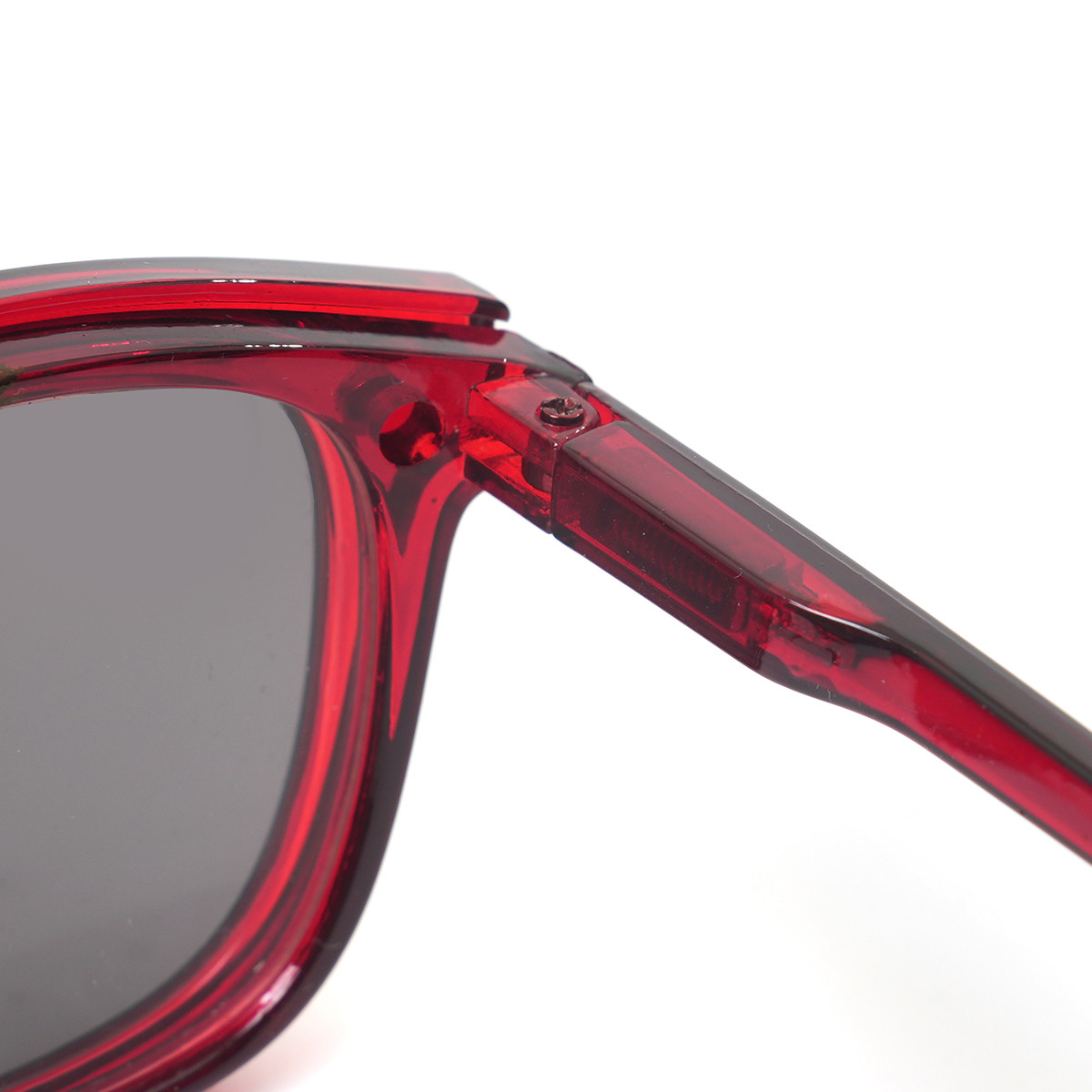
The approval sheet is one page that prevents most acetate disputes. It records: model code and drawing revision; the tolerance table above; colourways with their standard plates and the ΔE limits; finish specification (polishing stages, surface grade); hinge model and torque band; packaging specification; and the inspection standard with its AQL level. Each party signs one sheet per model per colourway - not one sheet per order. When a bulk dispute arrives, the approval sheet plus the golden sample usually settles it in a single exchange, and the optical frame quality control process runs directly against it.
Why Bulk Acetate Frames Fail Approval: 8 Common Causes
- Sheet-lot change. Bulk cut from a different acetate lot than the PP sample - colour shifts beyond ΔE limit.
- Over-polishing. Extra tumbling rounds round off edge bevels and thin delicate rims.
- Bending temperature drift. Hot-forming off temperature warps fronts or dulls colour at the bend.
- Hinge seating depth. Inconsistent slot depth changes hinge line and temple splay.
- Curing or drying shortfall. Residual stress shows up as warp days after assembly.
- Colour judged under wrong light. Metamerism traps: passes in the workshop, fails at the showroom.
- Pattern placement deviation. Tortoise or stripe position unmatched to the signed reference.
- Packaging substitution. Approved case and sleeve replaced with stock packaging at the last minute.
Every cause on this list is detectable at pre-shipment inspection when the golden sample exists - and nearly invisible when it does not.
Pre-Shipment Inspection for Acetate Frames: AQL, Hinge Cycles and Surface Checks
The pre-shipment gate runs three checks against the approval sheet. Sampling: AQL 2.5 on the finished, packed batch. Hinge: cycle spot-checks on sampled units against the agreed torque band, both temples of each sampled frame. Surface and colour: lens scratches, edge chamfers, colour deviation against the golden sample under D65 light, and a hinge-cycle sample from each production batch. The rapid prototyping route shortens the road to this gate, but the gate itself is identical whether the frame took four weeks or four months to develop.
How Custom Acetate Eyewear Manufacturers Handle Rework and Replacement
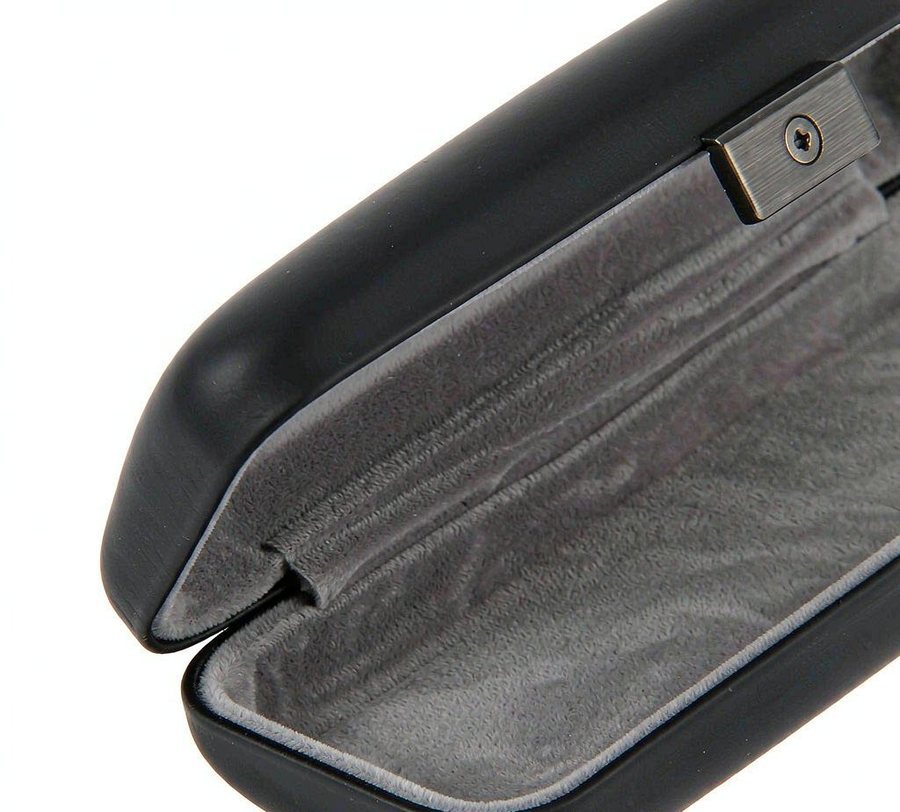
When bulk fails inspection, the contract decides what happens next - which is why rework, replacement and debit terms belong in the agreement, not in the dispute. Standard terms: reworkable defects (polishing, minor colour drift) are reworked at the factory's cost and re-inspected; non-reworkable deviations trigger replacement production on the next cycle or a proportional debit; shipping damage follows the breakage allowance set at order stage. A custom acetate eyewear manufacturer working from a signed approval sheet prices these outcomes calmly, because the reference exists. Pack and ship the replacement against the approved specification down to the case - the packaging tier shown in the golden sample set is part of it.
Approve Acetate Frame Samples Faster with READSUN Rapid Prototyping
READSUN runs the four-stage approval as standard: rapid prototypes for geometry sign-off, wear-trial and PP builds on the production line, and a documented golden-sample seal with colour plates and six-face photography. In-house sheet cutting, milling and polishing keep sampling rounds short, and every bulk order inspects against the signed sheet. Start a programme through the custom optical frame development route, or scope hinge and tolerance detail alongside the hidden spring vs standard hinge specification guide.
Common questions
How many sampling rounds does an acetate frame need?
Two to three rounds is typical: prototype to confirm geometry, then one or two acetate builds to converge on fit, colour and finish. Complex colourways or hybrid metal-acetate builds may add a round - the approval process is the same, just longer.
Are sample fees refundable?
Commonly credited against the first bulk order, sometimes only against a minimum quantity. Ask for the policy in writing before the first prototype - it is a one-line clause that prevents a recurring negotiation.
Who decides if a colour difference is acceptable?
The signed standard decides, not taste: ΔE measured against the approved colour plate under D65 light. This is exactly why the colour plate ships with the golden sample - it converts a subjective argument into a measurement.