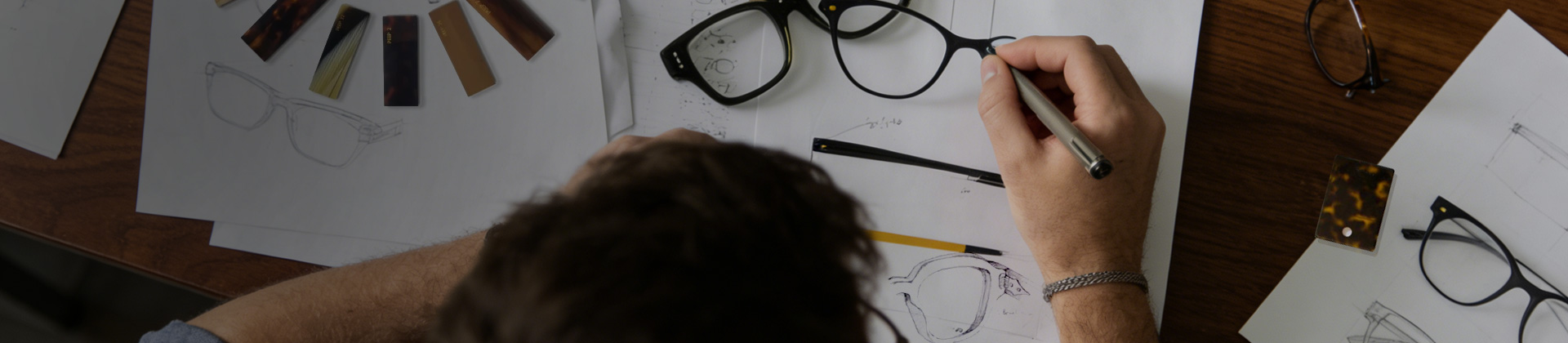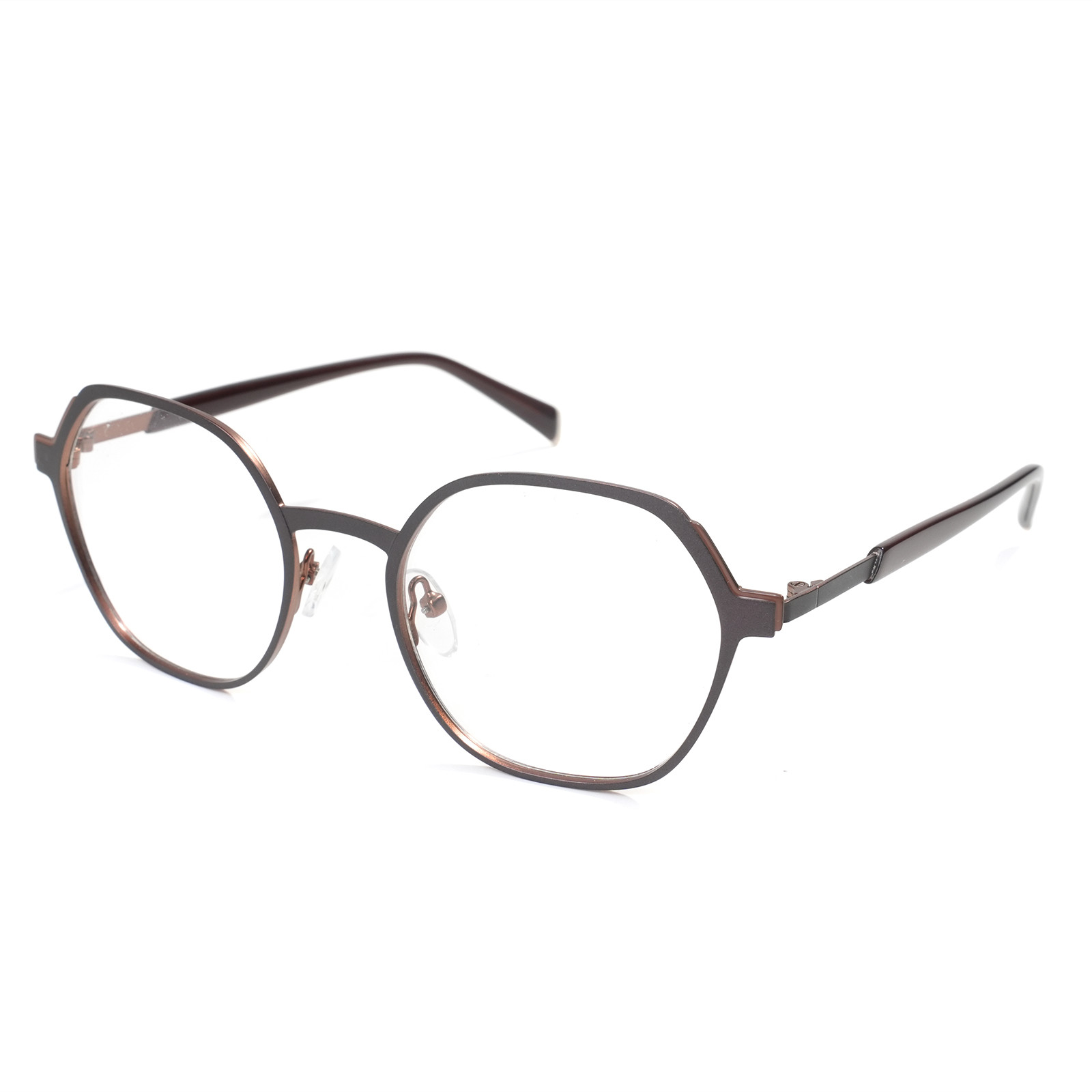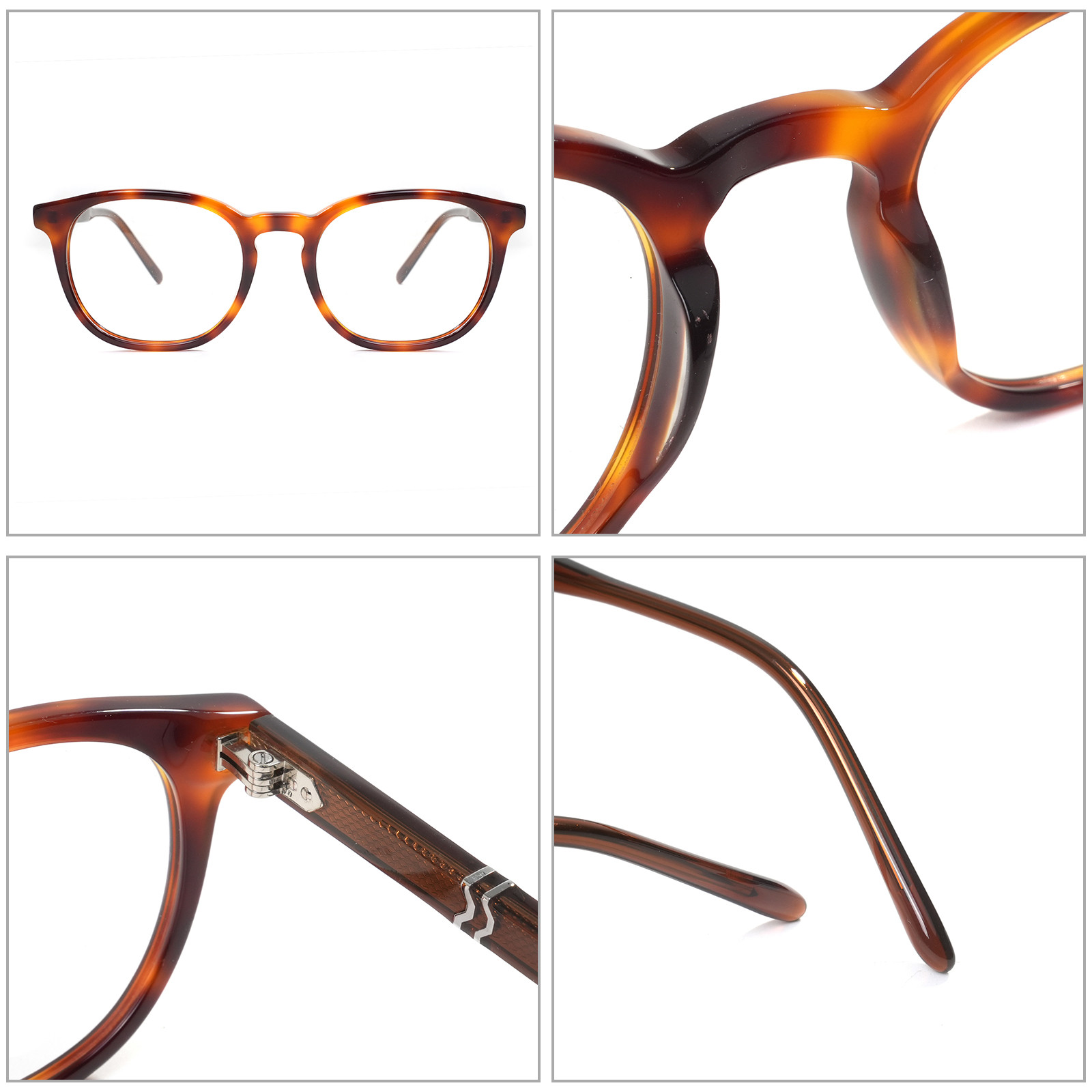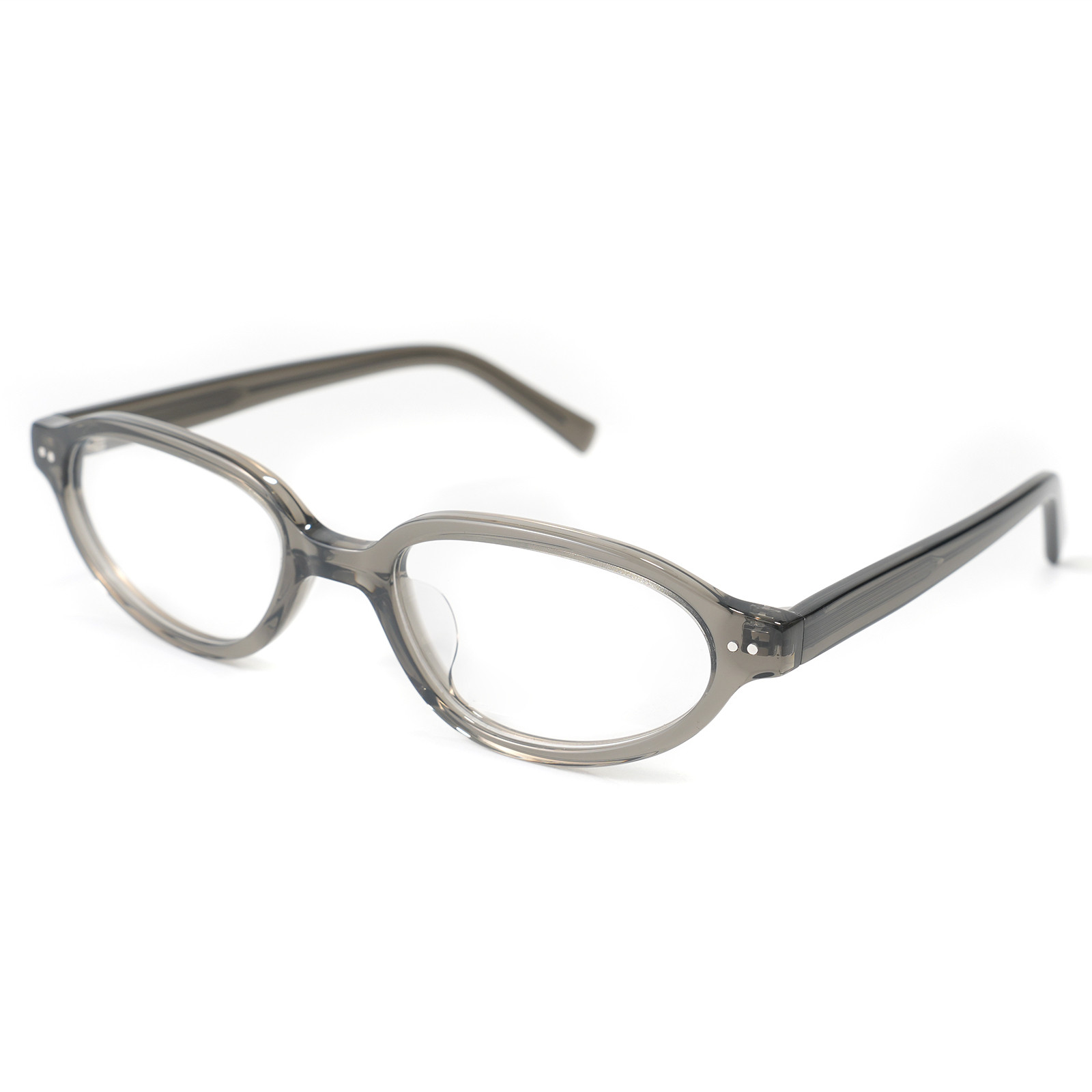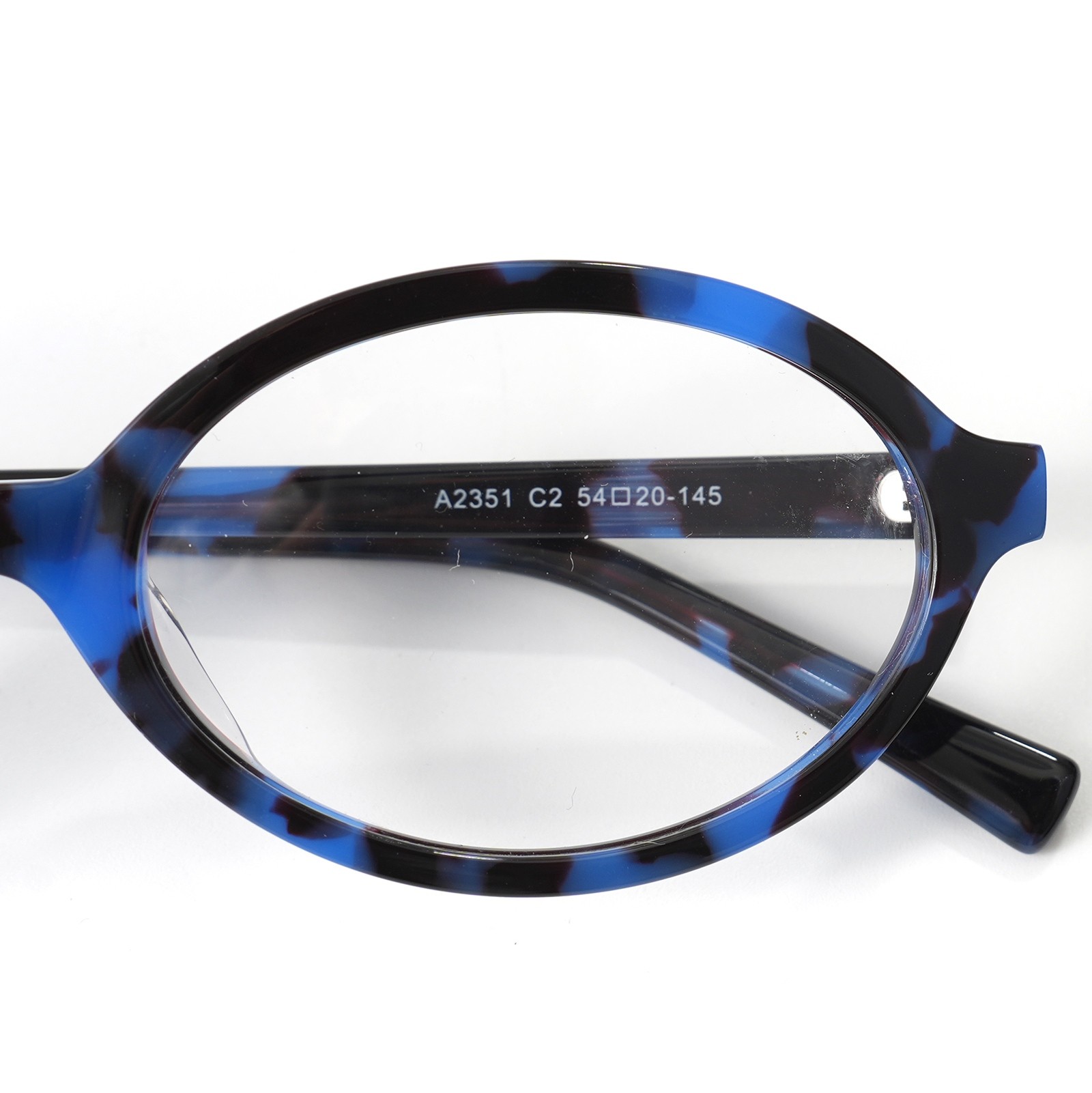
Designed to Reflect You
Global Eyewear Brands’ First Choice in Manufacturing

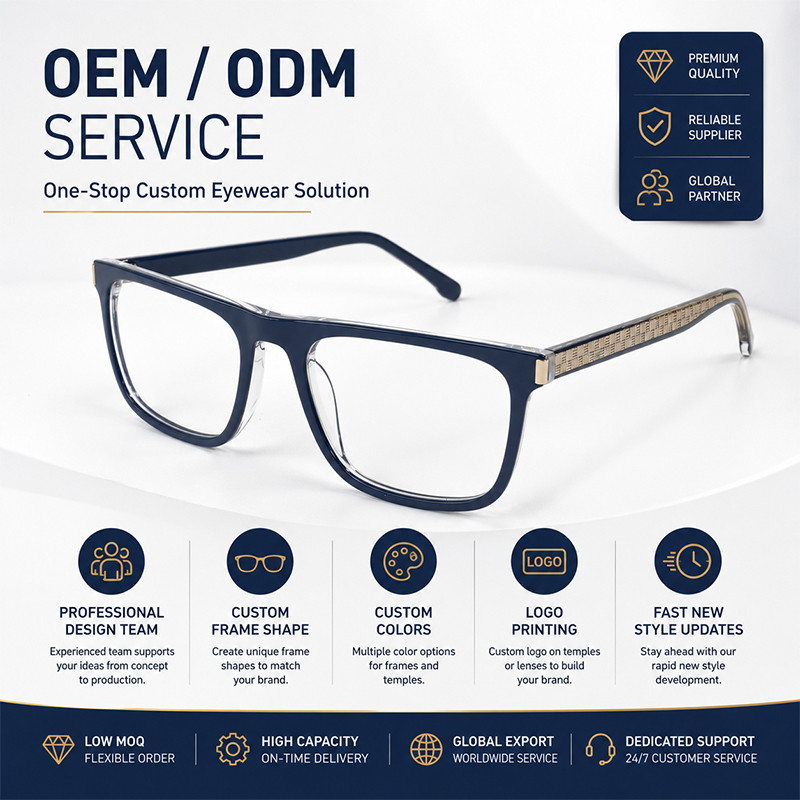
OEM / ODM Optical Frames

We transform your brand vision into market-ready optical frames with speed, precision, and confidentiality.
Home / OEM ODM Optical Frames

You May Encounter in Optical Frames Sourcing

Long development cycles & high R&D cost

Inconsistent quality & compliance risks

Lack of differentiation

IP & design security concerns

OEM

You Design,
We Manufacture

You provide the design, and we manufacture exactly to your specifications.

Suitable for:

  • Existing established brands and product designs
  • Requires a stable supply chain and high consistency in quality
  • Simply want to "find a reliable factory" to produce the product

Value provided by READSUN:

  • A database of 100+ material and structural compatibility data, ensuring designs can be "made and made consistently"
  • Full traceability of the production process (material batches, test records, factory data)
  • Faster production ramp-up capabilities, shortening time-to-market by 20–30%
  • Dedicated "brand consistency management" helps you achieve consistent quality across different batches

ODM

We Help You Build Products from 0–1

ODM (Original Design Manufacturer) is defined by READSUN as: We provide design, R&D, structure, materials, and complete solutions to help you create your own branded products.

Suitable for:

  • Those who want to create their own brand but lack experience or a design team
  • Those who want to quickly enter the market but are unsure of their product direction
  • Those who want to enter the high-end market with differentiated design and environmentally friendly materials

Value provided by READSUN:

  • A team with 16 years of design experience, specializing in style definition and creating blockbuster structures
  • In-house mold team → reducing development costs for clients by 20–40%
  • Providing product strategy advice (market trends, color predictions, material trends)
  • Support for private labels and serialization development
  • READSUN helps you with design + product development + building your brand foundation

What We Offer in Optical Frame Manufacturing

Professional Design Support

We offer flexible design services, emphasizing speed, differentiation, and market fit.

  • Client-Supplied Designs

    Manufactured strictly to your specifications.

  • Co-creation

    Joint design based on brand DNA and market trends.

  • READSUN Recommended Solutions

    Quickly select market-ready products.

Strict Confidentiality Guarantee

At ReadSun, confidentiality is maintained throughout the entire process from design to production, ensuring the security of your intellectual property and giving you peace of mind when collaborating.

  • End-to-End ConfidentialityDrawings, Molds, Prototyping, Production

  • Confidentiality AgreementEmployee Confidentiality Agreement + Controlled Areas + Unified Handling of Defective Products

  • CommitmentGuarantee that designs are not leaked or imitated

Manufacturing & Supply Chain

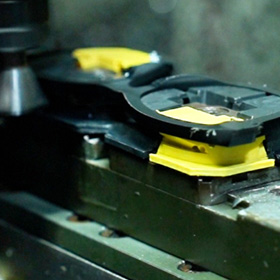
Automated internal processing of sheet metal/ metal / injection molding processes

  • CE/FDA/ISO9001 standards
  • Serving 100+ international brands
  • Fast prototyping (7 days)
  • Digital order tracking

READSUN Optical Frame OEM & ODM Workflow

Brand Input & Feasibility

Market Trends & Material Direction

OEM & ODM Concept Validation

Product Design & Engineering

Structural Optimization & Material Enhancement

Process & Cost Evaluation

Rapid Prototyping

In-House Acetate, Metal & Injection Facilities

Multiple Versions for Color, Material & Process

Structural & Wearing Comfort Evaluation

Mass Production & Quality Control

In-House Acetate, Metal & Injection Molding

CE, FDA & ISO9001 Compliance

Batch Consistency & Digital Production Planning

Delivery & Lifecycle Support

Global Logistics & Full Tracking

Product Lifecycle Management

After-Sales & Quality Support

OEM & ODM
Optical Frames FAQ

  • How much do eyeglass frame samples cost?

    How much do eyeglass frame samples cost?

    Eyeglass frame samples typically cost between USD 20 and USD 150 per piece, depending on material, customization level, and whether a new mold is required. Stock frames are cheapest, ODM modifications cost more, and full OEM samples with new tooling are the most expensive. Most factories deduct the sample fee from the bulk order once the quantity reaches an agreed level. READSUN Optical offers transparent eyeglass frame sample price terms for B2B buyers.
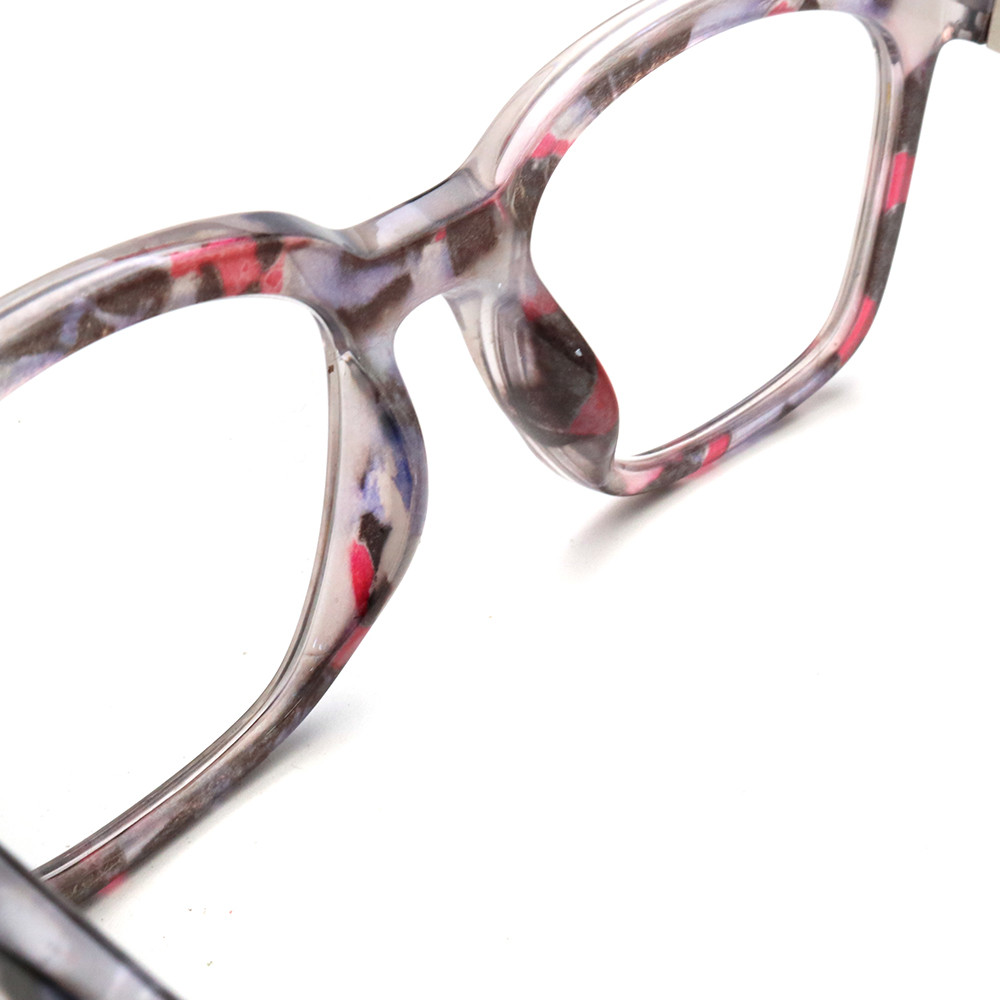
    Eyeglass frame sample price — front view of sample frame
    Eyeglass frame sample produced by READSUN Optical.

    Eyeglass Frame Sample Price: Price Ranges by Material and Order Volume

    The cost of frame samples varies widely. A simple stock acetate frame costs far less than a fully custom titanium frame with a new mold. The table below shows typical ranges by sample type.

    Sample Type Typical Price Range What It Includes
    Stock frame sample USD 20–50 Existing model, standard color, no logo
    ODM modified sample USD 50–120 Existing model + custom color, logo, or material change
    Full OEM sample USD 100–300+ New design, new mold, hand sample, engineering sample
    Logo sample USD 50–100 Stock frame + laser engraving or metal logo plate
    Custom color sample USD 80–150 Custom acetate sheet or metal plating color

    Material also affects sample fee eyeglasses. Acetate and TR90 samples are usually cheaper than titanium or beta titanium. Metal samples require welding and plating setup, which raises the price. Full OEM samples with a new steel mold are the most expensive because tooling cost is included.

    What Affects the Total Cost of Eyeglass Frame Sample Price

    Several factors drive sample price up or down. Understanding each one helps buyers plan the budget and negotiate better terms.

    Key factors that affect sample price

    • Material: acetate and TR90 are cheaper; titanium and beta titanium are more expensive.
    • Structure: full rim is standard; rimless and semi-rimless require extra drilling and mounting steps.
    • Customization: custom color, custom size, and logo application add cost.
    • Tooling: new mold or CNC template raises the sample price significantly.
    • Sample stage: hand sample, engineering sample, confirmation sample, and pre-production sample each add cost.
    • Quantity: ordering multiple samples of the same model reduces the per-piece cost.
    • Shipping: express courier for samples is fast but adds USD 30–80 per shipment.
    • Compliance testing: nickel release and durability testing add cost if required at sample stage.

    Buyers should always ask for a written sample quotation that separates tooling cost, sample unit cost, and shipping. This makes comparison between suppliers easier and avoids hidden fees.
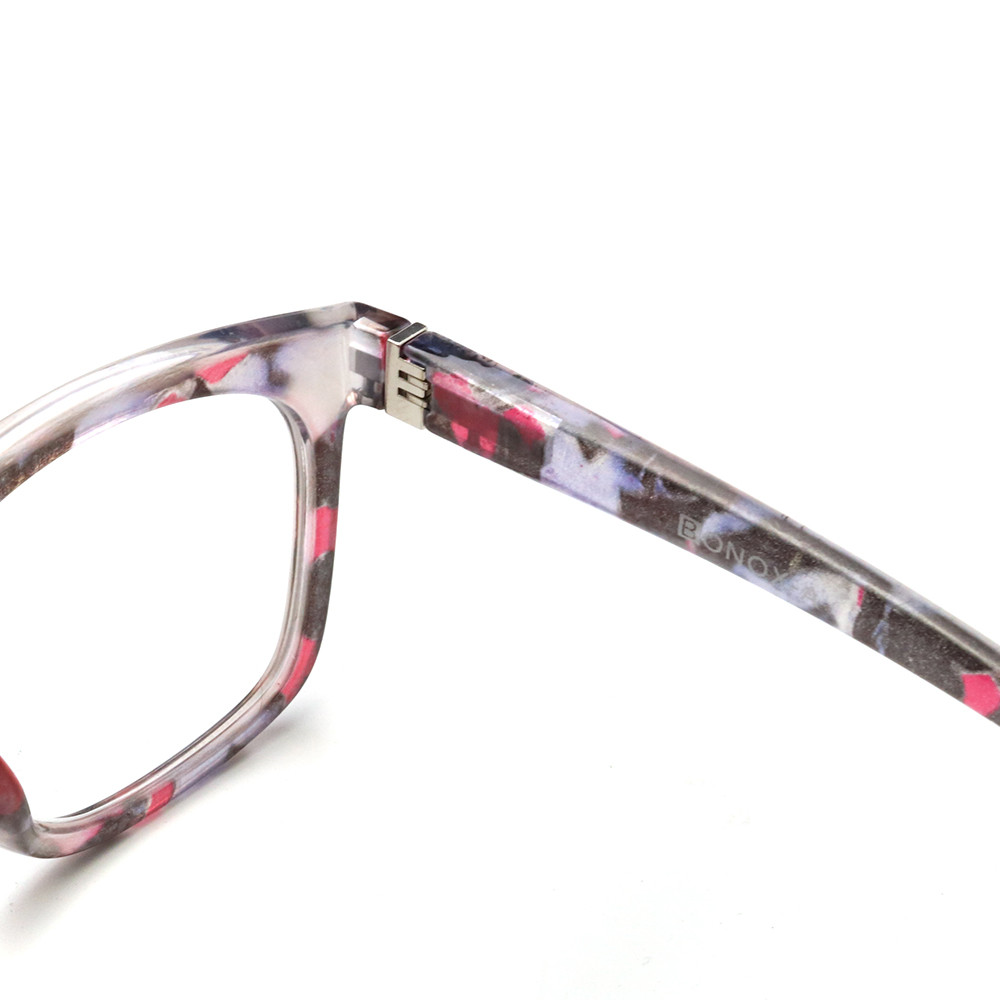
    Eyeglass frame sample price — side view showing temple and hinge
    Side view of a frame sample showing temple and hinge quality.

    Eyeglass Frame Sample Price: Unit Cost Breakdown

    The sample price is not a single cost. It combines material, labor, tooling, and shipping. The table below breaks down what buyers are actually paying for.

    Cost Element What It Covers Typical Share
    Material Acetate sheet, TR90 resin, titanium wire, metal parts 20–30%
    Labor Cutting, polishing, assembly, hand finishing 30–40%
    Tooling / setup Mold, CNC template, plating setup 20–30% (higher for OEM)
    Logo / branding Laser engraving, stamping, silk printing 5–10%
    Shipping Express courier for sample delivery 10–20%
    Compliance testing Nickel release, durability test if required 0–10%

    For stock samples, tooling cost is zero. For full OEM samples, tooling can account for half the total price. Buyers should confirm whether the tooling cost is separate from the sample fee or included in it.

    Tooling, Mold, and Sample Costs for Eyeglass Frame Sample Price

    Tooling and sampling are the largest upfront costs in custom development. Understanding these costs helps buyers plan the budget.

    • Hand sample: made by hand or 3D printed. Fastest and cheapest sample stage. Usually USD 30–80.
    • Engineering sample: made from the actual mold or tooling. Confirms structure and fit. USD 80–200.
    • Confirmation sample: final sample before production. Must match the approved specification. USD 50–150.
    • Pre-production sample: sample from the production line. Confirms consistency before full run. Usually free or low cost.
    • Injection mold: required for TR90 and plastic frames. Cost depends on mold complexity and cavity number.
    • CNC template: required for acetate frames. Lower cost than injection molds.
    • Metal tooling: required for metal frames. Cost depends on structure and hinge design.

    Sample fees are usually deducted from the bulk order once the quantity reaches an agreed level. Buyers should confirm this policy in writing before paying.

    Eyeglass Frame Sample Price: Bulk Discounts and Payment Terms

    Bulk discounts and payment terms affect the total cost of the sample process. Buyers should understand both before committing.

    • Sample fee refund: most factories deduct the sample fee from the bulk order once quantity reaches an agreed threshold.
    • Multiple sample discount: ordering 3–5 samples of the same model usually reduces the per-piece price.
    • Payment terms: samples are usually paid upfront. Bulk orders follow 30% deposit and 70% balance terms.
    • Shipping cost: sample shipping is usually paid by the buyer, but some factories absorb it for large future orders.
    • Tooling ownership: confirm who owns the mold after production. Buyers should clarify this in the contract.

    Clear sample fee terms reduce risk for both sides. Buyers should always ask for a written quotation that lists sample unit cost, tooling cost, and shipping separately.

    How to Get an Accurate Eyeglass Frame Sample Price Quote

    To receive an accurate eyeglass frame sample price, prepare a complete brief before contacting the factory. The more detail you provide, the more precise the quote will be.

    • Design files: sketch, CAD, 3D file, or reference sample.
    • Material preference: acetate, TR90, Ultem, titanium, stainless steel, or monel.
    • Frame structure: full rim, semi-rimless, or rimless.
    • Size range: lens width, bridge width, temple length, and frame width.
    • Color requirement: stock color or custom color match.
    • Logo file: AI or vector file with placement instructions.
    • Packaging: standard or custom branded packaging.
    • Target quantity: sample quantity and projected bulk order quantity.
    • Destination market: country and compliance requirements.

    With a complete brief, READSUN can provide a detailed sample quotation and production plan. Buyers can review custom optical frames for product options and OEM & ODM eyewear services for the full development workflow.
    Eyeglass frame sample price — folded view showing hinge alignment
    Folded view showing hinge alignment from a sample frame.

    Ready to get an accurate eyeglass frame sample price quote?

    Share your target material, structure, quantity, and market requirements. Our team will respond with a detailed sample quotation and production plan.

    Contact READSUN Optical to start.

    Eyeglass Frame Sample Price FAQ

    How much do eyeglass frame samples cost?

    Eyeglass frame samples typically cost between USD 20 and USD 150 per piece. Stock samples are cheapest at USD 20–50. ODM modified samples cost USD 50–120. Full OEM samples with new tooling cost USD 100–300 or more.

    Are sample fees refundable with a bulk order?

    Most factories deduct the sample fee from the bulk order once the quantity reaches an agreed level. Confirm this policy in writing before paying the sample fee.

    What is the cost of frame samples in different materials?

    Acetate and TR90 samples are usually cheaper at USD 20–80. Titanium and beta titanium samples cost more at USD 80–200. Metal frames with plating setup may reach USD 150 or more.

    Why do sample prices vary so much between suppliers?

    Sample prices vary because of material grade, tooling setup, customization level, sample stage, and shipping cost. Some factories include tooling in the sample price, while others charge it separately.

    How long does it take to receive a sample?

    Stock samples ship within 3–7 days. ODM modified samples take 7–15 days. Full OEM samples take 15–30 days, depending on mold complexity and material.

    Can READSUN provide sample price quotes for multiple models?

    Yes. READSUN provides sample price quotes for single models and multiple models in one inquiry. Contact us with your target specification for a detailed quotation.

    Request an eyeglass frame sample price quote from READSUN Optical today. Share your target material, structure, quantity, and market needs, and our team will provide the full sample pricing and production plan.
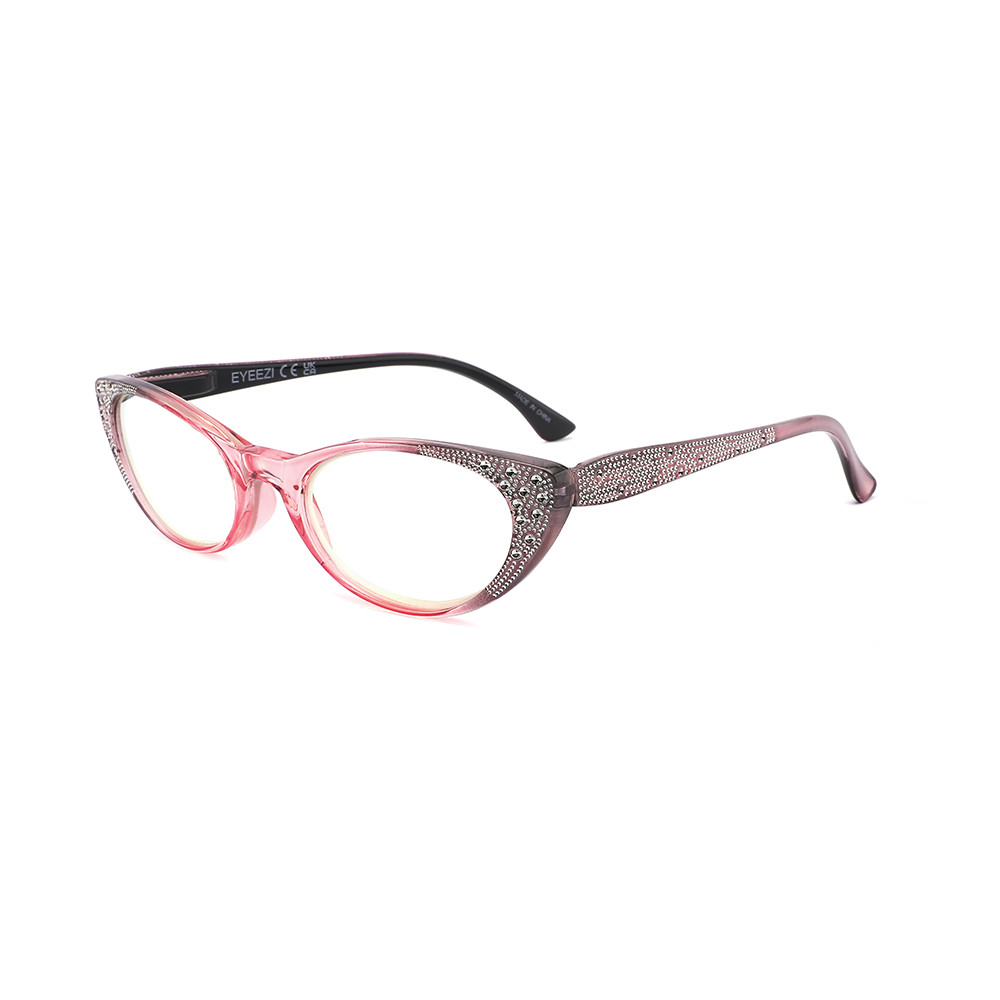
  • What is the production lead time for custom frames?

    What is the production lead time for custom frames?

    Custom frame production lead time typically ranges from 45 to 75 days after sample approval, depending on the material, structure, and order volume. The full timeline includes order confirmation, sampling, sample approval, bulk production, quality inspection, and shipment preparation. Stock customization is faster at 7–15 days, while ODM modification takes 30–45 days. READSUN Optical provides a written custom frames production time schedule for every order.

    Custom frame production lead time — front view of frame sample
    Custom frame produced within the agreed production timeline.

    Custom Frames Production Time: A Plain-English Explanation for B2B Buyers

    Custom frames production time is the total number of days from order confirmation to shipment readiness. It is not a single number. It is the sum of several stages, each with its own duration and decision point.

    For B2B buyers, production time has three commercial effects:

    • Launch planning: the timeline determines when your collection reaches retail shelves.
    • Inventory cost: longer lead time means more safety stock and higher carrying cost.
    • Peak season risk: production slows during Chinese New Year and peak season, so timing matters.

    Buyers should treat the timeline as a planning document, not a promise. Each stage should be confirmed in writing with the factory before the deposit is paid.

    Required Standards and Test Methods: Custom Frames Production Time

    Production time is tied to the quality process. Faster production should never skip testing or inspection. Buyers should confirm that the following stages remain in the timeline at every speed tier.

    Production Stage Typical Duration What It Confirms
    Order confirmation 1–3 days Specification and deposit confirmed
    Sample development 7–15 days Design and material feasibility
    Sample approval 3–7 days Buyer sign-off on sample
    Mold or tooling 15–30 days Steel mold, CNC template, or metal tooling
    Bulk production 30–45 days Full run with in-process inspection
    AQL inspection 2–5 days Defect rate confirmed before shipment
    Packaging and shipment 3–7 days Cartons packed and shipping documents ready

    Stages overlap in practice. For example, mold making and sample approval often run in parallel. Buyers should confirm which stages can be compressed and which cannot.

    Custom Frames Production Time: Documents and Certificates to Request

    A production schedule is only useful if it is documented. Buyers should request the following documents before placing a bulk order.

    • Written production schedule: each stage with start date and end date.
    • Sample approval record: confirms the sample matches the specification.
    • AQL inspection report: confirms the defect rate before shipment.
    • Test reports: hinge fatigue, salt spray, nickel release as relevant.
    • Material declaration: confirms material grade and source.
    • Shipping documents: packing list, commercial invoice, and bill of lading.
    • Delay clause: confirms compensation or penalty if production runs late.

    Buyers should verify that the production schedule matches the actual order quantity. Some factories quote a fast lead time but apply it only to stock orders, not custom production.

    Custom frame production lead time — side view showing temple and hinge
    Side view of frame produced within the agreed timeline.

    Custom Frames Production Time Explained Step by Step

    Buyers can plan a custom frame project using a five-step timeline framework. This keeps the schedule clear and comparable across suppliers.

    1. Confirm the order. Specification, price, deposit, and target shipment date agreed in writing.
    2. Approve the sample. Buyer signs off on the confirmation sample before mold or bulk production starts.
    3. Start tooling and bulk production. Mold making and production run in sequence with in-process inspection.
    4. Pass AQL inspection. Defect rate confirmed against AQL 2.5/4.0 standard before shipment.
    5. Ship and confirm arrival. Shipping documents prepared and shipment arranged with the buyer's forwarder or our own.

    This framework prevents surprises. Buyers should always ask for the written schedule in the purchase agreement, not just a verbal estimate.

    Custom Frames Production Time: OEM Production Timeline

    The table below shows a typical OEM production timeline for different order types. Actual timing depends on material, structure, and factory load.

    Order Type Sample Time Production Time Total Lead Time
    Stock customization 3–7 days 7–15 days 10–22 days
    ODM modification 7–15 days 30–45 days 37–60 days
    Full OEM development 15–30 days 45–75 days 60–105 days

    These ranges are a guide, not a fixed rule. Chinese New Year, summer peak season, and material shortages can add 10–20 days. Buyers should always plan a buffer of at least two weeks for critical launches.

    Custom Frames Production Time: Cost and Timeline Impact

    Production time affects cost in several ways. Buyers should understand the trade-offs before choosing a fast or slow production path.

    • Expedited production: some factories offer fast-track production at 10–20% surcharge, subject to line availability.
    • Air freight: faster shipping but higher cost; suitable for small urgent orders.
    • Sea freight: lower cost but longer transit; best for large orders planned well in advance.
    • Peak season: production and shipping costs rise during Q3 and Q4, and lead times extend.
    • Buffer stock: buyers planning around lead time may need to hold extra inventory, which adds carrying cost.

    Buyers should balance speed against cost. A slightly longer lead time with sea freight is often better than air freight on a large order, unless the launch date is fixed.

    How READSUN Supports Custom Frames Production Time

    READSUN Optical is a B2B custom eyeglass frame manufacturer with a documented production schedule for every order. We provide written timelines, in-process inspection, and full documentation to keep buyers informed at each stage.

    Our production time support includes:

    • Written production schedule: each stage with start date, end date, and responsible team.
    • Sampling stages: hand sample, engineering sample, confirmation sample, and pre-production sample.
    • In-process inspection: quality checks at each production stage, not just final assembly.
    • AQL 2.5/4.0 inspection: confirms defect rate before shipment.
    • Expedited option: fast-track production available at 10–20% surcharge, subject to line availability.
    • Documentation: production schedule, test reports, and shipping documents for every order.

    Buyers can review OEM & ODM eyewear services for development support, explore custom optical frames for product options, or learn more about READSUN Optical.

    Custom frame production lead time — folded view showing hinge alignment
    Folded view showing hinge alignment from a completed production batch.

    Need a clear production timeline for your next custom frame order?

    Share your target material, structure, quantity, and market requirements. Our team will provide the full production schedule and shipping plan.

    Contact READSUN Optical to start.

    Custom Frames Production Time FAQ

    What is the production lead time for custom frames?

    Custom frame production lead time typically ranges from 45 to 75 days after sample approval. Stock customization takes 7–15 days, and ODM modification takes 30–45 days. The full timeline includes sampling, tooling, bulk production, and quality inspection.

    How long does custom eyeglasses production take?

    Custom eyeglasses production takes 45–75 days after sample approval for full OEM development, 30–45 days for ODM modification, and 7–15 days for stock customization. Transit time is added separately depending on shipping method.

    What factors affect custom frame lead time?

    Material, structure, order quantity, logo complexity, packaging, and factory load all affect lead time. Chinese New Year and peak season add 10–20 days to the schedule.

    Can production be expedited?

    Yes. Most factories offer fast-track production at a 10–20% surcharge, subject to line availability. Expediting is easier for ODM modification than for full OEM development with a new mold.

    How can I avoid production delays?

    Approve the sample quickly, confirm the specification in writing, place the order before peak season, and plan a buffer of at least two weeks for critical launches. Request a written production schedule with penalty clause.

    Does READSUN provide a written production schedule?

    Yes. READSUN provides a written production schedule with each stage listed, from order confirmation to shipment. We also send status updates at every stage. Contact us for a sample schedule.

    Request a custom frame production timeline from READSUN Optical today. Share your target material, structure, quantity, and market needs, and our team will provide the full schedule and shipping plan.

  • What is the process of custom frame development?

    What is the process of custom frame development?

    Custom frame development follows seven main steps: requirement discussion, design drawing, engineering review, prototype or 3D printing, mold making, sample approval, and bulk production. Each step has its own timeline and decision point. Buyers who understand this process can plan launches more accurately, avoid delays, and control cost. READSUN Optical follows this workflow for all OEM & ODM eyewear services.

    Custom frame development process — front view of frame sample
    Custom frame sample produced through the READSUN development process.

    Eyewear Development Process: A Plain-English Explanation for B2B Buyers

    The eyewear development process is the path from an idea to a finished frame ready for bulk production. It applies to acetate, TR90, titanium, and stainless steel frames. The steps are similar across materials, but the equipment, timeline, and cost differ.

    The table below gives a quick overview of the seven stages.

    Stage What happens Typical duration
    1. Requirement discussion Material, structure, size, color, logo, packaging, target market 1–3 days
    2. Design drawing 2D sketch or 3D model created from your brief 3–7 days
    3. Engineering review Feasibility, structure, tooling, cost check 2–5 days
    4. Prototype or 3D printing Physical hand sample or 3D printed model 5–10 days
    5. Mold making Steel mold, CNC template, or metal tooling 15–30 days
    6. Sample approval Engineering sample, confirmation sample, pre-production sample 10–20 days
    7. Bulk production Full run with AQL inspection and packaging 30–45 days

    Timelines overlap in practice. For example, engineering review runs in parallel with design refinement. Buyers should confirm each stage clearly with the factory to avoid miscommunication.

    Eyewear Development Process: Key Facts B2B Buyers Should Check

    Each stage of the custom frame development process has a decision point. Missing a decision at one stage creates rework later. The points below summarize what buyers should confirm at each step.

    Stage 1–2: Requirement and design

    • Material choice: acetate, TR90, Ultem, titanium, stainless steel, or monel.
    • Frame structure: full rim, semi-rimless, or rimless.
    • Size range: A, B, ED, bridge, temple length, and frame width.
    • Color: stock color, custom sheet color, or electroplated finish.
    • Logo: laser engraving, stamping, silk printing, or metal plate.
    • Packaging: standard export packing or branded packaging.

    The design stage should produce a clear drawing or 3D file. Buyers should approve this before moving to engineering review. Changing the design later increases cost and delays the project.

    Stage 3–4: Engineering review and prototype

    • Structural feasibility: confirms the design can be produced and worn comfortably.
    • Tooling plan: confirms which mold or template is required.
    • Cost review: confirms the tooling and unit cost before committing.
    • Prototype: hand sample or 3D printed model for hands-on review.

    The prototype is the fastest and cheapest way to test the design. Buyers should check fit, weight, and proportions before approving the mold stage.

    Custom frame development process — side view showing temple and hinge
    Side view showing temple and hinge quality after prototyping.

    Stage 5–7: Mold, sample, and production

    • Mold making: steel mold for injection frames, CNC template for acetate, metal tooling for metal frames.
    • Engineering sample: first frame from the actual mold or tooling.
    • Confirmation sample: final sample matching the approved specification.
    • Pre-production sample: sample from the production line to confirm consistency.
    • Bulk production: full run with AQL inspection, durability testing, and packaging.

    Buyers should not skip the confirmation sample. It is the last chance to catch issues before mass production. Once bulk production starts, changes become expensive.

    Buying Eyewear Development Process Wholesale: What B2B Importers Should Know

    For wholesale buyers, the frame development steps are not only about production. They also affect budget, launch timing, and marketing plans. Buyers should plan the development timeline backward from their target launch date.

    Three factors usually determine the schedule:

    • Material: acetate, TR90, titanium, and stainless steel have different production speeds.
    • Complexity: simple shapes move faster than complex structures or mixed materials.
    • Volume: larger orders take longer but reduce unit cost.

    Buyers should also confirm whether the factory can handle design, tooling, and assembly in one place. Factories that outsource mold making or plating often have longer lead times and less control over quality.

    Eyewear Development Process: Specifications B2B Buyers Should Confirm

    Before starting a custom frame project, confirm the following specifications in writing:

    • Material: exact grade and source.
    • Structure: full rim, semi-rimless, or rimless.
    • Size: A, B, ED, bridge, temple length, and frame width.
    • Color and finish: stock, custom, matte, glossy, or electroplated.
    • Hardware: hinge type, nose pads, temple tips, screws.
    • Logo: method, position, and file format.
    • Packaging: material, dimensions, and print file.
    • Compliance: nickel release, durability, and market-specific requirements.
    • Sample approval stages: which samples require buyer sign-off.
    • Warranty: coverage period and claim process.

    A clear specification sheet prevents miscommunication. It also becomes the reference document for quality inspection and after-sales claims.

    Eyewear Development Process: MOQ, Lead Time, and Pricing

    MOQ, lead time, and pricing depend on the development route. Stock customization is fastest and cheapest. ODM modification sits in the middle. Full OEM development requires the most time and investment.

    Route MOQ Lead time Cost level
    Stock customization 50–300 pcs 7–15 days Lowest
    ODM modification 300–1,000 pcs 30–45 days Medium
    Full OEM development 1,000+ pcs 45–75 days Highest

    For an accurate quotation, share your target specification, quantity, and market. READSUN will recommend the most suitable route and provide a full cost breakdown.

    Custom frame development process — folded view showing hinge alignment
    Folded view showing hinge alignment and finishing.

    How READSUN Supports Eyewear Development Process

    READSUN Optical is a B2B custom optical frame manufacturer supporting importers, eyewear brands, and distributors worldwide. We handle the entire development process in house, from design consultation to final shipment.

    Our development workflow includes:

    • Design consultation: material advice, structure review, and feasibility check.
    • 3D modeling and prototyping: hand sample, 3D printed sample, and engineering sample.
    • Tooling and mold making: steel mold, CNC template, or metal tooling depending on material.
    • Sampling stages: engineering sample, confirmation sample, and pre-production sample.
    • Quality control: AQL inspection, hinge fatigue test, salt spray test, and nickel release test.
    • Documentation: material declaration, test reports, certificate of origin, and compliance files.

    Buyers can review Manufacturing Excellence for production and quality details, or learn more about READSUN Optical.

    Ready to start your custom frame development project?

    Share your design, target material, structure, quantity, and market requirements. Our team will respond with a full development plan and quotation.

    Contact READSUN Optical to begin.

    Eyewear Development Process FAQ

    What is the process of custom frame development?

    Custom frame development follows seven steps: requirement discussion, design drawing, engineering review, prototype or 3D printing, mold making, sample approval, and bulk production. Each step has its own timeline and decision point.

    How long does custom frame development take?

    Full development typically takes 45–75 days after design approval, depending on material and complexity. ODM modification takes 30–45 days. Stock customization takes 7–15 days.

    Do I need to approve samples before production?

    Yes. Buyers should approve at least the confirmation sample before bulk production. Skipping sample approval increases the risk of defects and rework.

    What design files do I need to send?

    Send a hand sketch, 2D drawing, or 3D file such as STP, STEP, IGES, STL, or SolidWorks. A reference sample or photo also helps the factory understand the design intent.

    Can READSUN handle the full development process?

    Yes. READSUN handles design consultation, 3D modeling, prototyping, tooling, sampling, production, and quality control in house. Contact us with your project details for a full development plan.

    Request a custom frame development quote from READSUN Optical today. Share your design, target material, quantity, and market needs, and our team will guide you through every stage of the process.

  • How much does it cost to develop custom eyeglass frames?

    How much does it cost to develop custom eyeglass frames?

    Developing custom eyeglass frames typically costs from a few hundred to several thousand US dollars, depending on the material, complexity, and order volume. The total includes tooling or mold cost, engineering and sample fees, and unit cost per frame. Stock customization and ODM modification cost far less than full OEM development with a new mold. READSUN Optical supports all three routes with transparent pricing for B2B buyers.

    Custom eyeglass frame development cost — front view sample
    Custom eyeglass frame samples produced by READSUN Optical.

    Custom Eyeglass Frame Development Cost: Price Ranges by Material and Order Volume

    The total cost of custom eyeglass frame development is not one number. It is a combination of upfront development cost and per-unit production cost. Buyers should separate these two parts before comparing suppliers.

    The table below shows typical price ranges by production route.

    Production route Upfront cost Unit cost impact Best for
    Stock customization Very low (logo and packaging only) Minimal increase New brands, fast launch, market testing
    ODM modification Low to medium (color, size, material change) Small increase Growing brands, brand differentiation
    Full OEM development High (new mold, engineering, sampling) Higher unit cost at low volume Established brands, unique design, higher budget

    Material also affects both upfront and unit cost. Italian acetate, Japanese titanium, and 316L stainless steel cost more than domestic alternatives. Buyers targeting premium markets should expect a higher cost structure from the start.

    What Affects the Total Cost of Custom Eyeglass Frame Development Cost

    Several factors drive the final price. Understanding each one helps buyers control cost without sacrificing quality.

    Key cost drivers

    • Mold and tooling: Required for full OEM shape changes. Injection frames require a steel mold. Acetate frames use CNC templates. Metal frames require stamping or welding tools.
    • Engineering and design: 3D modeling, structural review, and feasibility analysis. More complex designs require more engineering hours.
    • Sample development: Hand sample, engineering sample, confirmation sample, and pre-production sample. Each stage adds cost and time.
    • Material grade: Italian acetate, Japanese titanium, and premium stainless steel cost more than standard options.
    • Color customization: Custom acetate colors require a minimum sheet order. Custom metal plating requires a plating run.
    • Logo and branding: Laser engraving, stamping, silk printing, or metal logo plate. Small cost per piece but adds a production step.
    • Packaging: Custom printed boxes or pouches require their own MOQ and design fee.
    • Compliance testing: Nickel release, durability, and material reports add cost and 3–7 days to the schedule.
    • Order quantity: Higher volume lowers unit cost. Lower volume raises unit cost because tooling and setup are spread across fewer pieces.

    Buyers who understand these drivers can negotiate more effectively and avoid unexpected charges. A good factory will explain each cost line clearly before the project begins.

    Custom eyeglass frame side view showing temple and hinge
    Side view showing temple and hinge quality.

    Custom Eyeglass Frame Development Cost: Unit Cost Breakdown

    Unit cost is the per-frame price after development is complete. It depends on material, structure, hardware, and order volume. The table below gives a general breakdown of what drives unit cost.

    Cost element What it covers Impact level
    Material Acetate sheet, TR90 resin, titanium wire, stainless steel High
    Hardware Hinges, screws, nose pads, temple tips Medium
    Surface finish Polishing, tumbling, electroplating, matte coating Medium
    Logo application Laser engraving, stamping, silk printing, metal plate Low
    Labor Assembly, hand finishing, quality inspection Medium
    Packaging Polybag, box, pouch, branded packaging Low to medium
    Quality testing AQL inspection, nickel release, durability test Low

    At higher volumes, unit cost drops because fixed costs are spread across more pieces. Buyers should always ask for a tiered price list showing unit cost at different order quantities.

    Tooling, Mold, and Sample Costs for Custom Eyeglass Frame Development Cost

    Tooling and sampling are the largest upfront costs in full OEM development. Understanding these costs helps buyers plan the budget.

    • Injection mold: Required for TR90 and plastic frames. Cost depends on mold complexity and cavity number.
    • CNC template: Required for acetate frames. Cost is lower than injection molds but still adds setup time.
    • Metal stamping and welding tools: Required for metal frames. Cost depends on structure and hinge design.
    • Hand sample: First physical sample, usually made by hand or 3D printing. Fastest and cheapest sample stage.
    • Engineering sample: Made from the actual mold or tooling. Confirms structure, fit, and finish.
    • Confirmation sample: Final sample before production. Must match the approved specification.
    • Pre-production sample: Sample from the production line. Confirms consistency before full run.

    Sample fees are usually deducted from the bulk order once the quantity reaches an agreed level. Buyers should confirm this policy in writing before paying.

    Custom Eyeglass Frame Development Cost: Bulk Discounts and Payment Terms

    Bulk discounts and payment terms affect the total project cost. Buyers should understand both before committing.

    • Volume discount: Unit cost drops as order quantity increases. Typical tiers are 300, 500, 1,000, and 3,000 pieces.
    • Mixed model discount: Some factories allow mixed models in one order. Total quantity still applies for the discount tier.
    • Payment terms: Standard is 30% deposit and 70% balance before shipment. Larger orders may qualify for more flexible terms.
    • Sample fee refund: Sample fees are often refundable or deductible once bulk order quantity is reached.
    • Tooling ownership: Confirm who owns the mold after production. Buyers should clarify this in the contract.

    Clear payment terms reduce risk for both sides. Buyers should always ask for a written quotation that lists each cost item separately.

    How to Get an Accurate Custom Eyeglass Frame Development Cost Quote

    To receive an accurate quotation, prepare a complete brief before contacting the factory. The more detail you provide, the more precise the quote will be.

    • Design files: sketch, CAD, 3D file, or reference sample.
    • Material preference: acetate, TR90, Ultem, titanium, stainless steel, or monel.
    • Frame structure: full rim, semi-rimless, or rimless.
    • Size range: lens width, bridge width, temple length, and frame width.
    • Color requirement: stock color or custom color match.
    • Logo file: AI or vector file with placement instructions.
    • Packaging: standard or custom branded packaging.
    • Target quantity: sample quantity and bulk order quantity.
    • Destination market: country and compliance requirements.

    With a complete brief, READSUN can provide a detailed cost breakdown and production timeline. Buyers can review custom optical frames for product options and OEM & ODM eyewear services for the full development workflow.

    Custom eyeglass frames folded view showing hinge and alignment
    Folded view showing hinge alignment and finishing.

    Ready to get an accurate custom eyeglass frame development cost quote?

    Share your target material, structure, quantity, and market requirements. Our team will respond with a detailed cost breakdown and production plan.
    Contact READSUN Optical to start your project.

    Custom Eyeglass Frame Development Cost FAQ

    How much does it cost to develop custom eyeglass frames?

    Development cost ranges from a few hundred to several thousand US dollars, depending on material, complexity, and order volume. Full OEM development with a new mold costs more than stock customization or ODM modification.

    What is included in the development cost?

    The development cost typically includes tooling or mold, engineering and design, sample production, and compliance testing. Unit cost per frame is quoted separately and decreases with higher order volume.

    How much does a custom eyeglass frame mold cost?

    Mold cost depends on the material and structure. Injection molds for TR90 and plastic frames are usually higher than CNC templates for acetate frames. Metal frames require stamping and welding tools. Contact READSUN for an exact quote based on your design.

    Are sample fees refundable with a bulk order?

    Many factories deduct sample fees from the bulk order once the quantity reaches an agreed level. Confirm this policy in writing before paying.

    How can I reduce custom eyeglass frame development cost?

    Choose ODM modification instead of full OEM, use standard materials instead of premium options, order higher volume to lower unit cost, and start with a simple design to reduce engineering hours.

    Request a custom eyeglass frame development cost quote from READSUN Optical today. Share your target material, structure, quantity, and market needs, and our team will recommend the most cost-effective production route for your program.

  • Can I get custom eyeglass frames made?

    Can I get custom eyeglass frames made?

    Yes, you can get custom eyeglass frames made. There are three main production paths: full OEM development with your own design and mold, ODM modification of an existing frame model, and stock frame customization with your logo and colors. Each path has different MOQ, lead time, and cost. READSUN Optical supports all three routes for importers, brands, and distributors worldwide.

    Custom eyeglass frames front view from B2B manufacturer
    Custom eyeglass frames produced by READSUN Optical.

    Custom Eyeglass Frames: Short Answer and B2B Implications

    The short answer to can you get glasses custom made is yes. The more important question is which production route fits your budget, timeline, and brand strategy. Not every buyer needs a fully custom mold. Many successful brands start with ODM modification and move to OEM only after proving the market.

    There are three routes available to B2B buyers:

    Route What it means Best for
    Stock customization Existing frame model + your logo, color, or packaging New brands, market testing, fast launch
    ODM modification Existing frame model modified in color, material, size, or logo Growing brands, mid-volume orders
    Full OEM development New frame shape, mold, material, and structure built from your design Established brands, unique designs, higher budget

    Understanding these three paths is the first step. The next step is knowing what you need to prepare before contacting a custom eyewear manufacturer.

    Conditions and Requirements for Custom Eyeglass Frames

    Custom eyeglass frames are not difficult to produce, but they require clear specifications. The factory needs to know the material, structure, size, color, logo, and packaging requirements. Without these details, quotation and sampling cannot begin.

    What to prepare before contacting a manufacturer

    • Design reference: hand sketch, 3D file (STP, STEP, IGES, STL), or a reference sample you want to improve.
    • Frame specification: material (acetate, TR90, titanium, stainless steel), structure (full rim, semi-rimless, rimless), and size (A, B, ED, bridge, temple).
    • Color requirement: solid, transparent, tortoiseshell, layered, or Pantone color match.
    • Logo file: AI or vector file, logo position, and application method (laser engraving, stamping, silk printing, metal plate).
    • Packaging: polybag, box, pouch, or branded packaging.
    • Target quantity: sample quantity and bulk order quantity per model and color.
    • Target market: country and compliance requirements.

    With a complete brief, the factory can provide a realistic quotation and sample plan. Buyers who prepare well usually get faster responses and better terms.

    Custom eyeglass frames side view showing temple and hinge detail
    Side view showing temple and hinge quality.

    Custom Eyeglass Frames in Practice for Importers and Brands

    In real B2B programs, the choice between stock, ODM, and OEM depends on three factors: budget, timeline, and brand positioning. The table below compares the three routes in practical terms.

    Factor Stock customization ODM modification Full OEM development
    MOQ Low (50–300 pcs) Medium (300–1,000 pcs) High (1,000+ pcs)
    Tooling cost None Low to medium High (new mold)
    Sample lead time 3–7 days 15–25 days 30–45 days
    Production lead time 7–15 days 30–45 days 45–75 days
    Design uniqueness Low Medium High
    Best for Testing market, fast launch Brand differentiation Unique brand identity

    Many brands use a mixed strategy. They launch with stock customization to test demand, then upgrade their bestsellers to ODM modification, and finally invest in full OEM for hero designs.

    Documentation Needed for Custom Eyeglass Frames

    For a smooth development process, prepare these documents before sampling:

    • Design files: sketch, CAD, or reference sample.
    • Specification sheet: material, structure, size, weight.
    • Logo artwork: AI or vector file with placement instructions.
    • Color reference: Pantone code or physical color sample.
    • Packaging specification: dimensions, material, print file.
    • Compliance requirements: nickel release, durability, or market-specific testing.

    These documents reduce back-and-forth communication and shorten the development cycle. A reliable eyeglass frame manufacturer will review the files and confirm feasibility before quoting.

    Custom eyeglass frames folded view showing hinge angle
    Folded view showing hinge alignment and finishing.

    Custom Eyeglass Frames: Cost and Timeline Impact

    Cost and timeline are the two most common concerns for buyers. Both depend on the production route and customization level.

    • Stock customization: Lowest cost, fastest timeline. Logo and packaging changes only.
    • ODM modification: Moderate cost. Color, material, or size changes on an existing model.
    • Full OEM development: Highest cost. New mold, new structure, and full sampling process.

    Material choice also affects cost. Italian acetate, Japanese titanium, and 316L stainless steel cost more than domestic alternatives but offer better quality and market positioning. For an accurate quotation, share your target specification, quantity, and market.

    How READSUN Handles Custom Eyeglass Frames

    READSUN Optical is a B2B custom optical frame manufacturer supporting importers, eyewear brands, and distributors across Europe, North America, and Asia. We produce acetate, TR90, Ultem, titanium, stainless steel, and monel frames in all major structures and sizes.

    Our custom program includes:

    • Design consultation: material advice, structure review, and feasibility check.
    • Sampling: hand sample, engineering sample, confirmation sample, and pre-production sample.
    • Logo branding: laser engraving, stamping, silk printing, and metal logo plate.
    • Packaging: standard export packing or custom branded packaging.
    • Quality control: AQL inspection, hinge fatigue test, salt spray test, and nickel release test.
    • Documentation: material declaration, test reports, certificate of origin, and compliance files.

    Buyers can explore custom optical frames for product options, review Manufacturing Excellence for production details, or learn more about READSUN Optical.

    Ready to get custom eyeglass frames made?

    Share your target material, structure, quantity, and market requirements. Our team will respond with a tailored production plan and quotation.

    Contact READSUN Optical to start your project.

    Custom Eyeglass Frames FAQ

    Can I get custom eyeglass frames made?

    Yes. You can order stock frames with your logo, modify an existing ODM model, or develop a fully custom OEM frame. Each route has different MOQ, cost, and lead time.

    What is the minimum order for custom eyeglass frames?

    MOQ depends on the route. Stock customization can start as low as 50–300 pieces. ODM modification is 300–1,000 pieces. Full OEM development usually requires 1,000+ pieces. Contact READSUN for an exact MOQ based on your specification.

    How long does it take to make custom eyeglass frames?

    Stock customization takes 7–15 days for production. ODM modification takes 30–45 days after sample approval. Full OEM development takes 45–75 days after sample approval, depending on material and complexity.

    Can I use my own design for custom frames?

    Yes. READSUN supports full OEM development from sketch, CAD file, 3D file, or reference sample. Share your design and target specification, and our team will provide a feasibility review and quotation.

    Can READSUN produce frames from my photos or 3D files?

    Yes. READSUN accepts STP, STEP, IGES, STL, and SolidWorks files. We can also work from reference photos or physical samples. Our engineering team will review the design and recommend the best production route.

    Request a custom eyeglass frame quote from READSUN Optical today. Share your target material, structure, quantity, and market needs, and our team will recommend the best solution for your program.

  • How do I find a custom eyeglass frame manufacturer?

    How do I find a custom eyeglass frame manufacturer?

    To find a custom eyeglass frame manufacturer, you need to evaluate material capability, factory size, certifications, sample process, MOQ, and communication quality. The right partner should produce acetate, TR90, titanium, and stainless steel frames, offer OEM and ODM services, and provide full quality documentation. READSUN Optical is a B2B eyeglass frame manufacturer supporting importers, brands, and distributors worldwide with flexible custom programs.

    Custom eyeglass frames front view from a B2B manufacturer
    Custom eyeglass frames produced by READSUN Optical.

    Custom Eyeglass Frame Manufacturer: Step-by-Step Guide

    Finding the right custom eyeglass frame manufacturer is one of the most important decisions for an eyewear brand. The factory you choose will shape your product quality, lead time, cost structure, and brand reputation. Here is a step-by-step approach used by successful importers and brand owners.

    1. Define your product requirement. Decide on frame material (acetate, TR90, titanium, stainless steel), structure (full rim, semi-rimless, rimless), size range, and target price.
    2. Shortlist manufacturers by capability. Focus on factories that already produce the material and structure you need. Ask for real production photos, not just renders.
    3. Verify the factory. Request the business license, factory address, and a live video tour. Confirm whether they are a factory or a trading company.
    4. Review certifications. Check ISO 9001, ISO 14001, SEDEX or BSCI, and product test reports such as nickel release and durability.
    5. Request samples. Order one or two sample frames to evaluate finishing, hinge quality, weight, and comfort.
    6. Confirm MOQ and lead time. Clarify MOQ per model and per color, sample lead time, and bulk production lead time.
    7. Agree on quality terms. Set AQL standard, inspection timing, warranty coverage, and claim process before placing a bulk order.

    This process takes more time upfront, but it reduces risk and protects your brand. A reliable manufacturer will answer every question openly and provide documents without hesitation.

    Custom eyeglass frames side view showing temple and hinge
    Side view showing temple and hinge quality.

    What to Prepare Before You Start: Custom Eyeglass Frame Manufacturer

    Before contacting a custom eyeglass frame manufacturer, prepare a clear product brief. This reduces back-and-forth emails and helps the factory quote accurately.

    Documents and information you should prepare

    • Design files: hand sketch, 3D file (STP, STEP, IGES, STL), or reference sample.
    • Frame specification sheet: material, structure, size (A, B, ED, bridge, temple), weight target.
    • Color requirement: solid, transparent, tortoiseshell, layered, or custom color match.
    • Logo file: AI or vector file, logo position, and application method.
    • Packaging requirement: polybag, box, pouch, or branded packaging.
    • Target quantity: sample quantity and bulk order quantity per model and color.
    • Target market: country, compliance requirements, and price point.

    With a complete brief, the factory can respond faster and provide a realistic quotation. Buyers who share clear requirements usually get better pricing and shorter lead times.

    Custom Eyeglass Frame Manufacturer: Common Mistakes to Avoid

    Many first-time buyers make avoidable mistakes when searching for a custom eyewear manufacturer. Knowing these pitfalls helps you save time and money.

    Mistakes that cost buyers time and money

    • Choosing on price only. The lowest price often hides low-grade material, thin plating, or weak hinges.
    • Skipping the factory audit. Trading companies often present themselves as factories. Always verify.
    • Ignoring MOQ details. Confirm MOQ per model, per color, and whether mixed models are allowed.
    • Not testing samples. A sample reveals real quality in hinge action, surface finish, and weight.
    • Overlooking compliance. For EU and US markets, confirm nickel release and material safety reports.
    • No written quality terms. AQL standard, defect rate, and warranty must be in writing.
    • Starting with a large order. Begin with a trial order to test communication, quality, and delivery.

    Avoiding these mistakes puts you ahead of most buyers. A careful evaluation process protects your brand and your margin.

    Custom eyeglass frames folded view showing hinge angle
    Folded view showing hinge quality and alignment.

    Custom Eyeglass Frame Manufacturer Documents and Timelines

    Documents and timelines vary by order type. The table below shows typical requirements for stock, ODM, and full OEM programs.

    Order type Key documents Typical timeline
    Stock frames Catalog, price list, packing list 7–15 days
    ODM modification Logo file, color reference, packaging spec 30–45 days after sample approval
    Full OEM development 3D file, tech pack, material spec, compliance report 45–75 days after sample approval

    Timelines start after sample approval and deposit. Peak season, material availability, and logo complexity may extend the schedule. Always confirm dates in writing.

    Cost and Lead-Time Impact on Custom Eyeglass Frame Manufacturer

    Cost and lead time depend on the customization level. Buyers should understand which factors increase price and which reduce it.

    • New mold or tooling: Required for full OEM shape changes. Increases upfront cost and MOQ.
    • Custom color: Requires a minimum sheet order or plating run. Increases MOQ.
    • Logo application: Laser engraving, stamping, or metal plate. Small cost but adds one production step.
    • Packaging: Custom printed boxes require MOQ and add lead time.
    • Compliance testing: Nickel release, durability, and material reports add 3–7 days.
    • Higher grade material: Italian acetate, Japanese titanium, or 316L steel raise unit cost but improve quality.

    For an accurate quotation, share your target specification, quantity, and market. A good factory will explain what is included and what is not.

    How READSUN Handles Custom Eyeglass Frame Manufacturer for B2B Clients

    READSUN Optical is a B2B eyeglass frame manufacturer supporting importers, eyewear brands, and distributors across Europe, North America, and Asia. We produce acetate, TR90, Ultem, titanium, stainless steel, and monel frames in all major structures and sizes.

    Our custom program includes:

    • Design consultation: material advice, structure review, and feasibility check.
    • Sampling: hand sample, engineering sample, confirmation sample, and pre-production sample.
    • Logo branding: laser engraving, stamping, silk printing, and metal logo plate.
    • Packaging: standard export packing or custom branded packaging.
    • Quality control: AQL inspection, hinge fatigue test, salt spray test, and nickel release test.
    • Documentation: material declaration, test reports, certificate of origin, and compliance files.

    Buyers can explore custom optical frames for product options, review Manufacturing Excellence for production details, or learn more about READSUN Optical.

    Close-up of custom eyeglass frame detail showing hinge and temple
    Close-up detail of hinge and temple finishing.

    Ready to find the right custom eyeglass frame manufacturer?

    Share your target material, structure, quantity, and market requirements. Our team will respond with a tailored production plan and quotation.

    Contact READSUN Optical to start your project.

    Custom Eyeglass Frame Manufacturer FAQ

    How do I find a custom eyeglass frame manufacturer?

    Shortlist factories by material capability, verify the business license, request a live factory tour, review certifications, order samples, and confirm MOQ, lead time, and quality terms before placing a bulk order.

    What should I check before choosing a manufacturer?

    Check material range, certifications, sample quality, hinge durability, AQL standard, warranty policy, and communication speed. Confirm whether the supplier is a factory or a trading company.

    How long does custom eyeglass frame development take?

    ODM modification typically takes 30–45 days after sample approval. Full OEM development may take 45–75 days depending on material, complexity, and quantity.

    What is the MOQ for custom eyeglass frames?

    MOQ depends on the material and order type. Stock frames have the lowest MOQ. ODM modification is medium. Full OEM development requires the highest MOQ. Contact READSUN for an exact MOQ based on your target specification.

    Can READSUN produce custom frames from my own design?

    Yes. READSUN supports full OEM development from sketch, 3D file, or reference sample. Share your design files and target specifications, and our team will provide a feasibility review and quotation.

    Request a custom eyeglass frame quote from READSUN Optical today. Share your target material, structure, quantity, and market needs, and our team will recommend the best solution for your program.

Recommended Optical Frames & Eyeglasses

Optical Frame

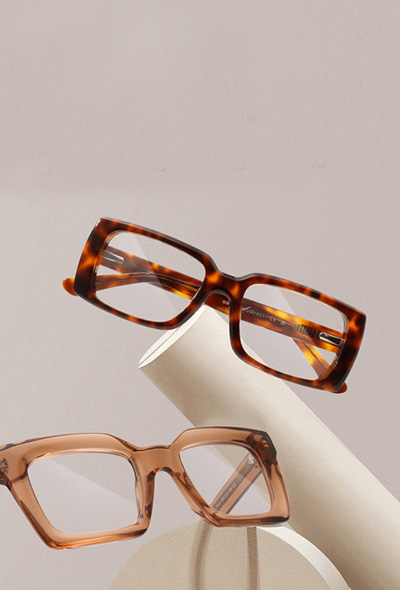
Rapid prototyping solves the problems of long R&D cycles and product homogenization.

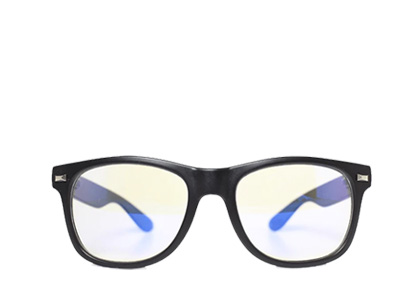
Blue Light Blocking Glasses

Reading Glasses

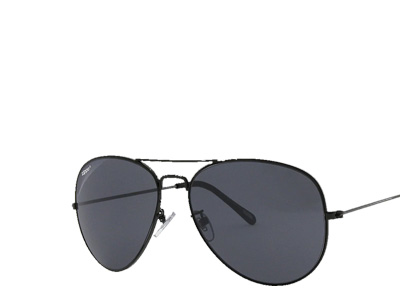
Sunglasses

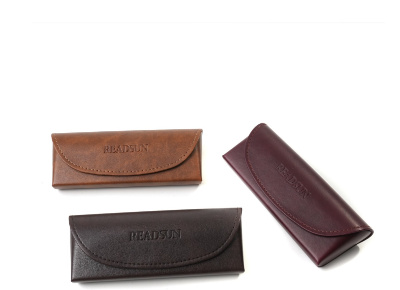
Eyeglasses Accessories & Packaging

Trusted by Global Brands

Get Your Exclusive Resources Now

To help brand clients quickly validate product quality and capture market trends, we offer exclusive benefits to our major clients:
Free catalog + sample frames
Free selection of samples for you to quickly experience ReadSun product quality
Support for multiple material and style options to aid product decision-making
Bestselling product list
Sharing the top 10 best-selling products in the market and providing the latest market intelligence
Free shipping on your first order, or receive free eyewear accessories

Get a Quick Quote

Please fill in the information below. We will contact you within 1–3 business days and provide you with a personalized product catalog, sample frames, or a list of best-selling items. We promise to keep your information strictly confidential and use it only for resource delivery and subsequent communication.
  • Contact Us
    • *Email
      *Full Name
      *Phone