

Eyeglass Pricing Is Driven by Three Factors
Design complexity, customization level, order quantity — everything else is a variation of these three.
Design Complexity
Intricate geometries, special structural features, and unique frame shapes require advanced tooling and extended production time.
Customization Level
OEM and ODM each carry different engineering and setup investments. Fully bespoke designs require more upfront development.
Order Quantity
Larger volumes distribute tooling costs, optimize material procurement, and improve production efficiency per unit.
What Factors Increase Eyeglass Frame Costs?
Every material choice, structural element, and finishing process affects the final price.
Material Selection
- Acetate Grade: High-grade acetate commands a premium base price, while standard grade offers a more economical starting point.
- Special Acetate: Premium sheets and gradient color front-frame processing each carry additional costs.
- Injection Materials: High-performance materials such as EMS command a surcharge over standard injection-grade materials.
- Temple Hardware: Copper, nickel silver, high-nickel copper, phosphor bronze, and stainless steel each have distinct pricing. Combined temple materials directly affect unit cost.

Structure Design
Half brow or full brow designs each add incremental tooling cost
Spring hinges carry a surcharge; branded push plates are priced at actual cost
Front width over 40mm or temple width over 7mm each incur additional processing cost
Magnetic clip-ons, mixed rims, and metal temple inserts each add variable cost
Custom temple molds require dedicated tooling investment, with hard tools and full TR molds at different cost tiers

Special Processes & Decoration
Surface Treatment
Etching: half brow and full brow etching each add different surcharges
Color: two-tone, hand painting, water transfer, and antique finishes each carry distinct cost premiums
Texture: brushed, chamfer, wood grain, and mirror mold finishes each involve additional labor and tooling costs
Logo & Decoration
Logo: hot stamp, UP decal, tin plate, and deep laser engraving each at different price tiers
Decorative parts: metal inlays, castings, metal endpieces, and studs all add incremental cost based on complexity
Rubber Coating
Metal rubber-coated temples: priced per pair with a premium for this specialty process
Small-batch single-color runs may incur additional setup charges
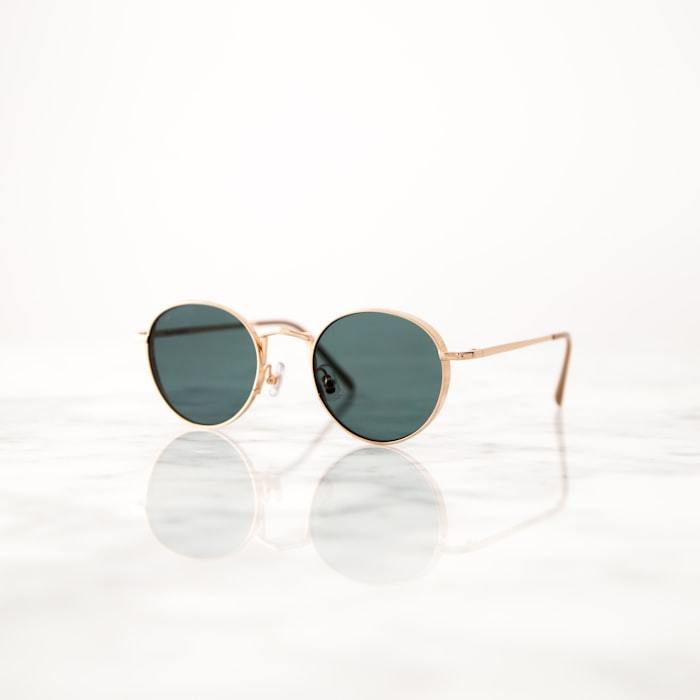
Lens Configuration
Blue-Blocking Reading
Surcharge per frame
1.1mm TAC Polarized
Premium per frame
CR39 Sunglass
Highest-cost option per frame
True REVO Coating
Adds to per-frame cost
Photochromic
Additional processing fee
High-Base Curve
Extra machining cost

Order & Production Requirements
Other Cost Factors You Should Know
How to Reduce Eyeglass Manufacturing Costs
Order Volume
Higher volume = lower per-unit price. Tooling costs are distributed across more units, materials are optimized, and production efficiency improves.
Seasonal Production Window
Align new collection launches with factory capacity cycles to secure better scheduling and more consistent lead times.
Long-Term Partnership
Ongoing cooperation unlocks tiered pricing, priority production slots, and reduced sampling costs over time.
Why Wrong Price Expectations Hurt Your Brand
Quality Risk
Low prices typically mean weaker hinges and unstable materials. Compromised structural integrity leads to product failure.
Higher After-Sales Cost
Defect replacements and customer complaints eat into already thin margins. Every return costs more than investing in quality upfront.
Delayed Launch
Extended price negotiations and spec revisions cause missed seasonal release windows. Timing is everything in fashion eyewear.

Trust Breakdown
Fluctuating pricing erodes confidence. Inconsistent quotes signal an unreliable supply chain and damage long-term relationships.

Brand Reputation Risk
Poor quality = negative reviews. In the age of social proof, one bad batch can undo years of brand building.
Cheap Supplier vs. Professional Manufacturer
| Factor | Low-Cost Supplier | Professional Manufacturer |
|---|---|---|
| Materials | Unstable | Controlled |
| Quality Control | Basic | Multi-Stage |
| Design | Copied | Library + Custom |
| Consistency | Low | High |
| Brand Impact | Risk | Scalable |
Frequently Asked Questions
What factors affect eyeglass frame pricing the most?
Material selection, structural complexity, decorative processes, lens configuration, and order quantity. Materials and structure are the primary cost drivers.
Why are custom eyeglass frames more expensive?
Custom frames require dedicated molds, specialized tooling, hand-finishing, and lower production efficiency compared to standard catalog designs.
Can I start with a small MOQ?
Yes. Many manufacturers accept small-batch trial runs. Unit pricing will be higher initially, and tiered pricing becomes available as volume grows.
How long does production typically take?
Lead times range from 30 to 60 days, depending on design complexity, material availability, and factory capacity at the time of order.
Why do prices vary between different suppliers?
Differences in material grades, quality control systems, tooling investment, production technology, labor standards, and overhead structure all contribute.
Get a Transparent Eyeglass Quote
We help eyewear brands know exactly what they are paying for before production starts. No surprises. No hidden markups.
Send Inquiry