 Aviator
 Cat-eye
 Square
 Oval
 Rectangular
 Round
How to Choose the Right Size & Fit for Kids Acetate Eyeglasses: Expert Guide by READSUN Optical
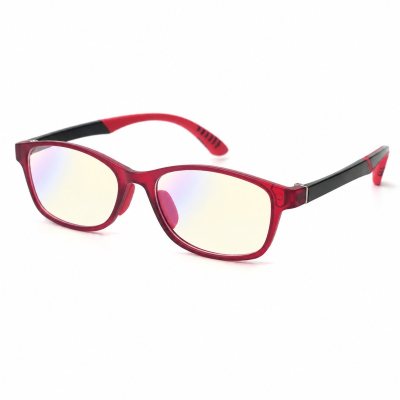
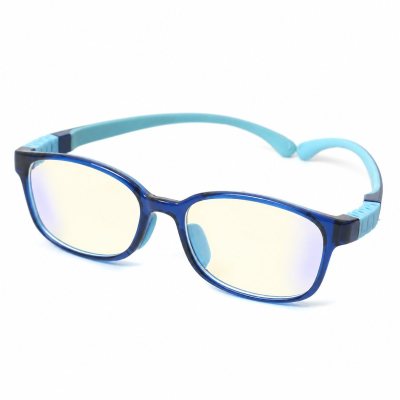
Selecting the right frame size and ensuring a proper fit are essential for comfort, visual clarity, and sustained wear by active kids. READSUN Optical brings you a precise yet practical guide to help you find acetate eyeglass frames that are as durable and flexible as they are comfortable and stylish. Ensuring proper fit starts with understanding three key measurements, typically displayed as Lens Width – Bridge Width – Temple Length: Additional Fit Factors: Acetate frames are lightweight and flexible—the ideal materials for children. But even the best frame material can hamper vision if improperly sized. If your child already wears glasses that fit well, the size measurements stamped on the temple (e.g., 48-16-125) can guide your next purchase. When trying new frames, ensure deviations from the known measurements stay within ±2–3 mm to maintain fit and comfort. A secure bridge fit prevents slippage, especially for younger children with softer nasal bridges. Temple arms should rest comfortably behind the ears without pinching. Virtual try-on technology helps assess how a frame fits your child's face before purchase. At READSUN Optical, we specialize in providing well-fitted acetate eyeglasses tailored for children: Getting kids’ acetate eyeglasses just right isn't about guesswork—it’s a blend of precise measurements, material benefits, and comfort-first design. With READSUN Optical’s expertise, you can be confident your child’s vision support is both functional and fun. Next Steps:How to Choose the Right Size & Fit for Kids Acetate Eyeglasses
Essential Measurements Every Parent Needs

Why Proper Fit Matters for Acetate Eyeglasses

Practical Tips to Choose the Right Fit
1: Check Existing Frames as a Reference
2: Stick Within a Safe Size Range
3: Watch for Proper Bridge & Temple Fit
4: Embrace Try-On Tools
What READSUN Optical Offers for Perfect Kids Fit

Summary Table: Fit Checklist for Acetate Kids Glasses
Fit Element
Why It Matters
Ideal Range/Feature
Lens Width
Ensures eyes are centered & reduces distortion
40–60 mm for kids
Bridge Width
Keeps frames from sliding or pinching
14–24 mm, proportional to nose
Temple Length
Ensures stability and comfort behind ears
120–150 mm
Lens Height
Position for proper vertical vision alignment
Proportional to lens width
PD
Aligns optical centers accurately
Regular updates needed
Fit Flexibility
Adjust frame fit as child grows
Use spring hinges and adjustable parts
Conclusion & Next Steps