The Importance of Blue Light Filters: Protecting Eyes in a Screen-First World
The average adult now spends more than seven hours per day looking at digital screens—smartphones, laptops, monitors, and tablets. This sustained screen exposure has created a new category of eye health concerns, and blue light filtering technology has emerged as one of the most accessible and widely adopted solutions. For optical retailers and B2B buyers, blue light filtering products represent one of the fastest-growing segments in the eyewear market.
At READSUN Optical, we manufacture blue light filtering lenses and reading glasses for B2B partners worldwide. This guide explains what blue light is, what the science says, how filtering technology works, and why this category represents a major opportunity for optical retailers.
What Is Blue Light?
Blue light is the high-energy visible (HEV) light with wavelengths between approximately 380 and 500 nanometers. It sits at the violet-blue end of the visible light spectrum and has the highest energy of any visible light. Natural sources include the sun; artificial sources include LED lighting, smartphones, computer monitors, and tablets[reference:0].
Not all blue light is harmful. Blue-turquoise light (around 480–500 nm) plays a legitimate role in regulating circadian rhythm, mood, and alertness. The segment most often targeted by blue light filtering lenses is the blue-violet range (roughly 415–455 nm), which corresponds to the peak absorption spectrum associated with photochemical stress in retinal cells.
What the Science Says: Eye Strain, Sleep, and Retinal Health
The scientific evidence on blue light is nuanced and often misrepresented in marketing. A balanced understanding helps B2B buyers make informed decisions about product positioning.
Digital Eye Strain
Prolonged screen exposure is associated with headaches, dry eyes, and blurred vision—commonly called digital eye strain or computer vision syndrome[reference:1]. However, the American Academy of Ophthalmology (AAO) notes that this discomfort is linked not to blue light itself, but to device misuse or overuse—such as reduced blink rate and poor ergonomics[reference:2].
Systematic reviews and controlled trials indicate that blue-filtering lenses do not provide clinically meaningful improvements in visual acuity or symptoms of digital eye strain[reference:3]. This is an important distinction for honest product marketing: blue light glasses are a comfort accessory, not a medical treatment.
Sleep and Circadian Rhythm
The strongest scientific case for blue light filtering relates to sleep. Blue light suppresses melatonin production—the sleep hormone—and evening exposure can disrupt circadian rhythms. Research shows that blue light suppresses melatonin release twice as much as green light at the same luminance[reference:4]. A study of medical students found that exposure to blue light can reduce melatonin production, disrupt circadian rhythms, and cause sleep disorders such as insomnia[reference:5].
Preliminary research suggests that higher exposure to blue-enriched light in the morning is linked to increased deep sleep duration, whereas greater evening and nighttime blue-light exposure is associated with reduced rapid eye movement sleep[reference:6]. For consumers who read on screens before bed, blue light filtering glasses can be a practical tool for protecting sleep quality without giving up evening reading habits.
Retinal Health
Laboratory studies using cells in a dish and animal models have shown that blue light can cause cell damage under experimental conditions. However, these experiments did not mimic natural conditions of blue light exposure to live human eyes, nor did they use blue light from computer screens. As the AAO states: "So far, the evidence shows no meaningful link between blue light and eye disease" from computer screens[reference:7].
This does not mean blue light filters are useless—it means they should be marketed for comfort and sleep support, not disease prevention.
How Blue Light Filtering Lenses Work
There are two primary technologies used to reduce blue light transmission:
Absorptive filtering: The lens material itself contains blue-blocking compounds, common in amber or yellow-tinted lenses. This approach is most effective at blocking wavelengths between 380–450 nm[reference:8].
Reflective coatings: Multi-layer anti-reflective coatings that reflect blue light while remaining visually clear. This approach produces less color shift but is slightly less effective at blocking[reference:9].
Combined approach: Premium lenses use both absorptive and reflective technologies for maximum blocking without excessive tinting[reference:10].
When evaluating blue light filtering specifications, buyers should look for two key metrics:
Metric
What It Means
Typical Values
Blue Light Transmittance (BLT)
Lower percentage = more blocking. Measures how much blue light passes through the lens.
60–80% transmittance for general use; 30–50% for heavy filtering[reference:11]
Cutoff Wavelength
The wavelength at which the lens begins to block blue light.
400–420 nm is the target range[reference:12]
Buyers should be cautious of marketing claims of "100% blue light blocking"—no lens achieves this without being completely opaque. Legitimate claims reference specific wavelength ranges, such as "blocks 50% of blue light at 400–450 nm"[reference:13].
Market Opportunity: Why Blue Light Filters Are a B2B Growth Category
With increased screen time, demand for blue-light filtering lenses and digital eye strain solutions continues to rise. According to Allied Market Research, blue light eyewear is projected to have promising growth through 2030[reference:14]. The global blue light blocking glasses market was valued at approximately USD 2.2 billion in 2024 and is projected to grow at a CAGR of 8.2% through 2031[reference:15].
For B2B buyers, this category offers several distinct advantages:
Diverse Target Demographics
Remote and digital workers (18–45): Computer-intensive jobs, willing to pay $20–$60 for functional eyewear[reference:16].
Gamers (16–35): High engagement with blue light messaging, strong online community influence[reference:17].
People older than 65: Increasingly digital-native, value combination products (reading + blue light)[reference:18].
Students: Long study sessions with laptops and tablets; a growing market segment[reference:19].
Premium lens technology, designer frames, professional positioning[reference:22]
B2B Sourcing Guide: What to Look For in a Blue Light Filter Supplier
When sourcing blue light filtering products, B2B buyers should evaluate suppliers on the following criteria:
1. Lens Technology Specifications
Blue light blocking rate: Request specific percentage blocking at 400–450 nm range. Avoid vague "blocks blue light" claims without numbers.
AR coating quality: Multi-layer anti-reflective coating reduces reflections and improves visual clarity[reference:23].
Hard coat: Essential for durability—prevents scratching of the blue light coating[reference:24].
Optical clarity: High-quality blue light lenses should have minimal color distortion. Always verify with physical samples[reference:25].
2. Frame Selection and Design Trends
Blue light glasses buyers skew younger than traditional reading glasses buyers—design matters more. Best-selling frame styles include:
Transparent/light-colored frames: Clear or pastel TR90 frames are popular with digital workers who do not want to look "medical"[reference:26].
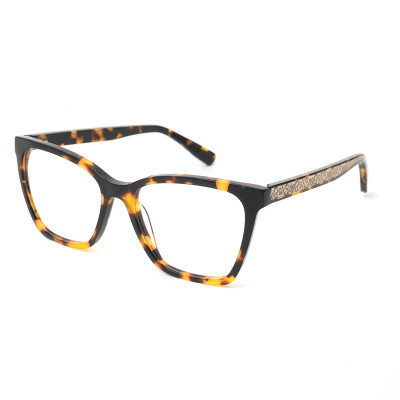
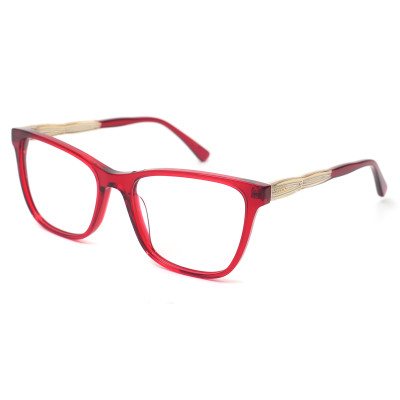
Geometric and bold shapes: Oversized square, rectangular, and browline styles dominate for the 25–45 demographic[reference:27].
Classic styles for older buyers: Round and aviator shapes sell well to buyers older than 45 who want blue light protection for reading[reference:28].
3. Combination Products: Blue Light + Reading Power
One of the fastest-growing segments is blue light reading glasses with pre-installed reader lenses. These combine the digital eye strain benefit with presbyopia correction—ideal for the 45–65 demographic[reference:29]. Standard pre-installed powers range from +1.00 to +3.50.
4. Compliance and Certification
For EU-bound products, blue light filtering lenses should comply with EN ISO 12312-1:2022, the harmonized standard for sunglasses and related eyewear. Under this standard, lenses must meet specific requirements for luminous transmittance, UV filtration, and optical quality[reference:30]. READSUN provides full CE and FDA compliance documentation with every bulk order.
How READSUN Optical Supports Blue Light Filter Programs
At READSUN Optical, we manufacture blue light filtering reading glasses and optical frames for B2B partners worldwide. Our capabilities include:
Custom filter specifications: Choose your blue light blocking percentage (30%, 40%, 50%, or higher) to match your target market's needs.
Lens coating options: Blue light filter, anti-reflective, scratch-resistant, and hydrophobic coatings—applied individually or in combination.
Frame customization: TR90, acetate, metal, and titanium frames with your branding, colors, and packaging.
Compliance support: CE, FDA, and RoHS documentation for seamless customs clearance.
Flexible MOQs: From 300 pieces per style for private label orders.
Whether you are sourcing blue light reading glasses for pharmacy chains or developing a private-label collection for optical retail, we have the manufacturing flexibility to support your program.
Conclusion
Blue light filtering products are not a cure-all, and the scientific evidence on eye disease prevention is inconclusive. But for consumers who spend hours on screens—especially in the evening—blue light filtering lenses offer a practical combination of comfort, glare reduction, and sleep support. With 7+ hours of daily screen time now the norm and the market growing at 8.2% annually, this category represents a genuine and expanding opportunity for B2B buyers.
👉 Ready to source blue light filtering glasses for your market?Contact READSUN Optical to discuss your requirements, request samples, and receive a custom quotation for your blue light product line.

 Aviator
 Cat-eye
 Square
 Oval
 Rectangular
 Round