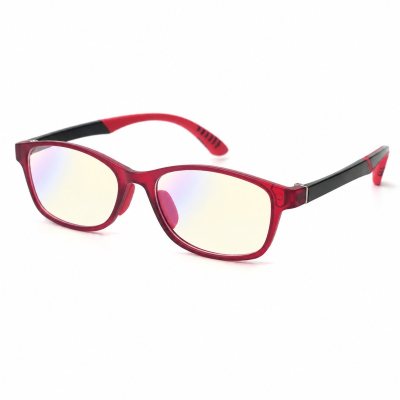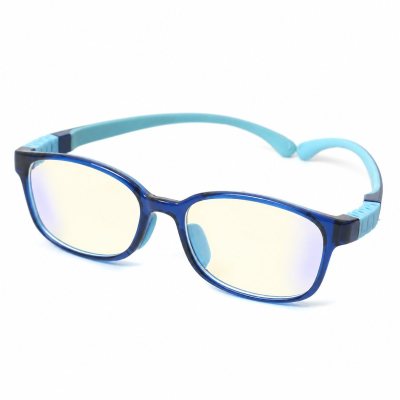
 Aviator
 Cat-eye
 Square
 Oval
 Rectangular
 Round
The difference between polarized sunglasses and unpolarized sunglasses
Sunglasses are more than a fashion accessory—they are a critical layer of protection for your eyes. But not all sunglasses are created equal. Understanding the difference between polarized and non-polarized lenses helps you choose the right pair for your lifestyle and eye health. At READSUN Optical, we manufacture both polarized and non-polarized sunglasses for B2B partners worldwide. This guide explains how each type works, when to use them, and how to tell them apart. Non-polarized sunglasses generally have only two basic functions: blocking strong light and filtering ultraviolet light. However, their efficiency in filtering UV light is relatively low. In our daily life, in addition to strong light and ultraviolet light, light passing through uneven road surfaces, water surfaces, and other reflective surfaces produces irregular diffuse reflection. This scattered light causes blurred vision and eye fatigue. Non-polarized lenses cannot filter out this reflected glare. They simply reduce the overall brightness entering the eye, which may still leave you squinting or feeling uncomfortable in highly reflective environments. Polarized sunglasses can filter out this kind of reflected light. They absorb only the reflected light of the object itself, presenting a truer, clearer view. This makes the field of vision clearer and reduces visual fatigue. In addition, polarized sunglasses have an efficient filter layer that blocks 99% of UV rays, effectively reducing UV damage to the eyes. This combination of glare reduction and UV protection makes polarized lenses the preferred choice for driving, fishing, boating, skiing, and other outdoor activities. When judging whether sunglasses are polarized, you can rotate the sunglasses clockwise by 45 degrees. If the color of the lens changes at that angle, and then returns to normal after rotating back to the original position, the sunglasses are polarized. If no matter how you turn them, you cannot see any change in the color of the lens, then the sunglasses are not polarized. Polarized sunglasses effectively filter glare, scattered light, and refracted light, absorbing only the reflected light of the object itself. This provides a true and clear view of what you see. At READSUN Optical, we manufacture both polarized and non-polarized sunglasses in a wide range of frame styles and lens materials. Our capabilities include: Whether your customers prioritize fashion, performance, or value, we have the manufacturing flexibility to deliver. Contact us to discuss your next sunglass collection. Choosing between polarized and non-polarized sunglasses depends on your activities and visual needs. Non-polarized lenses offer basic light reduction and UV filtering, while polarized lenses provide superior glare reduction, clearer vision, and better eye comfort—especially in reflective environments. 👉 Ready to source high-quality polarized or non-polarized sunglasses for your market? Contact READSUN Optical to request samples, discuss OEM/ODM requirements, and receive a custom quotation for your market.The Difference Between Polarized and Non-Polarized Sunglasses
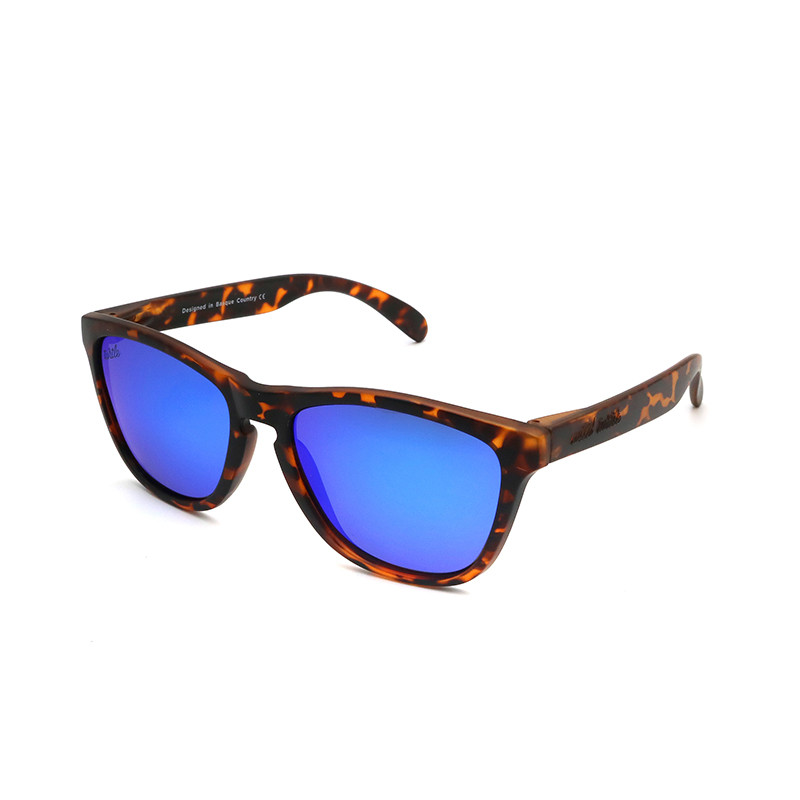
1. Non-Polarized Sunglasses: Basic Protection
2. Polarized Sunglasses: Superior Clarity and Comfort
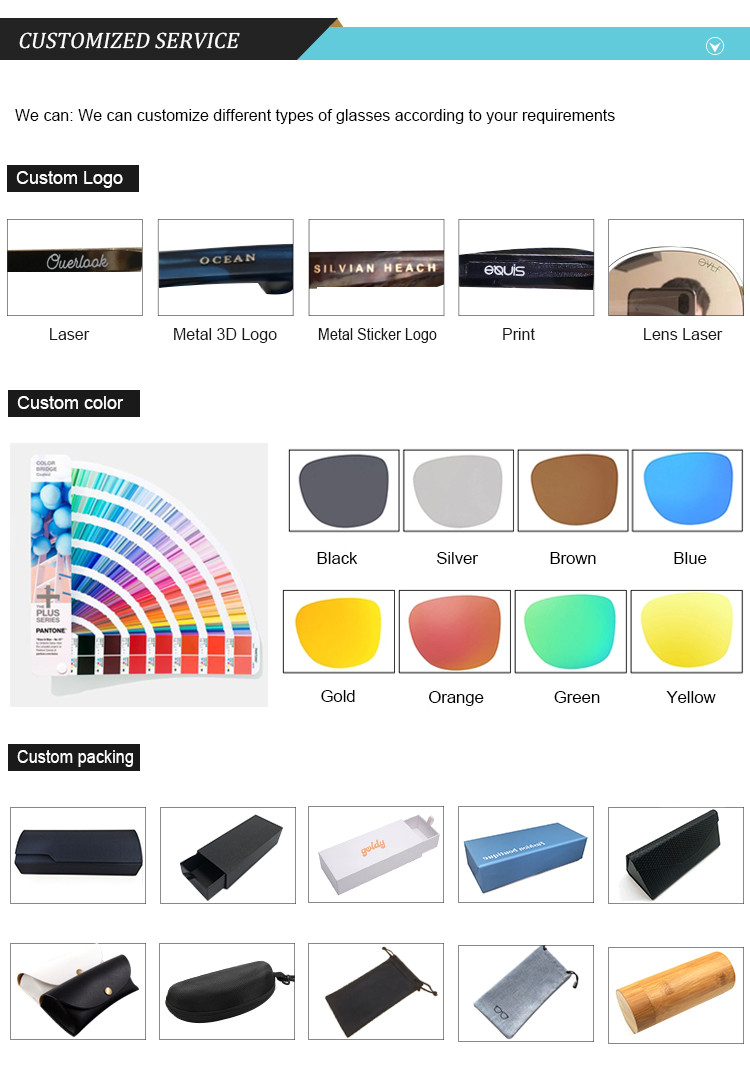
3. How to Test If Sunglasses Are Polarized
4. Features and Benefits of Polarized Sunglasses
5. Why Choose READSUN Optical for Your Sunglasses
Conclusion