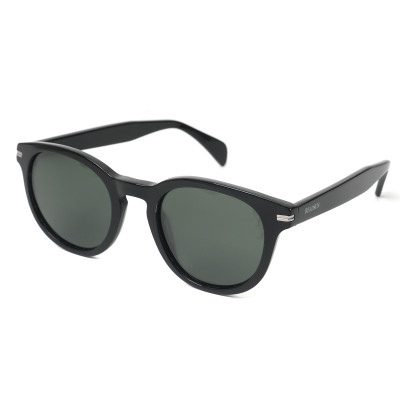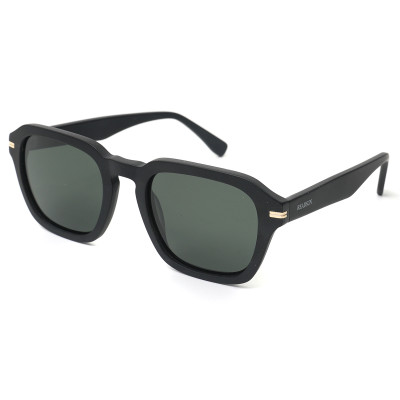
 Aviator
 Cat-eye
 Square
 Oval
Oval Rectangular
 Round
RoundWhat is an acceptable defect rate for frames?
An acceptable defect rate for eyeglass frames depends on the AQL level agreed between buyer and factory. For most wholesale orders, AQL 2.5 for major defects and AQL 4.0 for minor defects is the industry standard. This means a batch is acceptable if the sample shows defects below those limits. Anything above is rejected or subject to negotiation. READSUN Optical applies AQL 2.5/4.0 inspection to every order and provides full inspection reports for each shipment.
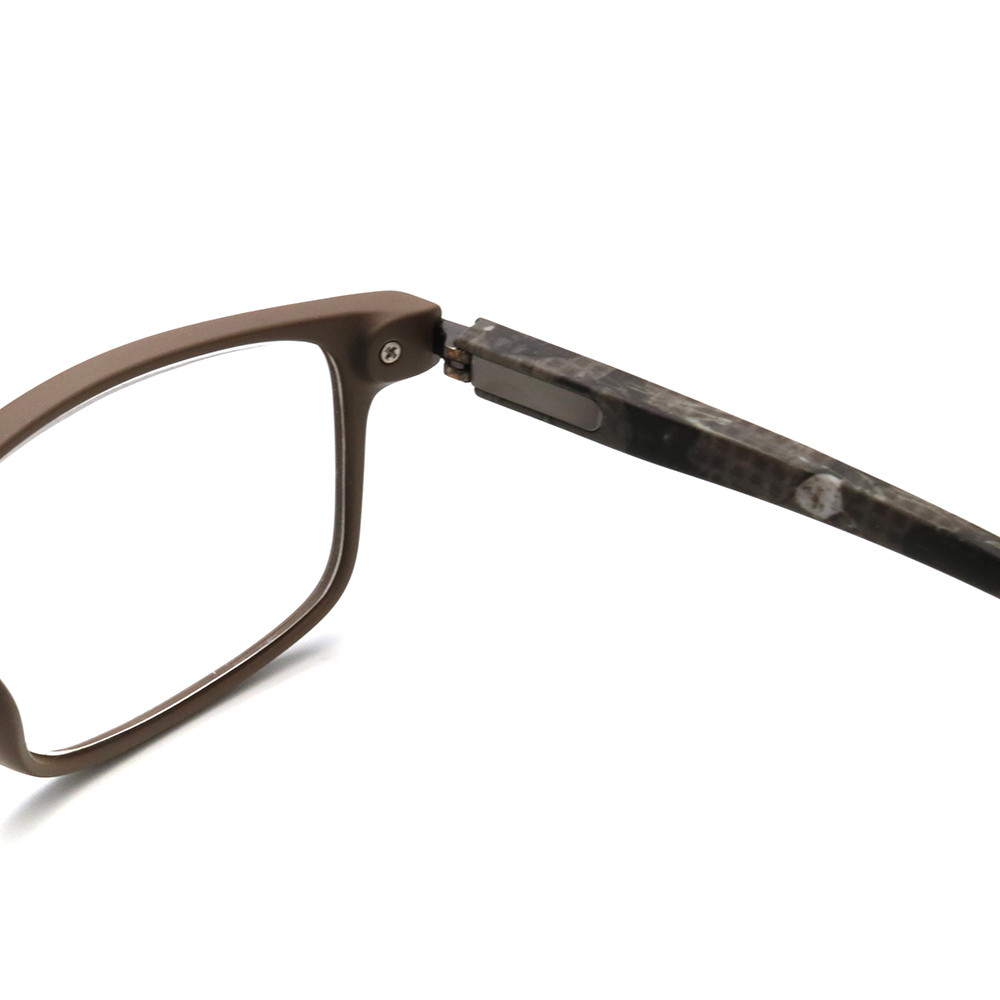
Eyeglass Frame Defect Rate: What It Means for Eyewear Importers
The eyeglass frame defect rate is the percentage of frames in a batch that fail to meet the agreed quality standard. It is not a fixed number. It is defined by the AQL level agreed in the purchase order and measured through sampling inspection.
For B2B buyers, the defect rate affects three commercial outcomes:
- After-sales cost: higher defect rates mean more returns, replacements, and warranty claims.
- Retail relationships: optical chains and distributors expect consistent quality.
- Brand reputation: repeated quality issues damage trust with end customers.
Defect rates are measured in two categories: major defects and minor defects. Major defects affect function or safety, such as a broken hinge or sharp edge. Minor defects affect appearance only, such as a small surface scratch. Each category has its own AQL limit.
Required Standards and Test Methods: Eyeglass Frame Defect Rate
Defect rate measurement follows the AQL sampling standard. The table below shows the common AQL levels used in eyewear production and what each level means for the shipment.
| AQL Level | Typical Application | Buyer Expectation |
|---|---|---|
| AQL 1.5 | Premium frames, high-end retail | Very low defect tolerance; strict inspection |
| AQL 2.5 | Standard wholesale frames, major defects | Accepted industry standard for most orders |
| AQL 4.0 | Standard wholesale frames, minor defects | Moderate tolerance for cosmetic issues |
| AQL 6.5 | Promotional frames, low-cost lines | Higher tolerance; lower price point |
For most B2B eyewear orders, the standard is AQL 2.5 for major defects and AQL 4.0 for minor defects. This balance allows factories to produce at reasonable cost while keeping serious quality problems under control.
Eyeglass Frame Defect Rate: Documents and Certificates to Request
Buyers should request inspection documents before shipment. These documents confirm the actual defect rate of the batch and support customs clearance and after-sales claims.
- AQL inspection report: shows the sample size, defect count, and pass/fail result.
- Defect classification sheet: lists major and minor defect categories used in the inspection.
- Batch production records: confirms the production date and batch number.
- Test reports: hinge fatigue, salt spray, and nickel release as relevant.
- Material declaration: confirms material grade and source.
- Declaration of conformity: confirms the product meets the destination market rules.
- Replacement / credit policy: defines the remedy if the batch fails inspection.
Buyers should verify that the AQL inspection report references the exact shipment batch. A report from an earlier batch is not valid evidence of current quality.
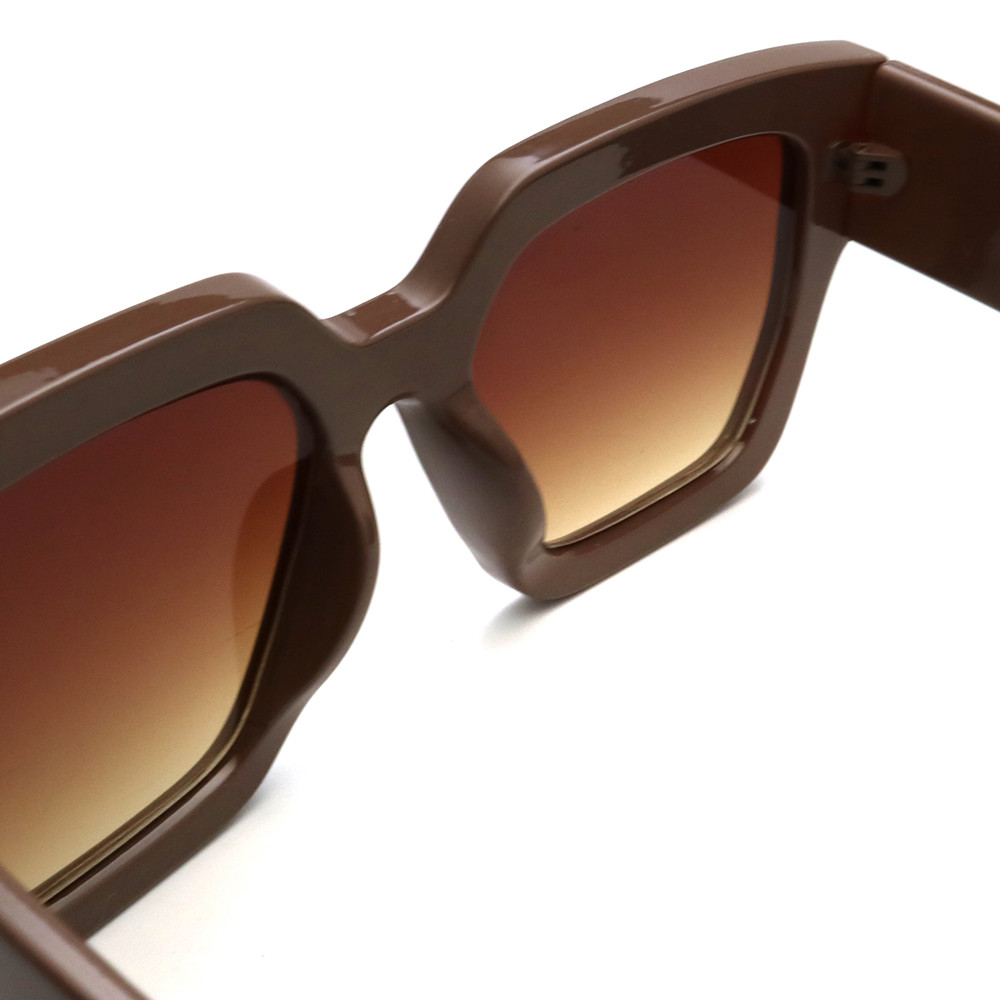
Eyeglass Frame Defect Rate Explained Step by Step
Buyers can understand defect rate control in five simple steps. This helps when reviewing AQL inspection reports and negotiating with the factory.
- Agree on the AQL level. Standard is AQL 2.5 for major defects and AQL 4.0 for minor defects. Premium orders may use AQL 1.5.
- Define major and minor defects. Major defects affect function or safety. Minor defects affect appearance only.
- Choose the sample size. AQL tables define how many pieces to inspect based on the batch size.
- Run the inspection. The inspector counts defects in the sample and compares them with the acceptance number.
- Decide pass or fail. If defects are below the limit, the batch is accepted. If above, the batch is rejected or subject to rework.
This process makes quality measurable. It also gives both sides a clear basis for resolving disputes. A factory that resists AQL inspection or gives vague answers about defect rates is a red flag.
Eyeglass Frame Defect Rate: Test Reports and Declaration of Conformity
Test reports support defect rate control by confirming the durability and compliance of the batch. Buyers should request reports for the exact batch being shipped. Common test reports include:
- Hinge fatigue test report: confirms hinge durability over thousands of cycles.
- Salt spray test report: confirms plating resistance to corrosion.
- Nickel release test report: confirms EU REACH compliance.
- Drop test report: confirms frame durability under normal handling.
- AQL inspection report: confirms the actual defect rate of the batch.
- Material declaration: confirms the material grade and source.
Buyers should match the report date and batch number with the actual shipment. This prevents factories from using old test reports for new production. A reliable eyeglass frame manufacturer will provide these documents for every order.
How READSUN Supports Eyeglass Frame Defect Rate for Global Clients
READSUN Optical is a B2B eyeglass frame manufacturer with a documented defect control system. Every order passes through AQL 2.5/4.0 inspection before shipment, with full documentation for buyer review.
Our defect control process includes:
- AQL 2.5/4.0 inspection: standard inspection level for major and minor defects.
- Defect classification sheet: defines major and minor defect categories for consistent measurement.
- In-process inspection: checks quality at each production stage, not just final assembly.
- Batch traceability: material batch records and production logs for every order.
- Corrective action plan: for any batch that fails inspection, with root cause analysis.
- Documentation: AQL inspection report, test reports, and material declaration for every shipment.
Buyers can review custom optical frames for product options, explore OEM & ODM eyewear services for development support, or learn more about READSUN Optical.
Need a reliable defect rate guarantee for your next frame order?
Share your target material, structure, quantity, and market requirements. Our team will provide the AQL inspection plan and quality documentation.
Contact READSUN Optical to start.
Eyeglass Frame Defect Rate FAQ
What is an acceptable defect rate for frames?
The standard for wholesale eyeglass frames is AQL 2.5 for major defects and AQL 4.0 for minor defects. Premium orders may require AQL 1.5. Defect rates are measured through sampling inspection of the batch.
What is the difference between major and minor defects?
Major defects affect function or safety, such as a broken hinge, sharp edge, or misaligned frame. Minor defects affect appearance only, such as a small scratch or slight color variation. Each category has its own AQL limit.
What is AQL 2.5?
AQL 2.5 is the Acceptable Quality Level for major defects. It defines how many defective pieces are allowed in a sample before the batch is rejected. It is the standard level for most wholesale eyewear orders.
What happens if a batch fails AQL inspection?
If a batch fails inspection, the buyer can request rework, replacement of defective frames, or a credit note. The exact remedy depends on the defect type and the terms agreed in the purchase order.
How can I reduce frame defect rate?
Choose a factory with a documented QC system, agree on AQL 2.5/4.0 in the purchase order, request in-process inspection, and verify test reports for every batch. Avoid suppliers who resist AQL inspection or give vague answers.
Can READSUN provide AQL inspection reports?
Yes. READSUN provides AQL inspection reports, defect classification sheets, test reports, and material declarations for every shipment. Contact us for a sample document package.
Request a defect-rate controlled eyeglass frame quote from READSUN Optical today. Share your target material, structure, quantity, and market needs, and our team will provide the AQL inspection plan and quality documentation.