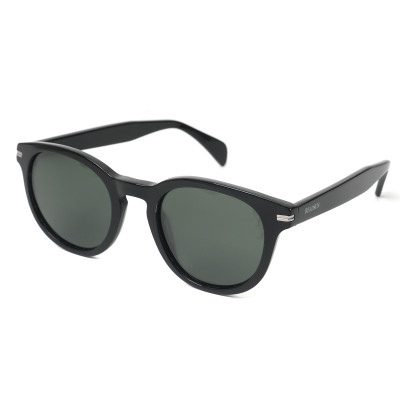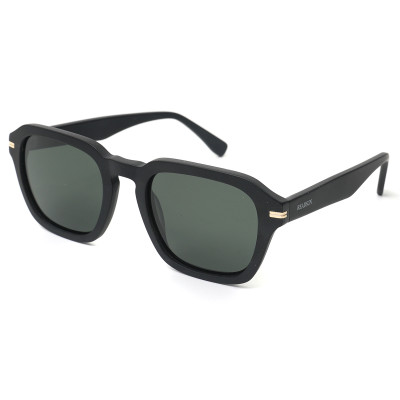
 Aviator
 Cat-eye
 Square
 Oval
Oval Rectangular
 Round
RoundWhat is an eyewear factory audit and why does it matter?
An eyewear factory audit is an independent on-site evaluation of a supplier's production capacity, quality management system, social compliance, and traceability. It answers one core question: can this factory consistently produce the approved product on schedule, with documented evidence? For importers and eyewear brands, an audit reduces supply chain risk, protects brand reputation, and confirms that the factory meets international standards. READSUN Optical welcomes buyer audits and maintains full documentation for every eyewear factory audit.
Eyewear Factory Audit Explained for Eyewear Brands and Importers
An eyewear factory audit is more than a factory tour. A tour shows you what the supplier wants you to see. An audit follows the product from material storage to packed cartons and asks a harder question: can this factory make the approved product again, on schedule, with evidence?[reference:0]
For B2B buyers, the audit serves three commercial purposes:
- Supplier verification: confirms whether the supplier is a real factory or a trading company presenting a polished showroom while production is handled elsewhere.[reference:1]
- Risk reduction: identifies production bottlenecks, quality gaps, and compliance issues before they affect your order.
- Brand protection: verifies ethical working conditions and environmental compliance, protecting your brand from reputational damage.[reference:2]
Major eyewear groups such as EssilorLuxottica require on-site supplier audits as a core part of their responsible sourcing program. Suppliers who fail to meet requirements or refuse corrective actions may face business interruption or reduction.[reference:3] This shows how seriously the industry treats factory audits.
Eyewear Factory Audit: What B2B Buyers Should Check
An effective audit covers four main areas: production capacity, quality management, social and environmental compliance, and traceability. Each area has its own checklist.
| Audit area | Key checkpoints | What it reveals |
|---|---|---|
| Production capacity | Equipment age and maintenance, production lines, monthly output, workforce size | Whether the factory can meet your order volume and timeline |
| Quality management | QC procedures, inspection records, AQL standards, test reports | Whether quality is controlled at every production stage |
| Social compliance | Labor practices, working hours, wages, health and safety, child labor prevention | Whether the factory meets ethical production standards |
| Environmental compliance | Waste treatment, chemical handling, ISO 14001 system | Whether the factory meets environmental regulations |
| Traceability | Material batch records, production logs, work-in-progress labels | Whether the factory can trace materials and identify defects |
For eyewear specifically, auditors also check material storage conditions, component labeling, and whether the same frame can be reproduced with consistent quality. In a well-run eyeglass factory, each tray shows a model code, color, quantity, and operation status. An unlabeled tray of black frames can easily be mixed with a similar order.[reference:4]
Eyewear Factory Audit: What B2B Buyers Should Check
Audit types and what they cover
Factory audits are not all the same. Buyers should know which type matches their market requirements.
- Social compliance audit (BSCI, SEDEX/SMETA, SA8000): verifies labor rights, working hours, wages, health and safety, and environmental protection. Major retailers and distributors require these reports.[reference:5]
- Quality system audit (ISO 9001, QMS): verifies the factory's quality management system, inspection procedures, and corrective action process.
- Environmental audit (ISO 14001): verifies waste treatment, chemical handling, and environmental management.
- Structural audit: verifies building safety, fire safety, and emergency preparedness.
- C-TPAT / GSV audit: verifies supply chain security for US-bound shipments.
For most B2B eyewear buyers, a social compliance audit plus a quality system review covers the essential requirements. Buyers targeting EU markets should also confirm nickel release testing and EN ISO 12870 compliance.
BSCI vs SEDEX: which one do you need?
BSCI and SEDEX are the two most common social compliance audits in the eyewear industry. They are not interchangeable badges. Each serves a different evidence path.[reference:6]
| Factor | BSCI | SEDEX / SMETA |
|---|---|---|
| Developed by | amfori (EU association) | UK-based non-profit organization |
| Primary market | EU clients (H&M, Zara, Aldi) | UK and US clients (Walmart, Coca-Cola) |
| Scoring | Graded A/B/C/D/E | Accepted or rejected, as determined by buyer |
| Report sharing | Shared with designated clients only | Uploaded to platform for client access |
| Validity | 1 year | 1–2 years |
The practical advice for buyers: start with your customer's requirement, not the factory's preferred label. Ask your buyer whether they accept BSCI or SEDEX reports, then match that requirement to the factory that will make the order.[reference:7]
Eyewear Factory Audit: Specifications B2B Buyers Should Confirm
Before scheduling an audit, buyers should prepare a clear agenda and request specific documents. This makes the audit more efficient and the findings more actionable.
- Legal identity: business license, registered address, and factory address. Compare against the quotation and bank account.[reference:8]
- Product capability: similar samples and production records for your target frame type.
- Production process: process flow chart and equipment list.
- Quality system: QC procedures, inspection reports, and AQL records.
- Compliance: valid certificates and test reports (ISO 9001, BSCI/SEDEX, nickel release).
- Capacity: monthly output, current order load, and lead time estimates.
Send your drawings and material requirements before the visit. Add target quantities and packaging expectations. Factories that give vague answers before the audit tend to remain vague on the shop floor.[reference:9]
Eyewear Factory Audit: MOQ, Lead Time, and Pricing
Audit findings directly affect MOQ, lead time, and pricing decisions. A factory with strong quality systems and certifications can usually command higher unit prices but delivers more consistent results and lower after-sales risk.
| Audit finding | Impact on business |
|---|---|
| Strong QC system + certifications | Higher unit cost, lower return rate, faster customs clearance |
| Weak QC system, no certifications | Lower unit cost, higher return risk, potential market access issues |
| Limited capacity or outdated equipment | Longer lead times, risk of order delays during peak season |
| Full social compliance (BSCI/SEDEX) | Access to major retail channels; required by many EU/US buyers |
Buyers should treat the audit as a long-term investment, not a one-time cost. A factory that passes a thorough audit is more likely to deliver consistent quality across multiple orders.
How READSUN Handles Eyewear Factory Audit
READSUN Optical is a B2B eyeglass frame manufacturer that welcomes buyer audits and maintains full documentation for every shipment. Our factory holds ISO 9001, BSCI, and SEDEX/SMETA certifications, along with CE and FDA compliance documentation.[reference:10]
Our audit support includes:
- Pre-audit documentation: business license, factory address, process flow, and equipment list.
- On-site audit access: production lines, QC stations, material storage, and assembly areas.
- Virtual audit option: live video walkthrough for buyers who cannot visit in person.[reference:11]
- Quality documentation: AQL inspection reports, hinge fatigue test reports, salt spray test reports, and nickel release test reports.
- Social compliance reports: BSCI and SEDEX/SMETA audit reports available for buyer review.
- Traceability records: material batch records, production logs, and WIP labels for every order.
Buyers can review OEM & ODM eyewear services for development support, explore custom optical frames for product options, or learn more about READSUN Optical.
Planning a factory audit for your next eyewear order?
Share your audit checklist, target material, and quantity requirements. Our team will prepare the documentation and schedule your visit.
Contact READSUN Optical to start.
Eyewear Factory Audit FAQ
What is an eyewear factory audit?
An eyewear factory audit is an independent on-site evaluation of a supplier's production capacity, quality management system, social compliance, and traceability. It confirms whether the factory can consistently produce the approved product on schedule with documented evidence.
What is the difference between BSCI and SEDEX?
BSCI is developed by amfori (EU) and uses a graded A/B/C/D/E scoring system. SEDEX uses the SMETA audit methodology, is UK-based, and uploads reports to a shared platform. The practical difference is the platform and the client base, not the audit scope.[reference:12]
What should I check during an eyewear factory audit?
Check four main areas: production capacity (equipment, output, workforce), quality management (QC procedures, inspection records, AQL standards), social compliance (labor practices, health and safety), and traceability (material batch records, production logs).
Do I need a third-party audit or can I visit the factory myself?
Both approaches work. A third-party audit provides an independent, standardized assessment with a formal report. A self-conducted visit gives you hands-on insight into the factory's operations. For large orders or new suppliers, a third-party audit is recommended.
What are red flags in a factory audit?
Red flags include refusal to provide a factory address, inability to show production records, unlabeled work-in-progress materials, expired certificates, refusal to allow a live video tour, and vague answers about capacity or lead time.
What happens after a factory audit?
After the audit, the auditor issues a report with findings and a corrective action plan if needed. The factory must close all issues by an agreed deadline. Suppliers who refuse to implement corrective actions or show no improvement may face business interruption or reduction.[reference:13]
Does READSUN welcome factory audits?
Yes. READSUN welcomes both in-person and virtual factory audits. We hold ISO 9001, BSCI, and SEDEX/SMETA certifications, and provide full documentation for buyer review. Contact us to schedule your audit.
Request an eyewear factory audit from READSUN Optical today. Share your target material, structure, quantity, and market needs, and our team will prepare the documentation and schedule your visit.