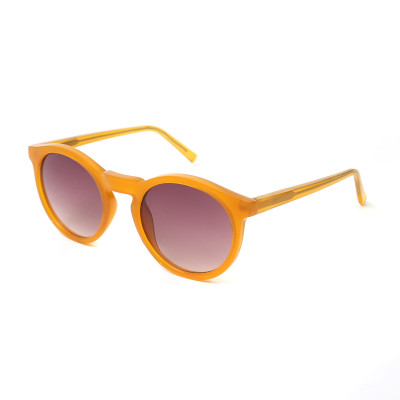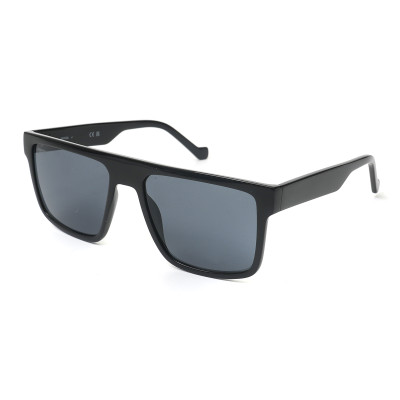
 Aviator
 Cat-eye
 Square
 Oval
Oval Rectangular
 Round
RoundWhat Is the Difference Between Plastic and Metal Eyeglass Frames?
The main difference between plastic and metal eyeglass frames is material structure: plastic frames are molded or cut from acetate, TR90, or injected plastic, while metal frames are formed from titanium, stainless steel, or Monel. Plastic frames are lighter in feel, easier to color, and lower in cost. Metal frames are stronger, more adjustable, and better for slim or rimless designs. For B2B buyers, the choice affects price band, target market, and SKU planning. READSUN Optical produces both categories for wholesale and OEM/ODM programs.
Plastic vs Metal Eyeglass Frames: Side-by-Side Comparison for B2B Buyers
What is the difference between plastic and metal eyeglass frames? Frame material determines weight, durability, adjustability, allergy risk, and price. It also shapes how a collection is positioned in the market.
The table below compares plastic eyeglass frames vs metal across the factors that matter most to importers and brands.
| Factor | Plastic Frames | Metal Frames |
|---|---|---|
| Common materials | Acetate, TR90, Ultem, Optyl, injection plastic | Titanium, beta titanium, stainless steel, Monel |
| Weight | Light to medium | Light to medium (titanium is lightest) |
| Durability | Good; acetate can be polished and repaired | High; metal holds shape and resists stress |
| Adjustability | Limited; requires heat adjustment | High; temples and nose pads can be adjusted |
| Allergy risk | Low; acetate and TR90 are generally skin-friendly | Depends on material; Monel contains nickel |
| Color options | Very wide; patterns, transparency, layering | Limited; plating and coating colors |
| Design style | Bold, fashion-forward, retro | Slim, minimalist, professional |
| Price band | Low to mid | Mid to high |
| Best for | Fashion collections, kids, value lines | Premium, rimless, functional, Asian fit |
This comparison shows the main differences between plastic and metal eyeglass frames. Buyers should match the material to the target customer, price point, and market positioning.
Key Differences Between Plastic and Metal Eyeglass Frames
Beyond the table, several practical differences affect sourcing decisions and after-sales performance.
Weight, Comfort, and Durability
Plastic frames distribute weight differently from metal frames. Acetate frames feel solid but can be heavier in oversized shapes. TR90 and Ultem are lighter and more flexible, which makes them a strong choice for kids and sport frames.
Metal frames, especially titanium and beta titanium, offer the best strength-to-weight ratio. They hold their shape under stress and resist bending better than plastic. This is why custom optical frames in metal are often chosen for premium and rimless designs.
Adjustability and Fit
Metal frames are easier to adjust. Temples can be bent, nose pads can be repositioned, and the frame can be reshaped to fit different face types. Plastic frames require heat adjustment and have less range. For markets with diverse face shapes or low nose bridges, metal frames with adjustable nose pads are often the better choice.
Allergy Risk and Skin Compatibility
Acetate and TR90 are generally skin-friendly. Metal frames vary: titanium and stainless steel have low nickel release, while Monel contains nickel and may cause reactions in sensitive customers. Buyers sourcing for EU or allergy-sensitive markets should request nickel release testing. READSUN supports compliance documentation through our Manufacturing Excellence process.
Customization, Colors, and MOQ
Plastic frames offer more color freedom. Acetate can be produced in transparent, tortoiseshell, two-tone, and layered patterns. Metal frames are limited to plating and coating colors. For brands building a distinctive look, plastic offers more design range. For brands targeting slim, professional, or functional segments, metal is the better fit.
MOQ depends on the material and order model. Stock plastic frames have the lowest MOQ. Custom acetate colors require a higher MOQ because of sheet or block sourcing. Metal frames with custom plating also carry higher MOQ. Buyers can review OEM & ODM eyewear services for full details.

Which Is Better for Your Eyewear Brand: Plastic or Metal Eyeglass Frames?
There is no single answer. The right choice depends on your brand positioning, target market, and price band.
Common B2B strategies for plastic vs metal eyeglass frames include:
- Fashion-forward brands: Plastic acetate frames for bold colors and shapes.
- Premium minimalist brands: Titanium or stainless steel frames for slim, durable designs.
- Kids and sport lines: TR90 or Ultem plastic frames for flexibility and impact resistance.
- Value lines: Injection plastic frames for low-cost, high-volume programs.
- Asian fit markets: Metal frames with adjustable nose pads for better fit.
- Allergy-sensitive markets: Titanium or acetate frames with low nickel release.
- Mixed collections: Combine both materials to cover multiple price bands and customer segments.
Buyers can review custom optical frames for material options, or learn more about our Manufacturing Excellence for production and quality details.
Plastic vs Metal Eyeglass Frames: Specifications B2B Buyers Should Confirm
Before approving a quotation or sample, confirm these specifications:
- Material: acetate, TR90, Ultem, Optyl, titanium, beta titanium, stainless steel, or Monel.
- Structure: full rim, semi-rimless, or rimless.
- Weight target: standard or lightweight.
- Adjustability: fixed or adjustable nose pads and temples.
- Color and finish: solid, transparent, tortoiseshell, layered, matte, glossy, or plated.
- Hardware: hinge type, nose pads, and temple tips.
- Compliance: nickel release testing for metal frames.
- Packaging: standard export packing or custom branded packaging.
Plastic vs Metal Eyeglass Frames: MOQ, Lead Time, and Pricing
MOQ, lead time, and pricing depend on the material, structure, and order model. Stock plastic frames have the lowest MOQ and fastest lead time. Metal frames with custom plating or titanium construction increase MOQ and lead time. Full OEM development with new tooling requires the highest MOQ and longest lead time.
Typical lead time for stock frames is 7–15 days. ODM orders take 30–45 days after sample approval. Full OEM programs may take 45–75 days. Material also affects cost: acetate, TR90, titanium, and stainless steel have different production processes and price levels.
For an accurate quotation, share your target material, structure, size, color, quantity, logo, packaging, and destination market. READSUN will recommend the best production path.
How READSUN Produces Both Plastic and Metal Eyeglass Frames at Scale
READSUN Optical is a B2B custom optical frames manufacturer with experience producing both plastic and metal frames. Our process includes material selection, mold or template development, cutting or injection molding, polishing, plating, hinge assembly, and AQL inspection.
We work with acetate, TR90, Ultem, Optyl, titanium, beta titanium, stainless steel, and Monel. Our team supports material selection, color matching, logo branding, packaging, and compliance testing. Buyers can review our Manufacturing Excellence for production and quality details.
Need both plastic and metal frames for your brand? Contact READSUN Optical with your target material, quantity, and market needs. Our team will recommend the best solution for your program.
Plastic vs Metal Eyeglass Frames FAQ
What is the difference between plastic and metal eyeglass frames?
Plastic frames are molded or cut from acetate, TR90, or injected plastic. Metal frames are formed from titanium, stainless steel, or Monel. Plastic offers more color freedom and lower cost. Metal offers more strength, adjustability, and a slimmer look.
Are metal or plastic eyeglass frames better?
It depends on the market. Plastic is better for fashion, kids, and value lines. Metal is better for premium, rimless, functional, and Asian fit frames. Many brands carry both to cover multiple segments.
Are plastic eyeglass frames lighter than metal?
Not always. TR90 and Ultem plastic frames are very light. Titanium and beta titanium metal frames are also very light. Acetate frames can be heavier in oversized shapes. Weight depends on the specific material and frame size.
Are metal eyeglass frames more durable than plastic?
Metal frames generally hold their shape better and resist bending. Plastic frames can crack under stress but acetate can be polished and repaired. Durability also depends on hinge quality, material grade, and assembly.
Which material is better for Asian fit frames?
Metal frames with adjustable nose pads are usually better for Asian fit. They can be positioned higher and adjusted for low nose bridges. Some plastic frames also support Asian fit with molded pad height changes.
Can I mix plastic and metal frames in one order?
Yes. READSUN supports mixed-material orders. MOQ is calculated per model and material. Contact us with your target mix and quantity for an exact MOQ.
Can READSUN produce frames in both plastic and metal?
Yes. READSUN produces acetate, TR90, Ultem, Optyl, titanium, beta titanium, stainless steel, and Monel frames. Contact us with your target material and quantity for a quotation.
Request a plastic or metal eyeglass frame quote from READSUN Optical today. Share your target material, quantity, and market needs, and our team will recommend the best solution for your program.