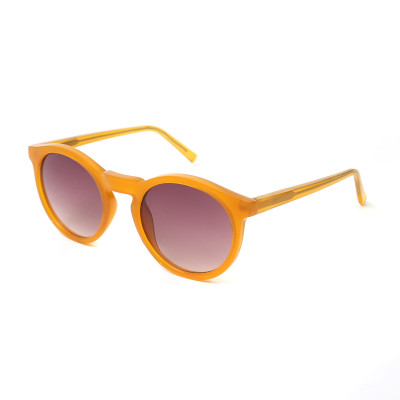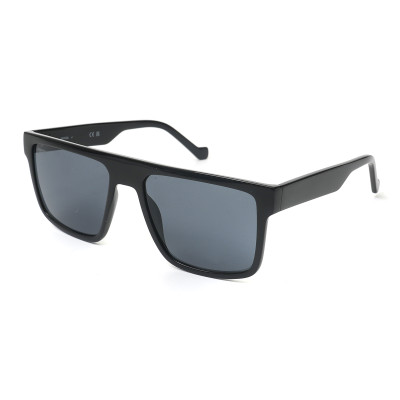
 Aviator
 Cat-eye
 Square
 Oval
Oval Rectangular
 Round
RoundWhat are hypoallergenic eyeglass frames?
Hypoallergenic eyeglass frames are frames designed to minimize or eliminate allergic skin reactions. They are made from materials that contain little or no nickel, or from metal frames with nickel-free plating. Common hypoallergenic options include titanium, beta titanium, acetate, Optyl, TR90, Ultem, and 316L stainless steel with nickel-free plating. For B2B buyers, hypoallergenic frames are essential for sensitive-skin markets and regulated regions such as the EU. READSUN Optical produces hypoallergenic frames with full nickel release testing for wholesale and OEM/ODM programs.
Eyeglass Frames Explained for Eyewear Brands and Importers
What are hypoallergenic eyeglass frames? They are frames that reduce the risk of contact dermatitis, the most common skin reaction caused by eyewear. Nickel is the leading trigger, followed by cobalt, chromium, and certain rubber or silicone compounds used in nose pads.
Hypoallergenic frames solve this problem in two ways: by using a base material that contains no nickel, or by applying a plating system that blocks nickel release. The table below shows the main hypoallergenic material options.
| Material | Nickel content | Allergy risk | Best for |
|---|---|---|---|
| Titanium | None | Very low; naturally hypoallergenic | Premium, sensitive-skin markets |
| Beta titanium | None | Very low; naturally hypoallergenic | Thin, flexible premium frames |
| Cellulose acetate | None | Very low | Fashion optical, private label |
| Optyl | None | Very low; no plasticizer leaching | Medical and reader frames |
| TR90 | None | Very low | Sport, kids, value lines |
| Ultem | None | Very low | Premium slim frames |
| 316L stainless steel with nickel-free plating | Base contains nickel; plating blocks release | Low when plating is intact | Mid-market metal frames |
This table shows that hypoallergenic glasses frames can be made from a range of materials. Plastic frames such as acetate, TR90, Ultem, and Optyl are naturally nickel-free. Metal frames require either a nickel-free base or a proper plating system. The safest metal options are titanium and beta titanium, which contain no nickel at all.
Eyeglass Frames: What B2B Buyers Should Check
For importers and brands, hypoallergenic frames are both a product feature and a compliance requirement. The table below summarizes the key factors buyers should confirm.
| Factor | What to check | Why it matters |
|---|---|---|
| Base material | Titanium, acetate, TR90, Ultem, or Optyl | Zero nickel content; no allergy risk from the base |
| Plating system | Nickel-free plating for metal frames | Blocks nickel release from the base metal |
| Plating thickness | Thicker layers for durability | Thin plating can wear through and expose nickel |
| Nickel release test | EN 16128 or REACH-compliant test report | Required for EU and other regulated markets |
| Metal parts | Hinges, nose pad arms, screws, and temple cores | These parts contact skin and must also pass |
| Nose pads | Medical-grade silicone or acetate | Rubber and silicone can also trigger reactions |
| Dyes and finishes | Unpainted or skin-safe finishes | Some dyes and coatings can cause irritation |
| Compliance documents | Material declaration, test reports, conformity | Supports customs and market entry |
| MOQ | Per model, material, and plating | Hypoallergenic plating and testing add cost |
The question best hypoallergenic eyeglass frames often comes down to material choice. Titanium and beta titanium are the safest because they contain no nickel. For mid-market price points, 316L stainless steel with nickel-free plating is a good balance of cost and performance. For fashion and value lines, hypoallergenic plastic eyeglass frames such as acetate and TR90 are naturally nickel-free.
Another important point is that allergy risk is not only about the frame front. Hinges, nose pad arms, screws, and temple cores also contact the skin. All metal parts must meet the same nickel release limits. Buyers should request a full nickel release test report for the complete frame, not just the front.
Custom and Wholesale Eyeglass Frames at READSUN
READSUN Optical supports both stock and custom hypoallergenic eyeglass frames programs. Buyers can choose from existing hypoallergenic models or develop a new design through OEM. Hypoallergenic frames are especially suitable for sensitive-skin markets, medical collections, and regulated regions such as the EU.
Our hypoallergenic production covers:
- Titanium and beta titanium frames: Naturally nickel-free, lightweight, and hypoallergenic.
- Acetate frames: Plant-based, nickel-free, and available in rich colors.
- TR90 and Ultem frames: Lightweight, flexible, and nickel-free.
- Optyl frames: Thermoset epoxy, skin-friendly, and dimensionally stable.
- Stainless steel frames: 316L with nickel-free plating for mid-market metal lines.
- Nickel release testing: EN 16128 test reports for every batch.
- Logo branding: Laser engraving, silk printing, and metal logo plates.
- Packaging: Standard export packing or custom branded packaging.
Buyers can review custom optical frames for hypoallergenic options, or learn more about our Manufacturing Excellence for production and quality details.
Eyeglass Frames: Specifications B2B Buyers Should Confirm
Before approving a quotation or sample, confirm these specifications:
- Base material: titanium, beta titanium, stainless steel, acetate, TR90, Ultem, or Optyl.
- Plating system: nickel-free plating layers and thickness for metal frames.
- Nickel release test: EN 16128 or REACH-compliant report.
- Metal parts: hinges, nose pad arms, screws, and temple cores.
- Nose pads: medical-grade silicone or acetate.
- Structure: full rim, semi-rimless, or rimless.
- Size: lens width, bridge width, temple length, and frame width.
- Color and finish: matte, brushed, plated, or two-tone.
- Logo: laser engraving, stamping, or metal logo plate.
- Packaging: standard export packing or custom branded packaging.
- Labeling: hypoallergenic or nickel-free claims if required by market.
Eyeglass Frames: MOQ, Lead Time, and Pricing
MOQ, lead time, and pricing depend on the material, plating system, and order model. Plastic frames such as acetate and TR90 are naturally hypoallergenic and have standard MOQ. Titanium and beta titanium frames require higher MOQ because of welding and finishing setup. Stainless steel frames with nickel-free plating have medium MOQ.
Typical lead time for stock hypoallergenic frames is 7–15 days. ODM orders take 30–45 days after sample approval. Full OEM programs may take 45–75 days. Nickel release testing adds 3–7 days to the production schedule.
For an accurate quotation, share your target material, plating system, structure, quantity, logo, packaging, and destination market. READSUN will recommend the best production path.
How READSUN Handles Hypoallergenic Eyeglass Frames
READSUN Optical is a B2B eyeglass frame manufacturer with experience producing hypoallergenic frames. We work with titanium, beta titanium, 316L stainless steel with nickel-free plating, acetate, TR90, Ultem, and Optyl.
Our process includes material verification, nickel-free plating, hinge assembly, and nickel release testing. We provide material declarations, EN 16128 test reports, and compliance documentation for every shipment. Buyers can review custom optical frames for hypoallergenic options, or learn more about our Manufacturing Excellence for production and quality details.
Need hypoallergenic frames for sensitive-skin markets? Contact READSUN Optical with your target material, quantity, and market needs.
Hypoallergenic Eyeglass Frames FAQ
What are hypoallergenic eyeglass frames?
Hypoallergenic eyeglass frames are frames designed to minimize or eliminate allergic skin reactions. They are made from materials that contain little or no nickel, or from metal frames with nickel-free plating.
What are the best hypoallergenic eyeglass frames?
Titanium and beta titanium are the best because they contain no nickel at all. Acetate, TR90, Ultem, and Optyl are also naturally hypoallergenic. 316L stainless steel with nickel-free plating is a good mid-market option.
Are hypoallergenic plastic eyeglass frames safe?
Yes. Acetate, TR90, Ultem, and Optyl are naturally nickel-free and safe for sensitive skin. Metal parts such as hinges and nose pad arms should still be checked for nickel release.
Are hypoallergenic glasses frames more expensive?
They can be slightly more expensive because of higher-grade materials and nickel-free plating. However, they reduce returns and complaints, which lowers after-sales cost.
What is the difference between hypoallergenic and nickel-free frames?
Hypoallergenic frames reduce the risk of all common allergens, including nickel, cobalt, chromium, and rubber. Nickel-free frames specifically avoid nickel. Hypoallergenic is a broader claim.
How do I verify hypoallergenic claims?
Request a nickel release test report per EN 16128 for each batch. Check the material declaration, plating specification, and test date. Verify the certificate number with the testing laboratory.
Can READSUN produce hypoallergenic eyeglass frames?
Yes. READSUN produces hypoallergenic frames in titanium, beta titanium, stainless steel with nickel-free plating, acetate, TR90, Ultem, and Optyl. Contact us with your target material and quantity for a quotation.
Request a hypoallergenic frame quote from READSUN Optical today. Share your target material, quantity, and market needs, and our team will recommend the best solution for your program.