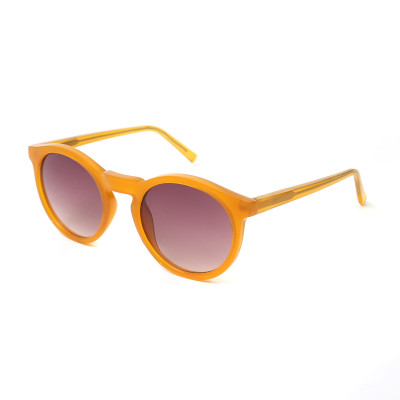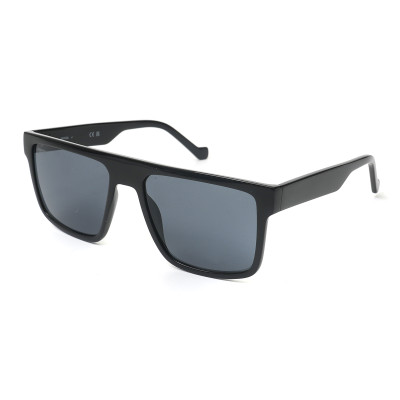
 Aviator
 Cat-eye
 Square
 Oval
Oval Rectangular
 Round
RoundAre stainless steel eyeglass frames hypoallergenic?
Yes, stainless steel eyeglass frames can be hypoallergenic, especially when made from 316L or 304 medical-grade stainless steel with nickel-free plating. Stainless steel itself contains some nickel, but the release rate is very low when the material grade and plating are correct. For sensitive-skin markets, buyers should always confirm nickel release testing per EN 16128 or REACH. READSUN Optical produces stainless steel frames with low nickel release and full test documentation for wholesale and OEM/ODM programs.
Stainless Steel Frames: What B2B Buyers Need to Know
Are stainless steel eyeglass frames hypoallergenic is one of the most common questions from importers targeting Europe, North America, and other sensitive-skin markets. The answer is not a simple yes or no. It depends on the steel grade, the plating, and the nickel release test result.
The table below shows the common stainless steel grades used in eyewear and their allergy profile.
| Grade | Nickel content | Allergy risk | Best for |
|---|---|---|---|
| 316L | 10–14% | Very low with proper plating | Premium and sensitive-skin markets |
| 304 | 8–10.5% | Low with proper plating | Mid-market metal frames |
| 430 | Minimal | Very low | Value frames; less corrosion-resistant |
| Monel | 63–70% | High without plating | Value frames with strict nickel control |
The key point is that are stainless steel eyeglass frames hypoallergenic depends on two factors: the steel grade and the surface treatment. 316L stainless steel with a nickel-free plating system is the safest choice for sensitive-skin markets.
Requirements and Compliance Points for Stainless Steel Frames
For B2B buyers, allergy control is a compliance issue, not just a product feature. The main requirements come from the EU and other regulated markets.
- EU REACH: Limits nickel release to 0.5 µg/cm²/week for items in prolonged skin contact.
- EN 16128: The standard test method for nickel release from spectacle frames.
- Nickel-free plating: Common plating systems include palladium, gold, chrome, and titanium nitride.
- Plating thickness: Thicker plating reduces nickel release and improves durability.
- Welding quality: Poor welds expose base metal and increase nickel release.
- Nose pads and temple tips: These contact the skin directly and must also meet nickel release limits.
- Test reports: Every batch should be tested, especially for the EU market.
A common misunderstanding is that stainless steel frames allergy risk is only about the frame itself. In practice, the metal parts of the frame — hinges, nose pad arms, and screws — also contact the skin and must pass nickel release testing.
Stainless Steel Frames: Cost, Compliance, and Lead-Time Impact
Improving nickel release performance affects cost and lead time. Higher-grade steel, thicker plating, and full testing add cost. However, they reduce allergy complaints, returns, and regulatory risk.
| Option | Cost impact | Lead-time impact |
|---|---|---|
| Standard stainless steel with basic plating | Lowest | Fastest |
| 316L with nickel-free plating | Medium | Standard |
| 316L with thick palladium or gold plating | Higher | Longer |
| Full batch nickel release testing | Adds testing cost | Adds 3–7 days |
For EU and other regulated markets, full batch testing is often required. Buyers should plan for this in the production schedule and budget.
Documentation Needed for Stainless Steel Frames
For compliance and after-sales protection, buyers should request these documents:
- Material declaration: Confirms steel grade (316L or 304).
- Nickel release test report: Per EN 16128 or equivalent.
- Plating specification: Layers, thickness, and final finish.
- Durability test report: Hinge fatigue, temple strength, and weld strength.
- Declaration of conformity: Confirms the product meets the destination market rules.
- ISO 12870 test report: Spectacle frame standard test results.
- Certificate of origin: Supports duty and customs planning.
These documents support compliance, after-sales claims, and customs clearance. Buyers should verify that the test reports match the actual production batch.
Stainless Steel Frames: Cost and Timeline Impact
Nickel-free plating and testing add cost, but they also reduce after-sales problems. A buyer who ignores nickel release may face returns, complaints, and market rejection. The cost of a failed batch is much higher than the cost of proper plating and testing.
Typical lead time for stainless steel frames with standard plating is 30–45 days after sample approval. Nickel-free plating and full batch testing may add 5–10 days. For premium plating, lead time may extend to 45–60 days.
READSUN's Approach to Stainless Steel Frames
READSUN Optical is a B2B eyeglass frame manufacturer with strong experience in stainless steel frame production. We work with 316L and 304 stainless steel and offer nickel-free plating systems for sensitive-skin markets.
Our process includes wire forming, welding, polishing, nickel-free plating, hinge assembly, and AQL inspection. We provide material declarations, nickel release test reports, durability test reports, and compliance documentation for every shipment. Buyers can review custom optical frames for stainless steel options, or learn more about our Manufacturing Excellence for production and quality details.
Need hypoallergenic stainless steel frames? Contact READSUN Optical with your target model, plating requirement, quantity, and market needs.
Stainless Steel Frames Hypoallergenic FAQ
Are stainless steel eyeglass frames hypoallergenic?
Yes, especially when made from 316L or 304 stainless steel with nickel-free plating. The nickel release rate is very low when the grade and plating are correct. Always confirm nickel release testing for regulated markets.
Do stainless steel eyeglass frames cause allergies?
They can if the steel grade is low or the plating is thin. 316L stainless steel with thick nickel-free plating is the safest option. Full batch nickel release testing is recommended for sensitive-skin markets.
Is stainless steel better than monel for allergies?
Yes. Stainless steel 316L has much lower nickel release than monel, which contains 63–70% nickel. Stainless steel with nickel-free plating is a better choice for sensitive-skin markets.
Is titanium better than stainless steel for sensitive skin?
Titanium and beta titanium are naturally hypoallergenic and contain no nickel. They are the safest choice for very sensitive skin. Stainless steel 316L with nickel-free plating is a good mid-market option.
What is nickel-free stainless steel frames?
Nickel-free stainless steel frames use a base steel that contains little or no nickel, or a plating system that fully blocks nickel release. Common plating systems include palladium, gold, chrome, and titanium nitride.
What is the nickel release limit for eyewear?
The EU REACH regulation limits nickel release to 0.5 µg/cm²/week for items in prolonged skin contact. EN 16128 is the standard test method for spectacle frames.
How do I verify nickel release for stainless steel frames?
Request a nickel release test report per EN 16128 for each batch. Check the material declaration, plating specification, and test date. Verify the certificate number with the testing laboratory.
Can READSUN produce hypoallergenic stainless steel frames?
Yes. READSUN produces 316L and 304 stainless steel frames with nickel-free plating and full test documentation. Contact us with your target model, plating requirement, and quantity for a quotation.
Request a hypoallergenic stainless steel frame quote from READSUN Optical today. Share your target model, plating requirement, quantity, and market needs, and our team will recommend the best solution for your program.