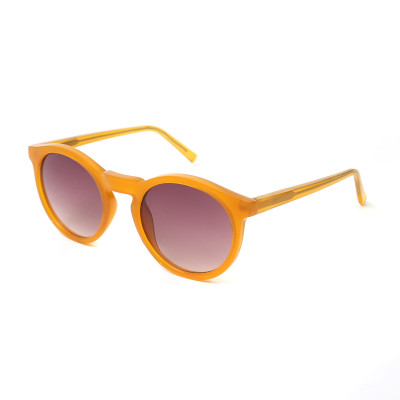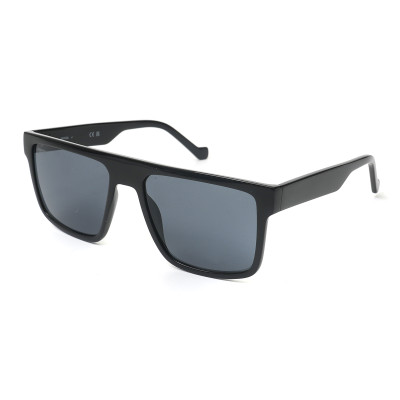
 Aviator
 Cat-eye
 Square
 Oval
Oval Rectangular
 Round
RoundWhat is cellulose acetate and what are its advantages?
Cellulose acetate is a plant-based plastic made from cellulose (usually cotton linters or wood pulp) treated with acetic acid and acetic anhydride. It is the main material used in premium fashion eyewear. Its advantages include rich color depth, layered transparency, smooth polishing, and easy repair. Cellulose acetate frames feel denser and more premium than injection-molded plastic. READSUN Optical produces custom cellulose acetate frames for wholesale and OEM/ODM programs.
Cellulose Acetate Frames: Definition and Key Features for B2B Buyers
What is cellulose acetate frame material? It is a plastic derived from natural cellulose, chemically modified to be workable and durable. The result is a solid material that can be cut, heated, polished, and assembled into high-end eyewear frames.
Unlike injection-molded plastics, cellulose acetate is supplied as solid sheets. Frame makers cut the shape from the sheet, then tumble and polish it. This process gives cellulose acetate frames their distinctive feel: dense, smooth, and slightly heavier than injection plastic, which customers associate with quality.
| Property | Cellulose Acetate | Injection-Molded Plastic |
|---|---|---|
| Base material | Plant-based cellulose | Petroleum-based resin |
| Production | Sheet cutting, CNC, tumbling, polishing | Injection molding |
| Feel and density | Dense, solid, premium | Lighter, thinner feel |
| Color depth | Rich, layered, transparent, tortoiseshell | Limited; often painted or sprayed |
| Repairability | Good; can be polished and reshaped with heat | Limited; cannot be polished out |
| Unit cost | Higher | Lower |
| Best for | Fashion optical, premium, private label | Value lines, kids, sport, promotional frames |
The table above shows the core advantages of cellulose acetate frames: richer color, better feel, and the ability to be repaired. These traits support premium pricing and stronger brand positioning.
Cellulose Acetate Frames: Key Facts for Importers and Brands
For importers and brands, advantages of cellulose acetate frames go beyond appearance. The material also supports design flexibility, easier after-sales service, and higher perceived value. The table below summarizes the key factors buyers should confirm.
| Factor | What to check | Why it matters |
|---|---|---|
| Sheet origin | Italian, Japanese, or domestic sheet | Affects color depth, strength, and price |
| Sheet grade | Standard, premium, or eco bio-based | Affects durability, color stability, and cost |
| Sheet thickness | Front and temple thickness | Thin sheet may crack; thick sheet adds weight |
| Color type | Solid, transparent, tortoiseshell, layered | Affects style positioning and market demand |
| Polishing level | Rough, fine, mirror polish | Affects gloss, scratch resistance, and feel |
| Annealing | Tumbling time and stress relief | Reduces warping and internal cracks |
| Hinge type | Standard, spring, barrel, or hidden | Affects durability and repair rate |
| Compliance | Nickel release, material safety | Required for EU and other regulated markets |
Buyers should also confirm whether the factory uses genuine cellulose acetate sheet or an injection-molded substitute. Some suppliers market standard plastic frames as acetate. Genuine cellulose acetate eyeglasses are cut from solid sheet, not molded.
Another key point is that cellulose acetate is available in premium sheet from Italy and Japan. Italian sheet from suppliers such as Mazzucchelli is widely used in luxury eyewear because of its color depth, layered patterns, and consistent quality. Domestic sheet is used for value and mid-market lines.
Cellulose Acetate Frames for Wholesale and Custom Programs
For wholesale and custom programs, cellulose acetate frames support a wide range of color, shape, and finish options. Buyers can order stock colors or develop custom colors through sheet ordering. Custom colors usually require higher MOQ because the sheet must be produced in a specific run.
Common strategies for cellulose acetate eyeglasses in B2B programs include:
- Fashion optical lines: Layered colors, tortoiseshell, and transparent frames.
- Premium collections: Italian sheet with mirror polishing and hand finishing.
- Private label lines: Custom logo, packaging, and color matching.
- Eco-focused lines: Bio-based acetate and recycled acetate options.
- Mixed-material lines: Acetate front with metal temples or beta titanium hinges.
- Sunwear lines: Acetate sunglasses frames with polarized lens options.
Buyers can review custom optical frames for cellulose acetate options, or learn more about our Manufacturing Excellence for production and quality details.
Cellulose Acetate Frames: Specifications B2B Buyers Should Confirm
Before approving a quotation or sample, confirm these specifications:
- Material: cellulose acetate (sheet-cut, not molded).
- Sheet origin: Italian, Japanese, or domestic.
- Sheet grade: standard, premium, or eco bio-based.
- Sheet thickness: front and temple thickness.
- Structure: full rim, semi-rimless, or rimless.
- Color and finish: solid, transparent, tortoiseshell, layered, matte, or glossy.
- Polishing and annealing: number of stages and stress relief process.
- Hardware: hinge type, nose pads, temple tips, and screws.
- Compliance: nickel release, material safety, and market-specific testing.
- Packaging: standard export packing or custom branded packaging.
Cellulose Acetate Frames: MOQ, Lead Time, and Pricing
MOQ, lead time, and pricing depend on the sheet grade, color type, and order model. Stock cellulose acetate frames have the lowest MOQ and fastest lead time. Custom colors and logo branding increase MOQ. Full OEM development with a new shape or mold requires the highest MOQ and longest lead time.
Typical lead time for stock cellulose acetate frames is 7–15 days. ODM orders take 30–45 days after sample approval. Full OEM programs may take 45–75 days. Italian sheet, premium polishing, and extra annealing steps add time and cost.
For an accurate quotation, share your target material, sheet origin, color, structure, quantity, logo, packaging, and destination market. READSUN will recommend the best production path.
How READSUN Handles Cellulose Acetate Frames
READSUN Optical is a B2B eyeglass frame manufacturer with strong experience in cellulose acetate production. Our process includes sheet selection, CNC cutting, tumbling, multi-stage polishing, annealing, hinge assembly, and AQL inspection.
We work with Italian, Japanese, and domestic acetate sheets to match different price points and quality targets. Our team supports color matching, logo branding, packaging, and compliance testing. Buyers can review custom optical frames for cellulose acetate options, or learn more about our Manufacturing Excellence for production and quality details.
Need cellulose acetate frames for your brand? Contact READSUN Optical with your target material, color, quantity, and quality requirements.
Cellulose Acetate Frames FAQ
What is cellulose acetate?
Cellulose acetate is a plant-based plastic made from cellulose (usually cotton linters or wood pulp) treated with acetic acid and acetic anhydride. It is the main material used in premium fashion eyewear.
What is cellulose acetate frame material?
Cellulose acetate frame material is a solid sheet plastic derived from natural cellulose. Frames are cut from the sheet, then tumbled and polished. It is different from injection-molded plastics in feel, color depth, and repairability.
What are the advantages of cellulose acetate frames?
The main advantages include rich color depth, layered transparency, smooth polishing, premium feel, and easy repair. Cellulose acetate frames can be heated and reshaped, and scratches can be polished out.
Is cellulose acetate the same as plastic?
Cellulose acetate is a type of plastic, but not all plastic frames are cellulose acetate. It is a plant-based plastic cut from solid sheet. Injection-molded plastic frames use petroleum-based resin and a different production method.
Is cellulose acetate eco-friendly?
Cellulose acetate is plant-based, which makes it more sustainable than petroleum-based plastics. Bio-based acetate and recycled acetate options are also growing. Recycling infrastructure for eyewear materials is still limited.
Where does cellulose acetate sheet come from?
Cellulose acetate sheet is produced by specialist sheet manufacturers. Italy and Japan are known for premium sheet, including suppliers such as Mazzucchelli. China also produces sheet for domestic and export markets at different price levels.
Are cellulose acetate frames durable?
Yes. High-quality cellulose acetate frames are durable and typically last three to five years. Durability depends on sheet grade, hinge quality, polishing, and annealing. Cellulose acetate can also be polished to remove scratches.
Can cellulose acetate frames be recycled?
Cellulose acetate is technically recyclable, and some factories recycle production offcuts. Bio-based acetate and recycled acetate options are growing, especially for eco-focused brands.
Can READSUN produce custom cellulose acetate frames?
Yes. READSUN produces custom cellulose acetate frames in stock colors and custom colors, with logo branding, packaging, and size options. Contact us with your target material, color, and quantity for a quotation.
Request a cellulose acetate frame quote from READSUN Optical today. Share your target material, sheet origin, color, quantity, and branding needs, and our team will recommend the best solution for your program.