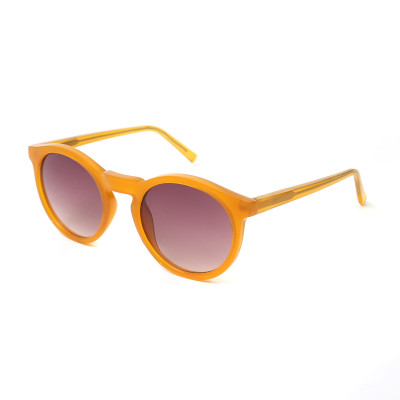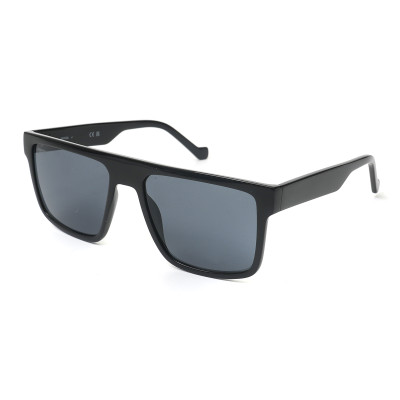
 Aviator
 Cat-eye
 Square
 Oval
Oval Rectangular
 Round
RoundTitanium vs stainless steel eyeglass frames: which is better?
Neither titanium nor stainless steel is universally better — the right choice depends on your price point, target market, and product positioning. Titanium is lighter, stronger, more corrosion-resistant, and hypoallergenic, making it ideal for premium and sensitive-skin markets. Stainless steel is stronger than most plastics, offers good value, and works well for mid-market metal frames. READSUN Optical produces both titanium and stainless steel frames for wholesale, private label, and OEM/ODM programs.
Titanium vs Stainless Steel Eyeglass Frames: Side-by-Side Comparison for B2B Buyers
When comparing titanium vs stainless steel eyeglass frames, the main differences come down to weight, strength, flexibility, allergy risk, finish, and cost. The table below gives a quick B2B comparison.
| Feature | Titanium Frames | Stainless Steel Frames |
|---|---|---|
| Weight | Very light | Light to medium |
| Strength | High strength-to-weight ratio | Strong and rigid |
| Flexibility | Good; beta titanium is highly flexible | Low; stiffer structure |
| Corrosion resistance | Excellent; resists sweat and salt | Good; depends on grade and plating |
| Allergy risk | Very low; hypoallergenic | Low if 316L or nickel-free plating is used |
| Welding and repair | Can be welded; requires skilled labor | Can be welded; easier than titanium |
| Finish | Matte, brushed, or plated; limited colors | Electroplated; wider color range |
| Unit cost | High | Medium |
| MOQ | Higher; welding and finishing setup | Medium; standard plating lines |
| Best for | Premium, lightweight, sensitive-skin markets | Mid-market, value metal frames, wide color range |
This comparison answers the common titanium vs stainless steel glasses question. Neither material wins across the board. Each has clear strengths and trade-offs that buyers should match to their target market.
Key Differences Between Titanium and Stainless Steel Eyeglass Frames
The titanium vs stainless steel eyeglass frames comparison goes beyond material science. It affects tooling, MOQ, lead time, and market positioning. Here are the key differences importers and brands should check.
- Weight: Titanium is significantly lighter. This matters for long-wear comfort and premium positioning.
- Strength: Both are strong. Titanium offers a higher strength-to-weight ratio. Stainless steel is more rigid.
- Flexibility: Beta titanium can bend and return to shape. Stainless steel is stiffer and less forgiving.
- Corrosion resistance: Titanium resists sweat, salt, and humidity better than most metals.
- Allergy risk: Titanium is naturally hypoallergenic. Stainless steel depends on grade and plating; 316L and nickel-free options are safer.
- Welding: Titanium welding requires skill and controlled atmosphere. Stainless steel welding is easier and more common.
- Finish: Titanium has a limited color range. Stainless steel supports a wider range of electroplated colors.
- Cost: Titanium is more expensive. Stainless steel offers better value at mid-market price points.
- Market position: Titanium suits premium and sensitive-skin. Stainless steel suits mid-market and value.
The question are stainless steel eyeglass frames good has a clear answer: yes, when the grade and plating are correct. 316L stainless steel with nickel-free plating performs well for most markets. It is not as light as titanium, but it offers a good balance of strength, finish, and cost.
Which Is Better for Your Eyewear Brand: Titanium or Stainless Steel Eyeglass Frames?
There is no single answer. It depends on your brand identity, target market, and price point. Here is a simple decision guide for B2B buyers.
| Customer group | Recommended material | Why |
|---|---|---|
| Premium and luxury | Titanium / beta titanium | Lightweight, strong, hypoallergenic, premium feel |
| Sensitive skin | Titanium or 316L stainless steel | Low nickel release, hypoallergenic options |
| Mid-market metal frames | Stainless steel | Good value, wide color range, durable |
| Sport and outdoor | Titanium or beta titanium | Corrosion-resistant, flexible, lightweight |
| Value metal lines | Stainless steel | Lower cost, reliable quality |
| Wide color collections | Stainless steel | Electroplating supports many colors |
| Mixed collection | Both | Covers premium and value segments in one range |
Many successful brands carry both materials. They use titanium for hero styles and stainless steel for value or mid-market lines. This gives retailers a wider range without forcing customers into one material. Buyers can review custom optical frames for both titanium and stainless steel options.
For buyers comparing titanium eyeglass frames price against stainless steel, the difference is usually two to four times in unit cost, depending on grade and finish. Titanium frames require more skilled labor, controlled welding, and careful finishing. Stainless steel frames use more standard plating and assembly lines.
Weight, Comfort, and Durability of Titanium and Stainless Steel Eyeglass Frames
Titanium frames are significantly lighter and more comfortable for long wear. This is a major selling point for premium and sensitive-skin markets. Stainless steel frames are slightly heavier but still comfortable. For durability, both materials perform well. Titanium resists corrosion better and does not lose its finish as easily. Stainless steel is strong and rigid but can develop plating wear over time if the plating is thin. Buyers should confirm plating thickness and nickel release testing.
Customization, Colors, and MOQ: Titanium and Stainless Steel Eyeglass Frames
Customization differs by material. Titanium supports matte, brushed, and plated finishes but has a limited color range. Stainless steel supports a wider range of electroplated colors, including gold, silver, rose gold, black, and two-tone effects. Titanium requires higher MOQ because of welding and finishing setup. Stainless steel has medium MOQ with standard plating lines. Both materials support laser engraving, stamping, and metal logo plates.
How READSUN Produces Both Titanium and Stainless Steel Eyeglass Frames at Scale
READSUN Optical is a B2B eyeglass frame manufacturer with experience producing both titanium and stainless steel frames. Our factory supports wire forming, stamping, welding, polishing, electroplating, and full assembly. We handle logo branding, packaging, and quality inspection.
Whether you need a premium titanium collection or a mid-market stainless steel line, our team can help you plan the right specification for your market. Learn more about our Manufacturing Excellence for production and quality details.
Ready to source titanium and stainless steel frames? Contact READSUN Optical for a quotation and sample discussion.
Titanium vs Stainless Steel Eyeglass Frames FAQ
Titanium vs stainless steel eyeglass frames: which is better?
Neither is universally better. Titanium is lighter, stronger, more corrosion-resistant, and hypoallergenic, ideal for premium and sensitive-skin markets. Stainless steel offers good value and works well for mid-market metal frames.
Are stainless steel eyeglass frames good?
Yes, when the grade and plating are correct. 316L stainless steel with nickel-free plating performs well for most markets. It is not as light as titanium, but it offers a good balance of strength, finish, and cost.
Is titanium better than stainless steel for glasses?
It depends on the market. Titanium is lighter and more hypoallergenic, better for premium and sensitive-skin buyers. Stainless steel is more affordable and offers a wider color range.
How much do titanium eyeglass frames cost?
Titanium eyeglass frames cost more than stainless steel, usually two to four times in unit cost depending on grade and finish. Beta titanium and pure titanium are both premium materials with higher labor and tooling costs.
Are titanium eyeglass frames worth the price?
For premium and sensitive-skin markets, yes. Titanium frames are lighter, more durable, and more comfortable for long wear. They also support higher retail price points and stronger brand positioning.
Are stainless steel eyeglass frames hypoallergenic?
It depends on the grade and plating. 316L stainless steel with nickel-free plating is a good option for sensitive skin. Always confirm nickel release testing for regulated markets.
Which is lighter, titanium or stainless steel?
Titanium is significantly lighter. It has a high strength-to-weight ratio, which is why it is used in premium lightweight frames.
Which material is better for sport, titanium or stainless steel?
Titanium and beta titanium are usually better for sport because they are lighter, more flexible, and resist corrosion from sweat and salt. Stainless steel is more rigid but still durable.
What is the MOQ for titanium and stainless steel frames?
MOQ depends on material and order type. Stock stainless steel frames have lower MOQ. Titanium frames require higher MOQ because of welding and finishing setup. Contact READSUN with your target quantity for an exact MOQ.
Request a quote from READSUN Optical today. Share your target material, quantity, logo, and market needs, and our team will recommend the best solution for your program.