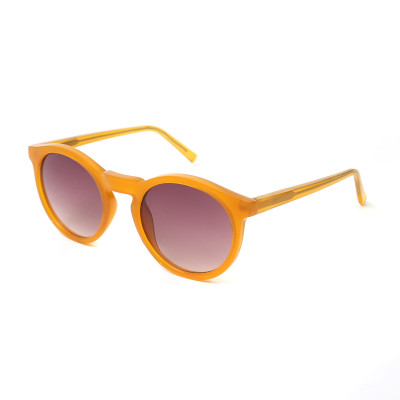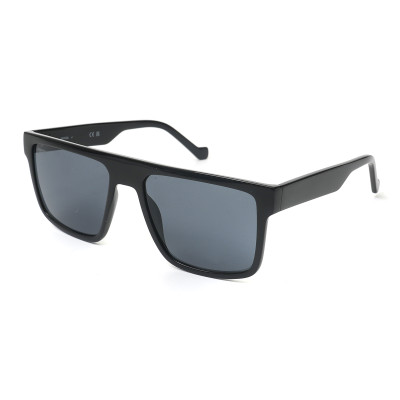
 Aviator
 Cat-eye
 Square
 Oval
Oval Rectangular
 Round
RoundWhat materials are used to make eyeglass frames?
Eyeglass frames are made from two main material families: plastics and metals. Plastics include cellulose acetate, TR90, Ultem, and Optyl. Metals include titanium, beta titanium, stainless steel, and monel. Each material offers different weight, durability, flexibility, allergy risk, color range, and price. For B2B buyers, material choice drives cost, market positioning, and compliance. READSUN Optical produces eyeglass frames in all major materials for wholesale and OEM/ODM programs.
Eyeglass Frame Materials: Definition and Key Features for B2B Buyers
Eyeglass frame materials determine how a frame looks, feels, and performs. Buyers searching for what are eyeglass frames made out of usually want a clear comparison. The two main families are plastics and metals, and each has several sub-types with different properties.
| Family | Material | Key strengths | Best for |
|---|---|---|---|
| Plastic | Cellulose acetate | Rich colors, polishable, premium feel, easy to repair | Fashion optical, private label, premium retail |
| Plastic | TR90 | Lightweight, flexible, impact-resistant | Sport, kids, active lifestyle |
| Plastic | Ultem (PEI) | Heat-resistant, thin-wall strength, premium slim look | Premium lightweight, design-led lines |
| Plastic | Optyl | Thermoset, shape-stable, skin-friendly | European collections, medical and reader frames |
| Metal | Titanium | Very light, strong, corrosion-resistant, hypoallergenic | Premium comfort, sensitive skin, long-life frames |
| Metal | Beta titanium | Highly flexible, spring-back memory, thin profile | Premium slim frames, flexible hinge designs |
| Metal | Stainless steel | Strong, low nickel release, good value | Mid-market metal frames, allergy-conscious markets |
| Metal | Monel | Easy to weld, good shape memory, lower cost | Value metal frames; requires nickel control |
These eyeglass frame material types cover most of the market. Some frames also combine materials, such as an acetate front with metal temples. Mixed-material designs are popular in premium and fashion segments.
Eyeglass Frame Materials: Key Facts for Importers and Brands
For importers and brands, optical frame materials affect more than appearance. They influence unit cost, MOQ, production lead time, compliance requirements, and after-sales risk. The table below summarizes the key commercial factors.
| Factor | Plastic frames | Metal frames |
|---|---|---|
| Weight | Light to medium | Light (titanium) to medium (monel) |
| Durability | Good; acetate can be polished and repaired | Good; welding and plating quality are critical |
| Allergy risk | Low; acetate and TR90 are usually safe | Varies; monel contains nickel; titanium is safest |
| Color range | Very wide; tortoiseshell, transparent, layered colors | Limited to plating colors; gold, silver, rose gold, black |
| Price level | Low to medium | Medium to high |
| MOQ | Lower for stock acetate; higher for custom colors | Higher due to welding and plating setup |
| Compliance focus | Material safety, color stability | Nickel release, plating thickness, welding strength |
Buyers should match material to market. For example, a kids' brand may prefer TR90 for flexibility and safety. A luxury brand may prefer Italian acetate for color depth. A medical or sensitive-skin market may prefer titanium or stainless steel with low nickel release.
Eyeglass Frame Materials for Wholesale and Custom Programs
In wholesale and custom programs, material selection is one of the first decisions. It affects the product brief, tooling plan, sampling cost, and final pricing. Buyers should decide on material before requesting a quote.
Common spectacle frame materials strategies for B2B include:
- Value line: TR90 or stainless steel for competitive pricing.
- Fashion line: Acetate for rich colors and premium feel.
- Premium line: Titanium, beta titanium, or Italian acetate.
- Kids line: TR90 or flexible beta titanium.
- Eco line: Bio-based acetate or recycled materials.
- Mixed-material line: Acetate front with metal temples for a premium look.
READSUN supports custom optical frames in all major materials, so buyers can plan a full material range across price tiers. Our team helps match material to market, price point, and durability target.
Eyeglass Frame Materials: Specifications B2B Buyers Should Confirm
Before approving a quotation or sample, confirm these specifications:
- Material type: acetate, TR90, Ultem, Optyl, titanium, beta titanium, stainless steel, or monel.
- Material grade: standard, premium, Italian sheet, or medical-grade metal.
- Frame structure: full rim, semi-rimless, or rimless.
- Weight: target finished weight per frame.
- Color and finish: solid, tortoiseshell, transparent, matte, or electroplated.
- Hardware: hinge type, nose pads, and temple tips.
- Compliance: nickel release, material safety, and market-specific testing.
- Packaging: standard export packing or custom branded packaging.
Eyeglass Frame Materials: MOQ, Lead Time, and Pricing
MOQ, lead time, and pricing depend on the material and order model. Stock frames in acetate and TR90 usually have the lowest MOQ and fastest lead time. Titanium and beta titanium require higher MOQ and longer lead time because of welding, polishing, and finishing steps. Custom colors in acetate also increase MOQ and lead time.
Typical lead time for stock frames is 7–15 days. ODM orders take 30–45 days after sample approval. Full OEM programs may take 45–75 days. For an accurate quotation, share your target material, grade, quantity, logo, packaging, and destination market.
How READSUN Handles Eyeglass Frame Materials
READSUN Optical is a B2B eyeglass frame manufacturer with strong experience across all major frame materials. We produce cellulose acetate, TR90, Ultem, Optyl, titanium, beta titanium, stainless steel, and monel frames in all main structures and sizes.
Our team supports material selection, grade recommendations, sample development, logo branding, packaging, quality control, and export documentation. Buyers can review custom optical frames for material options, or learn more about our Manufacturing Excellence for production and quality details.
Need help choosing the right material for your frames? Contact READSUN Optical with your target market, material preference, quantity, and price point.
Eyeglass Frame Materials FAQ
What materials are used to make eyeglass frames?
Eyeglass frames are made from two main material families: plastics and metals. Plastics include cellulose acetate, TR90, Ultem, and Optyl. Metals include titanium, beta titanium, stainless steel, and monel.
What are eyeglass frames made out of?
Eyeglass frames are made of plastic or metal. Acetate and TR90 are the most common plastics. Titanium, beta titanium, and stainless steel are the most common metals. Some frames combine both materials.
What is the most popular eyeglass frame material?
Acetate is the most popular material for fashion optical frames. TR90 is popular for sport and kids. Titanium and stainless steel are popular for premium and allergy-conscious markets.
Which eyeglass frame material is the lightest?
Titanium and beta titanium are the lightest metal options. Ultem and TR90 are the lightest plastic options. Rimless designs can further reduce weight.
Which eyeglass frame material is best for sensitive skin?
Titanium and beta titanium are usually the safest for sensitive skin because they are hypoallergenic and low in nickel release. Stainless steel with low nickel release is also a good option.
What is the difference between acetate and TR90?
Acetate is a plant-based plastic with rich colors and a premium feel. TR90 is a lightweight, flexible plastic with high impact resistance. Acetate suits fashion; TR90 suits sport, kids, and active use.
Can READSUN produce frames in all these materials?
Yes. READSUN produces frames in cellulose acetate, TR90, Ultem, Optyl, titanium, beta titanium, stainless steel, and monel. Contact us with your target material and quantity for a quotation.
Request an eyeglass frame quote from READSUN Optical today. Share your target material, quantity, logo, and market needs, and our team will recommend the best solution for your program.