 Aviator
 Cat-eye
 Square
 Oval
Oval Rectangular
 Round
RoundWhat Is the Best Material for Kids Eyeglasses?
As a parent, I understand the challenge of finding the perfect pair of eyeglasses for my child. "What is the best material for kids' eyeglasses?" is a common question on many parents' minds. We want frames that are not only stylish but also durable, safe, and comfortable enough to withstand a child's active lifestyle. Join me as we explore the different materials available, helping us make an informed choice for our children's vision needs.
What Makes a Material Best for Kids' Eyeglasses? My Key Considerations.
Choosing the right glasses for a child goes beyond just vision correction; it's about finding a pair that can keep up with their boundless energy. My evaluation process boils down to three core areas: durability against the rough and tumble of play, safety and comfort for all-day wear, and the practical aspects of style and maintenance that make life easier for both parent and child.
Non-Negotiables: Flexibility and Durability for Optimal Kids' Eyeglasses
Children are not miniature adults; their world is a whirlwind of activity, and their glasses must be prepared for the ride. Durability isn't just about saving money on frequent replacements; it's a fundamental aspect of safety and ensuring your child has uninterrupted clear vision. Active kids need frames that can withstand bending, twisting, and the occasional "oops" moment without breaking.
For this reason, flexibility is my top requirement. Frames made from materials designed to bend and return to their original shape are essential, especially for younger children. Rigid frames may crack at hinges or bridges during a fall or rough play, but flexible ones can absorb the impact, significantly reducing the chance of breakage and injury. This is why many pediatric optometrists recommend flexible frames for children under ten. Spring hinges, which allow the temple arms to flex outward, are another critical feature, as they prevent snapping when glasses are pulled off carelessly.
Lenses are just as crucial as frames. For children, standard plastic or glass lenses are not sufficient. The American Academy of Ophthalmology recommends impact-resistant materials for all children's eyewear. The consensus among eye care professionals is to opt for either polycarbonate or Trivex lenses. These materials are significantly more shatter-resistant than standard plastic, offering a vital layer of protection for developing eyes during sports and play. While polycarbonate is known for its superior impact resistance, Trivex offers slightly better optical clarity. Both must meet the FDA's "drop ball" test for impact resistance, providing a baseline of safety for all prescription lenses sold in the U.S.
Ultimately, a durable pair of glasses is one that combines a flexible, resilient frame material with impact-resistant polycarbonate or Trivex lenses. This combination ensures the eyewear can survive the rigors of childhood, from the playground to the living room floor.
Comfort and Safety: Lightweight and Hypoallergenic Options for My Child's Eyeglasses
If a child finds their glasses uncomfortable, they simply won't wear them. Comfort is king, and it starts with the weight of the frames. Heavy glasses can cause pressure points on the nose bridge and behind the ears, leading to discomfort and even headaches. For this reason, lightweight materials are a must. Advanced plastics like TR-90, often used in activewear, are exceptionally light and flexible. Titanium also has a high strength-to-weight ratio, making it another excellent lightweight choice.
Beyond weight, a proper fit is crucial for comfort. Children's facial features are different from adults'; they often have lower and wider nose bridges and smaller ears. Glasses that are not designed for a child's facial structure will constantly slip down, requiring frequent pushing up and causing frustration. This not only impedes their vision but makes them less likely to wear their glasses. Frames designed specifically for children account for these unique proportions, ensuring the lenses are centered correctly and the frame stays put.
Safety is intrinsically linked to material choice. For babies and toddlers who explore the world with their hands and mouths, it's vital to choose frames made from non-toxic, BPA-free materials. Soft, pliable materials like silicone and rubber are ideal for this age group as they are gentle on the skin and have no sharp edges, reducing the risk of injury during a fall.
Skin sensitivity is another important consideration. Some children may have allergic reactions to certain materials, most commonly nickel, which is often found in inexpensive metal alloys. This can cause contact dermatitis—redness, itching, and irritation where the frame touches the skin. To avoid this, hypoallergenic materials are the safest bet.
- Plastic/Acetate: Most plastic and acetate frames are hypoallergenic, making them a safe choice. Acetate, a plant-based plastic derived from cotton fibers, is particularly known for being gentle on the skin.
- Titanium: Frames made of 100% titanium or beta-titanium are biocompatible and nickel-free, making them an excellent choice for children with metal sensitivities.
- Stainless Steel: Look for frames specifically labeled as "nickel-free" or "hypoallergenic stainless steel" to ensure they won't cause a reaction.
By prioritizing lightweight, well-fitting, and hypoallergenic materials, I can ensure my child's glasses are safe, comfortable, and worn consistently, which is the ultimate goal.
Style and Practicality: Color Choices and Maintenance for Kids' Eyeglasses
While technical specifications like durability and safety are my top priorities, I also recognize that for my child to wear their glasses consistently, they have to want to wear them. This is where style and a sense of ownership come into play.
Involving My Child in the Choice Studies and optometrists agree that children who are involved in choosing their frames are more likely to wear them with pride and less likely to "forget" them at school. When we shop for glasses, I first pre-select a few options that meet my criteria for fit, safety, and material. Then, I let my child have the final say on the color and shape. This simple step empowers them and makes the glasses feel like a cool accessory rather than a medical necessity.
Frame manufacturers now offer an incredible array of colors and styles for kids, from bright and bold rainbow patterns to cool, clear acetates and even glow-in-the-dark options. Color psychology suggests that different hues can even influence a child's mood and confidence.
- Blue: Can have a calming effect and often conveys confidence.
- Red: An energetic color for outgoing, adventurous personalities.
- Yellow: Associated with happiness and creativity.
- Green: Represents balance and harmony, great for kids who love nature. By letting my child choose a color that reflects their personality, I'm helping them build a positive association with their new eyewear.
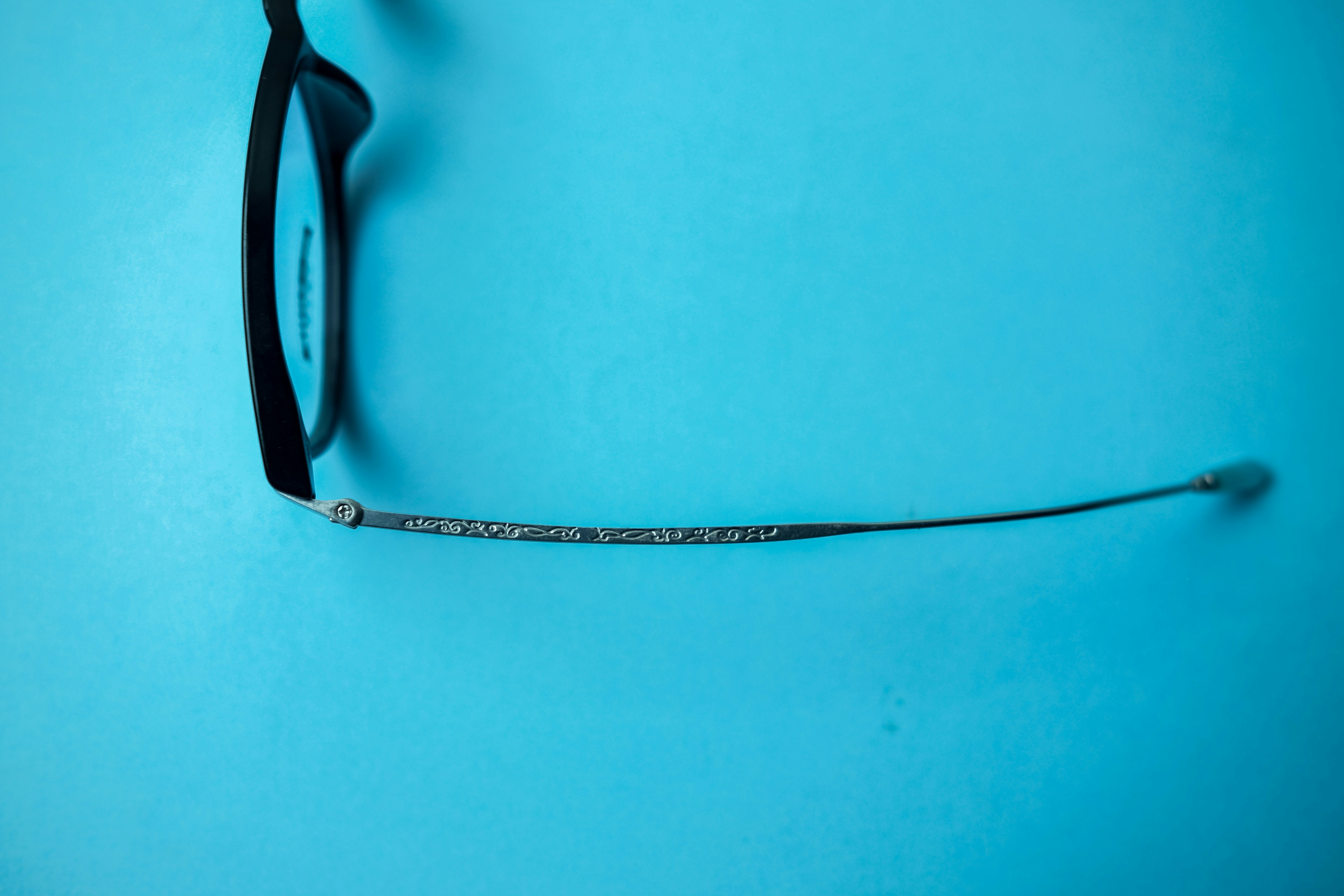
Maintenance and Cleaning Kids will be kids, which means their glasses will inevitably get covered in fingerprints, smudges, and who-knows-what-else. Dirty lenses don't just look bad; they can impair vision, cause eye strain, and lead to headaches. Therefore, choosing a material that is easy to clean and teaching my child basic maintenance is a practical necessity.
Most modern frame materials like plastic, acetate, and smooth metals are easy to wipe clean. The cleaning process itself should be gentle to avoid scratching the lenses or damaging any special coatings. Optometrists and optical experts recommend a simple, effective routine:
- Rinse First: Always rinse the glasses under lukewarm water to wash away dust and grit that could scratch the lenses.
- Use Mild Soap: Apply a tiny drop of lotion-free dish soap to your fingertips and gently rub both sides of the lenses.
- Rinse Thoroughly: Wash away all soap residue.
- Dry with Microfiber: Gently dry the glasses with a clean, soft microfiber cloth. It's crucial to avoid using paper towels, tissues, or the corner of a shirt, as these materials can be abrasive and cause micro-scratches.
I also make sure to establish a "home" for the glasses. Teaching my child to always put their glasses in a hard case when they're not wearing them prevents accidental damage from being sat on or knocked off a table. By making these simple steps part of our daily routine, we can keep the glasses in great shape and ensure my child is always seeing the world clearly.
Plastic and Acetate: My Go-To for Flexible and Colorful Kids' Eyeglasses
When it comes to the sheer variety of colors, impressive durability, and overall value, plastic and acetate frames are my top contenders. These materials have evolved significantly from the brittle plastics of the past, now offering some of the most advanced, kid-friendly features on the market. They represent a fantastic blend of fun and function.
The Power of Plastic: Lightweight and Hypoallergenic Features in Kids' Eyeglasses
The term "plastic" covers a wide range of materials, but in the world of modern children's eyewear, a few specific polymers stand out for their exceptional qualities. These aren't just any plastics; they are advanced materials engineered for performance.
TR-90: The Flexible Superstar When I look for durability and comfort, TR-90 is at the top of my list. TR-90, also known as Grilamid, is a thermoplastic polyamide developed in Switzerland. It has become a dominant material in sports and children's eyewear for several compelling reasons.
- Feather-Light Comfort: TR-90 has a very low density, making it about half the weight of traditional acetate frames. This ensures that the glasses don't put undue pressure on a child's nose or ears, making them comfortable for all-day wear.
- Incredible Flexibility: This is TR-90's most lauded feature. The material is so flexible that it can be bent and twisted without breaking, and it will return to its original shape. For a parent of an active child, this "shape memory" provides incredible peace of mind. I've seen kids sit on their TR-90 frames, only to see them pop right back into form.
- High Impact and Heat Resistance: It has an impact resistance more than double that of standard nylon and can withstand high temperatures without warping or becoming brittle.
- Hypoallergenic: TR-90 is a medical-grade plastic that doesn't release chemical residues, making it an excellent choice for children with sensitive skin.
While TR-90 is fantastic for durability and comfort, it does have one minor drawback: it's not as easy for opticians to adjust as acetate. However, its inherent flexibility often allows it to conform comfortably to a child's face without needing much adjustment.
Silicone: The Soft and Safe Choice for Toddlers For the youngest eyeglass wearers—babies and toddlers—safety is the paramount concern. This is where silicone frames truly shine.
- Extreme Softness and Flexibility: Silicone frames are soft, pliable, and have no rigid components or sharp edges. Many are made in a single, screw-free piece, eliminating potential choking hazards and weak points.
- Superior Grip: The soft, slightly "grippy" texture of silicone helps keep the frames from sliding off a small, active child's face. Many also come with an integrated or optional strap for extra security.
- Hypoallergenic and Non-Toxic: Medical-grade silicone is hypoallergenic and safe, which is crucial for babies who are prone to chewing on everything within reach.
Plastic frames offer a world of possibilities. From the nearly indestructible TR-90 perfect for active school-aged kids to the soft and safe silicone ideal for toddlers, these materials provide lightweight, hypoallergenic, and colorful solutions that can stand up to the demands of childhood.
Acetate: A Step Up in Craftsmanship for My Child's Frames
While modern plastics like TR-90 are champions of flexibility, there is another material in the plastic family that stands out for its beauty, quality, and premium feel: cellulose acetate. Often referred to simply as acetate, this isn't your everyday, injection-molded plastic. It's a premium, plant-based material that signals a higher level of craftsmanship.
The Art of Acetate What sets acetate apart is how it’s made and what it's made from.
- Plant-Based and Hypoallergenic: Acetate is a biopolymer made from natural sources like wood pulp and cotton fibers. This makes it a hypoallergenic and eco-friendly alternative to petroleum-based plastics. For children with sensitive skin, high-quality acetate is an exceptionally safe choice.
- Rich, Deep Colors: Unlike standard plastics where color is sprayed onto the surface, the colors and patterns in acetate are embedded within the material itself. This is achieved by layering colored sheets of acetate, which are then fused together and carved into frames. The result is a depth, richness, and complexity of color—like tortoiseshell or marbled patterns—that injection-molded plastic cannot replicate. These colors won't fade or chip over time.
- Handcrafted Feel: High-quality acetate frames are cut from large blocks, then shaped and polished, often by hand. This process gives them a solid, substantial feel that is absent in mass-produced molded frames. While still lightweight and comfortable, they have a certain warmth and premium quality.
Practical Advantages for a Child's Fit From a practical standpoint, one of acetate's biggest advantages is its adjustability. Opticians can gently heat an acetate frame to precisely adjust its shape for a perfectly customized fit around the nose and temples. This is incredibly important for children, as a frame that fits perfectly is less likely to slip or cause discomfort. While it may be less flexible than TR-90 and can break under extreme pressure, its superior durability over standard plastic makes it a strong contender.
For a child who appreciates unique style or for a parent looking for a premium, long-lasting, and highly adjustable option, acetate is a fantastic choice. It combines the vibrant, playful nature of plastic with a level of craftsmanship and quality that is a clear step above.

Metal Frames: Strong, Stable, and Sometimes Surprising for Kids' Eyeglasses
While flexible plastics often take the spotlight for children's eyewear, metal frames offer their own unique set of advantages, especially for school-aged kids and teens. Modern metal alloys have made these frames surprisingly lightweight, incredibly durable, and stylishly sophisticated. Far from the heavy, rigid metal frames of the past, today's options provide a compelling blend of strength and comfort.
Understanding Metal Options: Titanium, Stainless Steel, and More for Kids' Eyeglasses
When considering metal frames for kids, it's important to move beyond the idea of a single material. The world of metal eyewear is diverse, with several alloys offering distinct properties. Understanding these options is key to finding the right balance of strength, weight, comfort, and flexibility for my child.
Titanium: The Premium High-Performer Titanium is widely regarded as a top-tier material for eyeglass frames, and for good reason. It boasts an exceptional strength-to-weight ratio, meaning it's incredibly durable while remaining astonishingly light.
- Properties: Pure titanium frames are about 40% lighter than those made from other metals, which significantly enhances comfort. They are also biocompatible and 100% hypoallergenic, making them the safest metal choice for children with sensitive skin or nickel allergies. Titanium is also supremely corrosion-resistant, so it won't tarnish or rust from sweat or humidity.
- Best For: Its combination of strength, light weight, and hypoallergenic nature makes it a fantastic, long-lasting investment for older, active children.
Stainless Steel: The Reliable Workhorse Stainless steel offers a great balance of durability and value. While it is heavier than titanium, it is still lighter than many plastic frames and offers excellent strength.
- Properties: Stainless steel frames are strong, resist corrosion and abrasion well, and are relatively affordable. To ensure they are safe for sensitive skin, it's important to choose frames specifically labeled "nickel-free." Because the material is easy to work with, stainless steel frames are available in a huge variety of colors and finishes.
- Best For: Children who want a durable metal frame with a wide range of style options, at a more budget-friendly price point than titanium.
Memory Metal: The "Unbendable" Innovator Memory metal, most famously known by the brand name Flexon, is a titanium-based alloy that does something amazing: it "remembers" its original shape.
- Properties: Frames made with memory metal can be bent, twisted, or even flattened, and they will spring back to their proper alignment. This feature makes them exceptionally resilient and a great choice for active kids who are particularly rough on their belongings. Like titanium, these frames are lightweight, corrosion-resistant, and hypoallergenic.
- Best For: Active children of all ages. Memory metal bridges the gap between the flexibility of plastic and the sleek durability of metal, making it one of the most "kid-proof" metal options available.
Below is a table comparing the key characteristics of these popular metal materials:
| Feature | Titanium | Stainless Steel | Memory Metal (Flexon) |
|---|---|---|---|
| Weight | Very Lightweight | Lightweight | Very Lightweight |
| Strength | Very High | High | High |
| Flexibility | Moderate | Low | Very High (Shape Memory) |
| Hypoallergenic | Yes (100% Titanium) | Varies (Look for Nickel-Free) | Yes |
| Corrosion Resistance | Excellent | Very Good | Excellent |
| Price Point | High | Moderate | High |
By understanding these distinctions, I can move past the simple "metal vs. plastic" debate and choose a specific material that is perfectly suited to my child's needs.
When Metal Shines for My Child's Eyeglasses: Durability and Hypoallergenic Properties
While flexible plastics are often the default choice for very young children, there are specific situations where metal frames are not only a good choice but potentially a superior one. It's less about a simple "metal vs. plastic" showdown and more about matching the material's strengths to the child's age, activities, and specific needs.
Unmatched Durability for the Long Haul Metal frames, particularly those made of titanium and high-quality stainless steel, offer exceptional structural durability. While flexible plastics are great at bending, metal frames are excellent at resisting breakage and holding their shape over time. This makes them a fantastic long-term investment, especially for older children and teens who are less likely to twist their frames but may still drop them or toss them in a backpack. The inherent strength of metal means the profiles can be much thinner and more streamlined without sacrificing resilience, which appeals to kids who prefer a more minimalist or mature look.
The Gold Standard for Hypoallergenic Properties For a child with sensitive skin, finding a truly hypoallergenic frame is a top priority. While some plastics can cause reactions, 100% pure titanium is biocompatible, meaning it is non-toxic and will not cause an allergic reaction. This is the same material used for medical implants, making it the undisputed champion for sensitive skin. If my child had ever experienced redness or irritation from other frames, pure titanium would be my first choice. Many stainless steel options are also available in nickel-free compositions, providing another reliable hypoallergenic option. The peace of mind that comes from knowing the frame material is completely inert and safe is one of the most compelling reasons to choose metal.
In practice, metal frames often shine for school-aged children who have outgrown the need for extremely pliable frames but still require robust eyewear. For instance, an active ten-year-old who plays sports might benefit from the lightweight strength of a titanium frame. The durability means fewer trips to the optician for adjustments, and the hypoallergenic properties ensure comfort throughout the long school day. It's in these scenarios, where a balance of strength, sleek style, and skin safety is needed, that metal frames truly prove their worth.
My Thoughts on Metal's Flexibility vs. Plastic for Active Kids
When it comes to choosing between metal and plastic for an active child, the answer isn't black and white. It's a nuanced decision that depends heavily on the type of metal and plastic, as well as the child's age and habits. My experience and research have shown that both categories have their champions, but they excel in different ways.
The Case for Flexible Plastics (TR-90 and Silicone) For toddlers and very young children (ages 2-5), flexible plastics are almost always the superior choice. Their behavior is unpredictable—glasses are treated as toys, chewed on, pulled off, and dropped. In this environment, the key is survivability through flexibility.
- "Bounce-Back" Durability: A TR-90 or silicone frame can be sat on, twisted, or squashed in a backpack and will likely return to its original form. Their flexibility is a form of passive durability; they yield to force rather than resisting it until a breaking point.
- Safety: The soft, pliable nature of these materials, especially in screwless, one-piece silicone designs, means there are no sharp edges or broken pieces to worry about during a fall.
- Comfort: These materials are incredibly lightweight, which is a significant factor for a small child who is not accustomed to wearing glasses. Comfort is key to compliance.
The Case for Metals (Especially Memory Metal) As children get older (ages 6+), their handling of glasses becomes more predictable. The need for extreme, toy-like flexibility decreases, while the need for structural integrity increases. This is where metal, and specifically memory metal like Flexon, becomes a formidable competitor.
- "Shape-Memory" Durability: While a standard metal frame will bend and stay bent, requiring a trip to the optician, a memory metal frame offers the best of both worlds. It combines the sleek, strong structure of metal with the ability to spring back into shape after being bent. This makes it an ideal material for active school-aged kids who play sports or are generally rough on their belongings.
- Structural Strength: Metal frames are structurally stronger than plastic. While a TR-90 frame might survive being bent, a direct, hard impact could still crack it. A high-quality titanium frame, by contrast, is exceptionally resistant to breaking.
- Adjustability for a Perfect Fit: Metal frames almost always feature adjustable nose pads. For a child with a developing or low nose bridge, this is a game-changer. It allows an optician to achieve a perfect, non-slip fit that most fixed-bridge plastic frames cannot match. A secure fit is crucial for active kids.
My Verdict: It's All About Age and Activity
- For Toddlers and Preschoolers (Under 6): I would choose flexible plastic every time. The combination of safety, extreme flexibility, and lightweight comfort is unbeatable for this age group. A standard metal frame is too rigid and poses a higher risk of injury and breakage, while even memory metal might not withstand the chewing and extreme twisting a toddler can inflict.
- For Active School-Aged Kids (6 and up): The competition is much closer. Here, a memory metal frame often becomes my top choice. It offers the "bounce-back" resilience of flexible plastic but with the superior fit of adjustable nose pads and the more mature styling that older kids often prefer. A high-quality TR-90 frame is still an excellent, often more budget-friendly option. A standard titanium or stainless steel frame is best for an older, more responsible child who values lightweight comfort and strength but is less likely to severely bend their glasses.
Ultimately, both material families have evolved to offer fantastic "kid-proof" options. The choice depends on a thoughtful assessment of your child's specific needs, balancing the type of flexibility required with the need for a secure, comfortable fit.

Sustainable and Unique: Exploring Wood, Bamboo, and Recycled Materials for Kids' Eyeglasses
In a world increasingly focused on sustainability, the eyewear industry is no exception. As a parent, I love the idea of choosing products that are not only good for my child but also kinder to the planet. This has led me to explore unique, eco-conscious materials like wood, bamboo, and recycled plastics. These options offer a distinctive style and a compelling story, setting them apart from more traditional choices.
Wood and Bamboo: Natural Charm for My Child's Eyeglasses
Eyeglass frames made from wood and bamboo offer a truly unique aesthetic that stands out from the sea of plastic and metal. The natural grain means that no two pairs are exactly alike, giving them a one-of-a-kind, handcrafted charm. For a child with a distinctive sense of style or for a parent looking for an eco-conscious option, these materials are very appealing.
The Allure of Natural Materials:
- Aesthetic and Feel: Wood frames, often made from walnut, maple, or cherry, have a warm, organic feel. Bamboo, a type of grass, is known for its remarkable lightness and sustainability, as it's one of the fastest-growing plants on Earth. These materials are surprisingly lightweight, which is a major plus for comfort.
- Eco-Friendly: Many manufacturers use sustainably sourced wood or fast-growing bamboo, making these frames a more environmentally sound choice compared to petroleum-based plastics. For my family, making sustainable choices is important, and eyewear is another area where we can make a small difference.
- Hypoallergenic: Natural, untreated wood and bamboo are generally hypoallergenic, which is another benefit for children with sensitive skin.
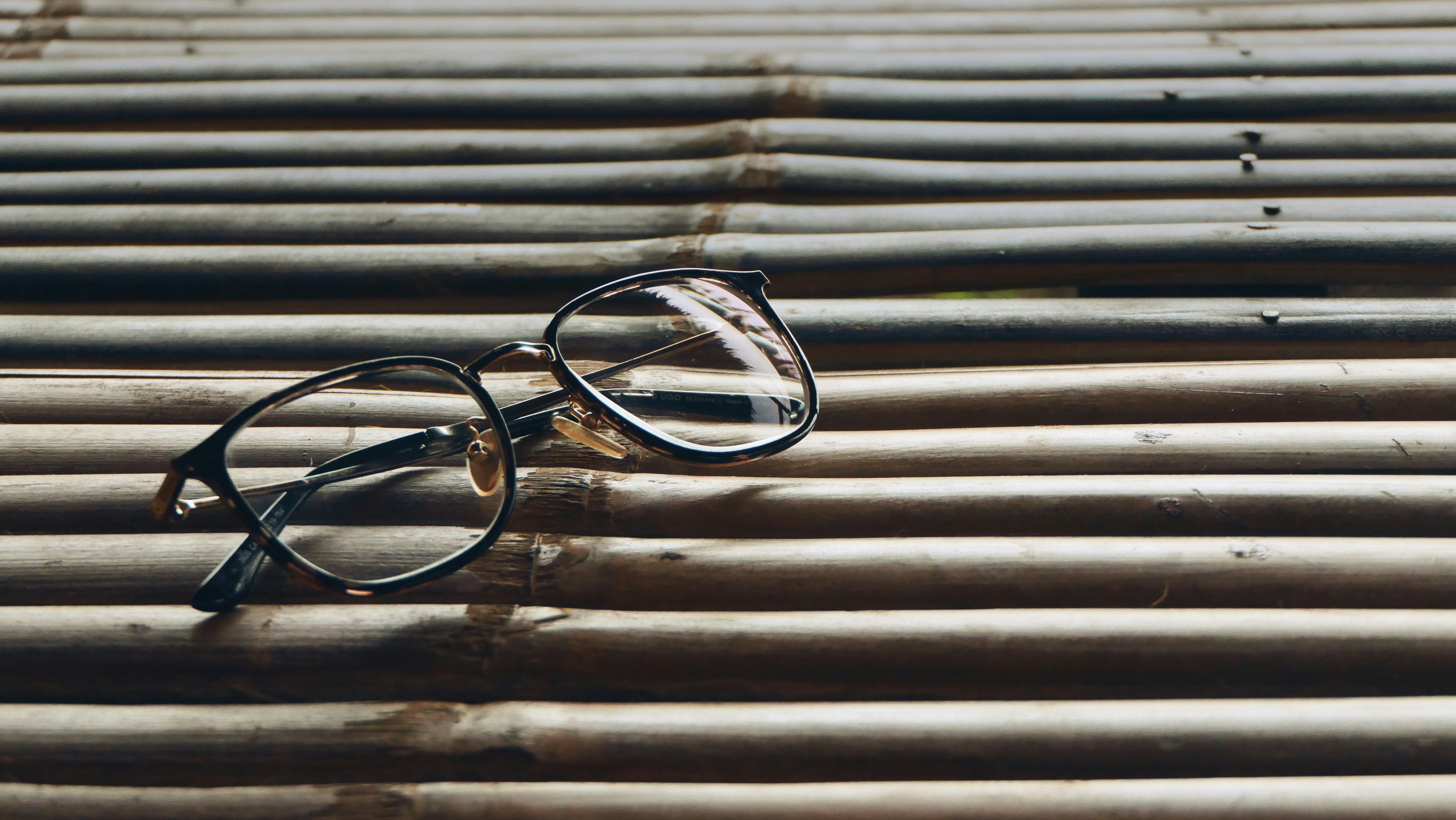
The Practical Considerations: While I am drawn to the natural beauty of wood and bamboo, I have to be realistic about their practicality for a young, active child. These materials have some significant limitations compared to flexible plastics or memory metals.
- Lack of Flexibility: Wood is rigid. While manufacturers use lamination techniques to increase strength, wood frames do not bend or flex upon impact; they are more likely to crack or snap under the kind of stress a child can exert. This makes them less suitable for the rough and tumble of the playground.
- Limited Adjustability: Unlike acetate, which can be heated and molded for a custom fit, wood frames cannot be easily adjusted. An optician cannot reshape the temples or bridge to perfect the fit, which can be a problem for a growing child. If the fit isn't right from the start, there's little that can be done.
- Moisture Sensitivity: While most wooden frames are treated with a sealant to resist moisture, they are not waterproof. Prolonged exposure to water or high humidity can cause the wood to swell, warp, or weaken over time, making them a poor choice for a child who is frequently in or around water.
My take is that wood and bamboo frames are a fantastic choice for a secondary, "special occasion" pair of glasses for an older child who can appreciate their unique look and handle them with care. Their natural charm is undeniable, but for a primary, all-day, all-play pair of glasses for a young child, the practical limitations in flexibility, adjustability, and moisture resistance make them a less-than-ideal option.
Innovative Sustainable Choices: Recycled Materials for My Kids' Eyeglasses
Perhaps the most exciting frontier in sustainable eyewear for children is the use of recycled materials. This approach offers the best of both worlds: it reduces environmental waste while often delivering the same high-performance characteristics as virgin plastics. It's a choice that feels good and works well.
Giving Waste a Second Life Several forward-thinking brands are transforming waste into durable, stylish eyeglass frames. The sources for these materials are as innovative as the products themselves:
- Recycled PET (rPET): This material is derived from single-use plastic items like water bottles. The plastic is collected, cleaned, and processed into pellets that can be molded into new frames. These frames are lightweight, durable, and can be produced in a wide variety of colors.
- Recycled Fishing Nets: Discarded fishing nets are one of the most harmful forms of ocean plastic pollution. Visionary companies are now collecting these nets and transforming them into high-performance polyamide for eyewear. The resulting frames are not only eco-friendly but are also incredibly tough, lightweight, and designed for an active lifestyle.
- Manufacturing Scraps: Some companies are creating a circular economy within their own factories. They collect scraps and leftover material from the production of their standard frames, grind it into pellets, and melt it down to inject into new frames. This minimizes factory waste and reduces the need for new raw materials.
Performance Meets Principles What's truly compelling about these recycled options is that they don't compromise on the features that matter most for kids' glasses. Recycled plastics can be engineered to have properties that are indistinguishable from their non-recycled counterparts.
- Durability and Flexibility: A frame made from recycled fishing nets or plastic bottles can be just as flexible and impact-resistant as one made from virgin TR-90. They are designed to handle the twists, tumbles, and drops of an active childhood.
- Safety and Comfort: These materials are thoroughly cleaned and processed to ensure they are non-toxic, hypoallergenic, and safe for children. Their lightweight nature ensures they are comfortable for all-day wear. For instance, frames made from recycled materials can still be BPA-free and meet all safety standards.
For me, choosing eyeglass frames made from recycled materials is a powerful choice. It teaches my child a valuable lesson about environmental responsibility and demonstrates that high-quality products can be created in a way that is mindful of our planet. It’s a practical, durable, and stylish solution that aligns perfectly with my values as a parent.
Conclusion
After exploring the vast landscape of materials available for kids' eyeglasses, I've realized that the 'best' material isn't a one-size-fits-all answer. Instead, it's a deeply personal decision that balances my child's specific needs with the unique properties of each option. The ideal choice is a thoughtful blend of science and lifestyle.
My ultimate goal is to find a material that ensures comfort for all-day wear, provides unwavering safety during the most rambunctious play, and is durable enough to last, all while suiting my child's unique personality. For a toddler, that might mean the soft, forgiving nature of silicone. For my active school-aged child, it could be the incredible "shape memory" of a memory metal frame or the bounce-back resilience of TR-90. For an older child developing a sense of style, the rich colors of acetate or the sleek profile of titanium might be the perfect fit.
By focusing on the key factors—flexibility, weight, hypoallergenic properties, and a proper fit—I am now far better equipped to choose the ideal eyeglasses for my little one. Empowered with this knowledge, I can confidently navigate the options and find a pair of glasses that my child will not only see clearly with but also love to wear. I encourage you to do the same and share your own experiences in the comments below