 Aviator
 Cat-eye
 Square
 Oval
 Rectangular
 Round
Top Eyewear Market Trends 2026: What Private Label Brands Are Buying
Top Eyewear Market Trends 2026: What Private Label Brands Are Buying
Quick answer: The three biggest 2026 private label buying directions are trendy fashion frames, lightweight materials, and sustainable construction. Below are the five specific trends driving purchase orders — and how to source each one without overcommitting.
If you are building a 2026 eyewear range, the winners are not guessing. They are placing smaller, faster orders across more styles — and they are working with factories that can support that rhythm. The global eyewear market is projected to grow from US$173.89 billion in 2025 to US$193.58 billion in 2026 at a CAGR of 11.3%, and the frames segment alone is valued at US$32.33 billion, growing at 7.1% annually toward US$62.73 billion by 2034.
Key Takeaways
- Five trends are driving private label orders in 2026: trendy fashion frames, new silhouettes, faster launch rhythms, fashion acetate, and decorative details.
- Smaller, faster orders are winning. The old “two collections per year” model is dead. Private label brands now drop new arrivals every 6–8 weeks.
- Sustainability is now a default spec. Bio-acetate with 70% bio-based content and 27% recycled materials is commercially available and performs like traditional acetate.
- Gen Z is reshaping demand. Social media, virtual try-on, and influencer culture are making eyewear a fashion statement — not just a vision tool.
- Factory flexibility is the competitive advantage. Low MOQs, quick sampling, and small-batch production are what separate winning suppliers from the rest.
Top 1 — Trendy Fashion Frames: The Volume Driver
Why it matters: Fashion-forward frames are the fastest-moving category in private label. Buyers want fresh shapes and colors every season, not last year’s catalog. At Mido 2026, which drew 42,000 visitors from over 160 countries, lightweight metal frames and retro-looking sunglasses popular with Gen Z dominated the collections.
What to source: Look for a trendy optical frames factory that offers low MOQs, quick sampling, and a wide color card. The goal is to test 10 styles and reorder the 3 that sell — not commit to 1,000 units of a single design.
The industry is shifting toward increasingly lightweight and high-performance frames, with trends ranging from luminous transparencies and interplays of light to intense, organic textures. For private label brands, this means the window between trend detection and shelf placement is shorter than ever.
Buyer action: Request a 2026 trend color card and sample 3–5 hero styles before placing volume orders.
Top 2 — New Silhouettes: Shape Innovation Sells
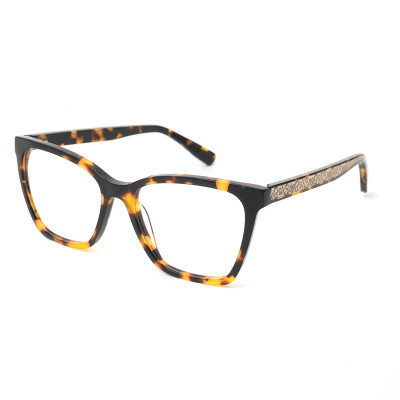
Why it matters: Consumers are moving away from basic rectangles and ovals. Softened hexagons, oversized squares, and sculptural acetates are driving boutique sell-through. According to trend researcher Selin Olmsted’s 2026 outlook, the “Sculptural” trend — thick profiles, bold bevels, intricate millings, and rich textures such as tortoise, horn, and marble — is dominating premium eyewear.
What to source: A new style optical frames factory with in-house tooling and CNC capability. Shape innovation requires mold precision — not every supplier can execute it consistently.
Meanwhile, minimalist shapes are also trending in parallel. At 100% Optical 2026, Safilo’s country director noted that some consumers want “super minimal” narrow rectangles while others embrace “so bold” statement frames. The market is splitting — and private label brands can capture both ends with the right factory partner.
Buyer action: Ask for 2–3 new silhouette samples with weight and dimension specs. Test them in your top 3 colorways.

Top 3 — Seasonal Launch Timing: The New Arrival Rhythm
Why it matters: The old “two collections per year” model is dead. Private label brands now drop new arrivals every 6–8 weeks to keep retail partners engaged. GlassesUSA.com’s 2026 outlook confirms that consumers are increasingly using eyewear as a form of personal expression, with demand expanding across multiple style directions rather than converging on a single dominant look.
What to source: A new arrival eyeglasses frames factory that supports small-batch production and repeat orders. You need a supplier who can turn around 100–300 unit runs quickly.
The data supports this shift. The global frames market, valued at US$32.33 billion in 2025, is growing at a 7.1% CAGR through 2034 — and the biggest gains are coming from brands that can iterate quickly rather than commit to massive seasonal buys. Limited drops and collaborations create scarcity without fragmenting the supply base.
Buyer action: Plan your 2026 calendar with 12–16 weeks lead time for new materials. Use 100-unit pilot orders to validate before scaling.
Top 4 — Fashion Acetate: The Premium Material Play
Why it matters: Acetate remains the material of choice for premium fashion frames. Transparent neutrals, tortoiseshell, and bio-acetate are driving higher price points. The global acetate eyewear frames market was valued at approximately US$3.56 billion in 2025 and is projected to reach US$5.05 billion by 2032, growing at a CAGR of 5.2%.
What to source: An optical fashions frames factory with color consistency, hand-polishing, and eco-acetate options. The finish quality is what separates a $30 frame from a $130 frame.
Sustainability is no longer optional at the premium end. Eco Eyewear’s SS26 collection uses Bio Acetate made with 70% bio-based content and 27% recycled materials, derived from FSC-certified wood pulp and natural cotton. It is phthalate-free, non-toxic, and biodegradable — yet retains the same look and tactile quality as traditional acetate. Eastman Acetate Renew combines 43% FSC-certified cellulose with 27% ISCC PLUS certified recycled content, reducing carbon footprint by up to a third.
For buyers, the key is documentation. Ask for GRS certification for recycled content, FSC certification for bio-based materials, and batch-level traceability records.
Buyer action: Request physical color samples under D65 lighting. Digital swatches are never accurate enough for translucent acetate.
Top 5 — Fancy Details: The Margin Booster
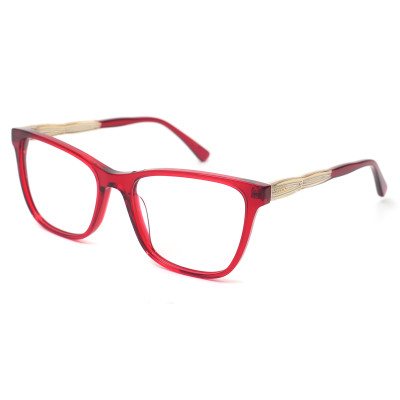
Why it matters: Decorative details — metal inlays, dual-color injection, textured temples, and jewelry-inspired accents — lift perceived value without dramatically raising cost. GlassesUSA.com’s 2026 trends report highlights that eyewear is increasingly intersecting with fine jewelry, with diamonds, crystals, and stone-set details appearing in both acetate and metal frames. Chrome and high-shine finishes are also gaining momentum, influenced by cyber aesthetics and digital culture.
What to source: A fancy optical eyeglass frames factory that can execute decorative techniques at scale. These are the frames that photograph well and command higher retail markups.
Buyer action: Use fancy details as limited-edition capsule pieces. They create urgency and differentiate your brand from generic competitors.
2026 Trend Comparison Table
The table below summarises the five key trends and their sourcing implications for private label brands.
| Trend | Target Market | Suggested Retail Price | Best Launch Window |
|---|---|---|---|
| Trendy fashion frames | Young DTC, boutique | $45–$85 | Spring / Fall |
| New silhouettes | Independent optical | $65–$120 | Q1 / Q3 |
| New arrival rhythm | Multi-brand retail | $35–$75 | Monthly drops |
| Fashion acetate | Premium boutique | $95–$180 | Q4 / Holiday |
| Fancy details | Niche / gift market | $120–$250 | Limited capsule |
These price ranges are indicative and vary by market, material, and brand positioning. Always validate with your own retail data before finalising your pricing strategy.
FAQ: 2026 Private Label Sourcing
What is the single most important trend to stock in 2026?
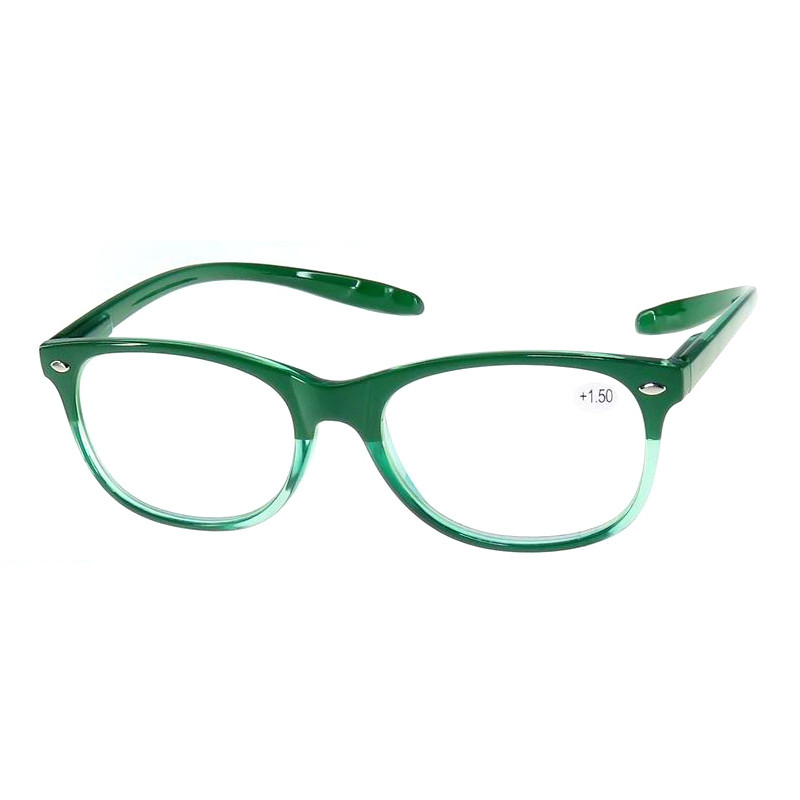
Lightweight + trendy fashion. Combine a lightweight material (titanium or thin acetate) with a fashion-forward shape. That combination covers the two strongest buying directions at once. At 100% Optical 2026, Blackfin’s CEO confirmed the metal segment is moving toward thin products that are “very light, but still present in terms of volume.”
How should I plan my seasonal launch rhythm?
Move to 6–8 week drops. Start with 100-unit pilot orders, reorder winners within 2 weeks, and phase out slow sellers. This keeps cash flow healthy and reduces markdown risk. The global eyewear market is expected to grow at a CAGR of 8.36% to reach US$374.75 billion by 2032 — but capturing that growth requires the ability to move at the speed of trends, not seasons.
Are sustainable materials good enough for premium frames?
Yes. Bio-acetate and recycled acetate now deliver the same polish, color depth, and tactile quality as traditional materials. MYKITA’s sustainability initiatives and Eco Eyewear’s Bio Acetate collections prove that responsible innovation does not compromise design. The key is verifying certifications — GRS, FSC, ISCC — rather than accepting marketing claims at face value.
What MOQ should I expect for trend-driven frames?
Most factories set MOQ at 300–600 pieces per color for new shape tooling. Stock shapes from existing moulds may be available at lower quantities. For pilot orders and trend testing, ask your factory about 100–200 unit trial runs before committing to volume production.
Source Your 2026 Range with READSUN
READSUN Optical supports private label brands with trendy optical frames, new silhouettes, low-MOQ trial orders, and eco-friendly material programs. Our factory-direct model gives you the speed and flexibility to test 2026 trends without overcommitting.
Our 2,000 m² facility produces up to 150,000 high-end optical frames per month with 120+ skilled technicians, and we partner with over 100 global brands including GUESS, GANT, FILA, and POLAROID. We support full-chain OEM/ODM customization, rapid prototyping, and private labeling.
Ready to request the READSUN 2026 New Arrival Catalog?
→ Explore OEM/ODM programs
→ Visit our homepage to request samples and factory pricing.