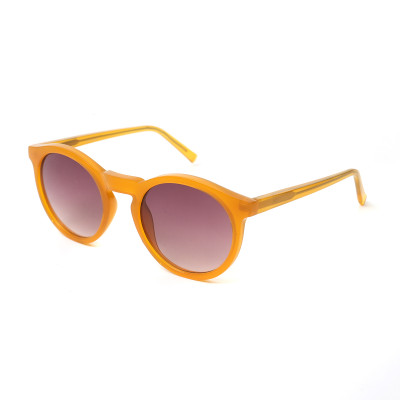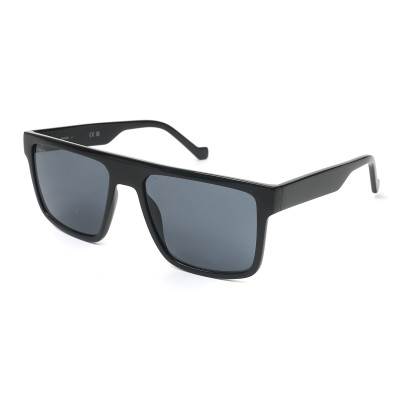
 Aviator
 Cat-eye
 Square
 Oval
Oval Rectangular
 Round
RoundKids & Infant Optical Frames: A Complete Buyer's Guide for Retailers
As retailers, we recognize the critical role of Kids and Infant Optical Frames, a market segment defined by unique demands for safety, durability, and a precise fit. This guide serves as an essential tool for strategically sourcing high-quality children's eyewear, ensuring our offerings consistently exceed consumer expectations and market standards. By establishing informed partnerships with manufacturers, our goal is to optimize purchasing decisions, prioritizing children's vision health and comfort to solidify our position in the retail market.
Key Takeaways
Choosing the right optical frames for children and infants is a significant responsibility for retailers, directly impacting the well-being of young customers and the long-term reputation of their business. This guide emphasizes that the selection process goes far beyond simple aesthetics, focusing on a foundation of safety, durability, and precise fit. The primary consideration must always be material safety; a crucial aspect for any product designed for children. Retailers must ensure that frames are made from non-toxic, hypoallergenic materials like food-grade silicone or TR-90, which are free from harmful chemicals such as BPA and phthalates. Compliance with rigorous international safety standards, including the Consumer Product Safety Improvement Act (CPSIA) in the United States and CE marking in Europe, is non-negotiable. These certifications serve as a guarantee from the manufacturer that the products have undergone stringent testing for lead content and other potential hazards, providing a critical layer of trust and security for parents.
Beyond material safety, the guide highlights the importance of design and functionality tailored to a child's active lifestyle. For infants, flexibility is paramount. Frames made from materials like silicone can bend and twist without breaking, significantly reducing the risk of injury if the baby falls or handles the glasses roughly. This flexibility also ensures a more comfortable, snug fit on a developing face. For older children, durability becomes a key factor. Features such as spring hinges, scratch-resistant coatings, and robust construction are essential to withstand the daily rigors of play. Retailers should seek out a kids optical frames china factory supply that demonstrates a deep understanding of these needs, offering designs that are not only safe but also practical and resilient.
Finally, forging a strategic partnership with the right manufacturer is the cornerstone of a successful retail strategy in this specialized market. Retailers are encouraged to look beyond the unit price and conduct thorough due diligence on potential suppliers. This involves evaluating a factory’s certifications, understanding their quality control processes, and inquiring about their experience in the pediatric eyewear sector. When considering a kids optical frames oem partnership, it's vital to assess their capabilities for customization, their adherence to ethical manufacturing practices, and their transparency regarding material sourcing. Important wholesale terms to negotiate include Minimum Order Quantities (MOQs), which should align with the retailer's inventory strategy, as well as clear payment terms and realistic production lead times. A reliable infant optical frame factory will act as a partner, offering support from the design phase to after-sales service, ensuring that the final product not only meets regulatory standards but also delights a new generation of wearers and earns the trust of their parents.
Kids Optical Frames OEM: Safety Standards Come First
When sourcing children's eyewear, partnering with a reliable Original Equipment Manufacturer (OEM) is a critical business decision. For kids' optical frames, this partnership must be built on an unshakable foundation of safety. Children are not small adults; their skin is more sensitive, they are more likely to put objects in their mouths, and their active lifestyles demand products that can withstand rough handling without causing injury. Therefore, safety standards are not just a regulatory hurdle but the most important feature of any frame you carry. Retailers must prioritize manufacturers who can provide verifiable proof of compliance with key international safety regulations. This includes ensuring all materials are non-toxic, hypoallergenic, and free from harmful chemicals like Bisphenol A (BPA), phthalates, and lead.
A trustworthy kids optical frames oem partner will be transparent about their material sourcing and manufacturing processes. They should openly provide documentation certifying their adherence to the Consumer Product Safety Improvement Act (CPSIA) in the United States, which sets strict limits on lead and certain phthalates in children's products. Similarly, compliance with ASTM F963, the standard consumer safety specification for toy safety, is often applied to children's products to ensure there are no sharp points or small parts that could pose a choking hazard. For retailers serving the European market, the CE marking is essential, indicating conformity with health, safety, and environmental protection standards. By demanding these credentials, you not only protect your young customers but also safeguard your business from the significant legal and reputational risks associated with non-compliant products.
Kids Optical Frames China Factory Supply
Sourcing from a kids optical frames china factory supply offers retailers access to a vast and technologically advanced manufacturing ecosystem. Chinese factories are often at the forefront of innovation in materials and production techniques, allowing them to produce high-quality, durable, and stylish frames at a competitive price point. This enables retailers to offer a diverse and affordable selection to their customers. However, the sheer number of suppliers can be overwhelming, making due diligence an essential part of the procurement process. It is crucial to partner with factories that specialize in children's eyewear and have a proven track record. These specialized factories understand the unique anatomical requirements of children's faces and the stringent safety protocols required.
When vetting a potential Chinese supplier, retailers should request a comprehensive portfolio of their work, including details about the brands they have previously manufactured for. Ask for copies of all relevant safety certifications, such as ISO 9001 for quality management systems, as well as product-specific tests for CPSIA, EN 14139, and FDA compliance. Reputable suppliers will have these documents readily available and will be transparent about their supply chain and quality control procedures. It is also wise to inquire about their process for third-party testing and whether they can provide batch-specific test reports. A factory's willingness to provide this level of detail is a strong indicator of their commitment to quality and safety, making them a more reliable partner for your retail business.
Infant Optical Frame Factory: Materials and Flexibility
Infants have unique needs when it comes to optical frames, and the choice of material is paramount. An infant optical frame factory that specializes in this demographic understands that comfort, safety, and durability are non-negotiable. Unlike frames for older children or adults, infant frames must be designed to accommodate rapid growth and a less predictable, more tactile interaction with their environment. The ideal materials are those that are exceptionally soft, pliable, and hypoallergenic to prevent skin irritation on a baby's delicate face. This is why food-grade silicone has become a gold standard in the industry. It is free from toxins, incredibly resilient, and can be twisted or bent without breaking, which is a crucial safety feature for a crawling or toddling infant who may fall.
Another excellent material choice for infant frames is TR-90, a thermoplastic material known for its extreme flexibility, durability, and light weight. TR-90 frames can withstand bending and stress without warping or snapping, making them a practical choice for long-term wear. Their lightweight nature ensures they don’t put undue pressure on an infant’s developing nose and ears, enhancing comfort and increasing the likelihood that the child will adapt to wearing glasses. When evaluating an infant optical frame factory, retailers should inquire specifically about the grade of silicone or TR-90 used. A reputable manufacturer will emphasize the use of medical-grade or food-grade materials and will be able to provide data sheets confirming their properties, ensuring the products you stock are as safe and comfortable as possible for the youngest of wearers.
China Infant Optical Frame Factory Compliance
When sourcing from a china infant optical frame factory, ensuring strict regulatory compliance is a critical step in mitigating risk and guaranteeing product safety. The global nature of the eyewear market means that products must often meet the standards of multiple jurisdictions. For retailers in the United States, this means confirming that the factory's products are registered with the U.S. Food and Drug Administration (FDA), which regulates eyeglasses and sunglasses as medical devices. A compliant factory should be able to provide their FDA registration number as proof. Furthermore, all products intended for children under 12 must adhere to the CPSIA, which mandates third-party testing for lead and phthalate content.
For international markets, particularly in Europe, the CE marking is a mandatory conformity mark. This mark signifies that the manufacturer has verified that the product meets EU safety, health, and environmental protection requirements. A compliant china infant optical frame factory will have robust systems in place to ensure every component of their frames—from the chassis to the hinges and screws—meets these rigorous standards. Retailers should create a compliance checklist to use when vetting potential suppliers. This checklist should include:
| Compliance Check | Description | Why It's Important |
|---|---|---|
| FDA Registration | Confirms the factory is registered with the U.S. Food and Drug Administration. | Required for selling optical frames in the United States; ensures oversight. |
| CPSIA Test Reports | Third-party lab reports confirming compliance with limits on lead and phthalates. | Legally required for all children's products sold in the U.S.; protects children from harmful chemicals. |
| CE Marking Certificate | Documentation showing the product conforms to European Union standards. | Mandatory for market access in the 30 countries of the European Economic Area. |
| ISO 9001 Certification | Indicates the factory has a certified quality management system. | Demonstrates a commitment to consistent quality, process control, and continuous improvement. |
| Material Safety Data Sheets (MSDS) | Provides detailed information about the chemical properties of the materials used. | Offers transparency and confirms materials are non-toxic and hypoallergenic. |
By systematically verifying these credentials, retailers can confidently build partnerships with factories that are not only capable of producing high-quality frames but are also deeply committed to the safety and well-being of the end-user.
Kids Optical Frames China Factory Wholesale Terms
Navigating the wholesale terms of kids optical frames china factory wholesale agreements is a fundamental skill for retailers looking to optimize their inventory and profitability. These terms govern the entire commercial relationship, from ordering and payment to delivery and beyond. One of the most important terms to understand is the Minimum Order Quantity (MOQ). MOQs can vary significantly between factories and are often negotiable based on the complexity of the frame and the nature of your business relationship. For a custom design (OEM), the MOQ will typically be higher to cover the costs of new molds and tooling. For a factory's existing designs (ODM), the MOQ may be lower and is often broken down per color and model. It's essential to find a supplier whose MOQs align with your sales velocity and inventory capacity to avoid tying up capital in slow-moving stock.
Payment terms are another critical component of any wholesale agreement. The most common structure involves a deposit upfront (typically 30-50%) before production begins, with the remaining balance due before shipment. This arrangement balances the risk between the buyer and the manufacturer. Reputable suppliers will provide a detailed Proforma Invoice (PI) that clearly outlines all costs, including the price per unit, tooling fees (if any), and sample charges. Lead time is the period from when you place the order to when the goods are ready to ship. For optical frames, this can range from 45 to 90 days, depending on the complexity of the design and the factory's production schedule. Retailers must factor this timeline into their inventory planning to ensure a continuous supply of products. Finally, be sure to clarify shipping terms (Incoterms), such as FOB (Free On Board) or EXW (Ex Works), as this will determine who is responsible for the cost and risk of transportation. Clear communication and a comprehensive written agreement are your best tools for establishing a smooth and predictable supply chain.
Kids Optical Frames Factories Compared
Choosing the right partner from a sea of kids optical frames factories is a decision that will profoundly impact the quality of your products and the reputation of your brand. A systematic comparison is essential. Beyond the baseline price, retailers should create a scorecard to evaluate potential manufacturers across several key performance indicators. First and foremost is their specialization. A factory that produces a wide range of products might not have the dedicated expertise required for the nuances of pediatric eyewear. Look for factories that highlight their experience in children's frames and can demonstrate a deep understanding of the anatomical and safety requirements.
Next, evaluate their manufacturing and quality control capabilities. How transparent are they about their processes? Do they welcome third-party inspections? A top-tier factory will have a multi-stage quality control process, checking for defects at the raw material stage, during production, and in a final inspection before packing. Another crucial point of comparison is their OEM/ODM service. An OEM service allows you to produce your own exclusive designs, while an ODM service lets you choose from the factory's existing catalog and brand it as your own. Assess their design support, prototyping speed, and willingness to accommodate modifications. Use the following checklist to guide your comparison:
Supplier Evaluation Checklist:
- Specialization: Do they have a dedicated line and proven experience in kids' and infant frames?
- Certifications: Can they provide valid and current copies of ISO 9001, FDA, CE, and CPSIA compliance reports?
- Material Transparency: Do they clearly state the source and grade of their materials (e.g., food-grade silicone, TR-90 from a specific supplier)?
- Factory Audits: Are they open to factory audits, either in-person or through a third-party service?
- Quality Control Process: Can they document their QC procedures at every stage of production?
- Communication: Is their sales and technical team responsive, fluent in your language, and knowledgeable?
- References: Can they provide references or case studies from other international clients?
- MOQ & Pricing: Are their MOQs flexible and is their pricing structure clear and competitive?
By using a structured approach to compare kids optical frames factories, you can move beyond a simple cost analysis and identify a long-term partner committed to quality, safety, and your business's success.

Order Kids Frames from READSUN
Placing an order with a reputable supplier like READSUN serves as a practical example of how a smooth and professional procurement process should unfold. The journey begins not with a bulk order, but with communication and verification. The first step for a retailer is to make an initial inquiry, providing a clear brief of their needs. This should include the types of frames you are interested in (e.g., infant silicone frames, flexible kids' frames), desired materials, target age group, and any specific design or branding requirements. A professional supplier will respond promptly with relevant catalog information, pricing structures, and answers to your initial questions. They will also be ready to share their compliance documentation and factory credentials, proactively building trust.
The next critical phase is sampling. Before committing to a large volume, it is essential to request physical samples to assess the quality firsthand. This allows you to inspect the material finish, hinge robustness, color vibrancy, and overall craftsmanship. During this stage, you can also test the flexibility and durability of the frames yourself. If you are pursuing a custom OEM design, the supplier will create a technical drawing or a 3D rendering for your approval before producing a prototype. Once you are satisfied with the samples, the process moves to the formal order placement. You will finalize quantities per model and color, confirm the unit price, and receive a Proforma Invoice (PI). Upon payment of the deposit, the factory schedules your order for mass production. A trustworthy partner will provide you with updates during this period and may even share photos or videos of the production process, maintaining transparency and ensuring your expectations are met every step of the way. The final stage involves a pre-shipment quality inspection, balance payment, and coordination of logistics to ensure your high-quality kids' frames arrive safely and on schedule.
Frequently Asked Questions (FAQ)
1. What are the most important safety certifications I should demand from a kids' optical frame factory?
When sourcing kids' and infant optical frames, safety is the number one priority. You should demand a comprehensive package of certifications to ensure you are protecting your young customers and your business. The most critical certifications include the Consumer Product Safety Improvement Act (CPSIA) for products sold in the United States. This act mandates strict limits on lead and certain phthalates and requires third-party testing to verify compliance. For a china infant optical frame factory, ask for the specific lab reports for the batches you are ordering. Another key U.S. requirement is FDA registration, as eyeglasses are considered medical devices. For retailers in Europe, the CE marking is essential; it declares that the product meets EU standards for health, safety, and environmental protection. Additionally, look for ISO 9001 certification, which isn't a product-specific standard but certifies the factory's quality management system, indicating a commitment to consistent and reliable production processes. Finally, always ask for Material Safety Data Sheets (MSDS) to confirm the materials used are non-toxic, BPA-free, and hypoallergenic.
2. How do I balance cost and quality when choosing a supplier from different kids optical frames factories?
Balancing cost and quality is a classic challenge for retailers. While competitive pricing is important for profitability, compromising on quality—especially with children's products—can lead to customer dissatisfaction, negative reviews, product returns, and significant safety liabilities. The key is to look for value, not just the lowest price. A slightly more expensive frame from a highly reputable factory with verifiable certifications and superior materials will almost always have a lower total cost of ownership. To strike the right balance, create a "landed cost" model that includes the unit price plus shipping, import duties, and an estimated cost for potential defects or returns. Compare this total cost across different kids optical frames factories. Prioritize suppliers who specialize in children's eyewear, as they are more likely to understand the nuances of durable and safe construction. Always invest in samples from your top 2-3 choices to physically compare the material feel, hinge quality, and overall finish before placing a bulk order. A long-term partnership with a reliable, slightly more expensive supplier often proves more profitable than short-term savings from a low-cost, low-quality alternative.
3. What are the key differences in material requirements between infant and older children's frames?
The material requirements for infant and older children's frames differ significantly, driven by their developmental stages and activity levels. For infants, the primary concerns are safety and comfort. Frames must be made from ultra-soft, flexible, and hypoallergenic materials. This is why food-grade silicone is a top choice for an infant optical frame factory. It’s non-toxic, pliable enough to be chewed on without breaking, and has no separate small parts like screws that could pose a choking hazard. These frames often feature a one-piece construction and a wraparound design with a built-in strap to keep them securely on the baby's face.
For older, more active children (ages 3 and up), the focus shifts slightly towards durability while maintaining safety. While flexibility is still important, materials like TR-90 become more common. TR-90 is lightweight and highly impact-resistant, able to withstand the rough and tumble of playground activities. At this stage, features like robust spring hinges, which can flex outwards without breaking, become a major selling point. While safety standards like CPSIA compliance remain mandatory, the design can incorporate more complex elements and a wider variety of styles and colors to appeal to a child's growing sense of individuality. A good kids optical frames china factory supply will offer distinct product lines for these different age segments, using appropriate materials and construction for each.
4. What should I do if I receive a shipment with defective frames from a kids optical frames china factory wholesale?
Dealing with defects is an inevitable part of retail, but how you and your supplier handle it is crucial. This issue should be addressed long before you even place an order. During your negotiation of wholesale terms, establish a clear and written agreement on how defects will be managed. A reputable supplier will have a defined policy for returns, replacements, or credits. The standard procedure should be as follows: First, upon receiving your shipment, conduct a thorough inspection within a specified timeframe (e.g., 7-14 days). Document any defects meticulously with clear photos and a detailed description of the problem (e.g., broken hinge, paint chip, wrong color). Second, immediately contact your sales representative at the factory and provide this documentation. A professional kids optical frames china factory wholesale partner will respond promptly to assess the issue. Depending on your agreement and the severity of the defects, the resolution could be a credit on your next order, a free-of-charge replacement of the defective units, or, in rare, severe cases, a partial refund. Having this policy in your contract is your best protection and a hallmark of a trustworthy manufacturing partner.
Ultimately, our success as retailers in the Kids and Infant Optical Frames market hinges on our unwavering commitment to product quality, safety, and suitability for young wearers. By leveraging the insights from this guide, we are better positioned to form strategic partnerships with manufacturers, ensuring our inventory consistently meets the highest standards. Our diligent approach to sourcing will reinforce customer trust, drive sales, and establish us as a reputable provider of children's premium eyewear. We encourage you to use this guide as a foundational tool in your procurement strategy and share it with colleagues who are also dedicated to excellence in this vital market segment.