 Aviator
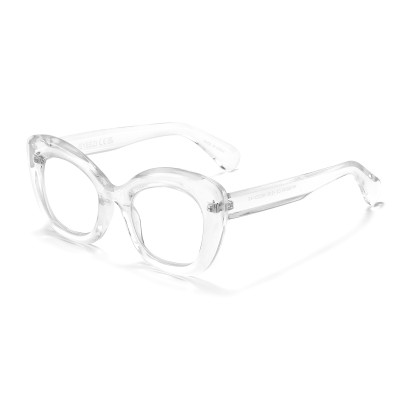
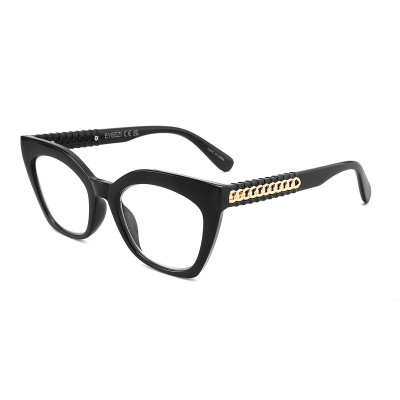
 Cat-eye
 Square
 Oval
Oval Rectangular
 Round
RoundHow to Start a Sunglasses Business in 2026: A Step-by-Step Guide for New Brands
Why the Sunglasses Market Is Still a Profitable Business Opportunity in 2026
Premiumization is reshaping the industry. Consumers increasingly view sunglasses as essential health devices rather than mere fashion accessories. The FDA classifies sunglasses as Class I medical devices under 21 CFR 886.5842, mandating impact‑resistant lenses and specific labeling standards. This regulatory framework creates barriers against low‑quality imports while offering a competitive edge to compliant manufacturers.
Demand is year‑round. While summer spikes, driving glare, travel, winter glare off snow and water, festival season, and gifting keep demand alive all year. In 2026, sunglasses in China alone are set to demonstrate a robust 17% rise in retail value sales, reflecting strong premiumization.
Sustainability is becoming decisive. Younger consumers increasingly factor sustainability commitments into purchase decisions. Leading producers are raising material standards through bio‑based acetate, recycled polymers, and transparent supply chains.
The opportunity is real. The question is not whether to enter the market — it is how to enter it strategically.
How to Start a Sunglasses Business: Choose the Right Business Model First
This is the decision most beginners get wrong. Pick your business model before anything else. Here are the three primary models for selling sunglasses in 2026:
Private Label vs Wholesale vs Dropshipping: Which Model Fits a New Sunglasses Business?
Dropshipping – Best for testing demand with zero inventory. No MOQ required. Startup cost is low ($0–$500). However, you have low control and low profit margins (20–40%). Quality control is limited, and you compete mainly on price.
Wholesale – Best for reselling existing brands. MOQ is low (20–100 units). Startup cost is low to medium ($500–$3,000). You get medium control and medium profit margins (30–50%). It is lower risk but also lower reward.
Private Label – Best for building a real brand with your own identity. MOQ typically ranges from 100 to 300+ per style. Startup cost is $3,000–$15,000+, but you gain high control and high profit margins (60–70%+). Private label means putting your brand on stock frames from a manufacturer. You control the branding, packaging, and customer experience — and you capture the margin. Many sellers target a 60–70% gross margin so ads and returns do not eat the profit. A private label launch typically includes MOQ commitments, custom packaging, branded photography, and advertising spend.
Our recommendation for 2026: If you are serious about building a brand, start with private label. Sunglasses reward people who treat them as a brand, not a commodity.
How to Design Your Sunglasses Line and Meet Labelling Requirements
Define Your Niche First
Before you design a single frame, define your target customer. What problem are you solving? Sports performance? UV protection for sensitive eyes? Affordable fashion for Gen Z? Your Unique Selling Proposition (USP) should be clear. In 2026, successful brands are differentiating through:
Sustainability – bio‑based materials, recycled packaging
Specialization – sports, blue light blocking, prescription compatibility
Aesthetic – a distinct design language that stands out
Price positioning – premium or value, not “middle of nowhere”
Frame Shapes, Materials, and Colors
Plan your frame shape range. Classic aviators, wayfarers, round, square, cat‑eye, and oversized all serve different customer segments. Develop a color strategy that aligns with your brand identity.
Material choices affect MOQ, mold cost, production lead time, and per‑unit pricing:
Injection‑molded plastic – lower cost, faster production; mold fees typically $1,000–$3,000 per design.
Acetate – premium feel, higher MOQ (typically 300+ pieces per design).
Metal – higher tooling costs but distinct aesthetic; tooling fees usually $300–$500 per design.
Labelling of Sunglasses: FDA, CE, and UV400 Markings Explained
This is where many new brands stumble. Compliance is not optional — it is the foundation of a legitimate business.
FDA Requirements (United States)
Under 21 CFR 801.410, sunglasses sold in the US must have impact‑resistant finished lenses. The common method is the drop‑ball test (a 5/8″ steel ball dropped from 50″) with documented sampling and records. Test results and descriptions of the test method must be kept for a period of 3 years.
Required labeling for the US market includes:
Product name (“Sunglasses”)
Manufacturer or importer name and address
Country of origin (e.g., “Made in China”)
UV protection claim (e.g., “UV400”)
Impact resistance documentation on file
Manufacturers must list each device with the FDA. All claims (e.g., “UV400”, “Polarized”) must be supported by test data.
CE Requirements (European Union)
For EU‑bound stock, sunglasses must carry CE marking backed by EN ISO 12312‑1 test reports and a Declaration of Conformity. The standard defines filter categories (0–4), UV and visible transmittance limits, optical power tolerances, and basic robustness.
Required CE labeling includes:
CE mark on product or packaging (legible, indelible, visible)
Manufacturer name and postal address (plus EU importer if applicable)
Filter Category (0–4) with appropriate warnings
“Category 4: Not for driving or road use” warning if applicable
Model ID / batch traceability
UV400 Claims
Any “UV400” claim must be supported by lab data. UV400 implies a high level of UVA and UVB protection — but the claim still needs to be true and supported by test data. Labs report percent transmittance over the UV band and confirm compliance to advertised UV400 (≤1% transmittance up to 400nm).
Testing Costs and Timeline
Independent testing for UV protection, polarization, transmittance, and mechanical durability typically costs $200–$1,000+ per test/report. Compiling a technical file with external testing typically takes 4–12 weeks depending on samples and lab queues.
Pro tip: Align your artwork to the actual test report before printing. Packaging claims that do not match test results are a common failure point.
How to Launch and Sell Your First Sunglasses Collection Online
Build an e‑commerce store with a professional look and clear branding.
Optimise for SEO – include keywords like “sunglasses”, “UV protection”, and niche terms. Start a blog on eye health and UV safety.
Influencer marketing – send samples to micro‑influencers, provide promo codes, plan 6–8 weeks ahead.
Short‑form video is the top driver in 2026 (over 99% of sales can come from video). Focus on pain points, use replicable templates, and target ads precisely.
Launch on the channel your audience uses, capture emails, and reinvest profits into winning styles while dropping underperformers.
Start Your Sunglasses Business with READSUN Private Label Manufacturing
READSUN Private Label Eyewear provides low MOQs, full OEM/ODM services, FDA/CE‑compliant production, custom branding and packaging, and sustainable materials (bio‑acetate, recycled polymers). Whether you are a first‑time brand or scaling up, READSUN offers the expertise to compete in 2026.
[Contact READSUN today] to begin your private label project.
Final Thoughts
The sunglasses market in 2026 is ripe for new brands – but you need a clear niche, proper compliance (FDA, CE, UV400), a verified manufacturer, and a smart video‑first marketing strategy. Build a brand, not a commodity, and you can capture the growing premium segment.
Ready? Reach out to READSUN and turn your vision into reality.