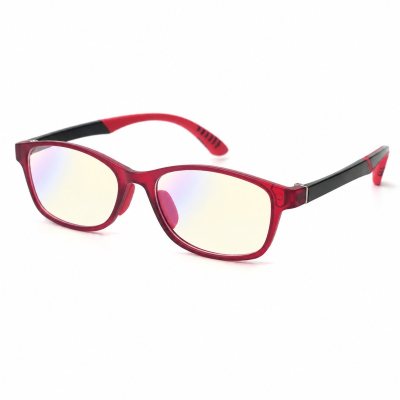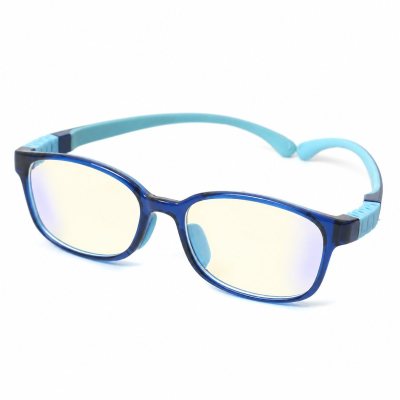
 Aviator
 Cat-eye
 Square
 Oval
 Rectangular
 Round
From Corrective Vision to Connected Living: The Transformative Journey of Optical Frames into the Smart Era
For centuries, optical frames have been indispensable tools, primarily serving to hold corrective lenses. Yet their role has always been dual-faceted: a practical necessity for improved vision and a powerful accessory that shapes personal identity and style. From the earliest riveted spectacles to today’s diverse designs, the fundamental purpose of the frame has remained constant—to provide clear sight. However, as technology advances, this definition is undergoing a profound transformation. This article explores how the classic optical frame is being redefined by the advent of smart glasses, and examines the delicate balance between aesthetic design, material innovation, and cutting-edge functionality. For B2B buyers, retailers, and optical brands, understanding this shift is essential. You can learn more about Readsun Optical as a China-based eyewear manufacturer. For centuries, optical frames have been indispensable tools. Their role has always been dual-faceted: a practical necessity for improved vision and a powerful accessory that shapes personal identity and style. From the earliest riveted spectacles to the diverse designs of today, the fundamental purpose of the frame has remained constant—to provide clear sight. However, as technology advances, this definition is undergoing a profound transformation. The evolution of optical frames has remarkably paralleled shifts in fashion and culture. Early frames were purely functional, often bulky and utilitarian. Over time, they embraced new materials and innovative designs, becoming symbols of status, intellect, or trendsetting. Today, optical frames are a vibrant category within the fashion industry, with designers pushing boundaries in shape, color, and texture. This aesthetic significance ensures that even as technology advances, the demand for stylish and well-crafted frames persists, influencing how smart eyewear must integrate its complexities. Traditional optical frames are a testament to meticulous craftsmanship, often made from a range of materials including acetate, metal alloys (like titanium or stainless steel), wood, and even exotic horn. Each material offers distinct properties in terms of weight, durability, flexibility, and hypoallergenic qualities. The design process balances ergonomics with aesthetics, ensuring comfort and a flattering fit. This foundational understanding of frame anatomy is crucial when considering the challenges and opportunities presented by technological integration. Achieving lightweight, comfortable, and durable smart frames requires pushing the boundaries of material science and manufacturing.
The most significant disruption to the optical frame industry comes from the emergence of smart glasses. Defined as wearable computers that incorporate displays and sensors into eyewear, smart glasses aim to add a digital layer to our perception of the world. Unlike traditional frames, they are equipped with microdisplays, cameras, microphones, speakers, and wireless connectivity, turning a simple pair of spectacles into a gateway for augmented reality (AR), communication, and hands-free computing. The primary challenge and ultimate goal for smart optical frames is the seamless integration of complex technology without sacrificing aesthetics or comfort. Early iterations of smart glasses were often bulky and conspicuous, hindering widespread adoption. However, continuous advancements are leading to more compact components and sophisticated design techniques that make the tech virtually invisible. The ideal smart frame mimics the form factor of conventional eyewear, allowing users to experience digital enhancements discreetly. For smart optical frames to truly enter the mainstream, they must overcome the inherent tension between integrating advanced technology and maintaining appeal as a fashion accessory. Leading brands like Ray-Ban Meta have demonstrated that style is a critical selling point, making fashionable designs a priority alongside technological advancements. The balance involves slim temple arms, carefully hidden cameras, and battery placement that doesn’t disrupt the overall aesthetic. Continued innovations in miniaturization are key to resolving this dilemma, promising smart frames that are indistinguishable from their traditional counterparts. The sophisticated capabilities of smart optical frames are powered by a suite of cutting-edge technologies: Tiny, high-resolution screens (often OLED or MicroLED) project digital information onto the wearer’s field of view, creating augmented reality overlays. Accelerometers, gyroscopes, magnetometers, and cameras track head movements, gestures, and the surrounding environment, enabling interactive experiences. Integrated speakers (including bone conduction technology) and microphones facilitate hands-free calls, music playback, and voice commands. Artificial intelligence powers features like real-time language translation, smart assistants, object recognition, and personalized recommendations, making the frames more intelligent and intuitive. Bluetooth and Wi-Fi ensure seamless pairing with smartphones and other devices, enabling data transfer and access to cloud services. The trajectory of optical frames points towards unparalleled personalization and advanced functionalities. Future frames are envisioned to seamlessly integrate prescription lenses, offer adaptive light filtering (similar to photochromic lenses but with more control), and provide real-time health monitoring (e.g., heart rate, posture, potential early detection of eye diseases). Their ability to connect with smart home devices, provide navigation cues, or even offer accessibility features for those with visual impairments will transform daily life. The goal is to create a truly context-aware and personalized computing experience directly within your field of vision.
The shift towards smart optical frames presents both significant challenges and vast opportunities for traditional eyewear manufacturers. Challenges include the high cost of integrating advanced tech, maintaining battery life within a small form factor, and overcoming consumer adoption hurdles. However, opportunities abound for those who can innovate. Collaborations between fashion houses and tech companies are already emerging, indicating a path forward. Manufacturers who can master the blend of traditional design expertise with cutting-edge technology will lead the market, creating versatile products that appeal to both tech enthusiasts and style-conscious consumers. As a professional optical frame manufacturer, Readsun Optical supports global B2B buyers with OEM/ODM, private label, and custom eyewear programs. We also offer wholesale frames in acetate, titanium, TR90, and metal. To discuss your project, contact our B2B team. When considering the next generation of optical frames, whether smart or traditional, several factors become paramount. Beyond personal style and comfort, prospective buyers of smart frames should evaluate battery life, the type of display technology (if AR is a priority), the range of integrated smart features (e.g., audio, camera, AI assistant), and compatibility with existing devices. The ability to integrate prescription lenses is also a crucial consideration for many. As the market matures, expect more diverse options that cater to specific needs and preferences. The optical frame, once a simple holder for lenses, is now at the forefront of wearable technology. Its journey from a functional necessity to a fashion statement and now to an intelligent, connected device reflects a broader trend of technology seamlessly integrating into daily life. The future promises frames that are not only stylish and comfortable but also incredibly powerful, offering unprecedented levels of information and interaction. The lines between a traditional optical frame and a sophisticated smart device are rapidly blurring, heralding an exciting era where eyesight and digital insight converge into one elegant form factor. Smart optical frames are eyewear that integrate displays, sensors, audio, and connectivity into traditional frame designs. They can offer AR overlays, hands-free calls, and health monitoring. Not entirely. Traditional frames will remain popular for fashion and basic vision correction. Smart frames will grow as a premium category for tech-savvy users and specific professional applications. Work with a reliable manufacturer like Readsun Optical. We offer OEM/ODM, private label, low MOQs, and global export. Contact us to get started.From Corrective Vision to Connected Living: The Transformative Journey of Optical Frames into the Smart Era
The Enduring Legacy of Optical Frames
More Than Just Vision Correction: Frames as a Style Statement
The Anatomy of a Frame: Materials and Craftsmanship

A New Era: The Dawn of Smart Glasses
Seamless Integration: When Tech Becomes Invisible
Transitioning from Traditional to Smart
Feature
Traditional Optical Frames
Smart Optical Frames (Future)
Primary Function
Vision Correction, Fashion
Vision Correction, Information Overlay, Connectivity
Key Components
Lenses, Frames, Hinges, Nose Pads
Microdisplays, Sensors, Processors, Battery, Speakers, Microphones, Antennas
Power Source
None
Rechargeable Battery
Interaction
Manual Adjustment
Voice Control, Gesture, Eye-Tracking, App
Connectivity
None
Bluetooth, Wi-Fi, 5G
Weight & Bulk
Typically Lightweight
Historically Heavier, Trending Lighter
The Design Dilemma: Fashion vs. Function in Smart Frames
Key Technologies Driving Smart Optical Frames
Microdisplays
Sensors
Audio Solutions
AI Integration
Connectivity
The Future Frame: Personalization and Advanced Capabilities

Challenges and Opportunities for Optical Frame Manufacturers
Choosing Your Future Frame: What to Look For
Conclusion: The Blurring Lines of Form and Function
FAQ
What are smart optical frames?
Will smart glasses replace traditional optical frames?
How can B2B buyers source custom optical frames?