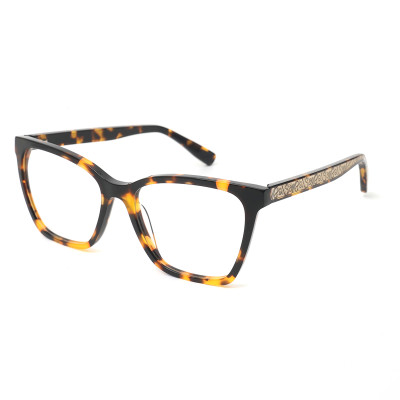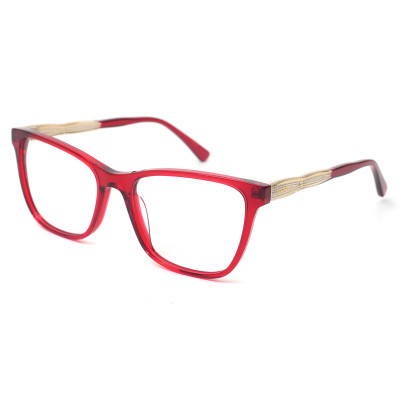
 Aviator
 Cat-eye
 Square
 Oval
Oval Rectangular
 Round
RoundEyewear Made in Italy vs China: Which is Better for Your Business?
As eyewear becomes a pivotal accessory, blending essential functionality with personal style, businesses face a crucial decision: where should we manufacture our eyeglasses frames? The global eyewear industry is largely defined by two manufacturing powerhouses: Italy, highly regarded for luxury and artisanal craftsmanship, and China, known for its extensive scale and cost-efficiency. This choice is not about finding a single "best" option, but about making a strategic decision that aligns with your brand.
This blog post will delve into the unique propositions of each region, helping you determine which is better suited for your wholesale optical frame needs. We will critically analyze the nuances of "Made in Italy" versus the powerhouse ecosystem of China, whether you're aiming for exquisite reading glasses frame designs or broad market appeal. The goal is to match the right country to your brand's strategy, ambition, and supply chain priorities.
Key Takeaways
| Feature | Eyewear Made in Italy | Eyewear Made in China |
|---|---|---|
| Primary Strength | Heritage, luxury perception, artisanal craftsmanship. | Scale, speed, cost-efficiency, and unparalleled supply chain integration. |
| Best For | High-end boutique or luxury brands where the "Made in Italy" story justifies a premium price point. | Private label brands, new collections, scaling independent brands, and anyone needing a balance of quality and margin. |
| Cost Structure | High. A frame that costs $8-$35 to produce in China can be 3-5 times more expensive in Italy due to higher labor costs, overheads, and the premium of the label itself. | Low to medium. The integrated ecosystem of suppliers for components like hinges, acetate, and lenses keeps costs down. |
| Production Model | Small-batch production, often involving hand-finishing and specialized techniques. Lead times are longer, and Minimum Order Quantities (MOQs) are high. | Mass production and volume scalability. Factories are optimized for OEM/ODM and private label, offering flexible MOQs and fast turnaround times. |
| Supply Chain | Relies on legacy workshops and specialized material suppliers, which contributes to its prestige but can slow down production. | A deeply integrated and mature ecosystem where mold makers, acetate suppliers, and plating plants are often within hours of each other. |
| Quality Perception | The "Made in Italy" tag is a powerful marketing tool synonymous with superior design and quality. | The quality perception is evolving rapidly. High-tech Chinese factories now produce world-class eyewear, and quality is more dependent on the specific factory than the country. |
| Innovation & Flexibility | Strong in design and material artistry, particularly with premium acetates from companies like Mazzucchelli. | Unmatched flexibility for customization (custom logos, shapes, packaging) and rapid iteration on new designs. Many factories have in-house design teams. |
Ultimately, the assumption that "Made in Italy" automatically means better quality is outdated; it simply means a different business and production model. China's manufacturing landscape has matured, offering exceptional quality for brands that know how to vet and manage their partners. For most growing eyewear brands in the US and EU, sourcing from China provides the speed, flexibility, and cost structure needed to compete and scale effectively. The country of origin matters less to the end consumer than the brand story, design, and perceived value you deliver.
Deciphering Your Specific Eyeglasses Frames Requirements: Styles, Function, and Material Choices
Before you can decide where to manufacture, you must first define what you are manufacturing. The success of your eyewear line hinges on a clear understanding of your target market's needs and desires. This involves making strategic decisions about the styles you will offer, the functions your frames will serve, and the materials you will use. These foundational choices will heavily influence which manufacturing region is the best fit for your brand, as each excels in different areas.
Exploring Diverse Eyewear Styles: From Prescription to Fashion-Forward and Sport-Specific Options
The world of eyewear is incredibly diverse, catering to a wide spectrum of needs that go far beyond simple vision correction. For your business, this means identifying a niche or a combination of styles that resonates with your target customer. An estimated 64% of adults wear some form of glasses, ranging from those who see them as a purely functional tool to those who treat them as a high-fashion accessory. Your product strategy should reflect this diversity.
1. Prescription (Ophthalmic) Frames: This is the foundational category. These frames are designed to hold corrective lenses and must prioritize comfort, durability, and fit for all-day wear. The design must accommodate different lens thicknesses and types. Classic shapes like rectangular, oval, and round frames remain popular for their universal appeal and professional aesthetic. Rectangular frames, for instance, are known to project a sense of authority and are excellent for adding structure to rounder face shapes.
2. Fashion-Forward and Style-Centric Frames: Eyewear is a powerful tool for personal branding. Chunky, oversized frames can signal confidence and creativity, while thin, minimalist wire frames suggest a more classic, reliable personality. This category is driven by trends, which for 2026 include a blend of retro-inspired shapes like cat-eyes and modern, architectural geometric designs (hexagonal, octagonal). Color also plays a crucial role, with "new neutrals" like dusty rose, sage, and sand offering a subtle yet sophisticated alternative to traditional black or tortoiseshell. When developing fashion frames, consider your customer's identity. Are they a creative professional seeking a bold statement piece or someone looking for a timeless, elegant accessory?
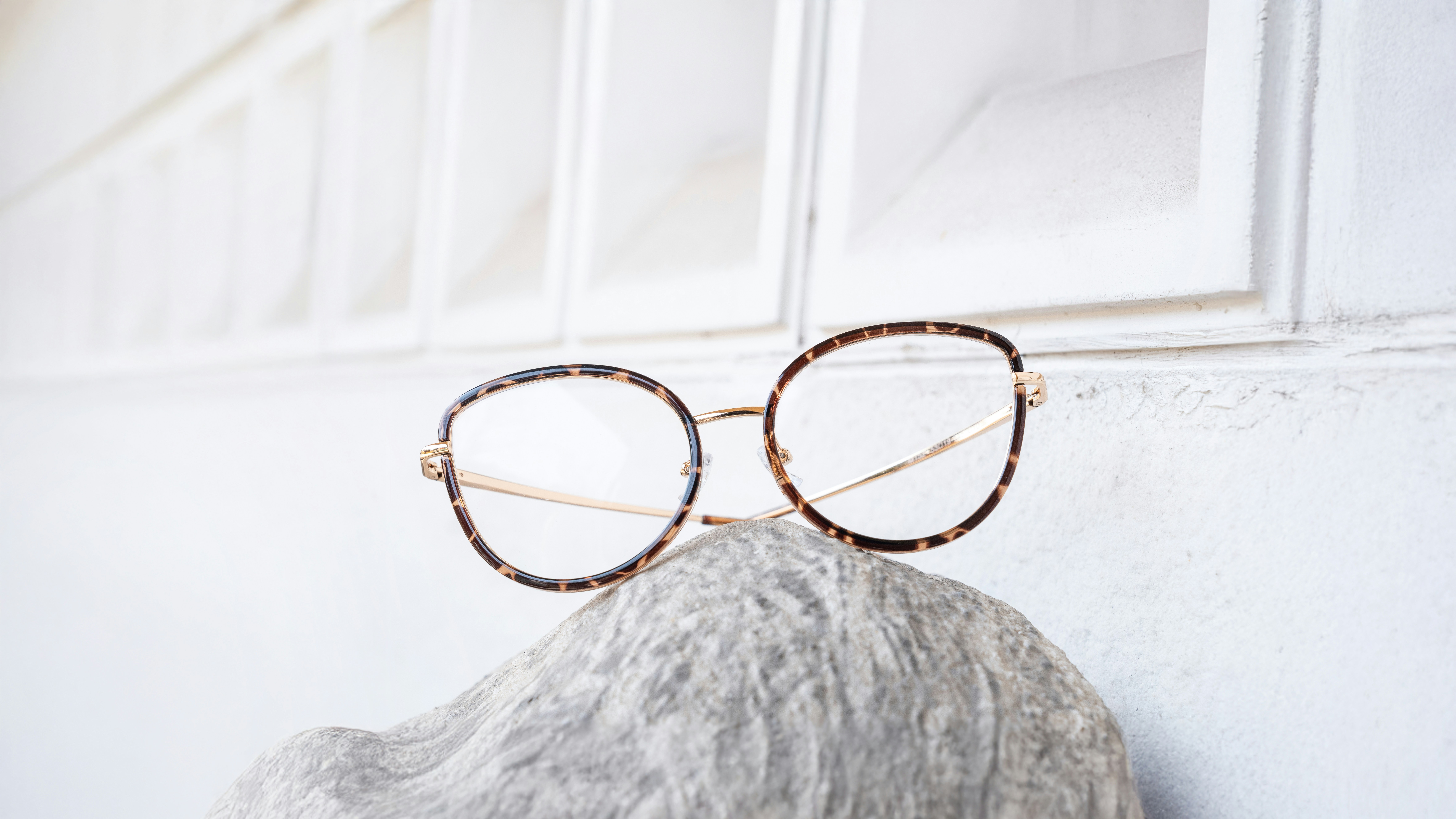
3. Sport-Specific and Performance Eyewear: This segment prioritizes function and technology over fashion trends. Athletes and active individuals require frames that offer durability, a secure fit during intense movement, and enhanced protection. Key features include:
- Wraparound designs for maximum peripheral vision and coverage.
- Lightweight yet robust materials that can withstand impact.
- Specialized components like rubberized nose pads and temple tips for a non-slip grip.
- Lens technology optimized for specific environments, such as polarized lenses for reducing glare on water or contrast-enhancing lenses for golf.
Each of these categories requires a different approach to design and manufacturing. A line of high-fashion acetate frames has vastly different production needs than a collection of durable, injection-molded sports glasses. Defining your focus is the first step toward finding the right manufacturing partner.
Critical Consideration of Materials for Your Wholesale Optical Frame Collection: Durability, Aesthetics, and Cost
The material of an eyeglass frame is its soul. It dictates the frame's durability, weight, comfort, aesthetic possibilities, and, critically, its final cost. Your choice of material should be a strategic decision that aligns with your brand's target market and price point. For instance, brands competing with designer labels will likely favor acetate for its rich color possibilities, while a brand focused on activewear may choose TR-90 for its flexibility and lightness.
Here is a comprehensive breakdown of the most common materials used in wholesale optical frame manufacturing:
| Material | Key Characteristics | Best For | Durability | Aesthetics | Cost |
|---|---|---|---|---|---|
| Cellulose Acetate | Plant-based plastic known for its rich, deep colors and patterns. Hypoallergenic, lightweight, and strong. Premium versions like Mazzucchelli are the industry benchmark. | Fashion-forward, luxury, and boutique brands seeking unique, artistic designs. | Good to Excellent. Can become brittle with age or extreme sun exposure. | Excellent. Unmatched color depth, layering, and vibrant patterns are possible. | Medium to High |
| Titanium | Premium metal that is exceptionally strong, durable, lightweight, and corrosion-resistant. Hypoallergenic. | High-end optical, minimalist designs, and executive eyewear where performance and comfort justify a premium price. | Excellent. Resists bending and corrosion, making it perfect for long-term wear. | Excellent. Offers a sleek, modern, and sophisticated look. | High |
| Stainless Steel | A lower-cost alternative to titanium. It's lightweight, strong, and corrosion-resistant. Often used in thin, minimalist frames. | Mid-range optical and fashion lines looking for a sleek, metallic look without the high cost of titanium. | Very Good. Durable and holds its shape well. | Good. Provides a clean, minimalist aesthetic. Color options are usually applied as a coating. | Medium |
| TR-90 (Thermoplastic) | A Swiss-developed "memory plastic." It's incredibly flexible, lightweight, and impact-resistant. Frames are made via injection molding. | Sports eyewear, children's glasses, and budget-conscious collections that prioritize durability and comfort. | Excellent. Can bend under pressure without breaking and returns to its original shape. | Fair to Good. Typically available in solid matte or glossy colors; lacks the depth of acetate. | Low |
| Eco-Friendly Materials | Includes bio-acetate (using plant-based plasticizers), recycled metals, sustainably sourced wood (like bamboo), and recycled plastics. | Brands with a focus on sustainability and appealing to environmentally conscious consumers. | Varies. Bio-acetates and recycled metals offer good durability. Wood can be more delicate. | Good to Excellent. Wood offers a unique, natural aesthetic. Bio-acetate can achieve rich colors. | Medium to High |
| Injection Plastic (Nylon, Polycarbonate) | Lowest-cost materials, produced quickly in high volumes. Nylon is flexible; polycarbonate is highly impact-resistant. | Budget sunglasses, safety glasses, and mass-market disposable fashion items. | Fair. Can become brittle over time and may not hold adjustments well. | Fair. Colors can look flat, and finishes may scratch easily. Lacks a premium feel. | Very Low |
A Deeper Look at Key Materials:
- Mazzucchelli Acetate: This isn't just any acetate; it's the gold standard. Produced by a family company in Italy since 1849, Mazzucchelli acetate is renowned for its exceptional color depth, silky feel, and durability. The aestehtic quality comes from a complex layering process that creates three-dimensional patterns, making it a favorite for virtually every major luxury eyewear brand. It's made from natural sources like cotton and wood pulp, making it a high-quality, plant-based polymer.
- Titanium: If your brand stands for technical precision and ultimate comfort, titanium is a top choice. It's about half the weight of stainless steel but significantly stronger. Its hypoallergenic nature makes it ideal for wearers with skin sensitivities.
- TR-90 vs. Acetate: The choice between these two often defines a brand's position. Acetate is for fashion and style, allowing for artistic expression. TR-90 is for performance and practicality; it is about 35% lighter than acetate and its "memory" quality makes it nearly indestructible, perfect for a child's first pair of glasses or for an athlete.
Your material choice is a direct reflection of your brand's promise. A luxury brand cannot use low-grade injection plastic, and a value-focused brand would struggle to justify the cost of pure titanium. Understanding these trade-offs is essential before approaching a manufacturer.
Italy's Enduring Legacy in Luxury Reading Glasses Frame and High-End Optical Frame Production
For centuries, "Made in Italy" has been more than just a label of origin; it's a globally recognized symbol of superior quality, impeccable design, and artisanal heritage. In the eyewear industry, this legacy is particularly potent. Italian manufacturing is not about mass production; it's about craftsmanship, precision, and an emotional connection to the product. For a business looking to position itself in the premium or luxury segment, partnering with an Italian manufacturer offers an undeniable market advantage and a compelling brand story that resonates with discerning consumers.
The Artisanal Craftsmanship and Rich Heritage Behind Italian "Made in Italy" Eyeglasses Frames
The heart of Italian eyewear production beats in the Belluno district, nestled in the Veneto region of Northern Italy. This area, surrounded by the Dolomite mountains, is recognized as the cradle of the Italian eyewear industry. The story began as far back as 1878 when Angelo Frescura established the first workshop for eyeglass frames in Calalzo di Cadore, driven by a desire for Italy to cease importing frames and instead become a leader in their creation. This humble beginning sparked the development of a unique industrial ecosystem.
What distinguishes Italian manufacturing is the deeply ingrained culture of craftsmanship. Unlike mass production, where speed and volume are the primary goals, Italian workshops focus on precision, detail, and quality. A single frame can take weeks to complete, passing through numerous skilled hands at critical stages. This process often includes:
- Artisanal Material Selection: Italian makers are renowned for using superior raw materials, most notably premium cellulose acetate from Mazzucchelli 1849. Founded in 1849, this sixth-generation family business produces a plant-based acetate derived from cotton and wood pulp, prized for its incredible depth of color, durability, and rich, polished finish. Choosing this material is a deliberate act of quality.
- Hand-Finishing and Polishing: A key differentiator is the extensive hand-polishing process. Frames are often tumbled in barrels of wood chips for days to smooth rough edges before being buffed and polished by hand. This meticulous work gives the acetate its signature deep luster and warm feel—a quality unattainable through purely automated processes.
- Generational Expertise: The skills required for this level of craftsmanship have been passed down through generations. This continuity has created an environment where traditional techniques are preserved while being refined with modern tools, ensuring each frame is not just a product, but a piece of heritage.
This commitment to process means that when you hold a frame genuinely handcrafted in Italy, you can feel the difference in the balance, the smoothness of the hinge, and the seamless finish—details that a machine might miss.
Elevating Your Brand: The Perception and Market Value of Italian Wholesale Optical Frame Products
Aligning your brand with "Made in Italy" provides a powerful marketing narrative that instantly communicates luxury, quality, and sophistication. This is not merely a perception; it is a tangible asset that translates into higher market value and increased brand equity. Consumers worldwide associate Italian products with superior design and craftsmanship, and this positive halo effect extends directly to eyewear.
The Commercial Power of "Made in Italy":
- Willingness to Pay a Premium: Research consistently shows that consumers are willing to pay more for Italian-made goods. A study by Pulse Advertising revealed that 74% of American and British consumers are prepared to pay a premium for a product from Italy, with the fashion and clothing sector leading this trend. For an eyewear business, this means the ability to command a higher retail price, leading to healthier profit margins.
- Instant Brand Differentiation: In a crowded marketplace, the "Made in Italy" label is an immediate differentiator. It separates your products from mass-produced alternatives and places your brand in a premium category. This is especially valuable for new and boutique brands looking to establish credibility and attract a discerning clientele. Heritage brands like L.G.R leverage their handmade Italian craft to solidify their position in the premium sun and lifestyle market.
- A Story of Authenticity and Trust: Today's consumers are increasingly interested in the story behind their products. Italian manufacturing offers a compelling narrative of generational expertise, authentic artistry, and a commitment to quality. This story builds trust and creates an emotional connection with the consumer, turning a simple purchase into an investment in craftsmanship.
By choosing to source wholesale optical frames from Italy, you are not just buying a product; you are investing in a reputation that has been meticulously built over centuries. This allows you to build a brand that is perceived as more valuable, trustworthy, and desirable. The label itself becomes a key selling point, justifying the premium price and reinforcing your brand's commitment to excellence.
Navigating the Dynamics of China's Manufacturing Powerhouse for Your Wholesale Optical Frame Business
While Italy commands the luxury narrative, China represents the undisputed engine of the global eyewear industry. For decades, China has built a reputation for massive scale and cost-effectiveness. However, the modern Chinese manufacturing landscape is far more sophisticated than the outdated stereotype of "cheap and low-quality" suggests. Today, China is a complete eyewear ecosystem, offering a powerful combination of speed, boundless customization, and increasingly high quality. For businesses aiming for scalability, market responsiveness, and a competitive price point, China presents an unparalleled strategic advantage.
Capitalizing on Volume Production and Cost-Efficiency for Diverse Eyeglasses Frames
The foremost advantage of manufacturing in China is the immense scale and resulting cost-efficiency. China is not just a country with factories; it is a meticulously developed manufacturing ecosystem that produces an estimated 70% of the world's eyewear. For businesses looking to produce large volumes, launch diverse collections, or compete on price without catastrophically compromising on quality, China's capabilities are unmatched.
The Pillars of China's Manufacturing Dominance:
- Massive Production Capacity: China's eyewear industry is concentrated in several key industrial clusters, each a powerhouse in its own right. Wenzhou, for example, is home to over 1,000 eyewear manufacturers and is known for its high-volume production of metal and optical frames. Shenzhen is a hub for medium to high-end brands, producing over 125 million pairs annually, many for globally recognized luxury names. Danyang is the world's largest lens production base, producing 400 million lenses annually, which is about 40% of the global supply. This immense, specialized capacity allows for the rapid production of massive orders.
- Unbeatable Cost Structure: The cost to manufacture eyewear in China is significantly lower than in Europe. This advantage comes from several factors: competitive labor costs, lower raw material expenses due to a localized supply chain, and efficiencies gained from economies of scale. Direct purchasing from Chinese manufacturers allows businesses to bypass distributor markups, dramatically improving profit margins.
- Integrated Supply Chain: The key to China's efficiency is its deeply integrated supply chain. In regions like Shenzhen and Wenzhou, factories for frames, lenses, hinges, screws, and even packaging are located in close proximity. This tight-knit network reduces transportation costs, shortens lead times, and allows for incredible agility in production. If a component needs to be changed or a new material sourced, it can often be done within days, not weeks.
- Product and Customization Diversity: Chinese manufacturers offer a staggering variety of products, from high-end titanium and acetate frames to budget-friendly injection-molded sunglasses. They are highly adept at OEM (Original Equipment Manufacturer) and ODM (Original Design Manufacturer) production, offering extensive customization options like custom frame colors, logo printing, and unique packaging. This makes China the ideal partner for private label brands aiming to build a unique product portfolio.
For brands that need to be agile, react to fast-fashion trends, or provide a wide assortment of styles at accessible price points, China's manufacturing engine provides the necessary speed, scale, and cost structure to succeed.
Strategically Vetting Partners and Ensuring Uncompromising Quality for Your Reading Glasses Frame Orders
Successfully sourcing from China hinges on one critical factor: your ability to identify and partner with the right manufacturer. The notion that "Made in China" equates to a single standard of quality is a dangerous misconception. The reality is that quality varies dramatically from one factory to another. A well-run Chinese factory can produce frames that are indistinguishable from European luxury goods, while a poorly managed one can lead to costly defects and delays. Therefore, a rigorous vetting and quality control strategy is not just recommended; it is essential.
A Step-by-Step Guide to Vetting and Quality Assurance:
Thorough Supplier Vetting:
- Go Beyond Online Profiles: While platforms like Alibaba are useful for initial discovery, do not rely solely on their digital profiles. Many premier manufacturers are not active on these platforms and instead serve long-term clients through their own websites.
- Verify Certifications: Request and verify key certifications. For international markets, this includes ISO 9001 (for quality management systems), CE (for Europe), and FDA registration (for the US). Also inquire about social compliance audits like BSCI or SEDEX, which are often required by major retailers. Fake certificates exist, so cross-reference where possible.
- Assess Factory Scale and Capabilities: Ask direct questions about their operations. Do they manage key processes like polishing and assembly in-house? What is their monthly output capacity? A reliable factory should be willing to provide a video tour or even a live walk-through of their facility.
- Check Their Client List: Ask for references or a list of brands they have worked with. A manufacturer that produces for established international brands is a good sign of their quality and reliability.
Implement a Robust Quality Control (QC) Process:
- Define Clear Specifications: Provide your manufacturer with a detailed technical packet for each frame style. This should include precise dimensions, material types, specific color codes (e.g., Pantone numbers), logo placement, and hinge specifications. The more detailed your instructions, the less room there is for error.
- Multi-Stage Inspections: Quality control should not be a single event at the end of production. It must be an ongoing process.
- Raw Material Inspection: Before production begins, all incoming materials (acetate sheets, metal components, lenses) should be inspected to ensure they match the approved samples and specifications.
- In-Process Inspection: Monitor production at key stages. Check for issues like frame warping, uneven polishing, and correct hinge alignment as the frames are being made.
- Final Pre-Shipment Inspection: This is the most crucial step. Before you approve final payment and shipment, a comprehensive inspection of the finished goods must be performed. It is highly recommended to hire a third-party inspection company based in China for this task. They can conduct an unbiased random sampling based on AQL (Acceptable Quality Limit) standards.
- AQL Standards: The AQL is a statistical method for determining the maximum number of defective units acceptable in a random sample. For general consumer goods like eyewear, an AQL of 2.5 is common. This means that if more than a certain number of "major" defects are found in the sample, the entire batch can be rejected.
Start Small and Communicate Clearly:
- Place a Trial Order: Before committing to a large volume order, start with a smaller trial run. This allows you to test the manufacturer's product quality, communication, and reliability firsthand.
- Evaluate Communication: A good partner values long-term relationships. Assess their responsiveness. Do they reply to inquiries within 24 hours? Are they proactive in addressing potential issues? Clear, consistent communication is a strong indicator of a professional operation.
By treating supplier selection and quality control as core strategic functions, you can mitigate the risks of manufacturing in China and leverage its immense capabilities to produce high-quality, profitable eyewear collections.
The Comprehensive End-to-End Journey of Bringing Your Unique Eyeglasses Frames to Market
Regardless of whether you choose the artisanal workshops of Italy or the high-volume factories of China, the journey from a simple idea to a market-ready eyewear collection follows a universal and structured path. This end-to-end process is a blend of creative design and rigorous technical execution. Understanding each stage is crucial for any brand owner, as it empowers you to manage your manufacturing partners effectively, control quality at every step, and ensure the final product perfectly embodies your brand's vision. This journey requires meticulous planning, clear communication, and a relentless focus on both aesthetics and functionality.
From Initial Sketch to Technical Specifications: The Design Process for Innovative Reading Glasses Frame
The creation of a new eyewear frame is a meticulous process that transforms a spark of inspiration into a tangible, high-quality product. This journey typically spans several weeks and involves close collaboration between designers and engineers to ensure the final frame is both beautiful and functional.
Phase 1: Inspiration and Concept (The Mood Board) Every great design starts with an idea. This initial stage involves gathering inspiration from a wide range of sources: architectural lines, vintage fashion, natural textures, or the latest art and design trends. These ideas are compiled into mood boards—visual collages that establish the collection's aesthetic direction, including target shapes, color palettes, and overall feel.
Phase 2: Sketching and 2D Design Designers translate the mood board into initial concepts, sketching the first paper drawings of the frames. In this stage, key design elements are debated and refined, such as decorative features, material combinations, and color schemes. The most promising sketches are selected and then digitized into 2D vector graphics, often using software like Adobe Illustrator.
Phase 3: CAD and the Technical Packet (Tech Pack) This is where art meets engineering. The 2D sketches are turned into precise 3D CAD (Computer-Aided Design) models. These digital blueprints are critical for defining the frame's technical specifications with absolute precision. This process includes:
- Ergonomic Calibration: Adjusting key measurements like bridge width, temple length, and pantoscopic tilt to ensure a comfortable fit for the target demographic (e.g., standard fit vs. Asian fit).
- Component Engineering: Defining the exact placement and dimensions for hinges, screws, and the bevel groove where the lens sits.
- Material Mapping: Specifying the precise thickness of acetate or the diameter of metal wires.
All of this information is compiled into a "tech pack." This document is the definitive guide for the manufacturer, containing every measurement, material, color, and construction detail required to produce the frame. A detailed tech pack is essential for minimizing errors and ensuring the factory's output matches the designer's intent.

Phase 4: Prototyping (The First Physical Sample) Before committing to the high cost of mass production tooling, a physical prototype (or "hand-made sample") is created. A skilled artisan, whether in Italy or China, will use the tech pack to craft a single, wearable sample from the specified materials. This process, which can take around 15 days, is invaluable. It allows the brand to:
- Test the real-world fit and comfort.
- Verify colors and material finishes under different lighting conditions.
- Make final adjustments to the design before it's locked in for bulk production.
This iterative process of design, technical specification, and prototyping is fundamental to developing innovative and successful reading glasses frames that stand out in the market.
The Imperative of Strategic Sourcing and Rigorous Quality Control in Wholesale Optical Frame Manufacturing
Strategic sourcing and quality control are the twin pillars that support a successful eyewear brand, regardless of the manufacturing region. This is not a passive step but an active, ongoing process of partner selection, management, and product verification. A minor defect in a frame's alignment or an imperfection in a lens can damage customer trust and your brand's reputation. Therefore, establishing a robust framework for sourcing and QC is non-negotiable for anyone in the wholesale optical frame business.
Strategic Sourcing: Finding the Right Partner The journey begins with identifying a manufacturing partner that aligns with your brand's specific needs in terms of quality, volume, and capability.
- Factory Audits: Before committing to any supplier, a factory audit is essential. This is a systematic evaluation of a manufacturing facility to assess everything from their production capacity and quality management systems (like ISO 9001) to their adherence to labor and environmental standards. An audit provides a clear picture of a supplier's professionalism and reliability.
- Evaluating Capabilities: Ensure the factory has the specific expertise and equipment for your product. For example, if you are producing high-end titanium frames, you need a partner with proven experience and the right CNC machinery, not a factory that primarily produces injection-molded plastic.
- Supply Chain Transparency: A good partner should be transparent about their own supply chain. Where do they source their raw materials, like acetate or metal? Having a diversified network of certified material suppliers is a sign of a resilient and reliable operation. This helps mitigate risks from material shortages or price fluctuations.
Rigorous Quality Control (QC): A Multi-Stage Process Quality is not just checked at the end; it's built into every stage of production. A comprehensive QC process is the backbone of manufacturing.
- Raw Material Inspection: The process starts before the first frame is cut. All incoming materials—be it blocks of acetate, sheets of metal, or lenses—must be inspected to verify they meet the agreed-upon standards for color, durability, and a lack of defects.
- In-Process Quality Control (IPQC): Quality checkpoints must be integrated throughout the assembly line. This involves monitoring critical steps like frame shaping, polishing, hinge installation, and lens fitting in real-time. Catching a defect early, such as a misaligned frame or a loose hinge, prevents an entire batch from being compromised.
- Final Pre-Shipment Inspection (PSI): This is your final line of defense. When at least 80% of the order is completed and packaged, a third-party inspector should perform a random sampling based on AQL standards. This inspection involves a comprehensive checklist:
- Visual and Cosmetic Checks: Looking for scratches, blemishes, or inconsistencies in color and finish.
- Functional Tests: Stress-testing frames, checking hinge durability, and verifying nose pad comfort.
- Dimensional Accuracy: Comparing the final products against the technical specifications in the tech pack to ensure a perfect match.
- Packaging and Labeling: Ensuring that products are correctly labeled with SKUs and barcodes and are packed securely to prevent damage during transit.
By investing time and resources into strategic sourcing and a multi-layered quality control system, you transform manufacturing from a potential liability into a core competitive advantage, ensuring every frame that reaches your customer is a testament to your brand's commitment to quality.
Frequently Asked Questions (FAQ)
1. Is "Made in Italy" always better quality than "Made in China"? Not necessarily. While "Made in Italy" carries a strong reputation for luxury and artisanal craftsmanship, the quality of an eyewear frame depends more on the specific factory, the materials used, and the quality control processes in place. A top-tier Chinese factory using premium materials and rigorous QC can produce eyewear that is equal to or even superior to that from a lower-end Italian workshop. Today, many high-end Chinese manufacturers in regions like Shenzhen produce for world-renowned luxury brands, highlighting their advanced capabilities. The key takeaway is that quality is determined by the manufacturer, not just the country of origin.
2. How much cheaper is it to manufacture eyewear in China? The cost difference can be substantial. Generally, manufacturing eyeglasses in China can be 3 to 5 times cheaper than in Italy. This is due to a combination of factors, including lower labor costs, a highly efficient and integrated local supply chain for raw materials and components, and economies of scale from mass production. While the initial "sticker price" is lower, businesses must also factor in costs for shipping, import duties, and, crucially, third-party quality control inspections, which are essential for ensuring a high-quality final product.
3. What are the typical lead times for manufacturing in Italy vs. China? Lead times are significantly different between the two regions.
- China: Known for speed and efficiency, Chinese manufacturers typically offer faster turnaround times. A custom order, from design finalization to mass production, might take approximately 90-120 days, broken down into stages like CAD design (7 days), prototyping (15 days), mold-making (25 days), and mass production (45-60 days). However, for repeat orders or stock items, lead times can be as short as a few weeks.
- Italy: The focus on artisanal, small-batch production means lead times are generally longer. The intricate processes of hand-finishing and polishing take more time. It is not uncommon for production to take 4 to 6 months, especially for new custom designs involving specialized materials.
4. Can I get innovative and high-quality designs from Chinese manufacturers? Absolutely. The idea that Chinese factories only replicate existing designs is outdated. Many leading manufacturers now have sophisticated in-house design and R&D teams that collaborate with brands to develop innovative products. They are adept at working with a wide range of materials, including high-quality acetates, titanium, and sustainable options. Furthermore, their expertise in advanced manufacturing techniques like intricate metal engraving, complex acetate lamination, and smart eyewear integration often surpasses what is available elsewhere, providing brands with extensive opportunities for design innovation. The key is to partner with a manufacturer that has a proven track record in OEM/ODM (Original Equipment/Design Manufacturer) development.
5. What is the biggest mistake businesses make when sourcing from either country? The biggest mistake is a lack of due diligence. For Italy, it's assuming the "Made in Italy" label alone guarantees success without understanding the high costs and long lead times, which may not fit the business model. For China, the biggest mistake is choosing a supplier based solely on the lowest price, which almost inevitably leads to quality problems. Regardless of the country, failing to conduct thorough factory audits, implement a multi-stage quality control process, and establish clear, detailed contracts and tech packs is a recipe for disaster. Success in eyewear manufacturing hinges on finding the right partner for your specific brand and actively managing the relationship and production process.
Conclusion
Ultimately, the decision between Italian and Chinese manufacturing for your wholesale optical frame business boils down to your brand's core values, target market, and strategic goals. Both regions offer distinct, valuable advantages. Italy provides an unparalleled narrative of luxury, heritage, and artisanal craftsmanship that can justify a premium price point and build immense brand equity. China, on the other hand, offers an unmatched ecosystem of scalability, speed, and cost-efficiency, making it the ideal partner for brands focused on market agility, diverse assortments, and competitive pricing.
Whether you prioritize the handcrafted legacy of Italian-made eyeglasses frames or the cost-effective, high-volume production capabilities found in China for your reading glasses frame collection, understanding the intricacies of each region is paramount. The modern global supply chain is complex, and the lines are often blurred; quality is now defined by the specific factory and its processes rather than just a country's flag.
My advice is to thoroughly assess your business requirements. Define your target customer, your desired price point, and your brand's story. From there, conduct rigorous due diligence on potential partners in either region. Do not be swayed by stereotypes; instead, focus on verified certifications, factory audits, and robust quality control systems. By making an informed, strategic choice, you can ensure your eyewear manufacturing journey is successful and perfectly aligned with your brand's vision.