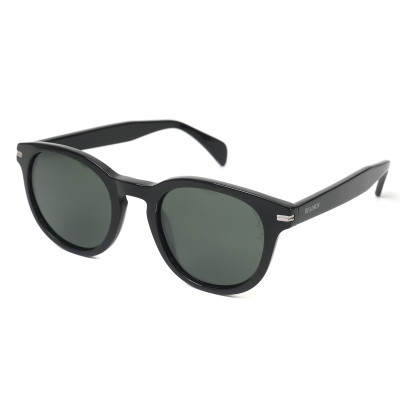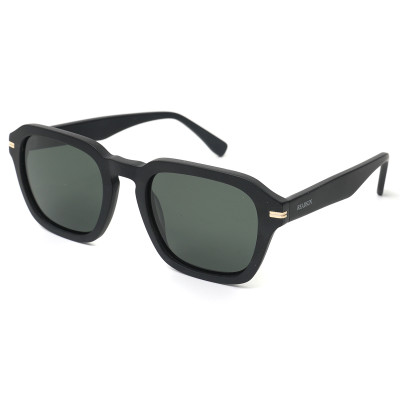
 Aviator
 Cat-eye
 Square
 Oval
Oval Rectangular
 Round
RoundCustom Sunglasses Manufacturing: A Factory Sourcing Guide for Brands
As brands, we know eyewear is more than just a tool for vision; it's a vital part of personal style and identity. Whether we're launching a new venture or expanding an existing product line, venturing into custom eyewear manufacturing—especially for diverse demographics like women's, lady, and unisex optical frames—demands a strategic approach. The journey from a design concept to a market-ready product is complex, involving critical decisions about materials, manufacturing processes, and supply chain partners. A successful eyewear line hinges on balancing aesthetics, structure, and optical technicalities.
This guide is crafted to help brands like ours navigate the complexities of factory sourcing for custom sunglasses and optical frames. We'll explore the critical decisions, from choosing materials to ensuring compliance, all while keeping a keen eye on the wholesale buying process and how to make informed choices that benefit our brand. Understanding the nuances of sourcing, whether through Original Equipment Manufacturer (OEM) or Original Design Manufacturer (ODM) partnerships, is vital for success in the competitive eyewear industry.
Key Takeaways
This guide provides a comprehensive roadmap for brands venturing into custom sunglasses and optical frame manufacturing. Here are the key points to remember:
- Understand Manufacturing Models: Differentiate between OEM (your design, their factory) and ODM (their design, your brand). OEM offers unique products but requires design expertise, while ODM is faster to market but less exclusive. Your choice will define your product's uniqueness and your initial investment.
- Vet Your Suppliers Thoroughly: Don't rely on a factory's client list. The most critical step is to identify legitimate manufacturers, not just traders. Request samples that test the specific capabilities you need, such as complex acetate polishing or thin metal frame construction. Always inquire about quality control certifications like ISO standards.
- Material and Style Specialization: Factories often specialize. Whether you're sourcing thin metal frames, geometric square styles, or classic acetate pieces, find a manufacturer with proven experience in that specific area. A factory excelling in acetate may not be the best for intricate metalwork. China remains a global hub for eyewear production, offering a wide spectrum of quality and cost options.
- Cost is More Than the Unit Price: Total cost includes tooling, materials, order volume (MOQ), customization complexity, and finishing. High-level customization and premium finishes like PVD coatings or custom engravings will increase costs but can significantly enhance brand value. Low MOQs are ideal for startups, but higher volumes typically lead to better per-unit pricing.
- Master the Technical Details: A detailed tech pack is non-negotiable for OEM production. It should include specifications for materials, dimensions, colors, hinges, lenses, and branding. This document becomes the standard for sample approval and final inspection.
- Branding and Packaging Matter: Your logo and packaging are crucial brand touchpoints. Choose a logo application method (e.g., laser engraving, metal foiling) that matches your frame material and brand positioning. High-quality, custom packaging reinforces your brand's premium identity.
- Don't Overlook Compliance and Logistics: Ensure your products meet international standards (e.g., FDA, CE, UV400). Clarify lead times, payment terms, and how the factory handles defects or delays before placing an order. This protects your investment and ensures a smooth path to market.
By focusing on these core areas, you can build a resilient supply chain, create high-quality products, and establish a strong brand presence in the competitive eyewear market.
Exploring Metal Frame Eyewear Factories for Women's, Lady & Unisex Optical Frames: A Wholesale Buying Guide to Thin, Square, and Beyond Styles
Metal frames are a cornerstone of the eyewear industry, prized for their durability, sleek appearance, and comfort. For brands creating collections for women, ladies, or unisex audiences, metal offers unmatched versatility, enabling designs that range from bold and architectural to minimalist and lightweight. This guide provides a strategic overview for wholesale buying, focusing on the diverse styles available, particularly the popular thin and square metal frame aesthetics.
When sourcing metal frames, the material choice is paramount as it dictates the frame's weight, durability, and price point. The most common options include:
- Stainless Steel: Known for its strength, corrosion resistance, and affordability, making it a popular choice for a wide range of styles.
- Titanium: A premium option that is ultralight, hypoallergenic, and exceptionally strong. It's ideal for high-end collections.
- Beta-Titanium: An alloy that adds flexibility, allowing frames to bend and return to their original shape—perfect for durable, high-performance eyewear.
- Monel: A cost-effective and malleable alloy, often used for more intricate designs, though it may cause reactions in users with nickel allergies.
- Aluminum: Lightweight and modern, often used for bold, contemporary looks.
Understanding these materials is the first step in aligning your product with your target market's expectations for quality, comfort, and price.
China's Options for Thin Metal Frame Eyewear in Your Women's, Lady & Unisex Wholesale Buying Guide
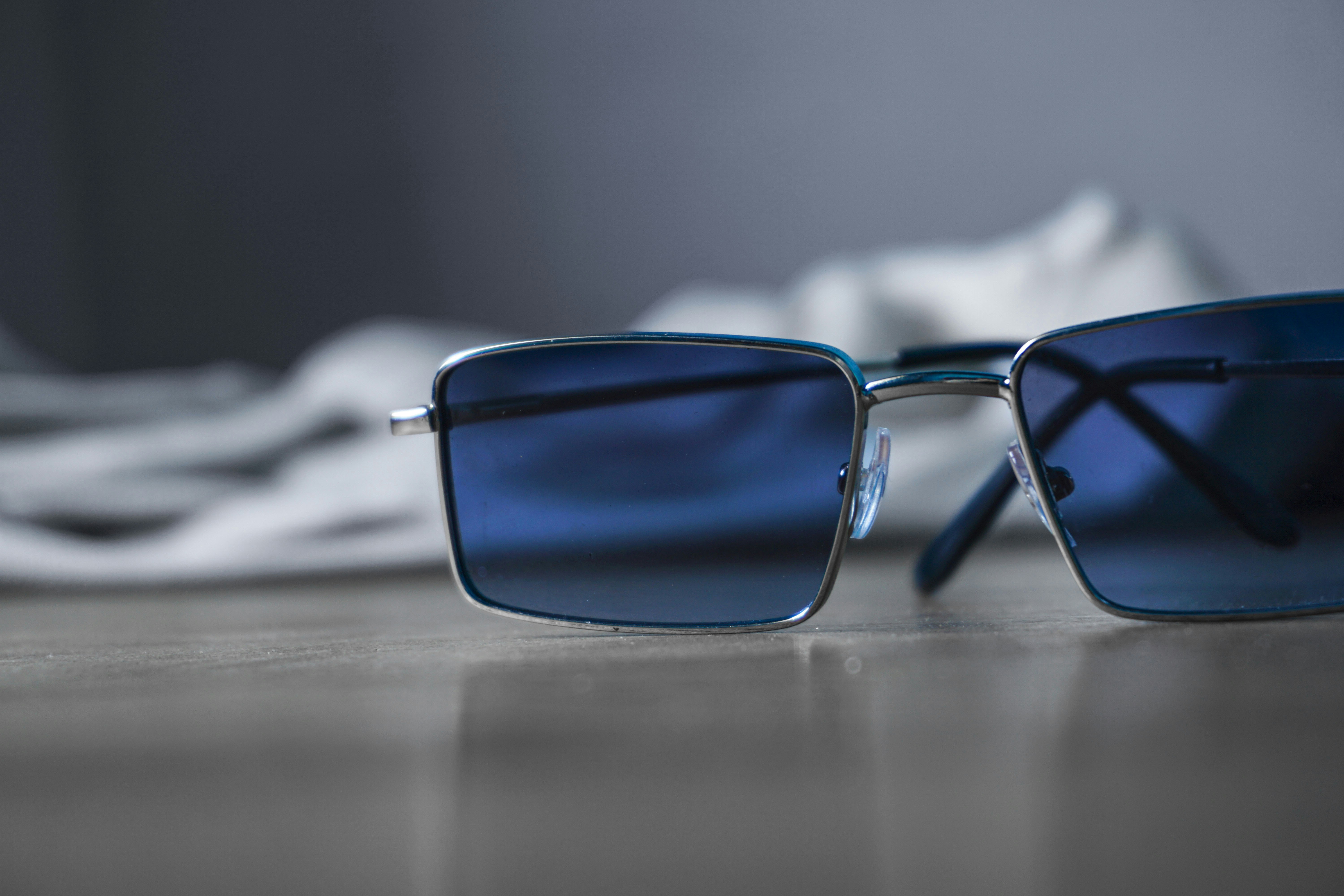
China is a global leader in eyewear manufacturing, offering an unparalleled range of options for brands sourcing thin metal frames. The current trend towards minimalist, lightweight, and "barely-there" aesthetics makes the thin metal frame sunglasses factory a critical partner. These styles are particularly popular in unisex and women's collections, appealing to consumers seeking a blend of modern sophistication and comfort.
Manufacturing hubs like Wenzhou are known for their expertise in producing everything from budget-friendly metal frames to premium titanium pieces. When sourcing from a china metal frame sunglasses factory, brands can explore various materials suitable for thin designs:
- Stainless Steel: Offers an excellent balance of durability and affordability. It can be crafted into very fine profiles, making it perfect for minimalist designs.
- Titanium: As a premium material, titanium is ultralight, strong, and hypoallergenic, making it ideal for high-end, comfortable, and durable thin frames.
- Beta-Titanium: This flexible alloy allows for highly resilient frames that can withstand bending, a key feature for delicate-looking designs.
When approaching a factory, it's crucial to distinguish between their capabilities in different metals. A factory that excels in stainless steel may not have the same level of precision with titanium. Therefore, asking for specific samples is key.
Choosing Between OEM and ODM Services
A fundamental decision in factory sourcing is the choice between Original Equipment Manufacturer (OEM) and Original Design Manufacturer (ODM) services. Each model offers distinct advantages and suits different brand strategies.
| Feature | OEM (Original Equipment Manufacturer) | ODM (Original Design Manufacturer) |
|---|---|---|
| Concept | You provide the unique design; the factory produces it exclusively for you. | You select and customize a pre-existing design from the factory's catalog. |
| Design Control | Total creative control over shape, materials, and details. Your intellectual property is protected. | Limited to modifications like color, logo, and lens type on an existing frame. |
| Exclusivity | High. The product is unique to your brand. | Low to Medium. Other brands may use the same base model. |
| Time to Market | Slower, due to design development, prototyping, and tooling. | Faster, as it bypasses the initial design and tooling phases. |
| Upfront Cost | Higher. Often involves costs for custom molds or tooling, especially for metal injection. | Lower. No development or tooling fees, making it ideal for startups. |
| MOQ | Typically higher to justify custom production setups. | Generally lower, allowing brands to test the market with less risk. |
| Best For | Established brands with a clear design vision and a focus on building long-term brand equity. | New brands, fast-fashion lines, or companies looking to quickly launch a collection with a limited budget. |
For a brand aiming to launch a truly unique line of thin metal frames, OEM is the ideal path. It allows for complete creative freedom, ensuring the final product aligns perfectly with the brand's vision. However, this requires a significant investment in design and development, including detailed technical drawings (tech packs).
Conversely, ODM is a strategic choice for brands that need to enter the market quickly and with lower financial risk. A brand can work with a china thin metal frame sunglasses factory to select a stylish existing model and customize it with unique colors, lens finishes, and branding to create a distinct look. Many brands start with ODM to validate market interest before transitioning to OEM for future collections.
Meeting Shape Demand: Sourcing Square Metal Frame Eyewear from China for Women's, Lady & Unisex Optical Frames Wholesale
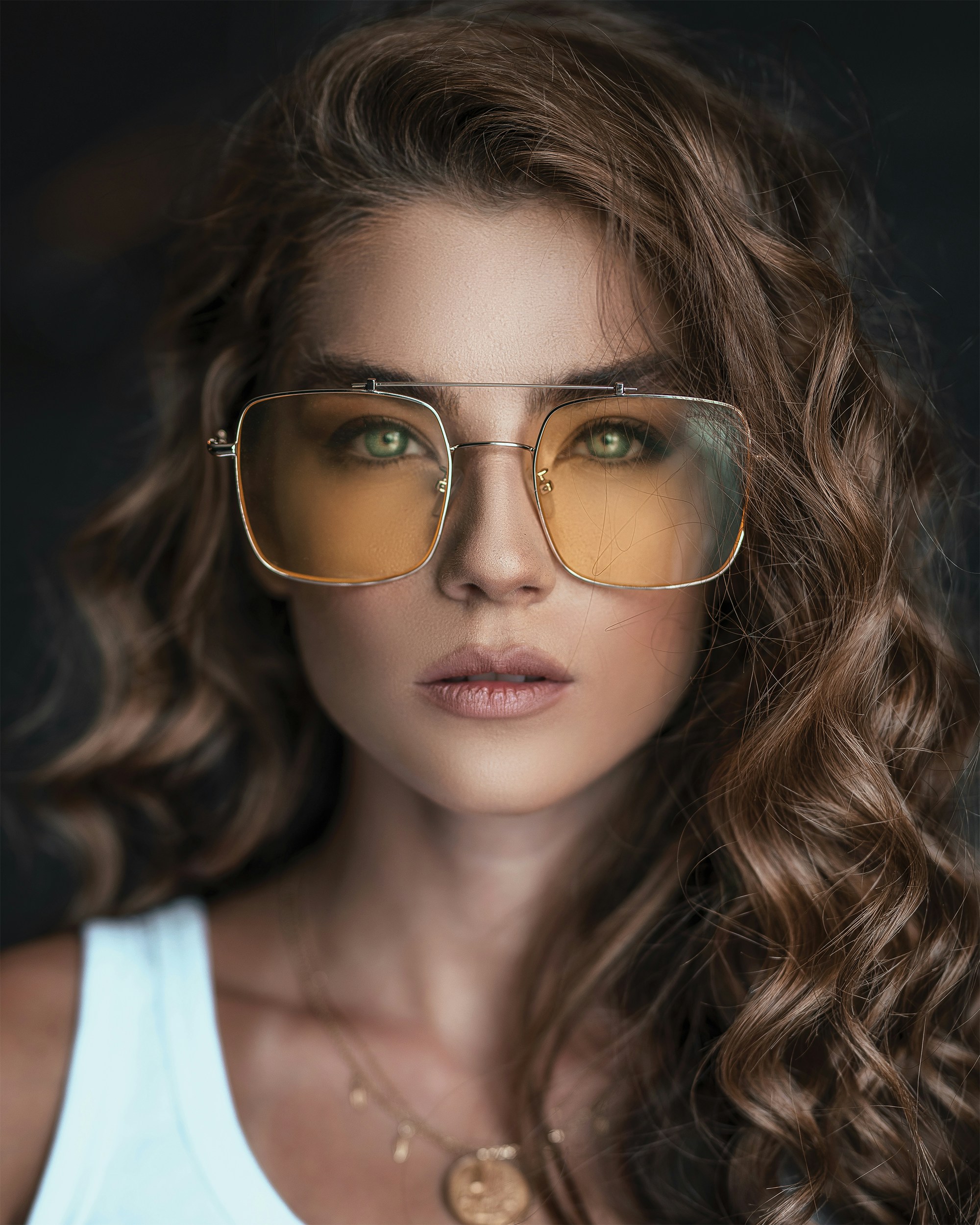
The demand for geometric and structured eyewear, particularly square metal frames, remains high across women's, lady, and unisex categories. Their bold-yet-classic silhouette makes them a versatile addition to any collection. China's manufacturing ecosystem is well-equipped to produce these styles, but success hinges on finding a partner with specific expertise in creating sharp, precise angles and durable constructions in metal.
Sourcing from a china square metal frame sunglasses factory requires attention to detail. Unlike softer, rounded shapes, square and geometric frames are less forgiving of manufacturing errors. Misaligned corners, uneven welding, or poor symmetry are immediately noticeable and can ruin the product's aesthetic. Therefore, brands must prioritize factories that demonstrate precision engineering. Look for a square metal frame sunglasses factory that can provide samples of their geometric work, paying close attention to the crispness of the lines and the quality of the joints.
Industrial hubs like Shenzhen and Wenzhou are home to numerous mens metal frame sunglasses factories and suppliers specializing in unisex styles that offer a range of capabilities, from mass-market to high-end titanium constructions.
Identifying Reliable Manufacturers for Geometric Styles
Finding a trustworthy metal frame sunglasses factory among countless online listings requires a structured vetting process. Relying solely on a polished website or catalog is a common pitfall. A truly reliable partner can provide evidence of their capabilities and quality systems.
Here is a practical checklist for identifying and vetting a square frame metal sunglasses factory in China:
- Verify Business Legitimacy: Confirm that the company is a licensed manufacturer, not just a trading company or agent. Ask for their business license and factory address. While agents can be useful, working directly with a factory often provides better cost, communication, and control.
- Request Relevant Samples: Don't just ask for best-sellers. Request samples that are similar to your intended design—specifically, geometric or
square metal frame sunglasses factoryproducts. When inspecting samples, check for:- Symmetry and Alignment: Place the frame on a flat surface to check for any twisting or warping.
- Hinge Quality: Temples should open and close smoothly but firmly.
- Weld and Joint Quality: Inspect corners and joints for clean, strong connections without excess material.
- Finish Uniformity: Ensure the color and plating are even across the entire frame, with no blemishes or inconsistencies.
- Inquire About Quality Control (QC) Processes: A reputable manufacturer will have a documented QC process. Ask about their inspection checkpoints—from incoming raw materials to in-process checks and final product inspection.
- Check for Certifications: Essential certifications like ISO 9001 (quality management), CE (European markets), and FDA (US market) demonstrate a factory's commitment to international standards. Ask for copies of these certificates and verify their validity.
- Audit the Factory (If Possible): For significant orders, an on-site factory audit is invaluable. This allows you to see their production line, equipment, and working conditions firsthand. If an in-person visit isn't feasible, consider hiring a third-party auditing service based in China.
- Evaluate Communication and Transparency: A good partner communicates clearly and promptly. They should be willing to answer technical questions and be transparent about their production processes, including which steps might be subcontracted (like electroplating).
By following these steps, your brand can move beyond surface-level evaluations and identify metal frame sunglasses factories that have the proven technical skill and reliable processes needed to produce high-quality geometric eyewear.
Comparing Metal Frame Eyewear Factories: An Essential Wholesale Buying Guide for Women's, Lady & Unisex Optical Frames
Once you've shortlisted potential metal frame sunglasses factories, the next step is a comprehensive comparison to find the best fit for your brand. Choosing a manufacturing partner is a long-term strategic decision that goes beyond securing the lowest price. A thorough evaluation should balance cost with quality, reliability, and customization capabilities.
When comparing factories for women's, lady, and unisex optical frames, focus on these key pillars:
- Product Quality and Consistency: Quality should be the primary evaluation point. A cheap quote is worthless if the product quality is poor, leading to returns and brand damage. Compare the physical samples from each factory, checking for hinge alignment, temple symmetry, surface finishing, and construction durability.
- Manufacturing Capabilities: Not all factories are created equal. Assess their technical expertise with different materials (e.g., stainless steel vs. titanium) and production processes (e.g., welding, plating, polishing). A factory specializing in acetate might not have the right equipment or skills for intricate metalwork.
- Customization Services: Evaluate how much flexibility each factory offers. Can they accommodate custom shapes, colors, and finishes? Do they offer a variety of logo application methods? The depth of their customization services will determine how unique your product can be.
- MOQs, Lead Times, and Compliance: Compare the Minimum Order Quantities (MOQs), production lead times, and their ability to meet international compliance standards (ISO, CE, FDA). A factory with flexible MOQs is often a better partner for new or growing brands.
By focusing on total value rather than just the initial price, you can select a partner that supports your brand's growth, quality standards, and long-term vision.
The Impact of Customization and Order Volume on Cost
Understanding the factors that influence the final cost of your eyewear is crucial for effective budget planning and negotiation. The price quoted by a china metal frame sunglasses factory is not arbitrary; it's a calculation based on several key variables.
Here’s a breakdown of how customization and order volume affect your per-unit cost:
| Cost Factor | Description | Impact on Cost |
|---|---|---|
| Frame Material | The raw material used (e.g., stainless steel, titanium, monel) has a direct impact on cost. Titanium is a premium, more expensive option, while stainless steel offers a mid-range balance of quality and price. | High. Material choice is a primary cost driver. |
| Order Volume (MOQ) | Minimum Order Quantity is the smallest order a factory will accept. Larger orders distribute fixed setup costs (machine calibration, tooling) across more units, lowering the per-unit price. | High. Higher volume almost always leads to a lower price per piece. Factories calculate efficiency by production batch, so ordering more units of a single color is more cost-effective than ordering the same total number of units split across many colors. |
| Design Complexity | Intricate shapes, multiple components, or complex structural details require more manufacturing time, specialized labor, and potentially custom tooling, all of which increase costs. | Medium to High. A simple, classic frame is cheaper to produce than a complex, multi-part design. |
| Finishing & Plating | The type of surface finish—such as standard electroplating, premium PVD (Physical Vapor Deposition) coating, matte finishes, or two-tone coloring—can significantly alter the cost. Premium finishes are more durable and visually appealing but require more advanced processes. | Medium. High-end finishes can add a noticeable amount to the per-unit cost but also increase perceived value. |
| Logo & Branding | The method used to apply your logo (e.g., simple pad printing vs. laser engraving or a metal inlay) affects the price. More sophisticated and durable branding methods are more expensive. | Low to Medium. While custom logos add cost, the impact is generally less than material or complexity. |
| Packaging & Accessories | The cost of custom cases, cleaning cloths, and branded boxes is added to the final price. Basic packaging adds little, but highly customized, premium packaging can be a significant cost factor. | Low to Medium. This cost is scalable based on the brand's desired customer experience. |
| Tooling & Molds | For fully custom OEM designs, there may be a one-time fee for new molds or tooling. This cost can be substantial but is a necessary investment for creating a proprietary product. ODM models do not have this cost. | High (One-Time Cost). Tooling fees can range from hundreds to thousands of dollars, depending on complexity. |
In short, while a high MOQ can be daunting for a new brand, it provides significant leverage for better pricing. Conversely, high levels of customization will increase the unit cost but are essential for creating a unique product that stands out in the market. Successful brands find a strategic balance between these factors to create a product that is both high-quality and profitable.
Optimizing Fit and Volume for Metal Frame Eyewear, Including Men's Styles: A Wholesale Buying Guide for Women's, Lady & Unisex Optical Frames
A great eyewear collection balances broad appeal with niche styles. This means optimizing not only the designs themselves but also the fit for a diverse audience—including women, men, and unisex wearers—and managing production volume effectively. Creating a universally comfortable fit while managing inventory requires a deep understanding of standard sizing and a strategic approach to order quantities.
Eyewear sizing is typically denoted by three numbers printed on the frame's temple, such as 50-18-140. These represent the lens width (50mm), bridge width (18mm), and temple length (140mm). While there are no strict rules, general sizing categories help cater to different face shapes and sizes:
- Lens Width: Determines the overall width of the frame. Small sizes are typically under 49mm, medium ranges from 50-53mm, and large is 54mm and above.
- Bridge Width: The distance between the lenses, critical for how the frame sits on the nose. This typically ranges from 14mm to 24mm. A proper bridge fit prevents the glasses from sliding down or pinching.
- Temple Length: The length of the arms of the glasses. Common lengths are 135mm, 140mm, and 145mm. This ensures the frame rests securely and comfortably over the ears.
While creating frames for both men and women, remember that "unisex" often aligns with medium-to-large sizing to accommodate a wider range of facial structures. Offering a few key styles in two distinct sizes can be an effective strategy to improve fit across demographics without exponentially increasing your SKU count.
Strategically managing order volume is also crucial. Instead of launching many styles with low quantities, it's often more effective to focus on a few core designs with higher volumes. This approach allows you to secure better per-unit pricing from mens metal frame sunglasses factories and maintain a healthier inventory balance.
Achieving Premium Finishing from Your Square Metal Frame Eyewear Factory for Women's, Lady & Unisex Wholesale
The perceived value of an eyewear piece is significantly influenced by its finish. A flawless finish communicates quality, durability, and attention to detail. When working with a square metal frame eyewear factory, brands should clearly specify their finishing requirements to elevate the final product. Surface treatment is not just about color; it's a protective layer that resists wear, corrosion, and skin oils.
Key finishing options for metal frames include:
- Standard Electroplating: A common and cost-effective method used to apply colors like gold, silver, and gunmetal. The quality depends on the plating thickness and the use of a protective topcoat.
- PVD (Physical Vapor Deposition) Coating: Also known as IP (Ion Plating), this is a premium vacuum coating process that deposits a thin, highly durable layer onto the frame. It's exceptionally resistant to scratches and corrosion, making it ideal for luxury and high-performance eyewear. Finishes like rose gold, matte black, and champagne gold are popular PVD options.
- Powder Coating: A dry finishing process where a pigment powder is electrostatically applied and then cured with heat. This creates a very durable, uniform, and hard finish, similar to what's used on automotive parts. It's excellent for bold, opaque colors.
- Matte and Brushed Finishes: These textural finishes are achieved through abrasive blasting or progressive polishing. They offer a modern, understated aesthetic and are effective at hiding minor scratches and fingerprints.
When evaluating a china square metal frame sunglasses factory, request samples showcasing different finishes. Inspect them under bright light for uniformity, and check for any blemishes, especially around welds and hinges. A high-quality finish should be perfectly even, with no signs of the base metal showing through.
Enhancing Appeal with Custom Logos and Packaging
Your logo and packaging are powerful branding tools that complete the customer experience. A well-executed logo enhances the product's perceived value, while thoughtful packaging protects the product and reinforces your brand's identity.
Logo Application Methods:
The choice of logo application depends on the frame material, desired aesthetic, and budget. Common methods include:
- Laser Engraving: Uses a laser to etch the logo directly onto the frame or lens. This method is permanent and offers a subtle, premium look. It is compatible with metal, acetate, and even wood.
- Silk Screen Printing: A traditional method where ink is pushed through a stencil. It is cost-effective for larger batches and ideal for colorful logos, but may be less durable than engraving.
- Hot Stamping (Foil Print): A heated die presses a metallic foil onto the frame, creating a shiny, embossed logo. This technique adds a touch of luxury.
- 3D Metal Logo: A small, custom-made metal emblem is affixed to the frame. This offers a high-end, dimensional branding effect.
When sending your logo to the factory, always provide it in a vector file format (.AI, .EPS) to ensure it can be scaled without losing quality.
Custom Packaging Options:
Packaging should be both functional and aesthetically pleasing. It protects the eyewear during shipping and serves as a key element of the unboxing experience.
- Eyewear Cases: Options range from soft fabric pouches to semi-rigid EVA cases and hard-shell cases made of PU leather or other materials.
- Cleaning Cloths: Microfiber cloths branded with your logo are a functional and appreciated accessory.
- Boxes: A custom-printed retail box elevates the presentation. Options include simple cardboard boxes, rigid gift boxes, or innovative drawer-style boxes.
- Inserts: Include a warranty card, a brand story booklet, or instructions to further engage the customer.
Many factories offer one-stop solutions for both eyewear and packaging, which can streamline the production process. A brand can choose from existing packaging structures to control costs or develop fully custom solutions for a unique presentation.
Understanding China Metal Frame Eyewear Factory Supply Terms: Key for Your Women's, Lady & Unisex Optical Frames Wholesale Buying Guide
Sourcing from a china metal frame sunglasses factory involves more than just design and price negotiation; it requires a clear understanding of the commercial terms that govern production and delivery. A smooth and successful partnership depends on aligning expectations on critical operational details from the outset. For brands building women's, lady, and unisex wholesale collections, mastering these terms is essential for managing timelines, budgets, and risks.
Before signing a purchase order, an agreement should be reached on all key aspects of the partnership. This includes not just the price but also payment milestones, ownership of designs and tooling, and procedures for handling delays or defective goods. A comprehensive agreement prevents misunderstandings and provides a clear framework for resolving issues if they arise.
Navigating Compliance, Lead Times, and Minimum Order Quantities
Three of the most critical terms to establish with any eyewear factory are compliance, lead times, and Minimum Order Quantities (MOQs). These factors directly impact your ability to legally sell your product, manage your inventory, and control costs.
1. Compliance and Certifications:
Selling eyewear in international markets requires adherence to specific safety and quality standards. Your factory must be able to produce goods that meet these regulations and provide the necessary documentation.
- For the US Market:
- FDA Registration: Sunglasses are considered Class 1 medical devices. The factory must be registered with the U.S. Food and Drug Administration (FDA).
- Impact Resistance (21 CFR 801.410): All lenses must pass the "drop ball test," where a steel ball is dropped on the lens to ensure it doesn't shatter. A certificate of impact resistance is required for customs clearance.
- ANSI Z80.3: This is the American National Standards Institute's standard for non-prescription sunglasses, covering UV protection and optical clarity.
- For the European Market (EEA):
- CE Mark: The "CE" mark signifies conformity with EU health and safety standards. For sunglasses, the relevant standard is EN ISO 12312-1.
- Technical File & Declaration of Conformity: The manufacturer must maintain a technical file with design specs and test reports and issue a Declaration of Conformity.
- Other Key Certifications:
- ISO 9001: This certifies that the factory has a robust quality management system in place.
- UV400 Protection: This is a non-negotiable standard indicating the lenses block 99-100% of harmful UVA and UVB rays. Your factory must provide test reports to prove this claim.
Always ask for valid test reports and certification numbers, not just verbal assurances.
2. Lead Times:
Lead time is the total time from placing an order to receiving the finished goods. It varies significantly based on material, complexity, and whether the order is custom or from existing stock.
- Stock Orders: For ready-to-ship models, lead times are short, often 7-15 days.
- Custom Sample Production: Creating a new sample typically takes 20-45 days, depending on complexity and whether new tooling is needed.
- Mass Production (Bulk Orders):
- Metal Frames: Generally require 30-60 days after sample approval.
- Acetate Frames: These take longer due to the extensive polishing and curing process, often 60-90 days.
- Injection-Molded Frames (PC/TR90): If a new mold is needed, mold-making alone can take 30-40 days. Once the mold is ready, production is faster, around 30-35 days.
Always confirm lead times in writing and factor them into your launch schedule, accounting for potential shipping and customs delays.
3. Minimum Order Quantities (MOQ):
MOQ refers to the smallest number of units a factory is willing to produce for a single order. It's a critical factor for managing inventory and upfront costs.
- Stock Models: MOQs are very low, often starting at just 10-12 pieces per color.
- ODM (Customizing Existing Designs): MOQs are flexible, typically ranging from 100-300 pieces per model.
- OEM (Fully Custom Designs):
- For acetate and metal frames, MOQs commonly start at 300 pieces per model, which can often be split across 2-3 colors.
- For injection-molded plastic frames, MOQs are higher due to tooling costs, often starting at 1,200 pieces or more.
Factories set MOQs to cover the fixed costs of material procurement and production setup. While a higher MOQ leads to a lower per-unit price, many factories offer flexible solutions for startups, making it possible to launch a brand without a massive initial investment.
Starting Your Custom Eyewear Journey with READSUN: A Wholesale Buying Guide for Women's, Lady & Unisex Optical Frames
Embarking on the journey of custom eyewear creation is a significant step for any brand. The success of a new collection—whether it's for women's, lady, or unisex optical frames—depends heavily on the manufacturing partner you choose. A factory is more than just a supplier; it is a strategic partner that directly influences your product quality, brand reputation, and ability to scale. Partnering with a specialized and experienced manufacturer like READSUN can be the catalyst for quality, innovation, and sustainable brand growth.
Choosing a partner with deep expertise in the eyewear industry provides access to more than just production lines. It opens the door to professional design support, advanced manufacturing techniques, and flexible customization options. An experienced OEM/ODM manufacturer helps transform your creative vision into a commercially viable product line that resonates with your target market.
Partnering for Quality, Innovation, and Brand Growth
A successful partnership with an eyewear manufacturer is built on a foundation of shared goals and mutual trust. It’s a collaborative relationship that extends beyond the production floor. Here’s what a strategic partnership can unlock for your brand:
Ensuring Consistent Quality: A brand's reputation is built on the promise of quality. A reliable manufacturing partner implements stringent quality control at every stage, from inspecting raw materials to final product assembly. This commitment ensures every pair of glasses meets your standards, reducing defect rates, minimizing customer returns, and building long-term brand loyalty.
Driving Innovation and Design: Top manufacturers are not just order-takers; they are innovators. They stay ahead of market trends, experiment with new materials, and refine production techniques. By collaborating with such a partner, your brand gains access to this expertise. They can provide valuable insights on design feasibility, suggest material alternatives to meet cost targets, and help you develop unique features that make your collection stand out.
Achieving Scalable and Flexible Production: As your brand grows, your production needs will change. A strategic partner offers scalable solutions, allowing you to start with manageable MOQs and increase order volumes as demand grows. This flexibility is crucial for managing inventory and cash flow effectively, especially for startups and growing businesses.
Building a Stronger Brand Identity: Your eyewear is a tangible representation of your brand. A good manufacturing partner understands this and offers comprehensive customization that goes beyond the frame itself. From custom logo applications to unique branded packaging, they help you create a cohesive and memorable brand experience for your customers.
In the competitive eyewear market, choosing the right manufacturer is one of the most critical decisions you will make. By selecting a partner committed to quality, innovation, and collaboration, you're not just sourcing a product; you are laying the groundwork for your brand's future success and growth.
Frequently Asked Questions (FAQ)
1. What is the difference between OEM and ODM manufacturing?
OEM (Original Equipment Manufacturer) is a model where you provide your own unique design, and the factory produces it exclusively for you. This offers complete creative control and product exclusivity but involves higher upfront costs and longer development times. ODM (Original Design Manufacturer) is where you select a pre-existing design from the factory's catalog and customize it with your branding, colors, and finishes. ODM is faster to market and more cost-effective, making it ideal for new brands.
2. What is a typical Minimum Order Quantity (MOQ) for custom eyewear?
MOQs vary significantly based on the material and level of customization.
- For stock models (ready-made frames), MOQs can be as low as 12-50 pieces per color.
- For custom metal or acetate frames (OEM/ODM), MOQs typically start around 300 pieces per model, often allowing for 2-3 color variations within that quantity.
- For custom injection-molded frames (PC/TR90), MOQs are much higher, often starting at 1,200 pieces, due to the high cost of creating new molds.
3. What are the most important quality checkpoints to inspect in a metal frame sample?
When inspecting a metal frame sample, focus on these key areas:
- Symmetry: Place the frame on a flat surface to ensure it's balanced and not warped.
- Hinges: Check that the temples open and close smoothly but feel secure.
- Welds/Joints: Inspect the corners and connection points for clean, strong soldering without any rough edges.
- Plating/Finish: Look for an even, consistent color and finish across the entire frame, with no signs of bubbling, chipping, or fading.
- Fit: Ensure adjustable nose pads are secure and can be maneuvered for a comfortable fit.
4. Which compliance certifications are essential for selling sunglasses in the US and EU?
- For the United States: Your products must comply with FDA regulations, which includes factory registration and passing the "drop ball test" for impact resistance (21 CFR 801.410). ANSI Z80.3 compliance for UV protection is also critical.
- For the European Union: Your products must carry the CE mark, indicating they meet the EN ISO 12312-1 standard for sunglasses. This includes requirements for UV filtration, lens categories, and physical safety. Always ask your manufacturer for current and valid test reports and certificates.
5. How long does it typically take to produce a custom eyewear order?
The lead time depends on the complexity and material:
- Sample Production: Typically takes 20-45 days.
- Mass Production (after sample approval):
- Metal frames: Around 30-60 days.
- Acetate frames: Longer, at 60-90 days, due to curing and polishing processes.
- Injection frames (with new mold): The entire process can take 80-90 days, including mold creation. These timelines are general estimates and should be confirmed with your specific factory.
6. What file format should I use to send my logo to the factory?
Always provide your logo in a vector file format, such as .AI (Adobe Illustrator), .EPS, or a vector-based .PDF. Vector files can be scaled to any size without losing sharpness or becoming pixelated, ensuring a clean and professional application on your frames and packaging.
Conclusion
Navigating the world of custom eyewear manufacturing, especially for a diverse range like women's, lady, and unisex optical frames, requires a clear understanding of factory capabilities, materials, quality control, and compliance. By carefully researching and choosing the right manufacturing partners, we can ensure our brands deliver products that are not only stylish but also meet high standards of quality and safety. The journey from concept to consumer is complex, but a strategic approach to sourcing can transform it into a competitive advantage.
Making informed decisions throughout the sourcing and wholesale buying process is paramount for our brand's success. From initial design concepts—deciding between unique OEM creations and market-ready ODM models—to final product delivery, a strategic approach allows us to create unique, compliant eyewear that resonates with our target markets and stands out in a competitive industry. By prioritizing quality, understanding the nuances of supply terms, and fostering strong relationships with manufacturers, we can build a resilient brand poised for long-term growth. We encourage you to use this guide as a foundational tool, share it with your teams, and continue a dialogue on best practices in eyewear sourcing.